Think Fall Color Isn’t for the West? These 12 Native Trees Prove You’re Wrong
Add a splash of autumn color into your own landscape and hit the road with these tree-specific destinations sure to inspire.
Santa Fe National Forest, New Mexico. Photo by Timothy Hearsum/Getty Images.
Written byKristin Guy
October 2, 2025
Share this story
When you picture fall foliage, chances are fiery red maples in New England come to mind, but thankfully autumn isn’t just an East Coast spectacle. Across the West, native trees put on dazzling seasonal displays while thriving in their local climates. Imagine golden quaking aspens in the Rockies, fiery California black oaks, and glowing vine maples in the Pacific Northwest. And not only do these trees look good, but they also conserve water, support wildlife, and add layered beauty to gardens and landscapes. Whether you want inspiration for your own backyard or a reason to plan a fall road trip, here are 12 western natives worth celebrating, plus a few arbor-specific destinations to visit this autumn.
Pacific Northwest
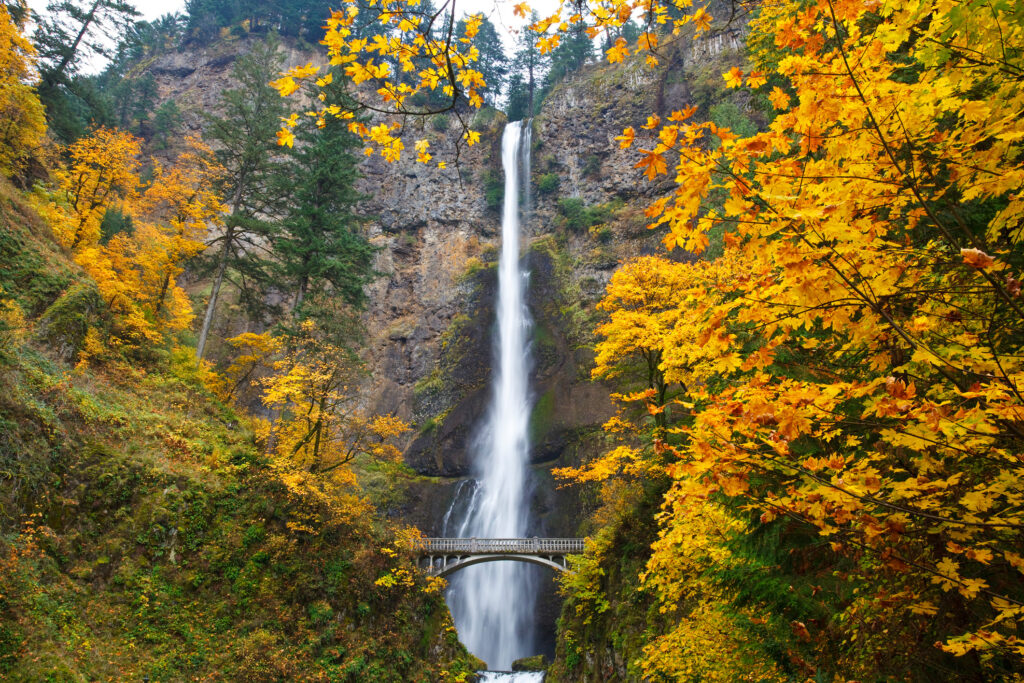
Multnomah Falls, Oregon
Craig Tuttle/Getty Images
The Pacific Northwest is a region of contrasts, and in autumn, its native trees add brilliant pops of color to this lush canvas. Thanks to long, mild fall seasons and rich soils, species like maples and larches thrive here, offering gardeners and hikers alike a surprising array of seasonal tones.
Tree Highlights
Bigleaf Maple (Acer macrophyllum): Huge hand-shaped leaves, sometimes over a foot wide, turn glowing gold each fall. Its fallen leaves enrich soil and supply salmon streams with vital nutrients.
Vine Maple (Acer circinatum): Known as the “bonsai of the forest,” this small, sculptural tree lights up understories with red-orange hues. In gardens, it thrives in dappled shade and provides nectar for early pollinators in spring.
Western Larch (Larix occidentalis): One of the few deciduous conifers, it turns bright yellow before shedding needles. Its wood was historically prized for railroad ties and is still valued for durability.
Hoyt Arboretum, Portland, OR: Showcases native maples and larches in brilliant autumn hues.
California
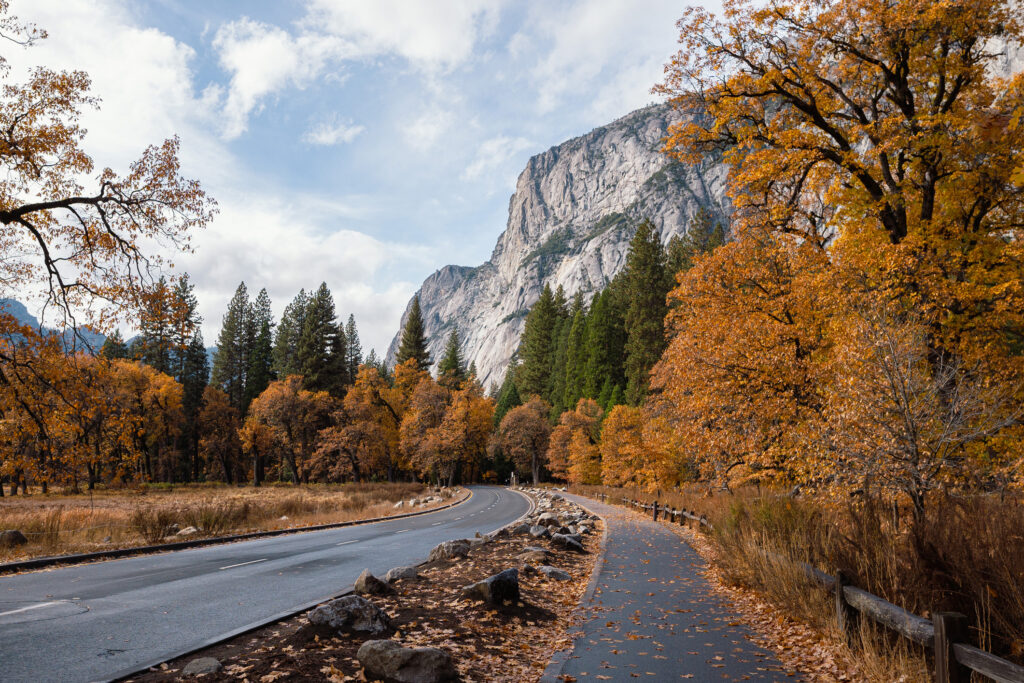
Yosemite National Park
GabrielPevide/Getty Images
California’s vast range of climates means fall color comes in many shades. Oaks, dogwoods, and cottonwoods create seasonal drama, often framed against dramatic granite cliffs or winding river valleys. For gardeners, these trees offer a way to bring autumn’s beauty into both large landscapes and small suburban yards, all while feeding wildlife.
Tree Highlights
California Black Oak (Quercus kelloggii): Deep orange to crimson leaves glow against dark, furrowed bark. Its acorns feed black bears, woodpeckers, and deer, making it a keystone species in oak woodlands.
Pacific Dogwood (Cornus nuttallii): A sculptural understory tree with layered branches that glow in shades of orange, pink, and red. Its showy white spring flowers make it a four-season beauty, though it prefers cooler, shaded sites.
Fremont Cottonwood (Populus fremontii): Native along rivers and desert washes, this cottonwood produces golden, fluttering leaves in fall. It’s also critical for stabilizing stream banks and providing habitat for eagles and owls.
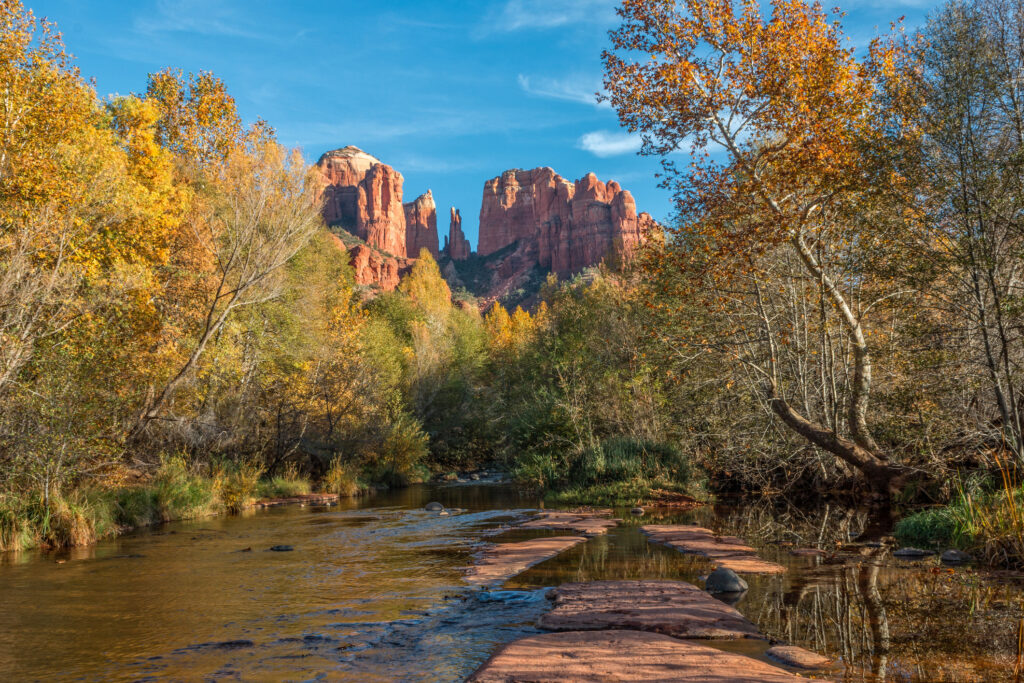
In the Southwest, fall color hides in plain sight along creeks, in high-elevation canyons, and beneath striking desert cliffs. These trees offer shade, food, and shelter in otherwise arid landscapes, making their autumn display both unexpected and spectacular. When set against red sandstone walls or wide desert skies, the effect is nothing short of cinematic.
Tree Highlights
Arizona Sycamore (Platanus wrightii): Large, lobed leaves shift to soft gold in fall, contrasting with smooth, white bark. Its broad canopy offers essential shade in desert towns and wildlife corridors along streams.
Velvet Ash (Fraxinus velutina): Turns warm yellow to orange each fall. The tree’s fuzzy young twigs and leaf undersides—hence “velvet”—make it easy to identify, and it provides dense shade in urban gardens.
Boxelder Maple (Acer negundo var. arizonicum): Often overlooked, this riparian maple flashes yellow in fall and thrives where water is near. It also attracts pollinators with its spring flowers and supports diverse insect life.
Destinations to See
Oak Creek Canyon, near Sedona, AZ: Cottonwoods and sycamores line red-rock cliffs with gold.
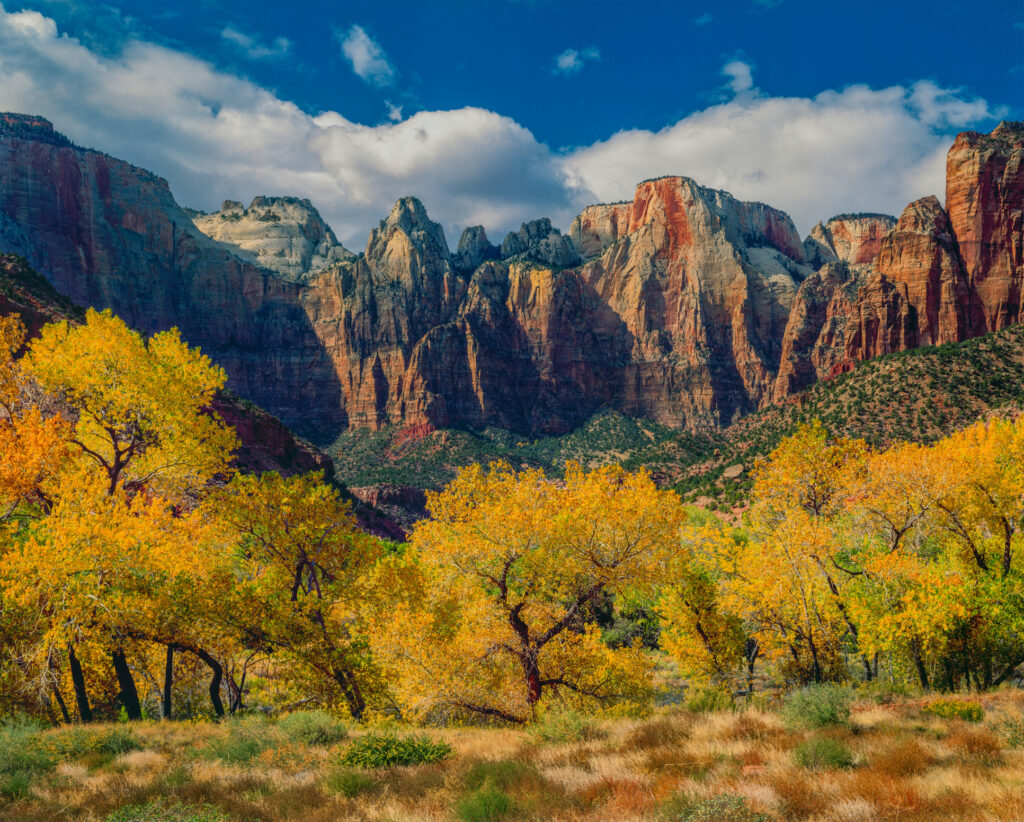
The Intermountain West may be known for rugged peaks and sagebrush valleys, but come fall, its mountainsides explode with golden aspens and rust-colored oaks. Cold nights paired with sunny days intensify pigments here, producing some of the most vivid color in the country. For gardeners, these natives embody resilience with tolerance of poor soils, drought, and wildlife pressure while still delivering seasonal drama.
Tree Highlights
Quaking Aspen (Populus tremuloides): Famous for groves that shimmer gold, thanks to leaves that “quake” in the wind. Each grove is often a single genetic clone connected by underground roots, making some colonies thousands of years old.
Rocky Mountain Maple (Acer glabrum): A hardy, small maple with foliage that glows red to orange in fall. Indigenous peoples used its strong wood for tools and snowshoe frames.
Gambel Oak (Quercus gambelii): Displays copper, gold, and rust-red tones across mountain slopes. Its acorns are a staple for bears, turkeys, and jays, and its thickets provide crucial cover for wildlife.