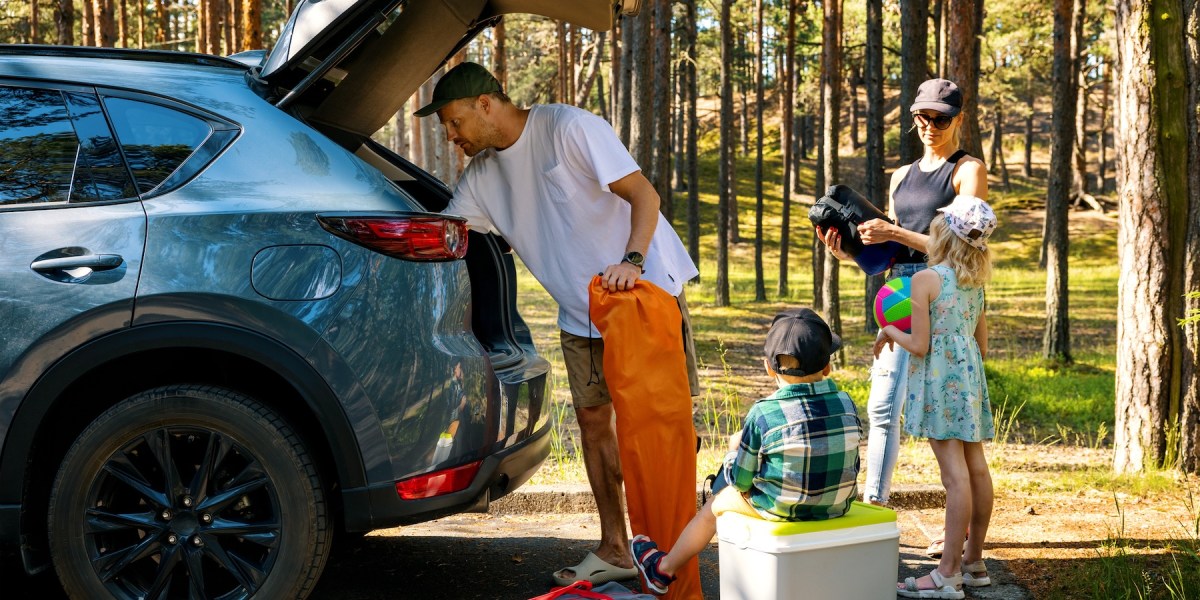
An Avalanche Expert Shares His Winter Survival Tips
Andy Paul, instructor at NOLS Alaska, shares his tips for playing safe this season.
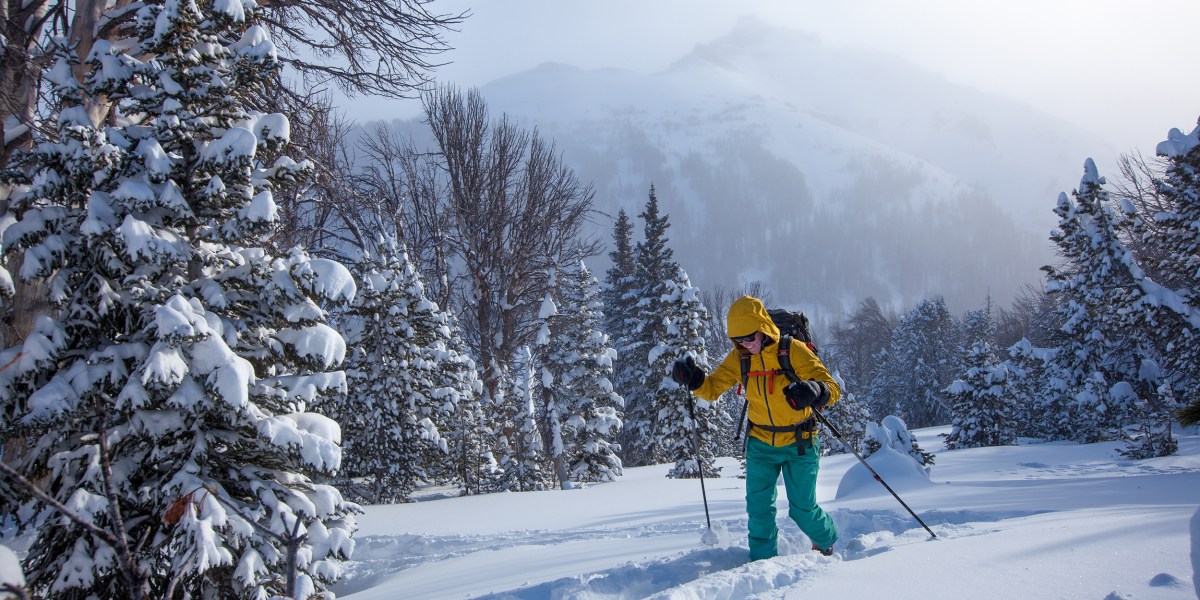
Molly Hagbrand
Andy Paul has spent the last decade honing his skills as an avalanche educator, ski guide, and mountaineering course leader in some of the most stunning locations in the West, from Alaska to Wyoming to Lake Tahoe. Through his work for the National Outdoor Leadership School, he continues to share the best tool one can have in their kit—knowledge—lending advice here for winter adventuring for all levels.
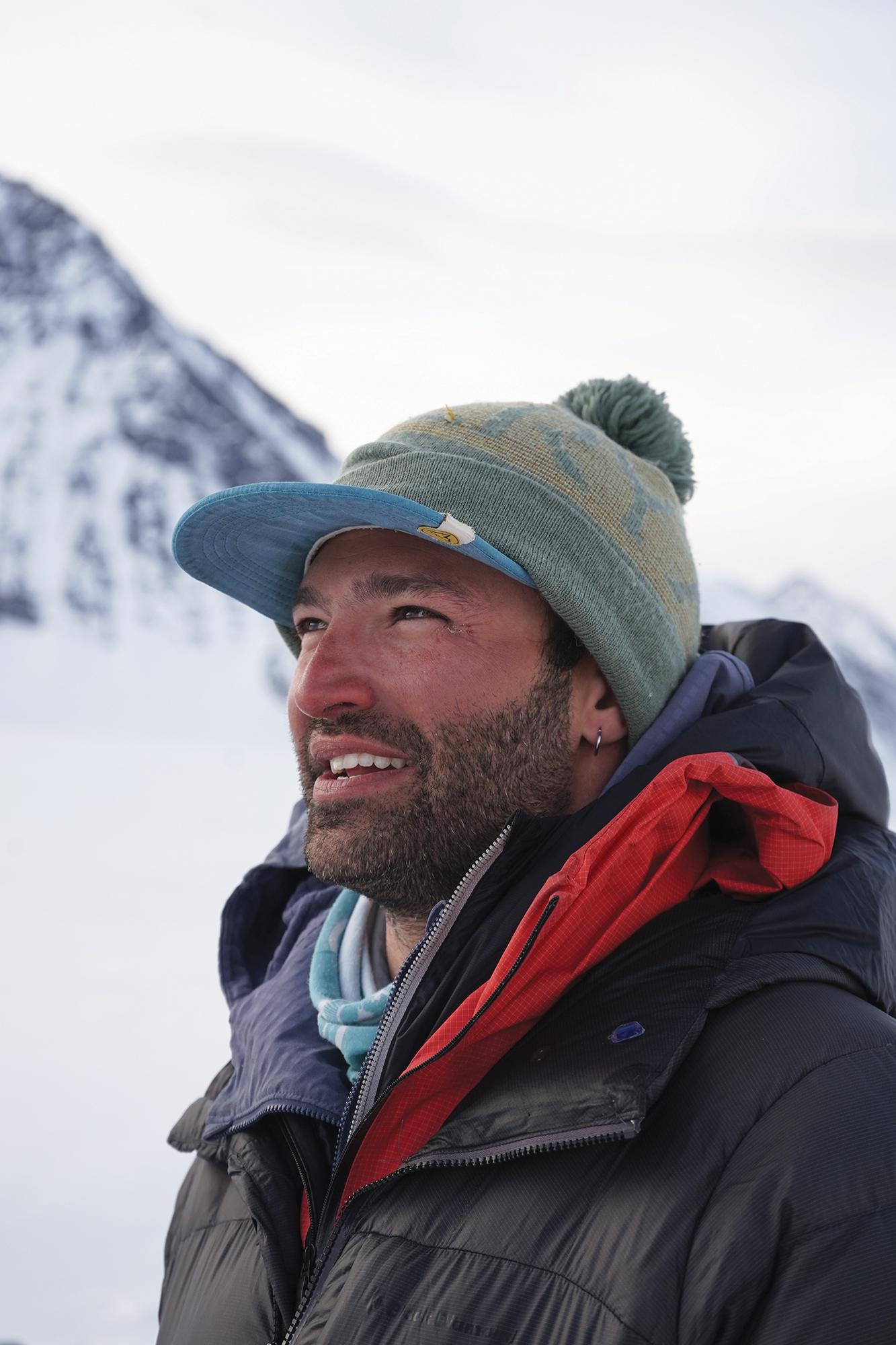
Joy Seward
What are some tips for families who may not be experienced winter sport adventurers?
Pick a style of travel—walking, snowshoeing, cross-country skiing, or backcountry skiing or splitboarding—and start with a terrain progression. Look up local winter trails without too much elevation gain and loss. If you are choosing to enter avalanche terrain, that is, terrain capable of producing an avalanche, be sure to visit the local advisory at Avalanche.org and consider taking an American Avalanche Association-accredited avalanche course. And know how to use the necessary gear, including a beacon, shovel, and probe.
Any other tips on gear and safety tools?
Depending on how quickly you plan to move, you may not need as many layers as you think. I always like breathable “softshell” fabrics for the clear days when it is not actively snowing. Bring a heavier-weight jacket in your backpack for pulling on at breaks, and avoid sitting in the snow. This can cool you down quickly, give you a wet butt, and worse—a cold injury! Bring a small foam or inflatable butt pad.
I always bring a light to midweight uphill glove and a heavier insulated downhill glove. You’ll never catch me without a thermos of my favorite hot beverage. Consider something with electrolytes, such as a savory miso soup or a hot drink mix.
Never leave home without the right eyewear. Snow blindness can last for hours or even days. You’ll want sunglasses (not goggles, they’re too hot!) for going uphill. With the more sporty “speed shades” these days, I do a big majority of my downhilling with them as well.
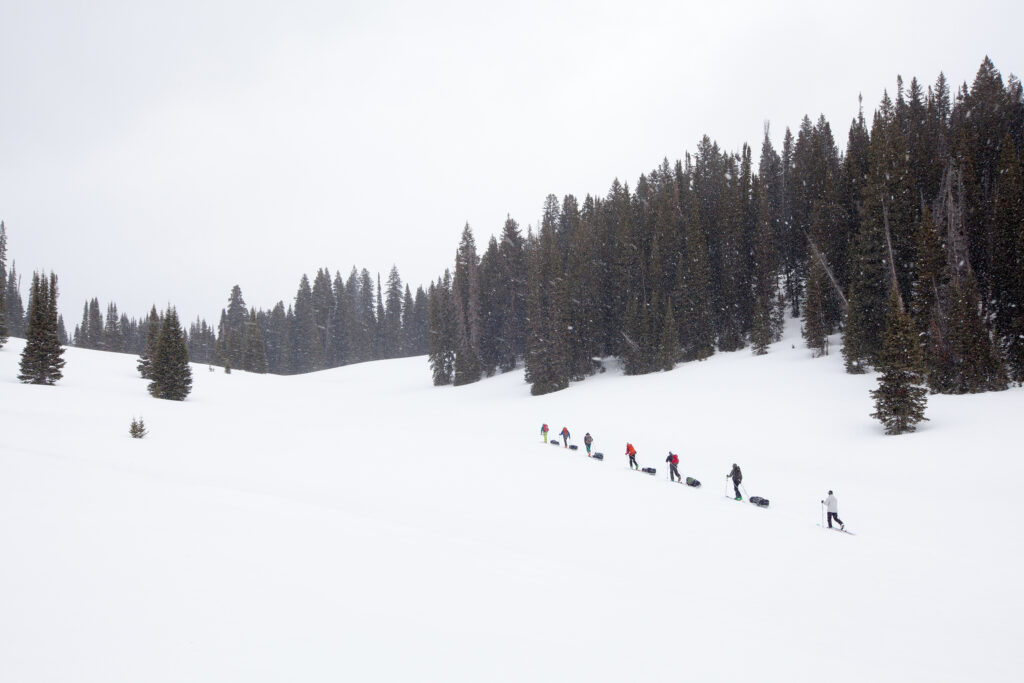
Molly Hagbrand
What’s the most common mistake folks make when adventuring in the wilderness this time of year?
Underestimating the time it takes to travel in a winter environment. Use a map or a phone mapping app to track your progress. Set turnaround times and ensure you leave a sufficient buffer, especially with the winter light leading up to sunset.
What winter-specific hazards do families or solo travelers often overlook?
Winter is a beautiful yet dynamic time. Shorter days can make daylight an issue, as can the depth and quality of snow, on efficient travel. Make a plan, stick to it, and check in with your group often. Depending on whether you are traveling on an established trail or path in winter, traction and flotation are vital.
How do you teach travelers of all ages to read snow conditions and recognize avalanche terrain, even on “beginner” trails?
It all starts with reading the local advisory. Avalanche forecasters like me work hard to break this hazard down into simple language for all users: What is it, where is it, and what should you do about it? While the 48-hour period after a significant snow event can be the worst for increasing avalanche conditions, some types of avalanches can endure all season. Familiarizing yourself with maps and slope angle shading on platforms like CalTopo, Gaia GPS, and onX Backcountry is important, even on beginner trails.
What should a family’s winter emergency kit contain that’s different from a summer kit?
A winter emergency kit should include an emergency shelter such as a bivy sack, fire-starting materials, and a type of blow-up or insulated pad, even on a day hike. A small shovel could be a lifesaver. Just imagine having to spend the night out there and digging a snow cave.
We only recommend things we love. If you buy something through our site, we might earn a commission.