Do You Really Need to Decant Your Wine? Two Sommeliers Tell the Truth
Here’s the low-down on decanting.
zodebala/Getty Images
Whether you’re celebrating something special or simply unwinding after a long week, it’s safe to say that most things are better with a glass of wine in hand. But not so fast, some argue. Many oenophiles argue that decanting is an essential step before you pour a glass and toast with your fellow sippers.
So, what’s the deal? Do you really need to pick some fancy decanter? Do you even need to decant your wine in the first place? According to Tyler Potts, beverage director of Napa Valley’s PRESS and Under-Study, it’s a small step that can enhance your overall drinking experience. “My hope for decanting is to introduce oxygen and increase the temperature of the wine,” he says. “Both of which impact texture and flavor significantly.”
Not only can exposing your blend to oxygen help open up the wine—adding some nuance to its flavors and aromas—but it can also soften those sometimes harsh tannins. Since wine is an ever-evolving elixir, aging your bottle can naturally open and soften your blend. That’s exactly why Potts likes to decant “almost everything that has been in the bottle for less than five years.”
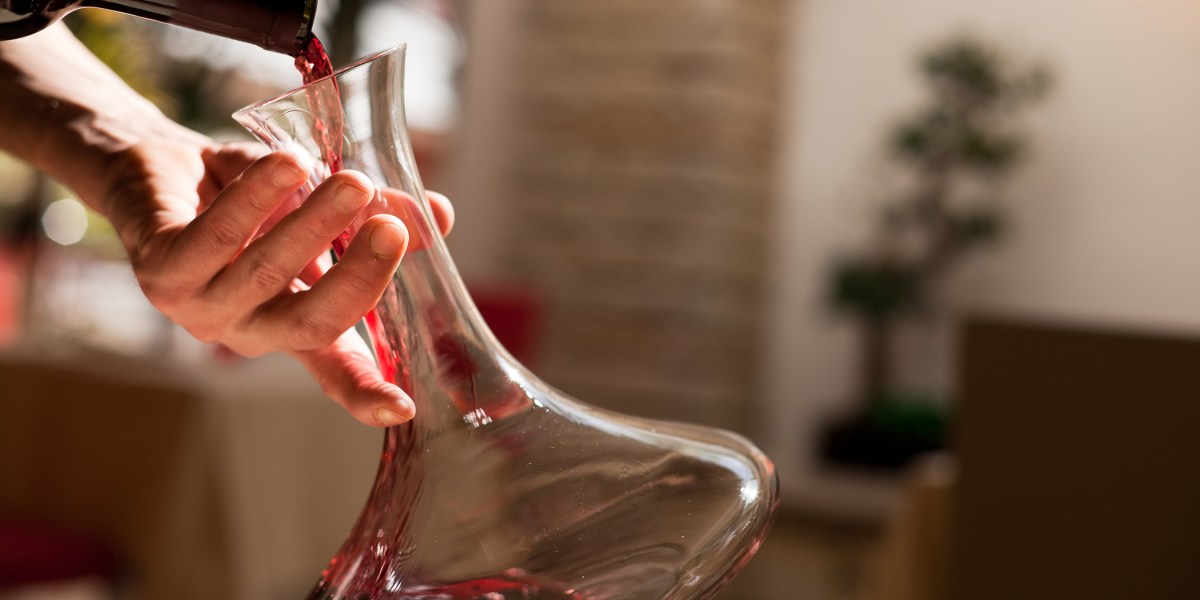
“If it’s a young wine, try to get as much oxygen in there as possible—you don’t have to be delicate,” adds David Osenbach, wine director at Michelin-minted Providence in Los Angeles. “I always like to pour them into the decanter from the bottle as vigorously as possible.”
Mike Battey
Though Potts recommends decanting for a few hours before serving it, he says the wine will continue to evolve. “The wine will wake up almost immediately, but it’ll likely calm down for a moment—then pop off again,” Potts explains. “Try decanting it and watch the development in real time.” While most people recommend decanting red wines, Potts gives you his blessing to experiment with a range of varietals. “Don’t be afraid to decant white wine and older bottles of Champagne,” he says.
Speaking of older, decanting often serves a different purpose for more mature blends. “For older wines you’ll want to decant to filter out any sediment that might have settled as the wine aged,” Osenbach explains. Aged wines are typically known to have a softer mouthfeel and more nuanced notes, and he says that decanting an older bottle will require some extra “finesse.”
“It’s important to make sure the wine bottle has been standing upright for a bit before you start to decant so that the sediment can settle at the bottom,” Osenbach explains. “Just pour slowly and steady without tipping the bottle back up or you’ll mix up the sediment.”
Courtesy of Amazon
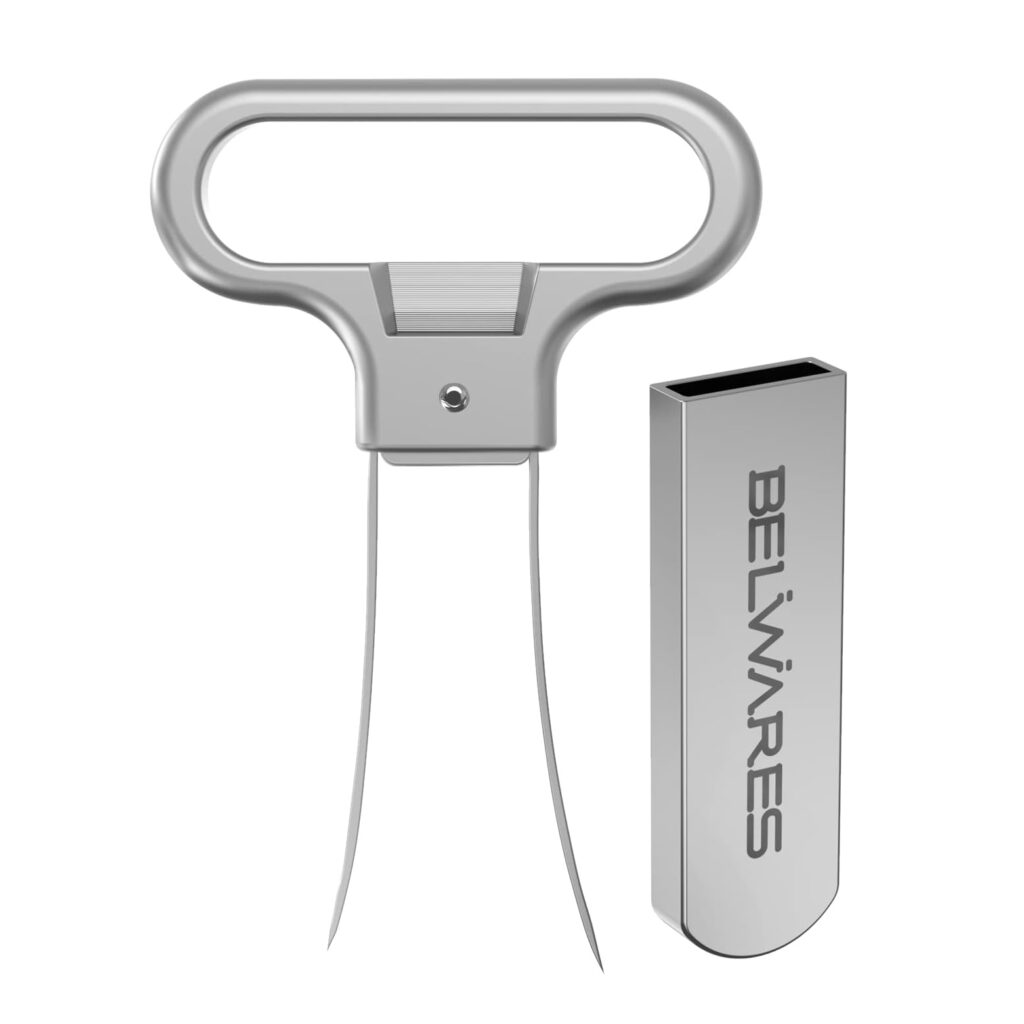
However, Potts says not every older vintage needs to be decanted and encourages drinkers to taste bottles older than 15 years first. “Sometimes they need it, but most of the time they don’t,” he explains. To help keep sediments and cork crumbles to a minimum, Potts recommends using an Ah So wine opener and keeping some cheese cloth nearby.
There are a lot of benefits to letting your wine breathe, but do you have to pour everything into a decanter? Not necessarily, Potts says. “There is no better—just different,” he explains. “Pouring from a bottle is not as much fun as pouring from a beautiful decanter.”
If you do want to pick up a decanter, the pros say you don’t have to splurge on the fanciest one. “Expensive fancy decanters look really cool, but they don’t do anything different to the wine than a cheaper one does,” Osenbach says. “They’re also usually much harder to clean.”
Courtesy of Amazon
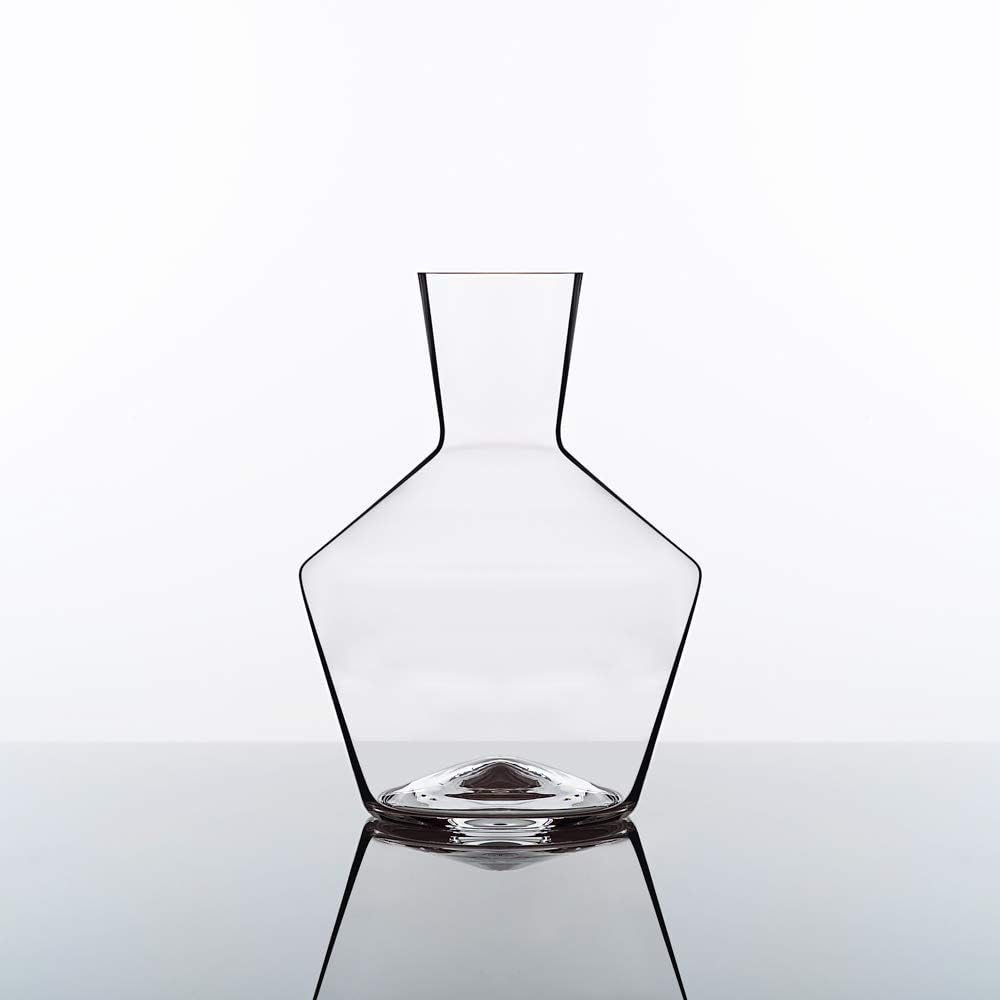
Potts agrees: When serving wine at one of his restaurants, he typically reaches for a Zalto decanter because they’re “easy to work with, look beautiful, and don’t take up too much space on the table.” But when he’s home? “I use a Mason jar.”
We only recommend things we love. If you buy something through our site, we might earn a commission.