Choosing the Right Smart Home Technology
Select your connected devices carefully—the future of your house depends on it
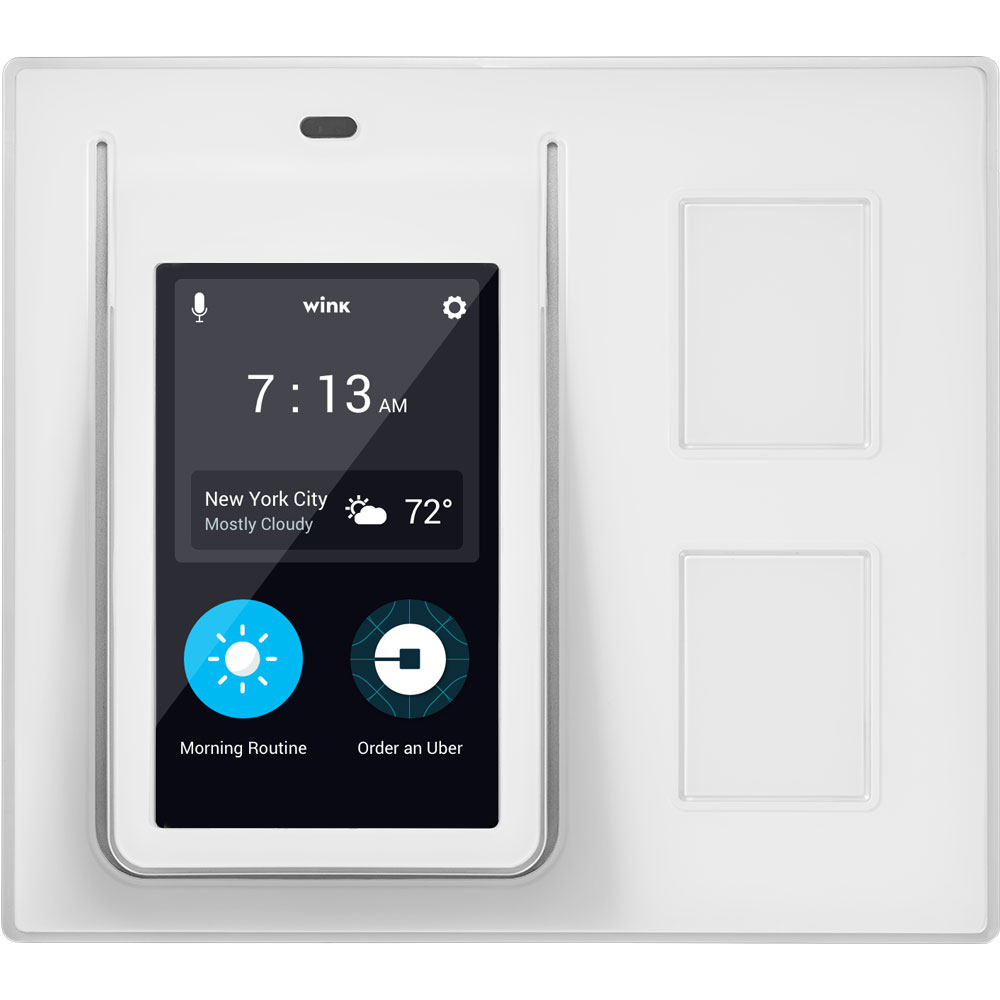
Courtesy of Wink
You may not have realized it at the time, but when you bought your first smartphone, you made a pretty intense, long-term commitment. Similar to the Windows versus Mac computer showdown of the 1980s, the iPhone versus Android slugfest of the 2000s was all about locking users into an ecosystem of apps, services, and hardware. And the next battlefront for tech companies in the 2010s is the smart home, with everyone from startups to tech titans vying to control your internet-connected house.
“2015 is going to be a really big year for home automation,” says Andrew Thomas, co-founder of Skybell, which makes an Internet-connected doorbell that includes a motion-activated camera. But Thomas isn’t just bullish on new gadgets coming to market—he’s excited to see how they will all begin working together. From Apple’s HomeKit plans, to Google’s “Works With Nest” model (and efforts from GE, Samsung, Staples, and other in between), there are many options for linking together your smart home devices. Here’s what you need to know, before getting locked into one of them.
Apple’s HomeKit: Letting iPhone owners use Siri to control everything from lights to locks, Apple’s smart home strategy requires nothing more than the right accessories. These gadgets all sport Apple-authorized chips that encrypt your smart home-controlling commands sent from your iPhone to your connected thermostat, for example. Once hese products become available, in the first half of 2015, Apple’s solution will be the most secure smart home option available.