People Are Designing ‘Backyard Bathhouses’ with Cold Plunges, Saunas, and More—Here’s How to Create Your Own Personal Oasis
Experts share the secrets to creating an outdoor wellness retreat that works year-round.
Lauren Purves
As the day cools and the garden settles, a new kind of outdoor ritual is emerging across the West. Steam rises, skin cools, and time slows just enough to notice it. The backyard bathhouse (part garden room, part wellness refuge) is becoming a defining feature of the 2026 outdoor living landscape.
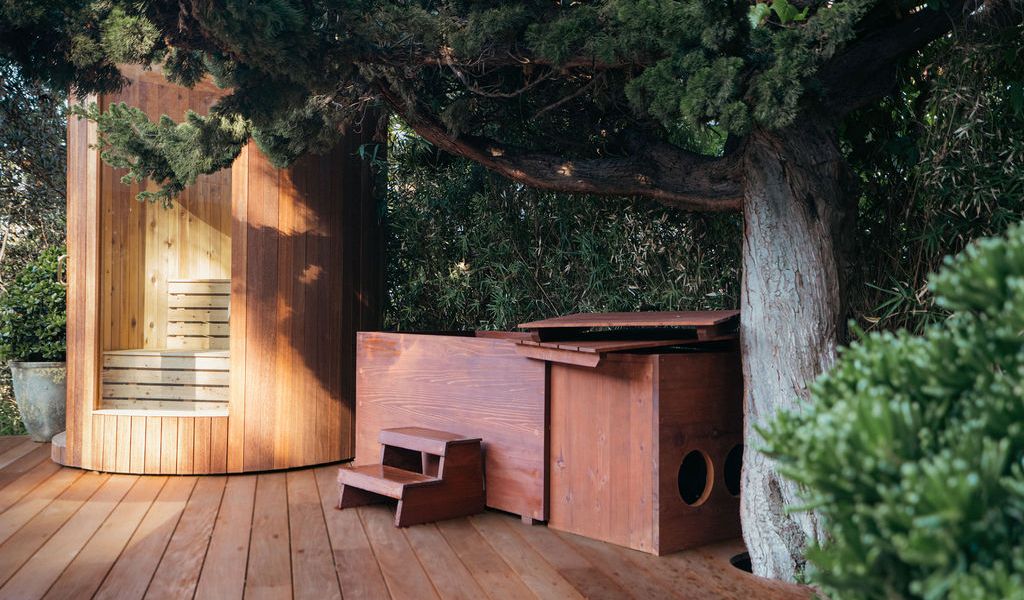
Unlike a single hot tub or sauna, a bathhouse is designed as a sequence: heat, cold, rinse, rest. It’s not about indulgence so much as intention. Los Angeles based TUBPANGA, an alfresco bathing design studio, has helped lead this shift by creating outdoor bathing spaces that reconnect people with water, heat, and the landscape itself. Their projects often feature saunas, hot tubs, cold plunges, decks, stonework, and both steam and traditional outdoor showers, and are collectively referred to as bathhouses. While most live outdoors, the studio also brings this sensibility indoors through select interior bathing projects. Here, we tap into their expert tips to help you create a backyard bathhouse that balances beauty, performance, and everyday use.
It’s Not Just a Sauna, It’s a System
Lauren Purves
What separates a modern backyard bathhouse from a standalone sauna or plunge is how the elements work together. TUBPANGA founder and designer Lucas McGowen uses the word “bathhouse” deliberately, explaining that it allows for a broader definition of outdoor bathing spaces, including a sauna, shower, cold plunge, fountains, and other water features. The term matters, he says, because it sets the emotional tone. Where “outdoor spa” can feel clinical or impersonal, “bathhouse” suggests rest, relaxation, and a more soothing atmosphere.
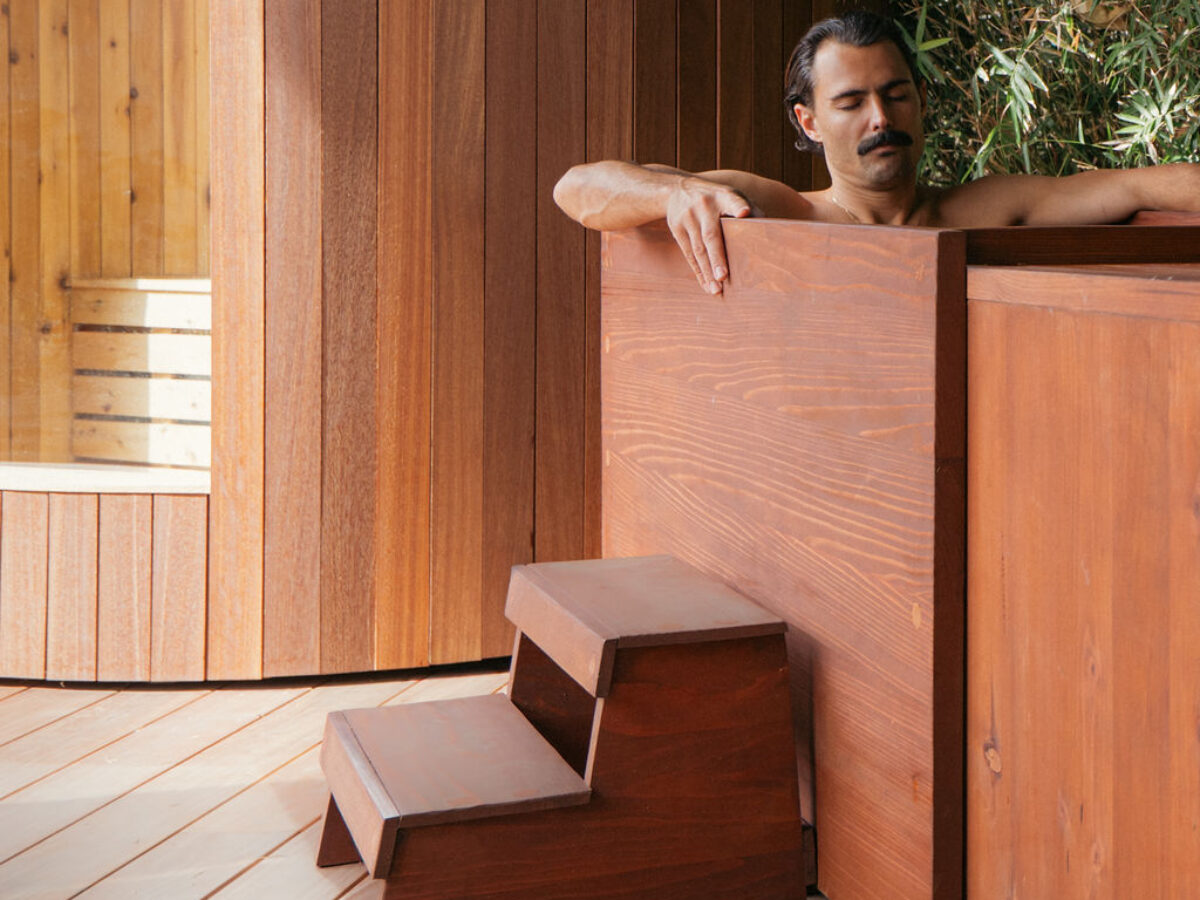
The wellness payoff comes from contrast. McGowen’s own path into bathhouse design was shaped by chronic back pain and the relief he found through contrast therapy. Moving from sauna to cold plunge, he notes, remains one of the most powerful lymphatic and psychological resets available, even in a compact backyard.
Design Starts with the View, Not the Feature List
Lauren Purves
One of the most common mistakes homeowners make is buying a sauna first and figuring out placement later. McGowen sees this often, particularly with off-the-shelf sauna kits that are poorly designed for outdoor use and fail to distribute heat or ventilate properly.
Instead, he starts every project by orienting the main bathing feature toward the best view available. What you look at while sitting in a sauna or soaking outdoors directly influences the meditative state you enter into. From there, desired elements are layered in based on space, circulation, and feasibility. Even in tight urban yards, thoughtful layout makes all the difference. View lines, ingress and egress, thermodynamics, and feng shui work together to create a space that feels intentional rather than improvised.
Plants Do More Than Decorate
Lauren Purves
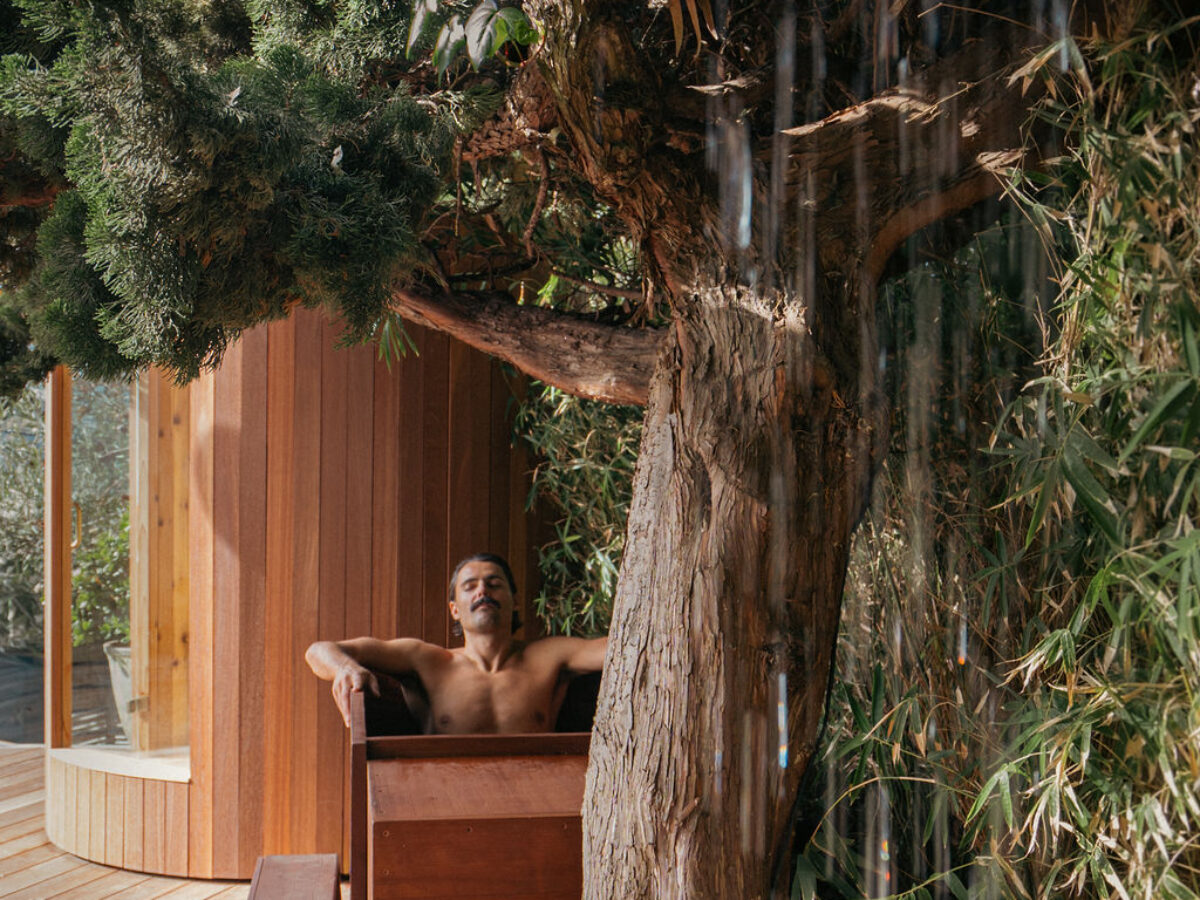
A successful bathhouse should feel settled into its surroundings, not dropped into them. Planting plays a critical role in softening hard materials, providing privacy, and reinforcing a sense of calm.
McGowen favors drought-tolerant California natives that thrive in Mediterranean climates while offering structure and movement: coast live oak for canopy and shade, California sycamore for sculptural presence, manzanita for architectural form, deer grass for texture, and California fuchsia for seasonal color. These plants help the bathhouse feel like part of the garden’s long-term story, not a passing trend.
Materials Should Age Gracefully, Not Fail Quietly
Lauren Purves
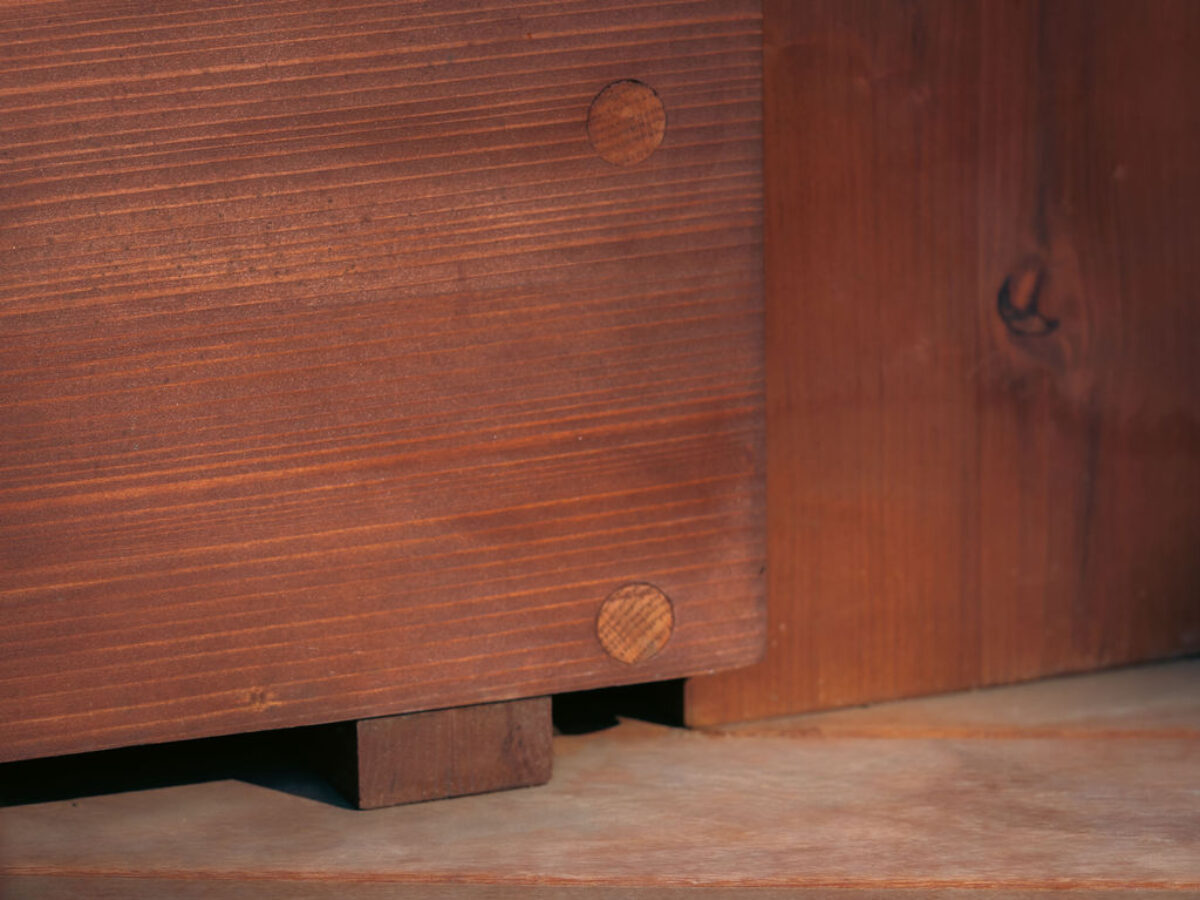
Outdoor bathing spaces ask a lot of their materials. Heat, moisture, sun, and time all leave their mark. The best bathhouses embrace materials that weather well rather than fight exposure.
McGowen relies on a mix of hardwoods and softwoods, including local California redwood, red western cedar, ipe, and thermally modified spruce. With proper care, these materials become richer over time. He’s especially vocal about the importance of investing in a high-quality sauna. Inexpensive kits, he explains, often age poorly, resulting in mildewing, warping, and spas that look dilapidated after just one winter outdoors. Designing for longevity also means planning for water. Proper runoff, drainage, protective treatments, and annual maintenance protocols keep the space feeling intentional rather than tired.
In much of California, outdoor bathing is naturally a year-round pleasure. In colder climates, smart design choices, rather than excessive construction, extend the season. McGowen notes that adequate insulation allows outdoor saunas to heat faster, retain warmth, and use less electricity or firewood in winter. On the East Coast, his team incorporates additional freeze protection features, while in California, simpler systems often suffice.
The most common regret he hears from clients is trying to build a bathhouse on a tight budget, only to rebuild it a year or two later when low-quality materials and makeshift systems begin to fail. Cheap saunas, improvised showers, and underspecified water heaters tend to age quickly in outdoor environments, especially when exposed to heat, moisture, and seasonal weather shifts. Investing in durable materials and proper infrastructure from the start, McGowen notes, almost always results in a space that performs better and lasts longer.
Space and Permits Are Easier to Solve Early
Lauren Purves
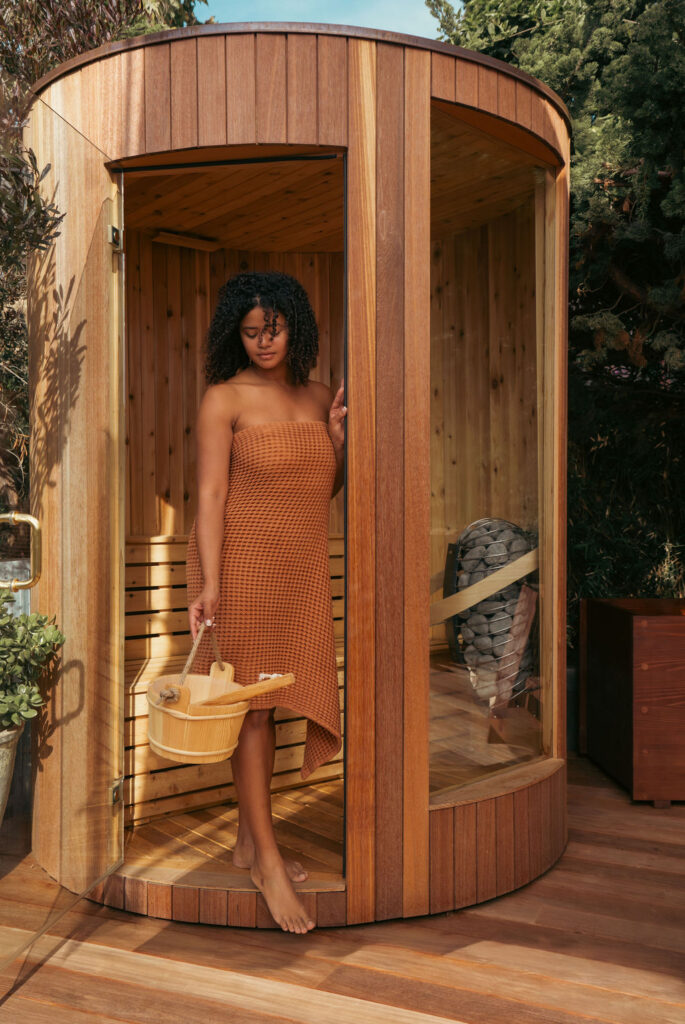
Limited space is often the biggest constraint, especially in coastal Southern California neighborhoods. McGowen approaches this by stripping the client’s wish list down to the essentials and maximizing what the space can realistically support.
Permitting varies by location, depending on proximity to the house, structure height, and where water and electricity originate. One mistake homeowners frequently make is waiting until the end of a larger renovation to think about the bathhouse. Electrical and plumbing often require trenching and layout changes. This type of work is far easier and more cost-effective to address early in the design process.
The “Extras” That Matter Most

Lauren Purves
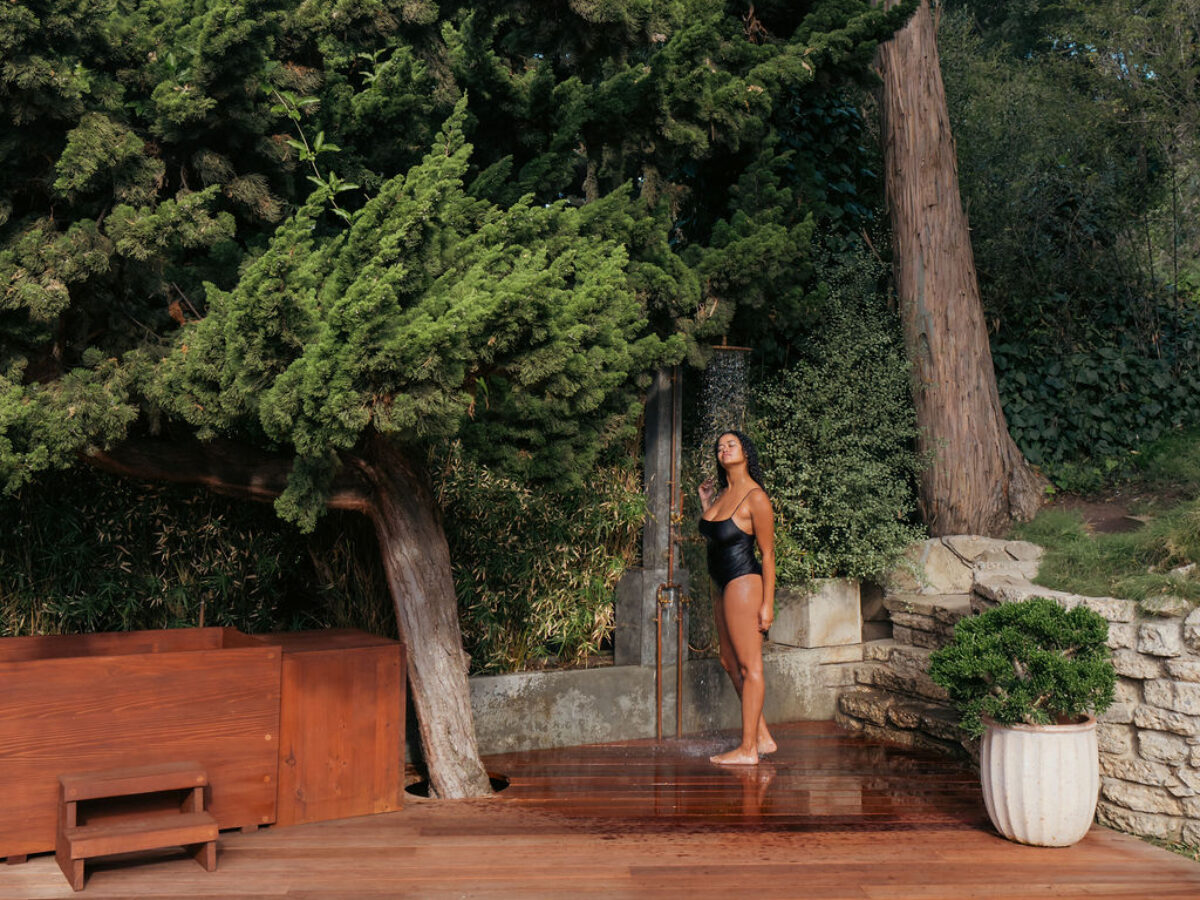
One of the most overlooked additions to a bathhouse is the outdoor shower. McGowen is often surprised by how many clients initially skip it. Beyond keeping cold plunges cleaner, an outdoor shower offers flexibility: a gentler cool-down after the sauna or the simple pleasure of taking a hot shower outside. When reflecting on the most memorable bathhouses he’s designed, McGowen doesn’t point to a single feature. What stays with him is the final feeling of the space, the result of every detail working together.
That sense of harmony is what defines the modern backyard bathhouse. Not a showpiece, but a place you return to daily. A reminder that wellness doesn’t have to be performative. Sometimes, it’s as simple as stepping outside and letting heat, cold, and water do what they’ve always done best.
Keep Reading:
The Latest