
These National Parks Are Even More Spectacular in Winter
These public lands are even better when the temperatures drop.
jp2pix.com/ Getty Images
It’s hard to hate on the boundless beauty of the national parks in the West, but there’s some truth in the fact that the crowds of the summer months can take away from the magic. As it is with much of travel, shoulder season happens to be one of the better times to visit public lands. Snow and colder temps quiet the crowds, revealing a slower, more elemental side of places we already know and love. Of course, it does take significantly more planning to take these journeys in the winter months—checking for road closures, prepping your vehicle for snow or ice, and making sure you have the proper gear and supplies. Here are some of our favorite parks to enjoy in the wintertime.

Getty Images / Kari Siren
Yosemite National Park
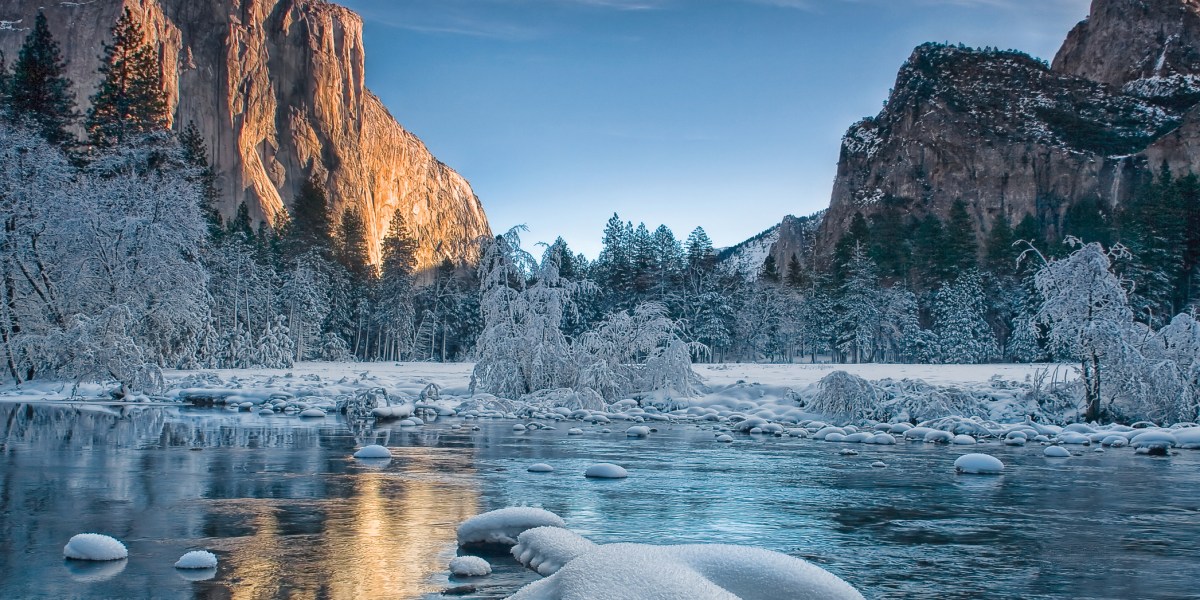
A visit to YNP in the winter promises even more than the spectacular Firefall phenomena (slated to occur on February 10 this year). John Muir waxed poetic about this part of the Eastern Sierra during this time, when desolation and solitude make way for contemplative communing with nature. Yosemite Valley’s towering granite walls and sprawling meadows transform into something even more tranquil when blanketed with snow. It’s an ideal time for snowshoeing, cross-country skiing, and lingering views of El Capitan under fresh snow. Be sure to check the current conditions, closures, and required chain-up areas here.

Getty / David McNew
Joshua Tree National Park
Though foot traffic is highest in J-Tree during Coachella season in the spring, the cool days and crisp nights make winter the most comfortable season to explore the high desert. Sculptural boulders, spiky Joshua trees, and wide-open skies take on a quieter beauty, with occasional snowfall adding a stunning contrast with the ochre rock formations. Of course, it’s important to keep in mind that temps significantly drop at night during prime stargazing hours in this International Dark Sky Park, so pack accordingly.
Thomas J. Story
Death Valley National Park
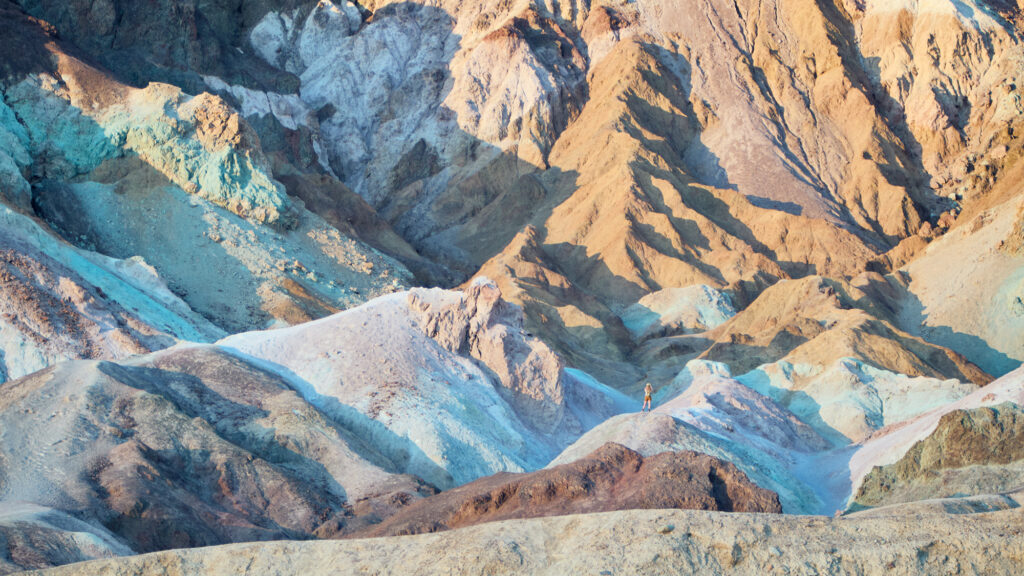
It’s sort of mind-blowing that tourists actually choose to visit Death Valley during the summer, when temperatures scorch above 120 degrees. In the winter, milder climes invite extended hikes across dunes, salt flats, and canyon trails that the area is known for. It’s the season when this extreme landscape becomes surprisingly approachable and wildly photogenic, and spots like Artists Palate pictured above are far less overrun with humans. Pair that with a stay at the historic and recently revamped Oasis at Death Valley and you’ve got the perfect retreat.
Courtesy of REI Adventures
Zion National Park
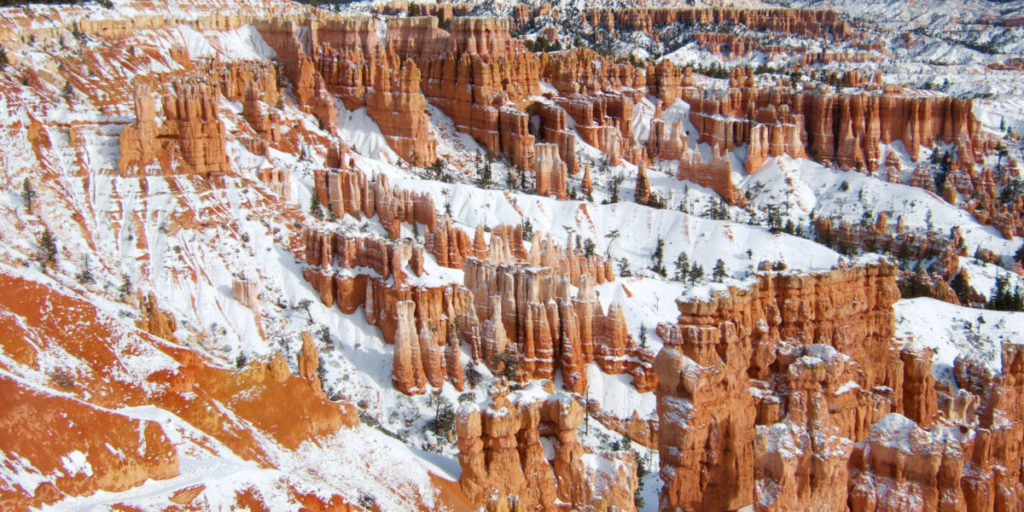
An off-season trip through southwestern Utah’s desert landscape can afford some real rewards. Snow-dusted sandstone gives this iconic park a quieter, more meditative mood. But typically, the sun is still shining, as it does more than 300 days a year in the area. Trails see fewer hikers, wildlife sightings increase, and the contrast between red rock and white snow transforms familiar viewpoints into something altogether new.
Getty/ amygdala_imagery
Rocky Mountain National Park
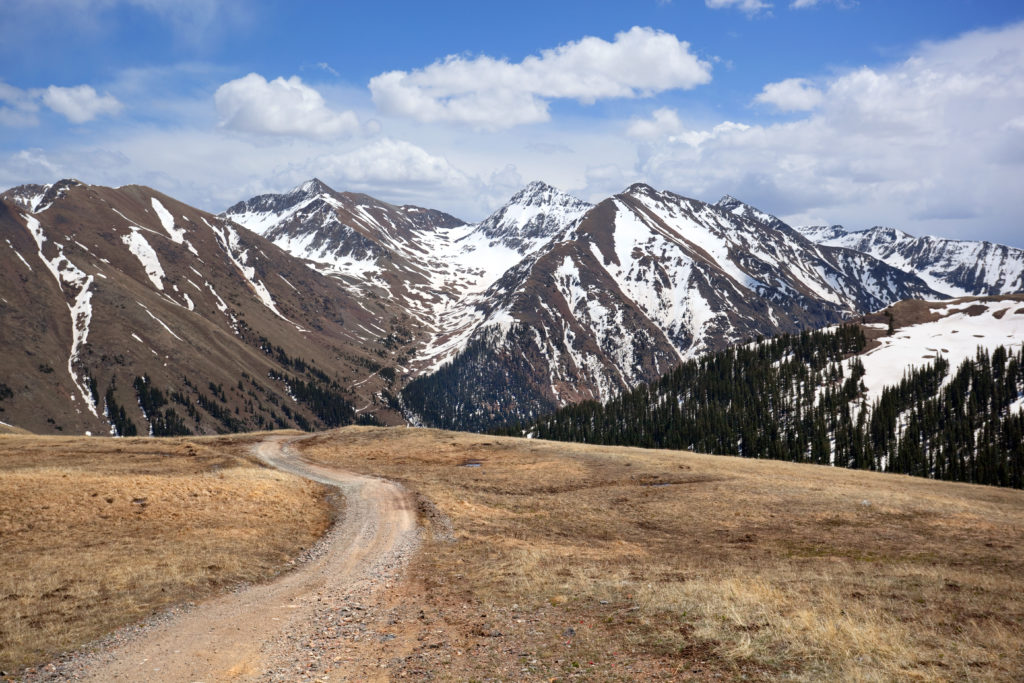
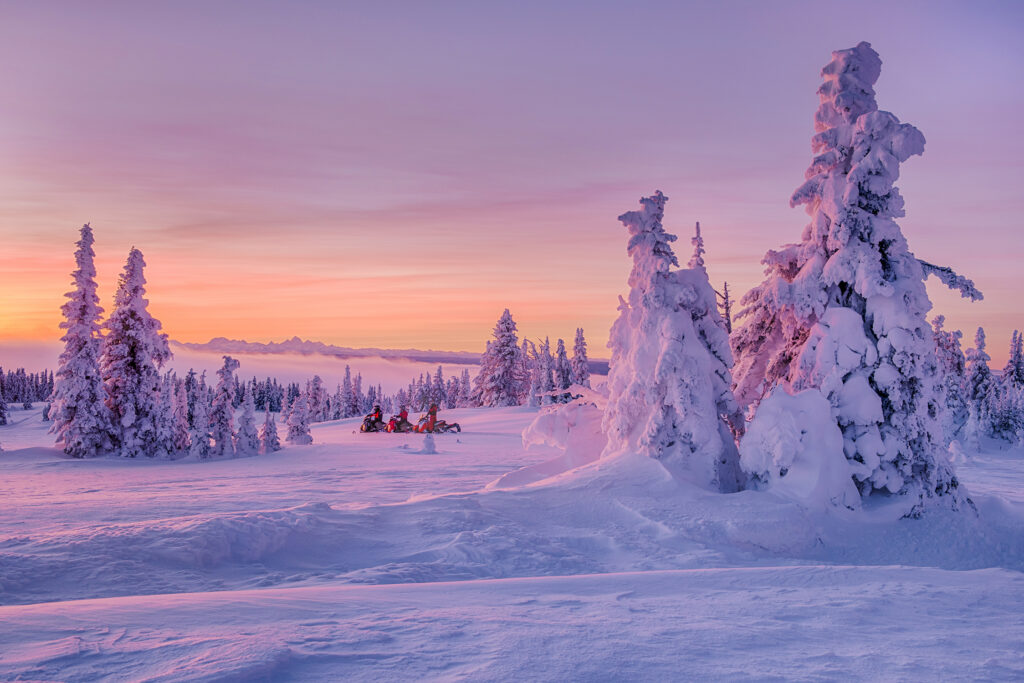
Once Trail Ridge Road closes, winter settles in fully in Rocky Mountain National Park. Frozen alpine lakes, elk herds moving through snowy valleys, and wide-open silence define the season in this high elevation heaven. There’s epic backcountry and cross-country skiing in the area, but what’s even more exciting is that most of the 350 miles of trails for hiking are still traversable in the winter, especially if you’re willing to snap on some Yaktrax.
Ken Takata
Yellowstone National Park
Winter is when Yellowstone is well-known for good reason. Steam rises from geysers into icy air, snow blankets the landscape, and the area’s famous wildlife like bison and wolves remain active against the stark terrain. Limited access by snowcoach or skis keeps the experience deliberate and unforgettable—and most importantly, less trafficked by tourists. It truly feels like a winter wonderland made just for you.
Courtesy of Heather N. Thompson
Grand Teton National Park
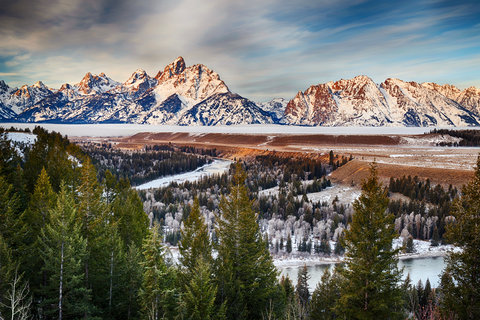
The Tetons are backcountry central this time of year, but even if you aren’t a snow sports enthusiast there’s plenty to do. Think horseback riding, wildlife viewing of elk, bison, and moose, and snowshoeing to incredible landscapes that are just begging to be photographed. The park’s proximity to Jackson offers a comfortable base for experiencing this striking alpine landscape, including some Sunset Travel Award-winning stays.
Greg Probst / Corbis
Olympic National Park
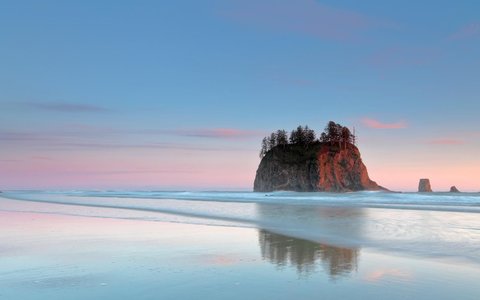
There’s hardly a bad time of year to visit the Pacific Northwest if you’re into moody views and brooding coastlines, but the winter reveals Olympic’s rare range—snow in the mountains, mist in the rain forest, and stormy beaches along the Pacific coast. It’s a season defined by contrast, where mossy trails of the Hoh Rain Forest, empty shorelines at Rialto, and snowy viewpoints at Hurricane Ridge coexist in one park.
The Latest