
Delicious Lavender
A grower’s guide to caring for—and cooking with—this fragrant summer flower
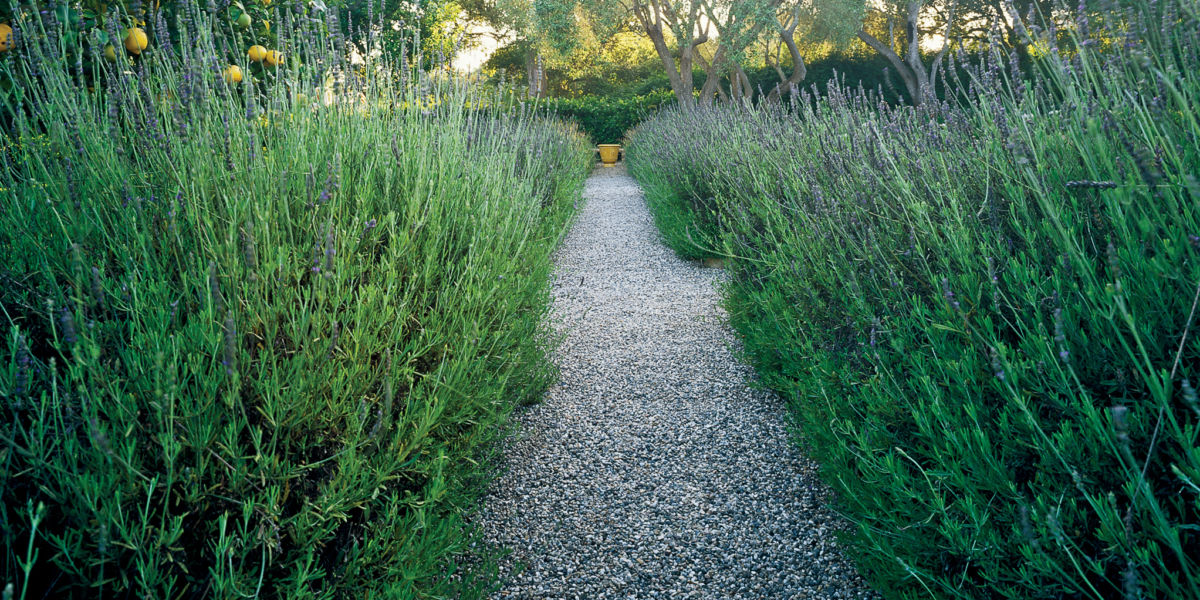
Steven Gunther
More: Easy Summer Flowers
By Renee Shepherd
I’ve always felt a special affinity for lavender. Its heady sweet scent is my favorite floral perfume, and the soft color of the blossoms and the gray-green of the foliage are highlights in my garden.
I indulged my lavender fantasies by planting a 50-foot-long solid row along one side of my driveway. Throughout late June and July, this classic mounding hedge is truly glorious―with rich color and a fragrance that brings pleasure to the entire neighborhood―and it yields dozens of sweet-scented bouquets.
Your guide to planting, care, and harvesting lavender
Like many edible flowers, lavender is a time-honored cooking herb; its culinary use dates back to the Middle Ages. I love connecting with these centuries-old traditions, while finding new ways to flavor foods with the spicy blooms.
While grilling pork and lamb on the barbecue during a recent dinner party, I threw a handful of flowers and stems onto the fire. As the lavender burned, it sent up an aromatic plume of smoke that spiced the air with earthy perfume. I put the lid on the grill and let the smoke infuse the meat for about five minutes. My guests loved the beautifully subtle flavor.
The best lavenders for cooking are the sweetest-scented kinds―for example, classic English lavender, Lavandula angustifolia (sometimes sold as L. officinalis or L. vera).
This 2- to 3-foot-tall mounding subshrub with gray-green foliage has beautiful long spikes of richly colored florets. Compact varieties of L. angustifolia that have good culinary qualities include ‘Munstead’ (1½ feet tall) and ‘Lady’, a fast-blooming variety that grows just a foot tall.
More on the varieties
‘Hidcote’, another fine cooking lavender, is semidwarf (1½ to 2 feet) with captivating deep violet-blue flower spikes and a richly fruity fragrance.
L. intermedia, currently the plant of choice for French perfume makers, has an intense, complex fragrance that is great in the kitchen. Varieties to look for include ‘Provence’ and ‘Grosso’. These vigorous plants reach 3 feet tall with exceptional canopies of bloom.
For grilling, I add fresh or dried lavender flowers, stems, and leaves to the white-ashed coals during the last five minutes of cooking to give a mild but smoky aroma to lamb, pork, or salmon steaks. I often substitute fresh lavender for rosemary in savory dishes, too―using twice as much lavender as the prescribed rosemary.
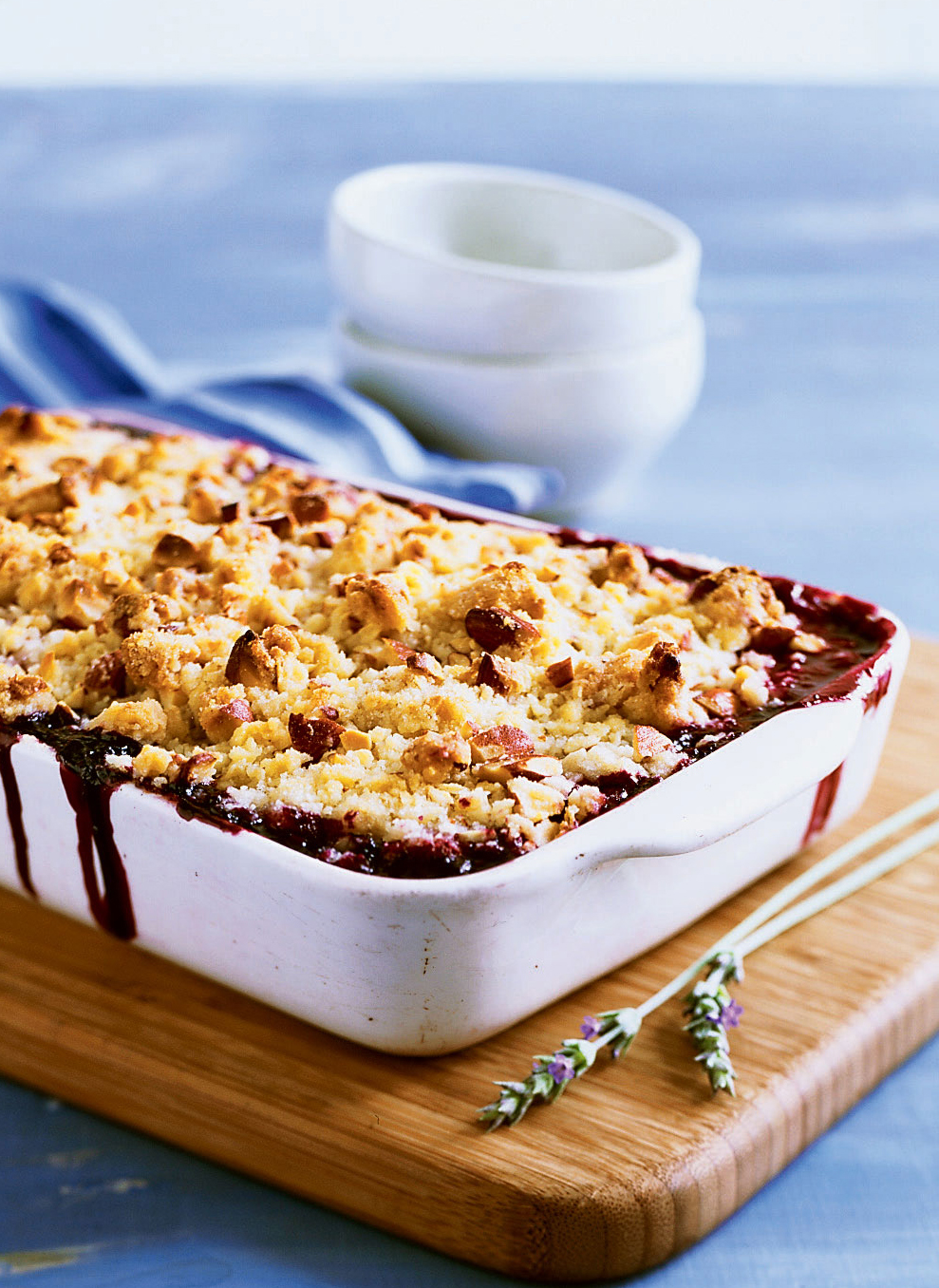 Lavender cookies. Add 1 to 2 tablespoons of finely chopped lavender flowers to a favorite sugar cookie or shortbread recipe.
Floral honey. Steep 4 teaspoons of chopped lavender flowers for an hour in a cup of warm honey with a tablespoon of lemon or lime juice. Reheat the honey until it is liquefied, then strain out the lavender. Drizzle the flavored honey onto fresh toast that’s been spread with sweet butter or cream cheese.
Lavender marinade. Combine chopped fresh or dried lavender with lemon juice and olive oil as a rub for pork or lamb. Marinate the meat in this mixture for several hours before grilling.
Lavender cookies. Add 1 to 2 tablespoons of finely chopped lavender flowers to a favorite sugar cookie or shortbread recipe.
Floral honey. Steep 4 teaspoons of chopped lavender flowers for an hour in a cup of warm honey with a tablespoon of lemon or lime juice. Reheat the honey until it is liquefied, then strain out the lavender. Drizzle the flavored honey onto fresh toast that’s been spread with sweet butter or cream cheese.
Lavender marinade. Combine chopped fresh or dried lavender with lemon juice and olive oil as a rub for pork or lamb. Marinate the meat in this mixture for several hours before grilling.
Favorite recipes
Lavender custard for fruit tarts. Start with a favorite recipe for custard but infuse the warmed milk with ¼ cup of chopped lavender flowers for each 2 cups of the liquid. Steep the mixture for an hour or two, then strain out the lavender before proceeding with the custard recipe. Fill tart shells with the custard, and top the custard with fresh fruit.