Here’s What to Plant and Prep Right Now for a Thriving Fall Garden
Extend your harvest with these easy planting strategies.
Gina Sabatella Photography for Farmscape
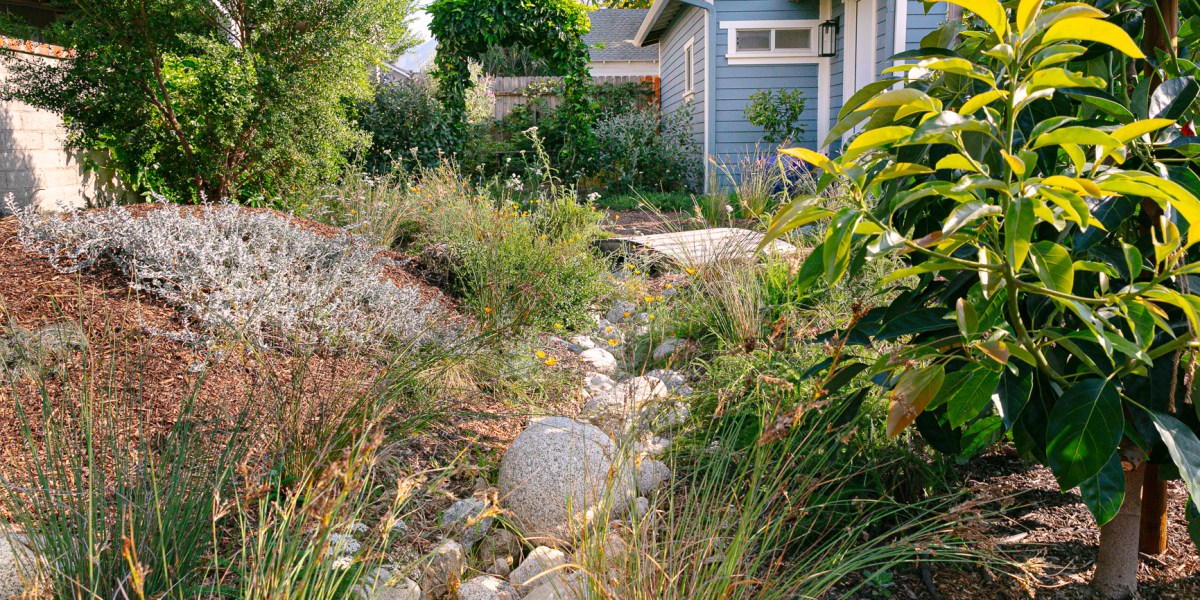
Just when you thought summer was winding down, your garden still has one more big act in store. Out West, August and September are the sweet spot for a “second summer” planting—the perfect time to refresh tired soil, slip cool-season crops into veggie beds, tuck herbs and pollinator plants beneath fruiting trees, layer abundance into food forests, or sow one last round of cut flowers. Whether you’re working with a balcony full of pots, a thriving backyard plot, or a multi-layered edible landscape, this is your green light to keep planting, harvesting, and savoring your outdoor space. Think of it as your garden’s encore performance—with kale, carrots, figs, and late-season blooms taking center stage.
1. Don’t Clear Your Beds Yet

Thomas J. Story
Hold off on that big end-of-summer tear-out. Those tomato vines might look tired, but many crops still have life left. Clear only what’s truly spent, then slip in fall seeds or starts in the gaps. This patchwork approach means you’re harvesting summer squash one day and baby spinach the next. In other words, keep what’s still producing and work around it. Those last tomato clusters? Let them ripen while you tuck quick growers in between.
- Edibles: Plant baby spinach, mustard greens, or arugula between still-growing peppers and tomatoes.
- Fruiting trees: Underplant citrus with cool-loving herbs like cilantro or dill.
- Cut flowers: Sow short-season zinnias or cosmos for a final burst before frost.
2. Understand Late Summer Soil & Climate
Thomas J. Story
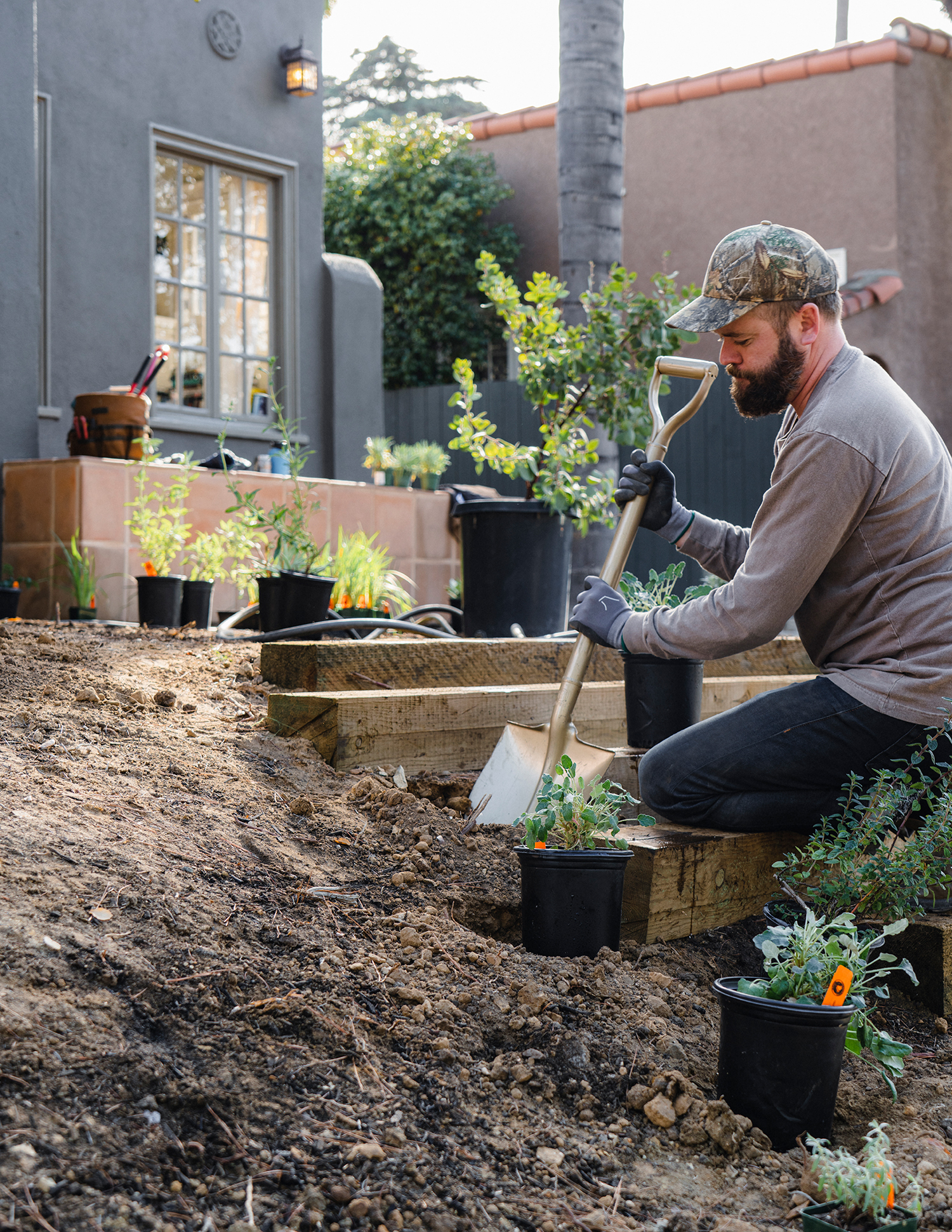
Western gardeners have an edge here: August’s warm soil helps seeds germinate quickly, while lengthening nights and cooler evenings make for stronger, sweeter crops. In coastal zones, foggy mornings reduce heat stress; in the Southwest, planting just after monsoon rains can jumpstart growth without constant watering.
- Edibles: Plant carrots (‘Nelson’), beets (‘Chioggia’), kale (‘Dwarf Blue Curled’).
- Fruiting trees: Transplant early ripening figs (‘Desert King’), late peaches (‘O’Henry’).
- Cut flowers: Go for a last round of sunflowers (fast-maturing varieties like ‘Italian White’) for late pollinator support.
3. Prep Your Beds with Nutrients & Mulch
After a long summer season, your soil’s pantry might be running low. Work in compost or well-aged manure, then mulch with straw, shredded leaves, or even grass clippings to keep moisture in and roots cool. If you’re container gardening, replace the top few inches of soil and refresh with an organic fertilizer.
- Edibles: Sow lettuce mixes (‘Buttercrunch,’ ‘Red Oak Leaf’), radishes (‘French Breakfast’).
- Fruiting trees: Refresh soil under apples and pears with compost to support next year’s bloom.
- Cut flowers: It’s prime time to plant sweet peas in mild-winter zones; start them now for spring color.
4. Plant Cool-Season Vegetables
Thomas J. Story
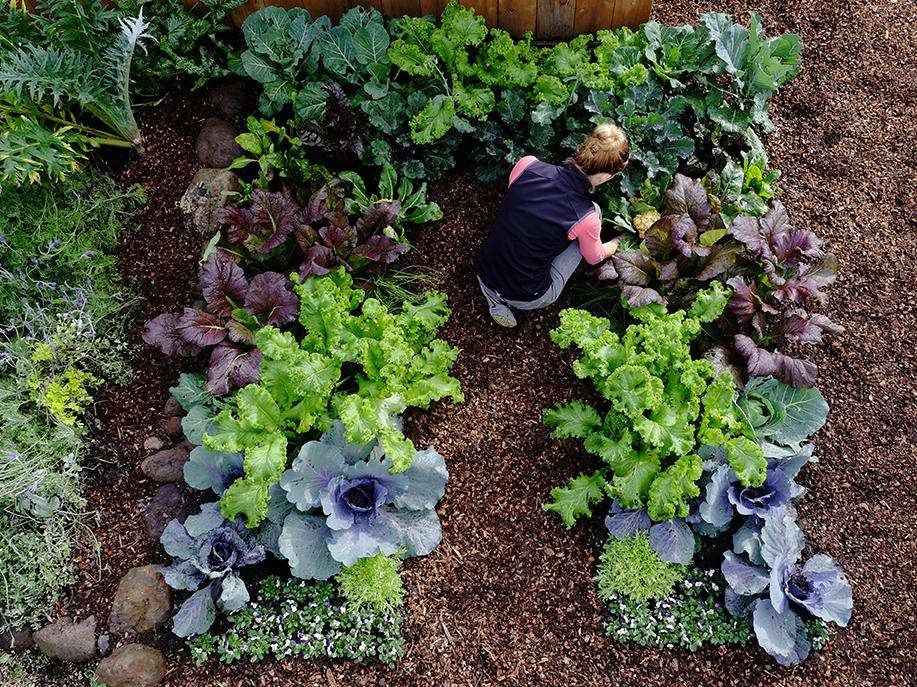
This is your moment for leafy greens, brassicas, and root crops that thrive in cool weather. These crops not only handle dropping temperatures, they actually taste better after a light frost—think sweeter carrots, crisper kale, and more tender broccoli heads. The key is to get them in the ground now so they have time to establish while the soil is still warm, setting you up for a harvest that stretches well into the cooler months.
- Leafy greens: Kale (‘Dwarf Blue Curled’), spinach, arugula.
- Brassicas: Broccoli (‘Di Cicco’), cauliflower, cabbage (‘Red Acre’).
- Root veggies: Carrots (‘Nelson’), beets (‘Chioggia’), radishes (‘French Breakfast’). For faster results, look for starter plants at local nurseries, especially for broccoli and cauliflower, which can be slow from seed.
- Fruit: Bare-root strawberries (for spring fruit) in cooler regions.
- Cut flowers: Calendula (‘Resina’) for edible petals and pollinator value.
5. Use Heat-Wise Planting Techniques
Yes, you can plant cool crops while it’s still hot—just give them the VIP treatment. Plant in the late afternoon or early evening to avoid scorching seedlings, water deeply at planting, and consider shade cloth, floating row covers, or even a strategically placed patio umbrella until temps cool.
- Edibles: Spinach (‘Bloomsdale’), bush beans (‘Provider’) for quick fall crops.
- Fruiting trees: Protect young citrus transplants with temporary shade cloth.
- Cut flowers: Dahlias—plant tubers now in frost-free areas for late blooms.
6. Practice Succession Planting

Thomas J. Story
Want a steady stream of lettuce for your fall salads? Plant small amounts every 1–2 weeks rather than all at once. Mix varieties with different maturity dates—like quick-maturing ‘Buttercrunch’ alongside slower-growing romaine—for a layered harvest.
- Edibles: Lettuce (‘Little Gem’), bok choy (‘Toy Choy’), turnips (‘Hakurei’).
- Fruiting trees: Interplant shallow-root herbs like parsley or thyme beneath figs or persimmons.
- Cut flowers: Scabiosa (‘Black Knight’) for fresh cutting through fall.
7. Rotate Crops to Protect Soil Health

Thomas J. Story
If your summer beds grew tomatoes, peppers, or eggplants (nightshades), avoid planting them or their relatives in the same spot this fall. Instead, swap in nitrogen-fixing peas or beans, or leafy greens. Crop rotation keeps pests guessing and soil in balance.
- Edibles: Follow summer tomatoes with peas (‘Sugar Snap’) to replenish nitrogen.
- Fruiting trees: Rotate underplantings—swap basil for cool-season cilantro or chervil.
- Cut flowers: Replace tired annuals with nitrogen-fixing cover crops like crimson clover (pretty and pollinator-friendly).
8. Manage Late Season Pests Organically
Aphids, cabbage loopers, and flea beetles can linger into fall. Use row covers to keep moths from laying eggs on brassicas, blast aphids with a strong stream of water, and encourage beneficial insects by planting nectar-rich blooms like alyssum or calendula nearby.
- Edibles: Pair brassicas with nasturtiums nearby to distract aphids.
- Fruiting trees: Tuck marigolds under citrus to deter whiteflies.
- Cut flowers: Add alyssum and calendula to attract hoverflies and ladybugs.
9. Add Late-Season Herbs & Pollinator-Friendly Flowers
Thomas J. Story
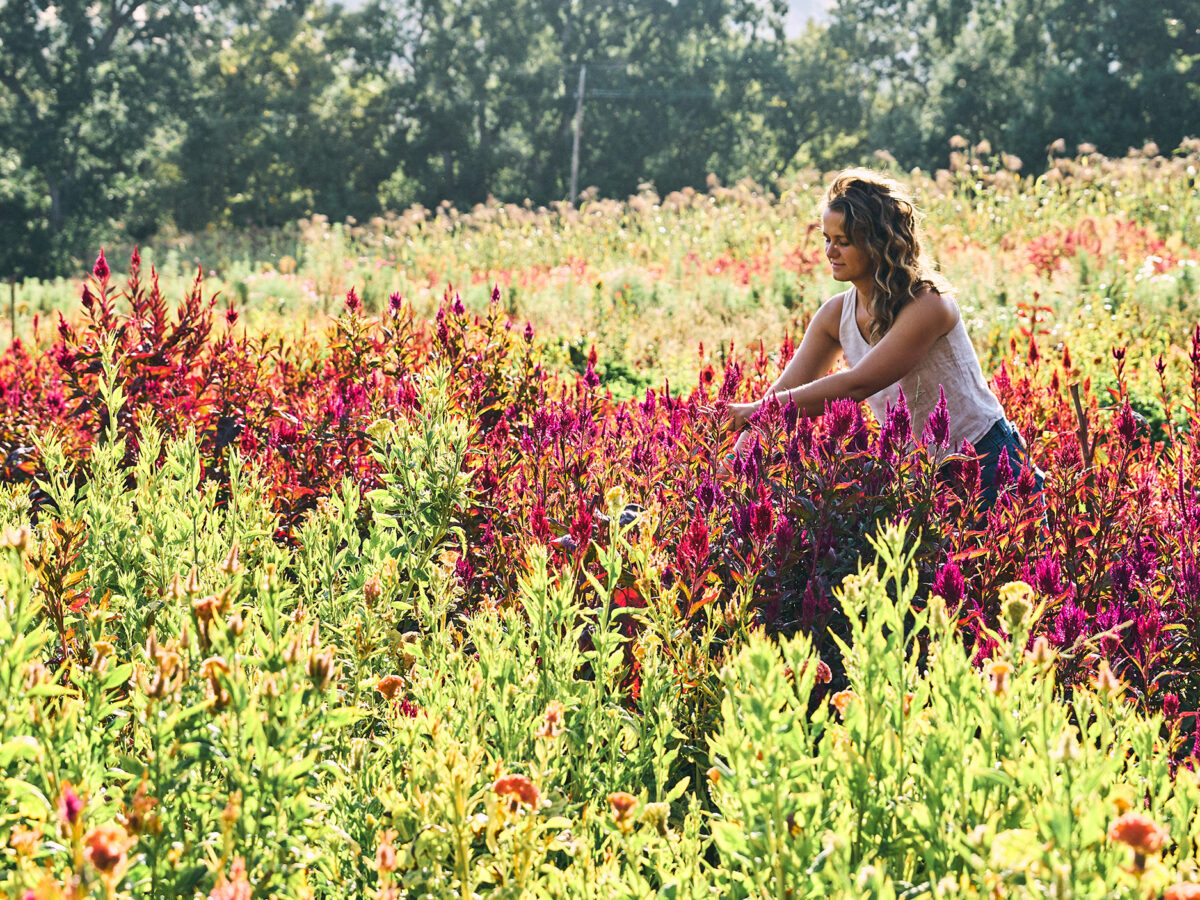
Herbs like cilantro, parsley, dill, and chives thrive in cooler temps and add fresh flavor to fall cooking. Pair them with flowers like asters, coreopsis, or echinacea, which keep pollinators active and your garden vibrant well past summer’s end.
- Edibles: Plant cilantro, dill, parsley, chervil.
- Fruiting trees: Add lavender or rosemary near orchard borders for pollinators and pest control.
- Cut flowers: Consider asters, rudbeckia, and chrysanthemums for fall color and bee forage.
10. Plan Ahead for Continuous Fall Success
Map out your planting calendar now so you’re not scrambling for seeds. In mild winter regions (Zones 8–10), you can plant right through October and beyond. In cooler areas, consider using cold frames, cloches, or even a simple greenhouse to keep things going.
- Edibles: Overwintering onions (‘Walla Walla’), garlic (‘Music’), fava beans.
- Fruiting trees: Pomegranate (‘Wonderful’) and persimmon (‘Fuyu’) for late-season harvest.
- Cut flowers: Overwinter ranunculus or anemone corms in mild climates for spring bloom.