Revive Your Herb Garden: 10 Ways to Deal with Bolted and Heat-Stressed Plants
From pruning and seed saving to replanting for fall, these smart seasonal strategies will help you refresh your garden goals.
Thomas J. Story
Don’t write off your herb garden just yet. Sure, your basil might look more like a suffering sprig than a beautiful bushel, and your cilantro’s doing its best impersonation of a wildflower meadow. But this isn’t the end—it’s just the seasonal plot twist. With a little attention (and maybe a pair of snips), you can coax your herbs back into action or pivot toward a fresh, cool-season chapter.
Here’s how to reset your herb garden for fall—whether you’ve got a full raised bed, a kitchen window ledge, or just a pot or two hanging on through the heat.
Thomas J. Story
1. Prune Back (But Don’t Pull Yet)
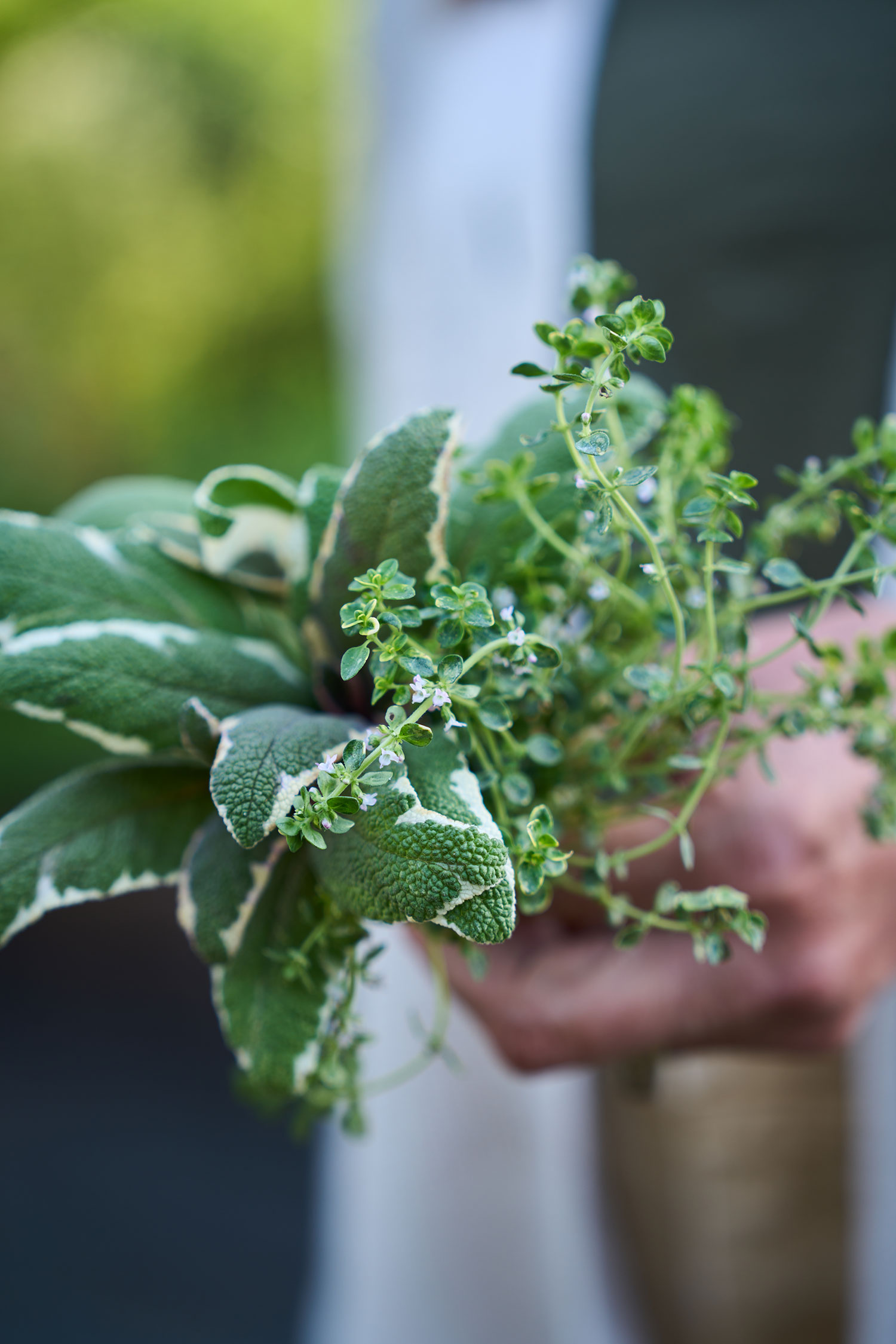
When herbs bolt (a.k.a. go to flower), it’s their way of saying: “I’m done now.” But before you rip them out, try giving them a good haircut. Herbs like basil, mint, oregano, and thyme can bounce back with a fresh flush of foliage if you trim just above a healthy leaf node. The goal is to redirect their energy back into leaf production—not seed making.
Even if the flavor starts to mellow, you’ll get a few more usable harvests. For basil, be especially bold. Don’t be afraid to take it down by half—you’re not hurting it; you’re helping it regroup.
Tip: Make your pruning work double-time by throwing the cuttings into a quick herb salt, infused vinegar, or pesto you freeze in an ice cube tray for later.
2. Save Those Seeds
If your cilantro, dill, or fennel has already bolted, congratulations—you’re halfway to harvesting your own seed stock. Let a few plants ride out their life cycle and form seed heads. Once they dry and brown, snip them into a paper bag and let them finish curing indoors. Shake and store for your next planting round—or your spice rack.
You’re not just gardening here—you’re future-proofing.
Tip: Not all herbs make great seed savers, but cilantro (hello, coriander), dill, and fennel are especially rewarding. Bonus: The dried umbels also look great in a fall bouquet.
3. Swap out and Replant for Fall
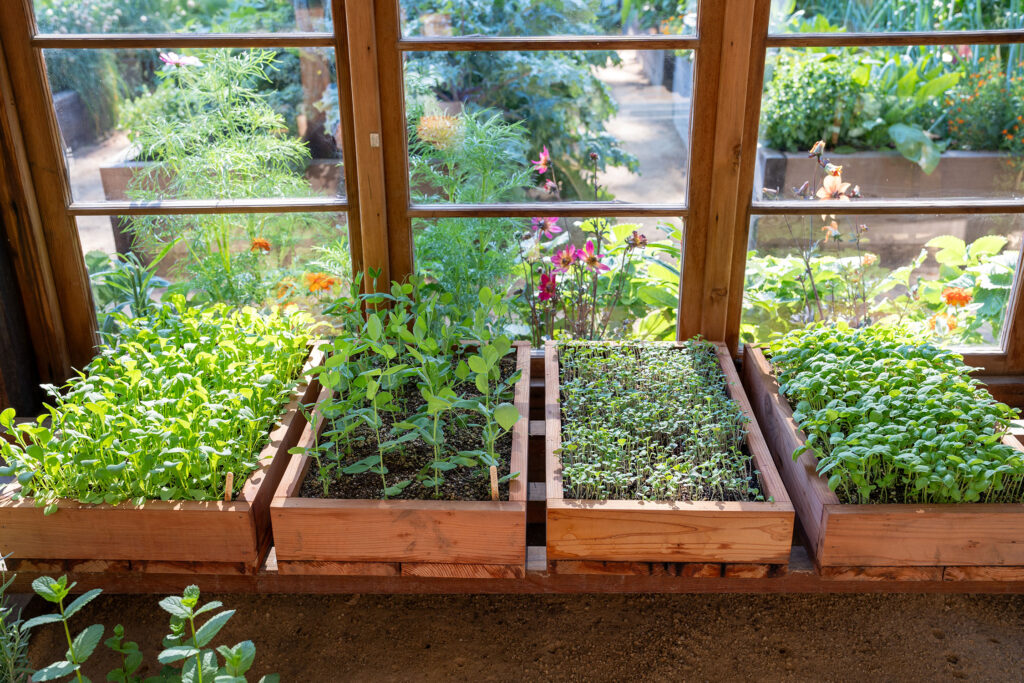
Heat-loving herbs like basil and Thai basil start to lose steam by early fall. Time to make room for cool-season heroes like parsley, cilantro, chervil, and dill. These thrive as the days get shorter and cooler, and they’re much slower to bolt this time of year.
Think of it like changing your pantry for fall recipes—your garden deserves the same seasonal refresh.
Tip: In Zones 7–10, cilantro does especially well when you succession plant every 2 to 3 weeks. Let one batch go while another takes over—it’s like tag-teaming your taco nights.
Thomas J. Story
4. Boost Beds with Compost and Mulch
Before you tuck new herbs into the soil, take a moment to revive your planting beds. Add a layer of compost to replenish nutrients and top with a light mulch to retain moisture and regulate temps. Summer sun can leach soil of its life force—think of compost as your garden’s electrolytes.
For containers, scrape off any dry crust and gently mix compost into the top layer before planting again.
Tip: Mulch isn’t just for looks. Use straw, shredded bark, or even pine needles to keep moisture in and weeds out while your fall herbs settle in.
5. Try Container Gardening for a Quick Win
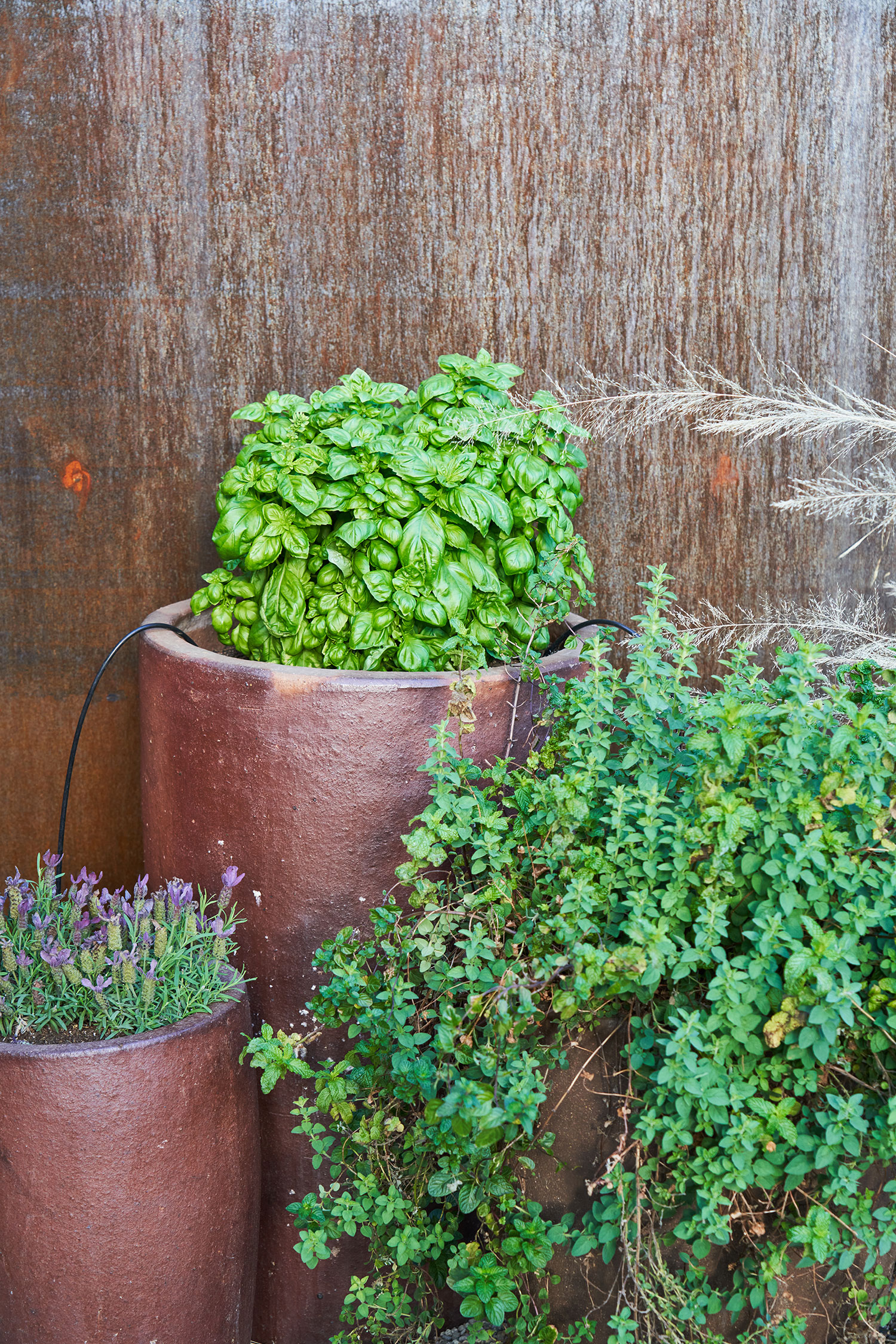
Containers are the perfect reset button. You can control soil quality, move them with the sun, and shelter them if temps drop. Plus, who doesn’t love a cute kitchen garden setup?
Start fresh with herbs that fit your cooking style: sage and rosemary for roasts, parsley and chives for garnish, cilantro for fall soups and tacos. Place them where you’ll actually use them—close to the kitchen or grill.
Tip: No room? No problem. One deep window box can fit parsley, thyme, and chervil—enough to keep your fall meals dressed and seasoned.
Thomas J. Story
6. Let Herbs Flower for Pollinators
Even if bolted herbs are past their prime on your plate, they’re absolute gold for pollinators. Bees love blooming basil, mint, oregano, and chives. If you can spare a few, let them flower—it’s a beautiful way to support wildlife while your garden transitions.
Tip: You can still tidy things up—cut back just before seeds drop to avoid herb babies popping up in unexpected places.
7. Start an Indoor Herb Kit
Try your hand at propagation! Snip healthy cuttings from basil, oregano, mint, or thyme and place them in a glass of water on a sunny sill. In a week or two, you’ll see roots forming—nature’s magic show. Once established, pot them up and keep your indoor herb game strong through winter.
Tip: This is also a great way to preserve special varieties (like lemon basil or pineapple sage) before cold snaps wipe them out.
Thomas J. Story
8. Plan Ahead with Perennial Herbs
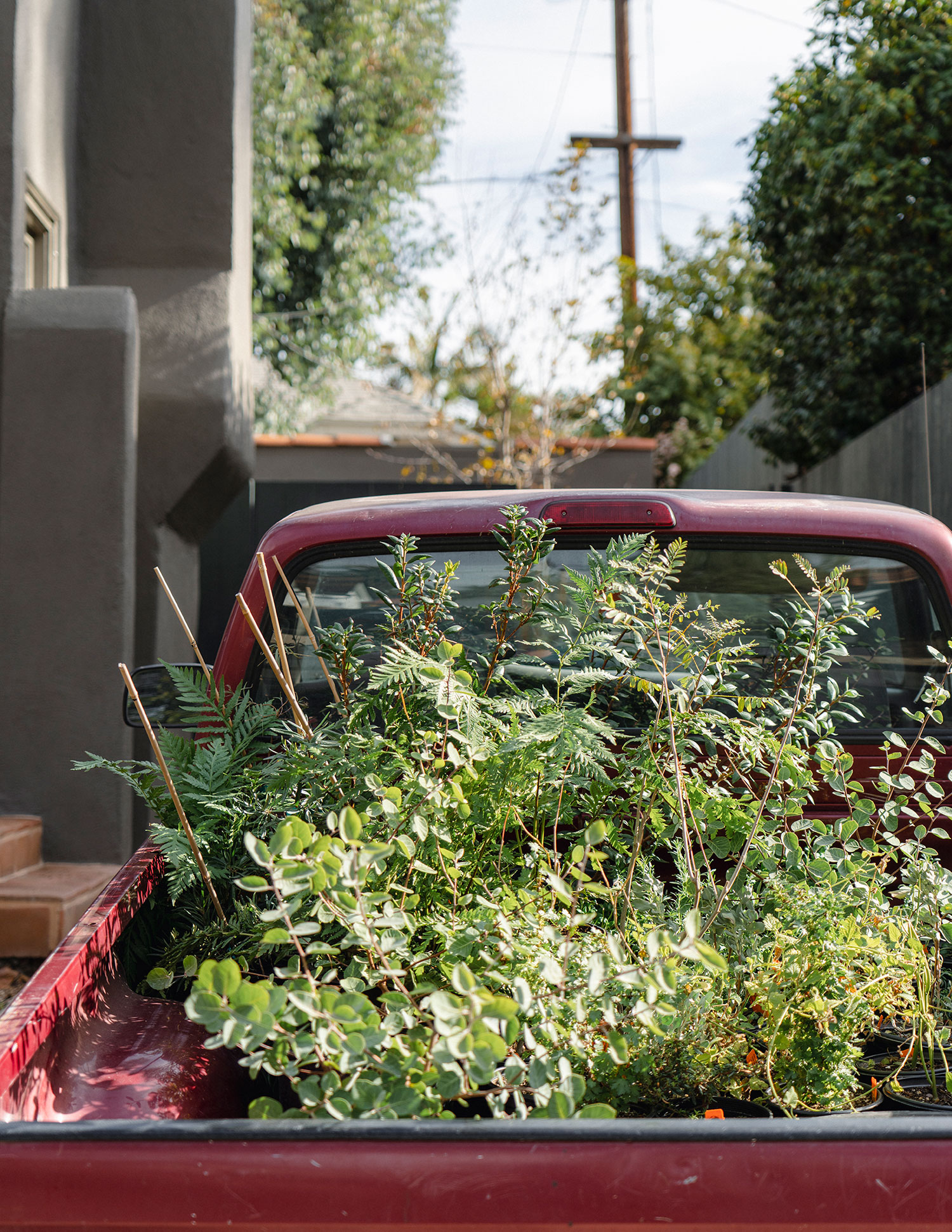
Fall is an ideal time to plant or divide perennial herbs like rosemary, sage, lavender, and thyme—especially in Mediterranean climates. These herbs like to settle in while soil is still warm but air temps are cooler, giving them a head start for spring.
Tip: Tuck these into well-draining spots and hold off on fertilizer. Let them focus on roots now, and you’ll have a lush, fragrant border come March.
9. Try a Second Round of Basil
If you’re in Zones 9–11, go ahead and sneak in one more planting of basil. With a little love and regular harvesting, you’ll get another solid month (or more) of harvests. The trick? Plant somewhere warm and sunny, and protect from early cold snaps with a row cover or by bringing containers in at night.
Tip: Smaller-leafed varieties like spicy globe basil tend to be more heat-tolerant and compact—great for patio pots.
10. Give Yourself Grace
If your herb bed looks like it just survived a dust storm—or your thyme’s turned into a brittle tumbleweed—you’re not alone. Herbs are forgiving, and gardening is an ongoing experiment. Every bolted stem is a chance to learn something new (and compost something old).
Keep going. Fall is a fresh start. And your herb garden still has plenty to give.