
7 Ways to Grow, Gift, and Garnish Herbs for the Holidays
Winter isn’t a time to put your garden on pause. From fragrant centerpieces to edible gifts, herbs carry color, flavor, and life through the season.
Emely/Getty Images
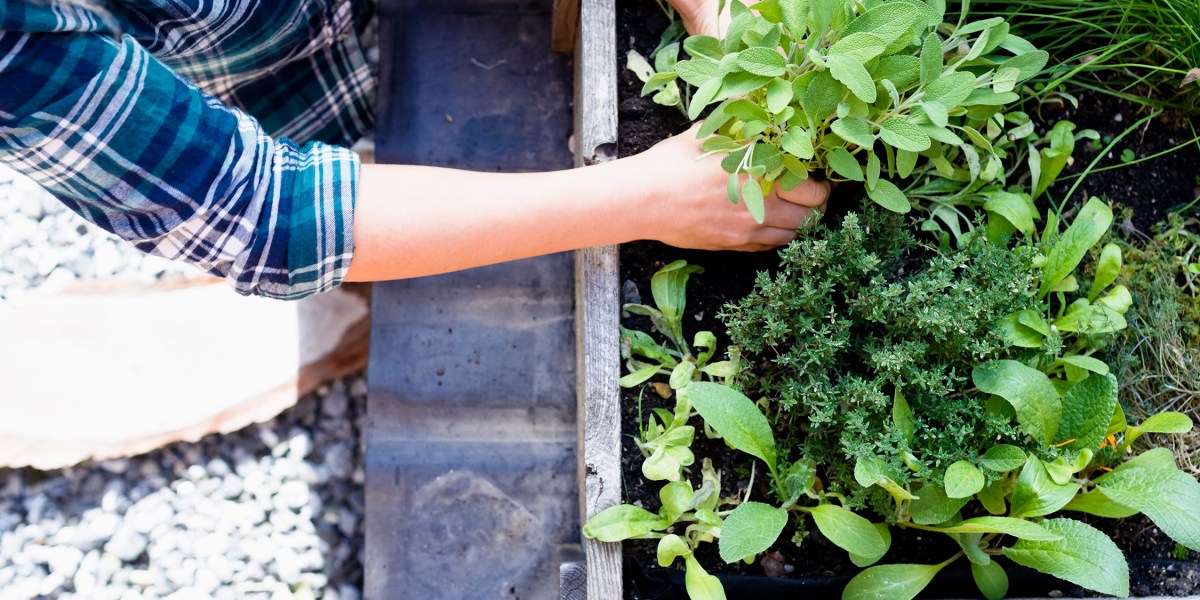
When the garden slips into its winter hush, herbs step forward as some of the most dependable, good-natured plants you can grow. Between December and January, when vegetables stall, perennials go bare, and most of the landscape feels like it’s catching its breath, herbs quietly keep things moving. They’re the green thread that carries your garden from one season to the next, offering fresh leaves to snip and small daily rituals that invite you outdoors even on chilly mornings.
Across the West, this is actually prime herb season. Cool-weather classics like parsley, thyme, chives, sage, and chervil relish lower temperatures, while hardy rosemary, oregano, and bay anchor beds that would otherwise look empty. Even container gardeners can keep the momentum going: a porch planter, kitchen windowsill, or patio trough can stay productive long after summer annuals have bowed out. This in-between moment is where herbs shine by adding life to dormant corners, providing functional greenery, and giving you the raw materials for everything from edible gifts to fragrant decor.
Read on for heirloom picks, and region-friendly tips to carry your garden (and your holiday table) through the winter transition.
1. Plant a Winter-Ready Herb Palette
Thomas J. Story
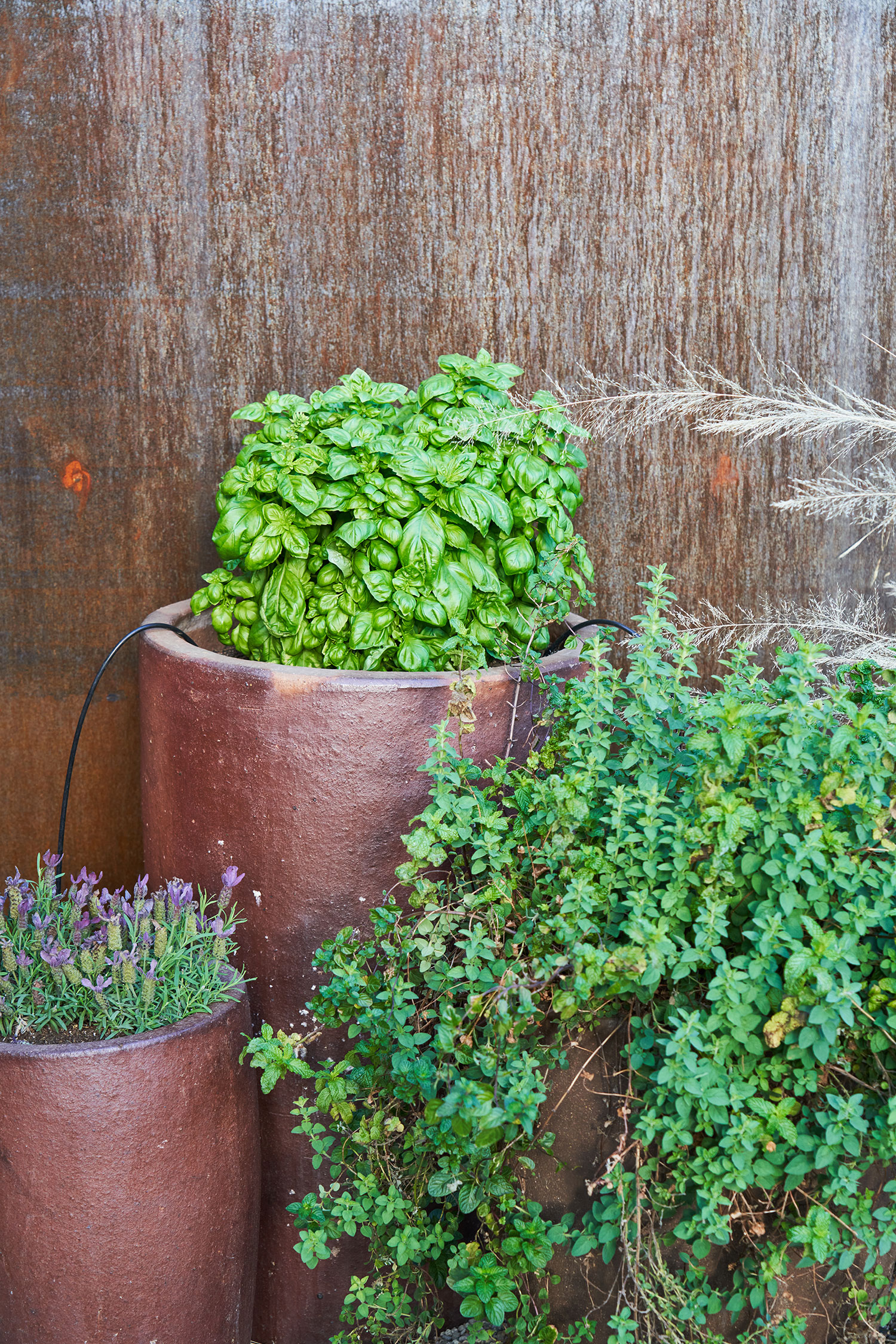
December is one of the West’s best-kept secrets for herb growing. While many plants pause, herbs hit their stride. Sturdy thyme, sage, chives, and flat-leaf parsley are reliable staples, and heirloom varieties often add a little extra character. Try ‘Giant of Italy’ parsley for generous leaves, ‘Berggarten’ sage for plush silver foliage, or ‘Provence Blue’ rosemary if you want something rugged yet elegant.
Regional Tips: Mild-winter areas (from coastal California to low-desert gardens) can push the palette even further with choices like cilantro ‘Slow Bolt’, dill ‘Bouquet’, and chervil. Inland and mountain gardeners may want to keep frost cloth handy, but don’t hesitate to plant; cool-weather herbs prefer a brisk chill over summer heat any day.
Containers: Refresh the soil and double-check drainage before winter rains begin. A few thoughtfully placed pots instantly extend the season and keep color in your landscape.
2. Start a Mini Indoor Herb Bar

Thomas J. Story
Indoor herbs serve as the bridge between your outdoor beds and your winter cooking, especially in the seasonal lull when you still crave something fresh. Choosing a compact type of Basil like ‘Spicy Globe’, mint, and chives make a cheerful trio on any windowsill. They’re forgiving, endlessly useful, and offer just enough green abundance to lift the mood on a gray day.
Growing Tips: Terracotta pots help manage moisture during this season, since indoor heating can dry out soil faster than expected. If your window light is limited, slim LED grow bars tuck neatly under cabinets or shelves and keep herbs productive through January. Harvest with intention: Snip above a set of leaves to encourage branching and stress-free regrowth.
3. Create a Living Holiday Tablescape
Thomas J. Story
Herbs make some of the most charming winter decor, especially in the quiet stretch between December and January when fresh foliage feels like a small luxury. A living centerpiece pulls double-duty: It’s a mini winter garden you can harvest from and a fragrant anchor for seasonal gatherings.
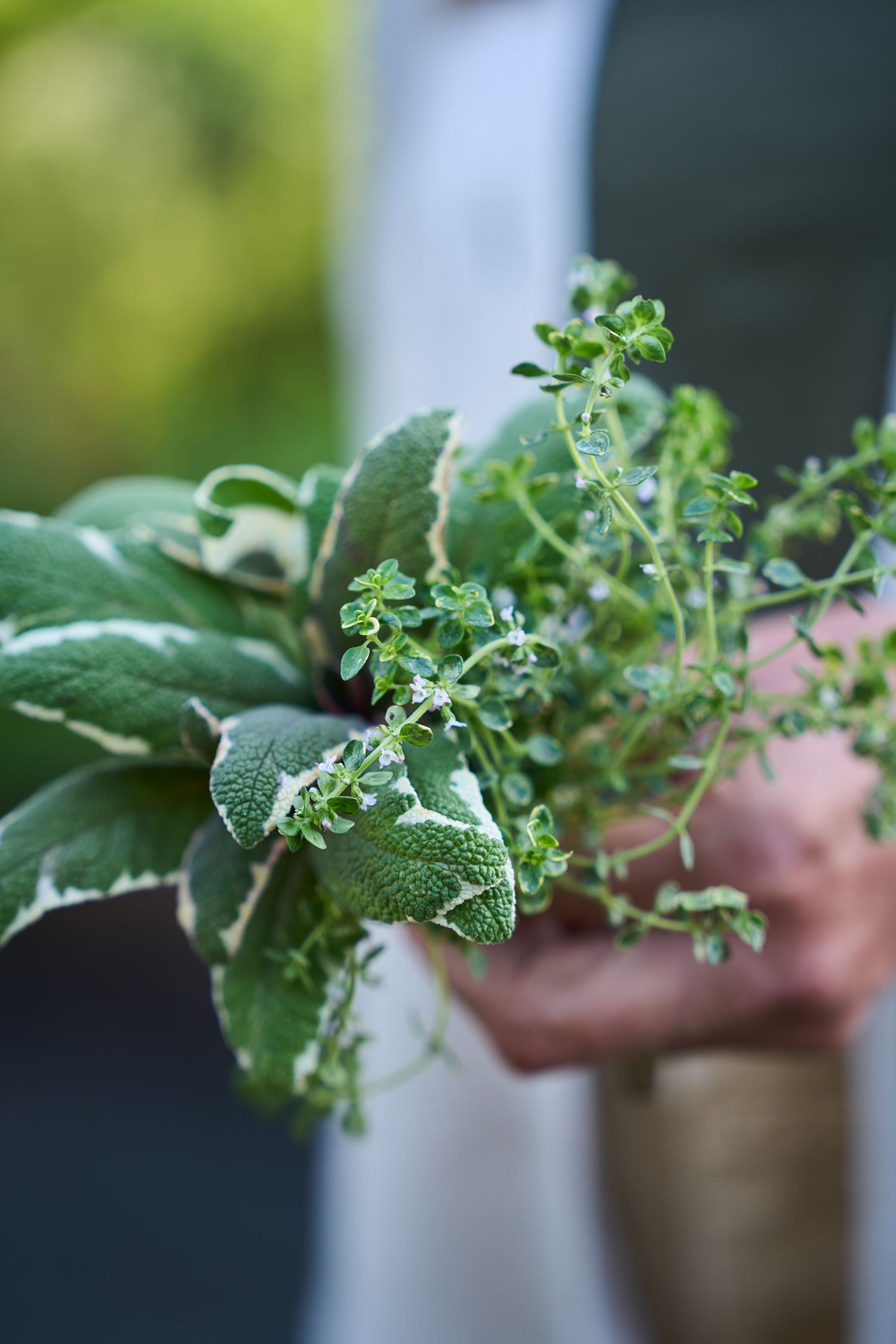
Start by building a “holiday herb planter” that feels like a tiny landscape. Use upright rosemary or dwarf myrtle for height, add variegated sage for softness, and let golden oregano or creeping thyme spill over the rim. Place the arrangement in a shallow bowl, wide clay dish, or vintage enamelware for a festive, unfussy look. Through the season, water sparingly and rotate the planter outdoors every few days for light and airflow, especially in coastal zones with dim winter days. Inland gardeners may want to bring it inside on freezing nights.
Styling Tips: To expand the idea beyond the centerpiece, weave herbs along the entire tablescape. Tuck sprigs of bay or lavender into napkin rings, drape a loose thyme garland across the table, or style small pots of chives or parsley between candles. These little touches offer quiet pops of green that bridge the gap between fall’s fade and spring’s return. Right before guests arrive, pinch a leaf or lightly brush your hand through the arrangement to release scent, making the table smell like a forest walk without overwhelming the meal.
4. Preserve the Season: Drying & Infusing Tricks
Eva-Katalin/Getty Images
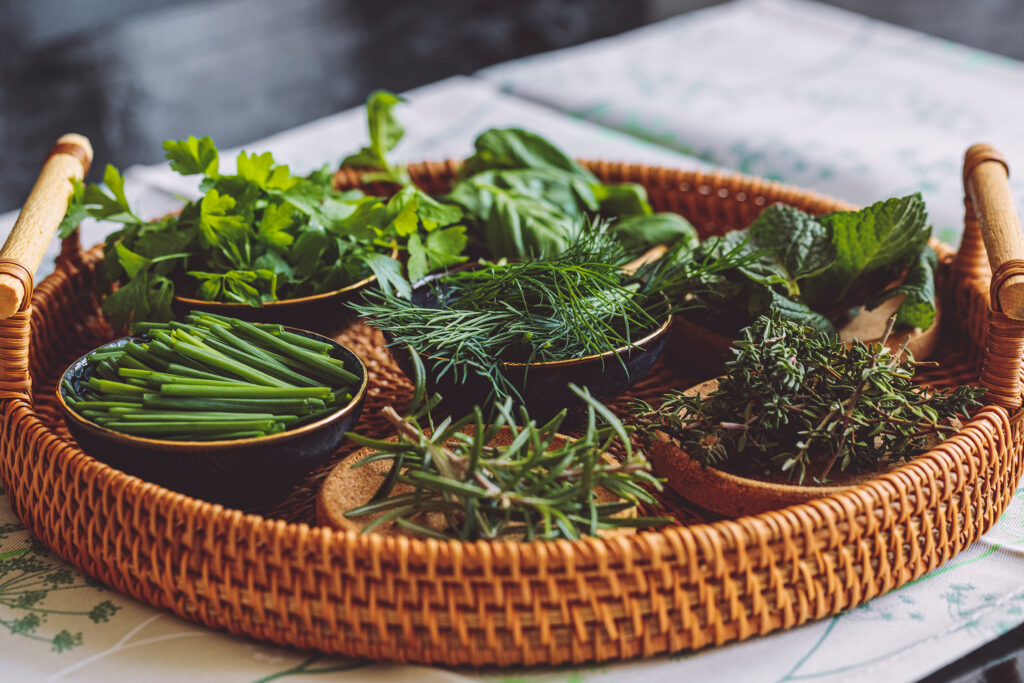
With herbs thriving while the rest of the garden slows down, winter is your chance to stock up. Air-drying bay, sage, and thyme creates versatile pantry staples that look beautiful as a bundled wreath hanging in the kitchen. In damp coastal climates, a low-heat oven or dehydrator keeps herbs bright and crisp rather than limp.
This is also a great time for infusions. Rosemary- or bay-infused olive oil, thyme-lemon finishing salt, or lavender-citrus sugar add personality to homemade gifts and elevate holiday cooking. Honey infused with ‘Greek Columnar’ basil or wild desert oregano is a simple project with huge payoff.
Store everything in airtight glass jars, label clearly, and stash in a cool cabinet to preserve color and aroma through spring.
5. Edible Gifts with a Local Twist
Thomas J. Story
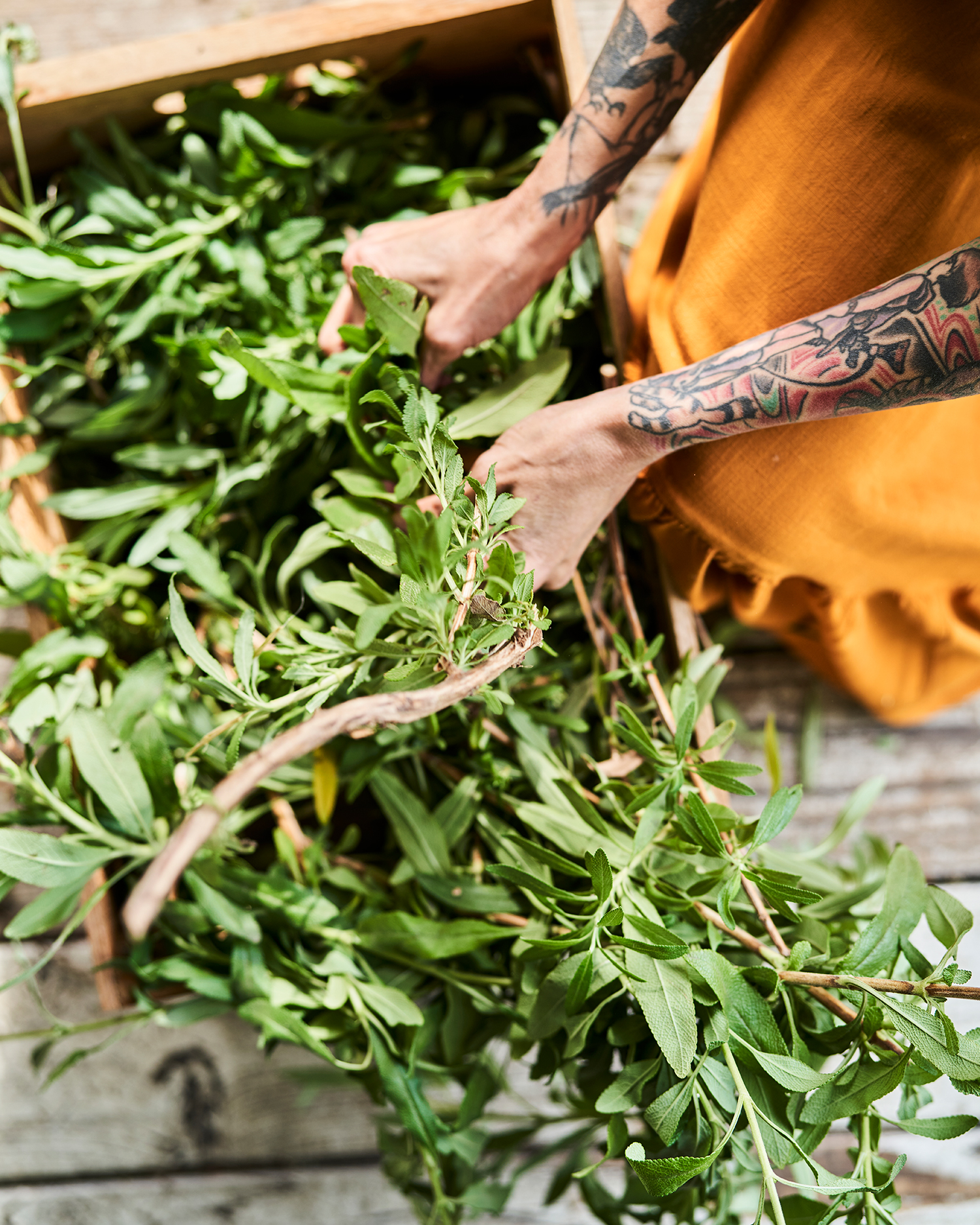
Herb gifts feel personal, seasonal, and rooted in place. Exactly the kind of thoughtful offering that fits a Western holiday.
Tie small dried bundles of heirloom varietals such as ‘Silver Edge’ thyme or sage to a bottle of wine or homemade loaf. Craft a trio of finishing salts or herb-infused olive oils, or mix up cocktail syrups like rosemary-pomegranate, lavender-citrus, or an anise-kissed version made with ‘Russian Tarragon’.
Foraged fragrance: To celebrate sense of place, incorporate regional materials: foraged manzanita twigs, juniper berries, or dried seed pods tucked into the packaging. These details connect the gift back to the season and the landscape, making for an easy way for winter herbs to carry a little West Coast magic into someone else’s home.
6. Winter-Proofing Your Herb Patch
Thomas J. Story
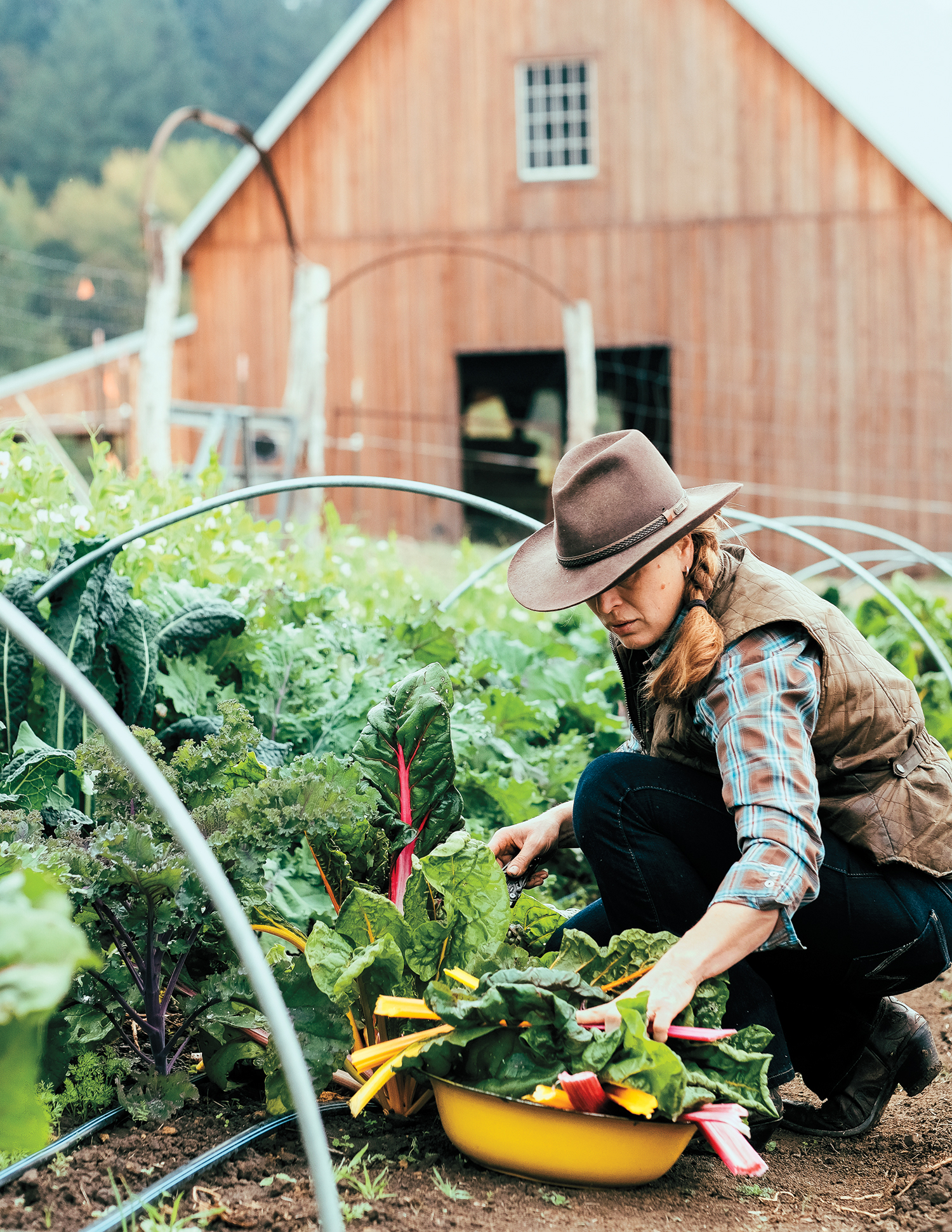
As the garden prepares for the coldest stretch, a little winter-proofing ensures herbs stay productive well past the holidays. Oregano, chives, thyme, and sage handle low temperatures with ease. Others, like basil and cilantro, need more protection so consider temporary frost covers or wind-shielded areas making for warmer micro-climates.
Mulch beds with shredded leaves to insulate roots and moderate moisture in both soggy PNW soils and bone-dry mountain climates. Use cloches or overturned jars on extra-cold nights, especially in high-desert regions. Put those shears down and save major pruning for spring; winter shaping should be light and thoughtful—if done at all.
7. Plan Ahead for Next Year’s Holiday Harvest

Courtesy of Amazon
December and January are planning months. While herbs keep you gardening through the seasonal transition, they also remind you that next year’s bounty starts now. Order heirloom seeds early so they are ready to sow in spring. Experiment with new-to-you varieties such as ‘Mammoth’ dill, ‘Fernleaf’ chervil, ‘Corsican’ mint, ‘Lemon Bergamot’ to add excitement to your patch.
Sketch out a simple timeline and keep a plant journal for notes: Start basil indoors in late winter, plant perennial herbs like thyme and sage in early spring for strong fall growth, and give rosemary and bay a gentle trim next September so they look lush in December.
These small steps keep the garden humming year-round. Even in its quiet season, herbs make sure there’s always something growing, something useful, and something beautiful at hand.
We only recommend things we love. If you buy something through our site, we might earn a commission.
The Latest