This Is the Secret to Choosing an Amazing Bottle of Wine
A behind-the-scenes look at what goes into your glass.
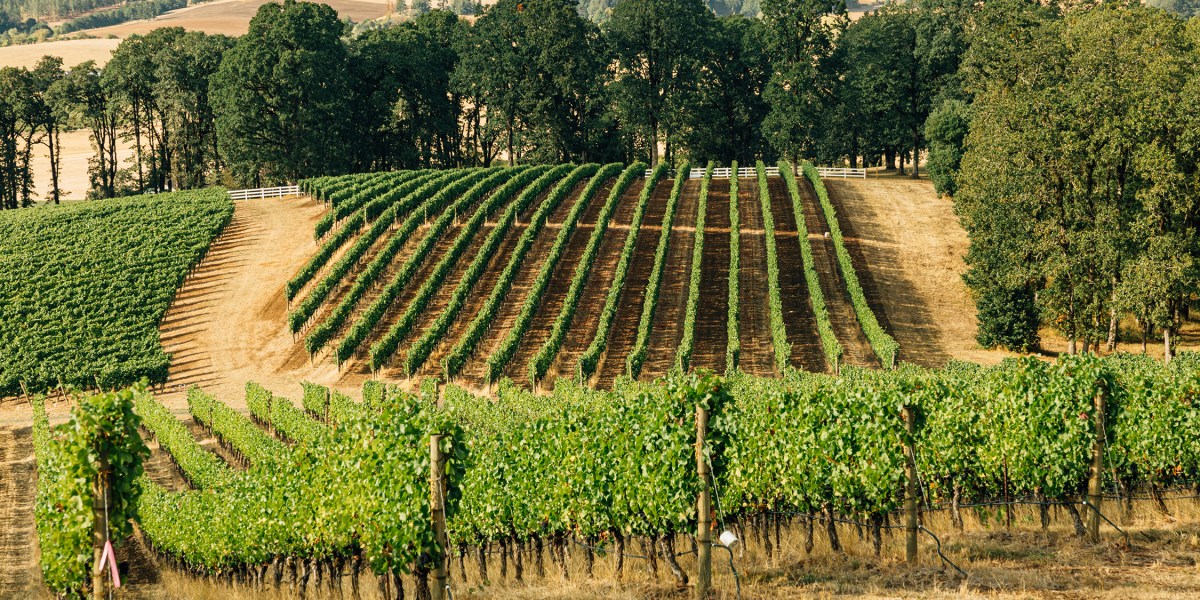
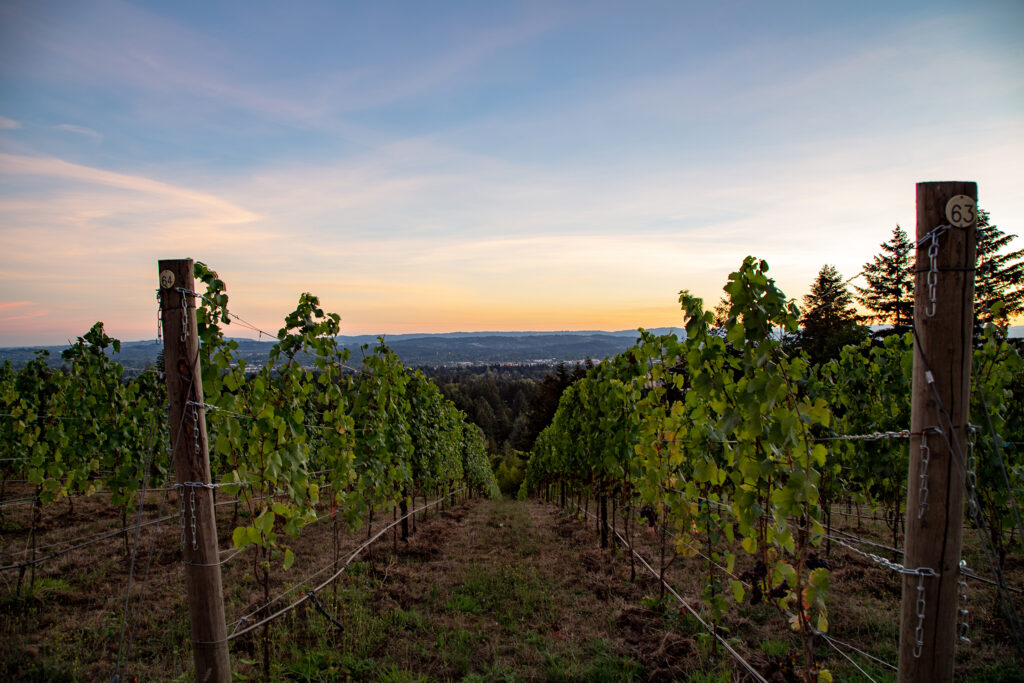
Van Duzer Vineyards; Photo by Jake Parrish Photography
What makes a bottle of wine truly spectacular? While aging your vino and finding the perfect pairing are excellent ways to elevate your beverage, it always comes back to the land. Or, as insiders call it, the wine’s terroir. Whether you’re enjoying a tasting in Napa or Sonoma or perusing the selections at your local wine shop, you might hear the term thrown around a lot. But what does terroir actually mean? How does it impact your wine? And, of course, the West Coast is known for its sublime wine, so what’s the terroir like over in our neck of the woods?
For starters, terroir is essentially a fancy, shmancy word for a vineyard’s growing environment. “It’s the summation of climatic effects on agriculture: Weather, soil, elevation,” explains Eric Misiewicz, winemaker at Van Duzer Vineyards in Oregon. “It greatly affects and changes the aromatic profile and texture of a wine.”
Of course, just like the microclimates in your city or town, terroir has a lot of range. “Napa Valley and Willamette Valley have different terroirs, but they can also be micro terroirs,” adds Morgan White, assistant winemaker at Amaterra Winery in Oregon. “A row in a vineyard can have a different terroir to another row in the same vineyard.”
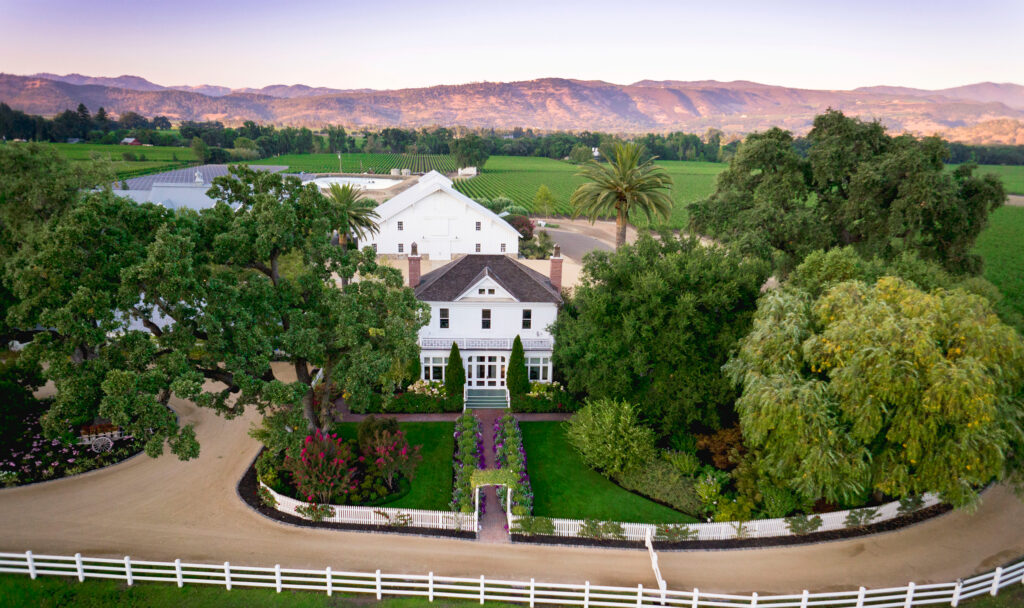
Courtesy of Nickel & Nickel Winery
More Videos From Sunset
These factors come together to provide a sense of place to the grapes you’ll find in your glass—creating a lesson in both history and horticulture. Did a vineyard experience more rainfall than normal? Was there a forest fire that made the area smokier? You’ll experience it all in your pour. For Nickel & Nickel, located in Napa Valley, the focus is on single-vineyard wines to bring an atmospheric edge to your happy hour.
“A mix of microclimates and soils is why vineyards a mile apart taste different,” says Joe Harden, Nickel & Nickel’s director of winemaking. “It’s so important to me to identify and farm the most expressive vineyard sites. You can taste the vineyard’s character and the varietal as it grows there in every Nickel & Nickel wine.”
It’s that amalgamation of elements that truly makes a wine shine—and can not be overshadowed by the finest French oak barrel or a brand-new grape crusher. “A common misconception about terroir is that winemaking overrides terroir,” White adds. “This can certainly be true in some cases, but while winemaking has an impact on the final wine, the terroir ultimately sets the foundation for the wine.” Misiewicz adds that it’s up to the winemaker to ensure each vintage is a “true expression” of the terroir.
Courtesy of Amaterra Winery
But, as the pros explain, one terroir isn’t equipped to handle every single varietal. Take Oregon, for example: While Misiewicz says the state is great for growing Pinot Gris, Chardonnay, Syrah, and Gamay Noir, the terroir in Oregon’s Willamette Valley is well suited for Pinot Noir.
“The cooling marine influence results in wines that retain aromatics and acidity levels reminiscent of what Oregon became known for,” “It also makes us a bit more climate-change-proof—it takes a lot to warm the Pacific Ocean!”
White agrees, and credits Willamette Valley’s soil for superb vino. “The clay and marine sediments are more nutrient dense and have a high water holding capacity so growers can dry farm, whereas in the Columbia Valley, the soils are sandy and have low water holding capacity,” she adds. “All of these factors—and more—influence the wines we produce.”
California’s Napa Valley might be known for its elite cabernets, but the expression will vary between the various American Viticultural Areas, or AVAs. “Oakville’s Sullenger clay loam tends to give cabernet a plusher core and classic structure,” Harden shares. “Yountville’s rocky, well-drained State Ranch brings darker fruit and firmer, coating tannin.”
So, how do you know which terroirs match your palette? Harden recommends doing a side-by-side tasting. “Pick the same grape and vintage from different vineyards or wineries and compare,” he explains. “Start with fruit, then texture, then finish. Jot a few plain notes like ‘red fruit and silky’ or ‘darker and firmer.’ Those become your palate benchmarks.”
And, remember, there are no wrong answers. “Trust yourself,” he says. “If it tastes good to you, it is.”