
5 Food and Dining Trends That Will Take 2026 by Storm
A slice of what’s to come.

nazar_ab/Getty Images
In a way, 2026 is like the next course at a fancy dinner. It’s new, it’s exciting, and if we’re being totally honest: We don’t totally know what to expect. After all, hot dogs and French cuisine might’ve been all the rage in 2025, but that doesn’t mean their popularity will carry on into the new year.
So, the question on the tip of everyone’s tongues: What’s on the menu for 2026? To whet your appetite, we asked several industry insiders to share the food and dining trends they think will be big in the new year. From celebrating marginalized cultures to screen-free restaurants, expect to see a focus on connection. “‘Craft’ is no longer about perfection,” says Janina O’Leary, executive chef and partner of George’s Donuts & Merriment in San Francisco. “It’s about authenticity.”
Go ahead, pull up a chair and chow down on these buzzy predictions. Trust us, you’ll be craving seconds.
1. Hyper-Cultural Cuisine
Admittedly, a great meal is the easiest (and most delicious) way to travel the world without leaving your hometown. But according to Emiliana Puyana, director of the Incubator Program at La Cocina in San Francisco, the new year will be an opportune time to learn more about the cultures on your plate. “This isn’t just about fun or exciting new flavors,” she says. “It’s about reclaiming and elevating dishes with deep cultural significance, highlighting techniques and ingredients that have been overlooked or marginalized.”
Puyana hopes 2026 will shine a spotlight on menus that elevate lesser-known ingredients and cuisines. Places like Wahpepah’s Kitchen in Oakland, where Crystal Wahpepah draws inspiration from her roots as an enrolled member of the Kickapoo Nation of Oklahoma. “Diners are increasingly drawn to foods that connect them to the roots of the ingredients, the histories of the communities that developed them, and the resilience of the people who created them—often in the face of hardship.”
2. Screen-Free Spaces
miodrag ignjatovic/Getty Images
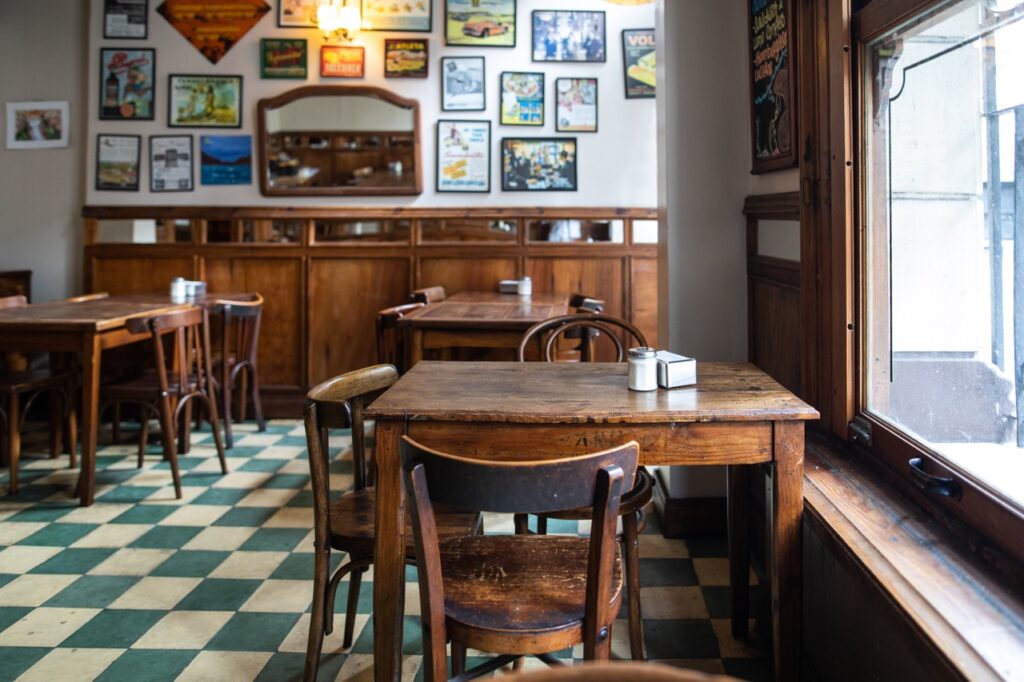
In an age when phones, tablets, and laptops are extensions of ourselves, a night out sans screens is more vital than ever before. Fortunately, Souvla’s Charles Bililies thinks we’re about to see a return of “old-school” restaurants. “People are craving human connection, a tech-free experience, and a throwback to all the trappings of dining in a bygone, old-school era,” he explains.
Instead, he hopes there will be an uptick in old-school steakhouses, and traditional, rustic European dining. “A greater emphasis on the overall aesthetic and experience,” he says. “Less novelty, more authenticity.”
3. Hello, Hospitality
“I know we’re all tired of talking about the pandemic,” says Adriano Paganini, CEO of hospitality group Back of the House. “But I’m feeling like we are finally seeing the end of bare-minimum, order-taking only service.” As owning and operating becomes more challenging and competitive, Paganini foresees a renewed emphasis on hospitality.
“I think there will be a focused attention on how guests feel,” he explains. “Genuine, welcoming hospitality, good pacing, problem-solving, authentic guest interaction, and the feeling of being taken care of.” (Fortunately, some West Coast restaurants have already hopped on this trend and offer thoughtful touches you can re-create at home.)
4. Value Buys
We’re not going to sugarcoat it: Dining out can get pricey. But, hopefully, 2026 can offer more budget-friendly bites. “With an uncertain economy, people will start to look at value,” predicts Peter Quartaroli, owner of Sam’s Grill in San Francisco. “The high-end world of dining and entertainment has seen great growth but my feeling is that there will be a correction with an emphasis on value.”
For Maz Naba, owner of Ilna, the secret to making meals more affordable may rest in the portion size. “The 10-ounce steak at $56 will potentially be served at five ounces for $28,” he explains. “People want to try more things but not to the detriment of their wallets.”
5. A Meaty Comeback
Ali Waxman/Getty Images
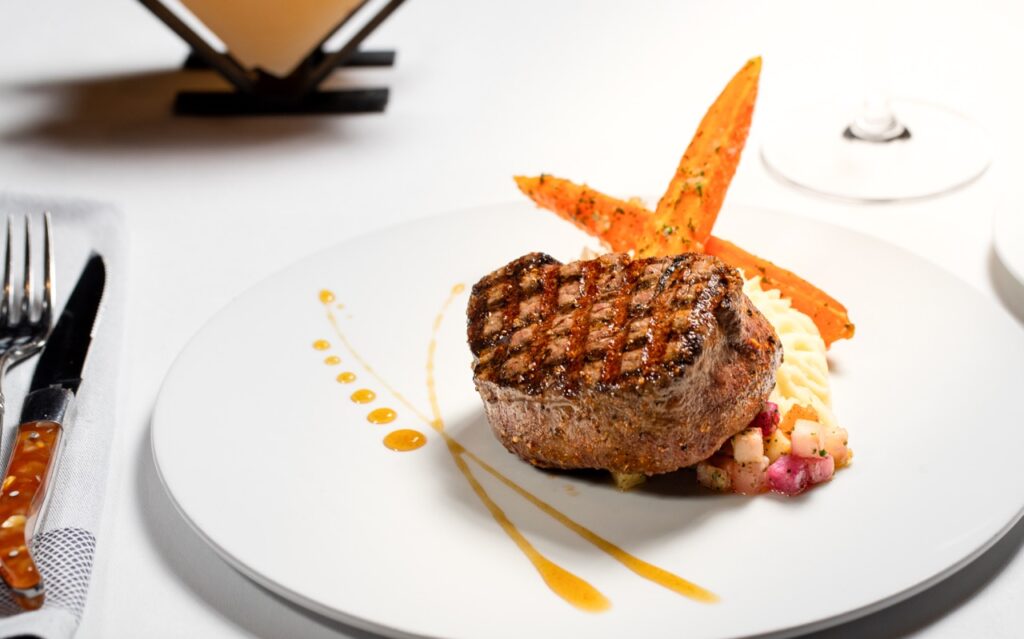
As the chef and owner of both (M)eat Carnival and Blossom Catering Company, Itamar Abramovitch firmly believes meat is so back. And, as many vegan restaurants shut their doors, he might be onto something. “I see a lot of people asking for a humanely treated animal product,” he says. “From small local dairies to meat from local ranches, guests are asking for high-quality, better animal products.”
Steak and butter may be back, but quality will remain crucial. “Where in the past only the ‘elite’ fine dining restaurants could source the best quality ingredients, today, the neighborhood cafe is expected to carry the best milk and know the farmer who grows the best local produce,” Abramovitch says. “Quality of ingredients is no longer a ‘farm-to-table movement:’ It is an everyday necessity.”