A Flight Attendant Shares Why You Always Have to Open and Close Your Seat’s Windows
It’s a small move with major safety implications.
Westend61/Getty Images
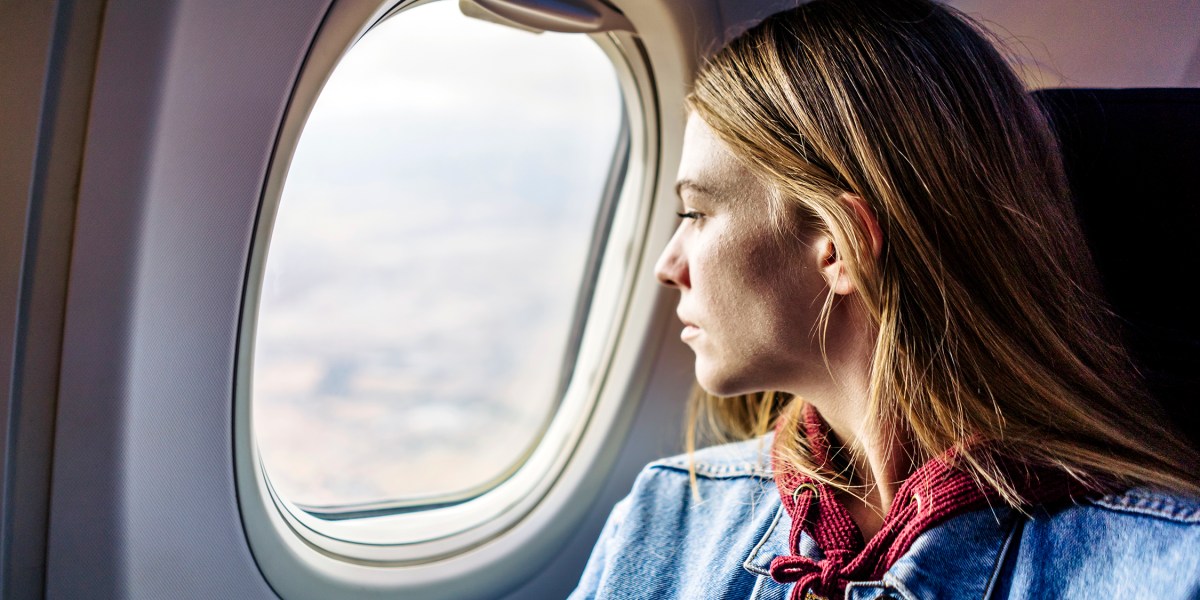
Let’s set the scene, shall we? You boarded your flight—and managed to get your carry-on into an overhead compartment—and are just about to ascend into the friendly skies. And then, right as you’re trying to get a handle on those turbulence concerns, a flight attendant asks you to open your window shade. Come to think of it, the same thing happens as you begin to descend into your destination.
Admittedly, raising your window shade might seem like such a small task—and really no big deal if you don’t comply—but Christa Treat says otherwise. According to Treat, who is a flight attendant and creator of A Traveling Treat, it’s a smart step to ensure a smooth, safe journey.
“During takeoff and landing, flight attendants need a clear view of what’s happening outside in case of an emergency,” she explains. “Open shades allow both crew and passengers to quickly spot hazards, like fire or debris, and assess which side of the aircraft is safest to evacuate from.” Treat also says keeping the windows open helps the flight crew visually check for smoke, ice buildup, or wing issues during takeoff and landing.

izusek/Getty Images
Frequent flyers might notice they’re not always asked to raise their window shades, so what gives? Treat says there are a lot of factors that contribute to the decision, starting with time of day. “You’ll notice on night flights, we often ask people to close them mid flight but before landing,” she explains. “That’s because we’re usually flying into the sunrise, and open shades can flood the cabin with bright light, waking everyone up way too early!”
Weather can also come into play. Treat says keeping all the windows closed can help cool down a plane in a warm, sunny environment. “Trust me, the AC needs all the help it can get in 100-degree heat,” she adds.
Other times, it’s just a matter of company policy. While some airlines require every window shade to be opened during takeoff, others a little more relaxed about the all-or-nothing protocol. Still, there are some non-negotiables. “If you’re in an exit row, that shade has to be open for takeoff and landing,” Treat says. “It’s not optional.”

Thomas Barwick/Getty Images
Sure, safety might be the number-one reason to raise your window shades during takeoff and landing, but Treat says this small move has a few fringe benefits. Topping the list is adjusting to a different time zone. Anyone who has ever taken a red-eye flight from the west to east coast knows that the day after a cross-country trip can be a doozy: Not only are you adjusting to an earlier time zone, but there’s also a good chance you’re working on minimal sleep. When we asked professional travelers about their top tips to curb jet lag, they mentioned exposing yourself to natural sunlight is an effective way to sync your body’s internal clock with your destination. A safety move that can help you start your trip on an energetic note? Talk about a win-win.
From delayed flights to fighting over the armrest with whoever’s in the middle seat, we know air travel can be stressful. Truthfully, being asked to do one more thing during your trip might elicit some eyerolls. However, Treat emphasizes that this request is just part of the job. “Most passengers don’t realize that open shades are part of our safety scan routine and just part of our job,” she shares. “We’re not trying to just control you and tell you what to do, it’s for a purpose!”
The good news? Once you raise (or lower) your window shades, you can kick back, relax, and enjoy the rest of your flight.