You Can Still Catch the Northern Lights This Year. Here’s Where to See the Aurora Out West.
Don’t miss witnessing one of nature’s most spectacular phenomena this year.
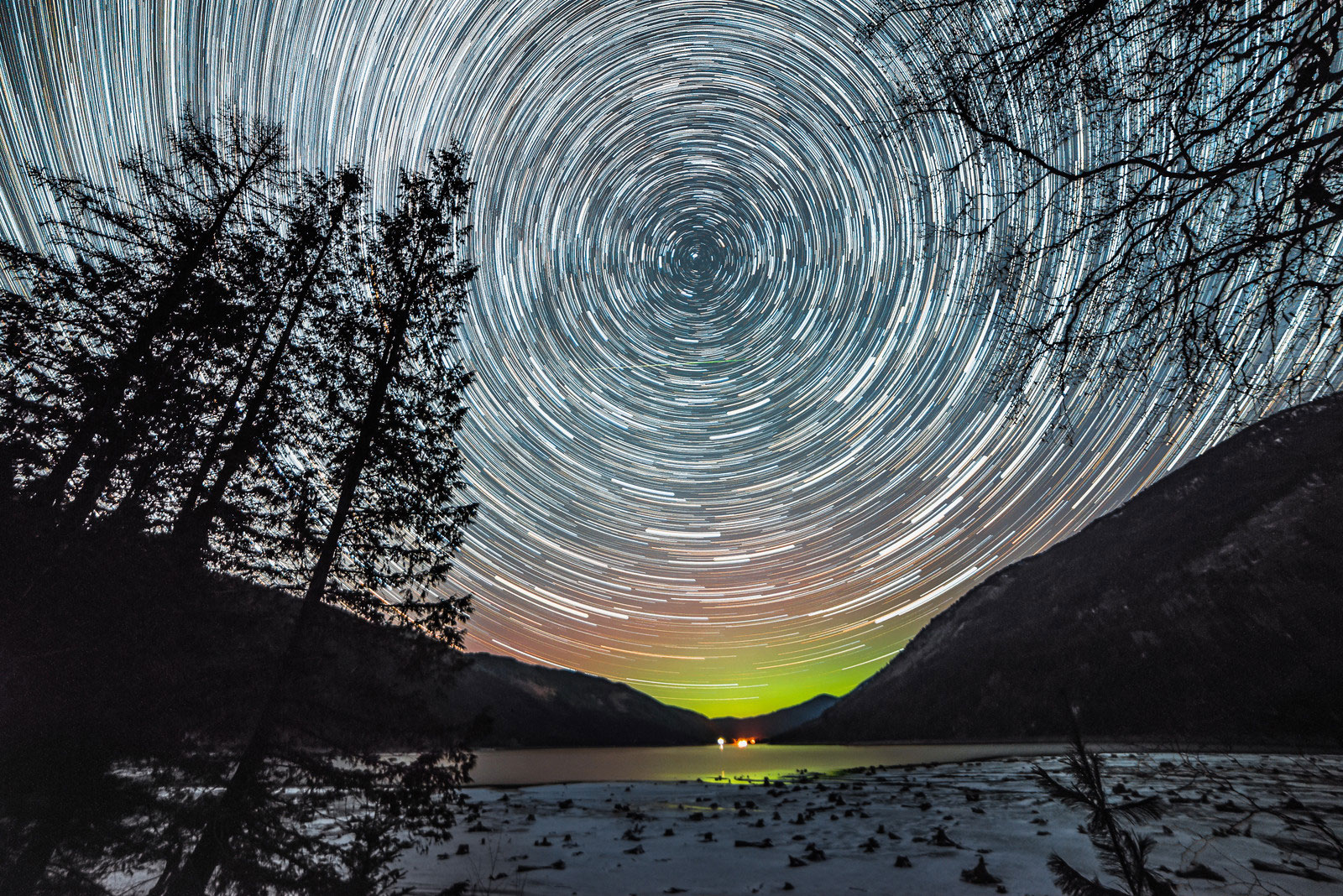
Courtesy of www.craiggoodwinphoto.com
An hour-long composite shot at Sullivan Lake, in the Colville National Forest north of Spokane.
If it feels like photos of the northern lights have been popping up everywhere over the last year or two, it’s not just your algorithm feeding your fascination. There’s a scientific reason for all the green flashes we’ve been seeing. The sun has been riding the crest of Solar Cycle 25, an 11-year rhythm of heightened activity that fuels auroras on Earth. Though it was first anticipated to reach its height in July 2025, the cycle peaked in October 2024. And now, as we move through 2026, solar activity is in a gradual decline. The result is fewer aurora-producing storms overall and slimmer odds on any given night, but it’s far from the end of the show. Severe geomagnetic storms, like the one that occurred on January 19, 2026, are still possible, and now is a great time to consider aurora chasing.
Similar to how meteor showers don’t have an official start or end time, auroras don’t simply shut off after they’ve reached solar maximum. Even in the declining years of the cycle, the sun can still send powerful bursts of energy toward Earth, triggering vivid displays that push the lights farther south than usual. Which explains why people in San Francisco and across the Pacific Northwest saw flashes of the phenomena during a storm last year, and again witnessed them in January 2026. (We got lucky and caught an unplanned glimpse back in October while shooting our upcoming wellness cover outside Whitefish, Montana.)
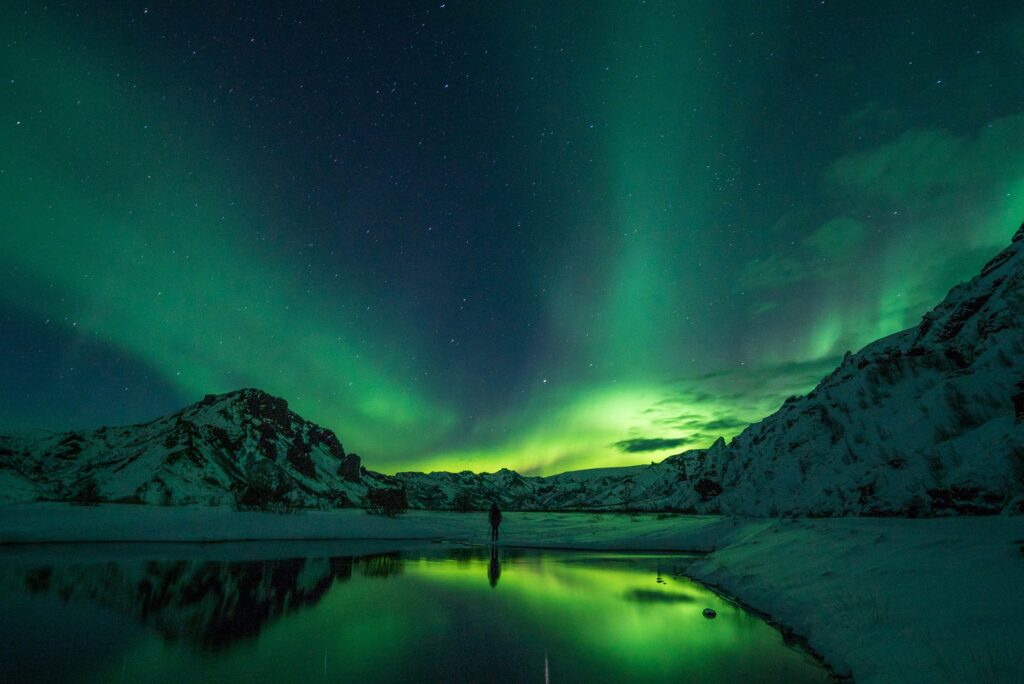
Getty Images
According to NOAA, this year’s viewing becomes more episodic and more dependent on strong, well-timed geomagnetic storms. And for travelers and storm chasers, that means flexibility matters more than ever, as does choosing destinations where the experience is rewarding even if the lights only make a brief appearance. Here’s where to stack the odds in your favor in 2026.
Fairbanks, Alaska
More Videos From Sunset
Still one of the most reliable places in North America to see the northern lights, Fairbanks sits directly beneath the auroral oval — a ring-shaped band around the north and south poles where the phenomena is most likely to occur. Clear, cold nights from September through March offer strong odds even as solar activity tapers. One of the most memorable ways to experience it is at locally-owned Borealis Basecamp, where heated geodesic domes with floor-to-ceiling windows let you watch the sky from bed, complete with aurora wake-up calls. Even if you don’t get to see them, there are other amenities worth exploring on property like saunas and trails exploring the area’s boundless forest.
Glacier, Montana
When strong geomagnetic storms hit, northern Montana can deliver unforgettable aurora sightings in the Lower 48. Glacier National Park’s wide horizons and minimal light pollution make it an ideal backdrop when conditions are right, especially from October to March. During winter and shoulder seasons, Under Canvas Glacier offers safari-style tents positioned away from major light sources, and activities like stargazing and snowshoeing amidst the 700 miles of trails to breathtaking alpine lakes, snow-capped peaks, and wildflower-covered meadows.

Thomas J. Story
Banff and Jasper National Parks, Alberta
Alberta’s Rocky Mountain parks at both Banff and Jasper occasionally light up during strong solar storms, and Jasper National Park stands out as one of the largest accessible dark sky preserves in the world. Fairmont Jasper Park Lodge, while not an aurora-specific property, sits far enough from city lights to serve as a comfortable winter base when geomagnetic activity spikes. If you’re open to traveling further afield, The Lodge at Métis Crossing is also an excellent option for viewing, including geodesic domes for stargazing.
Peace River Country, British Columbia
Northern B.C. quietly punches above its weight for aurora viewing during strong storms, thanks to its latitude, rural darkness, and expansive skies. Areas near Smithers, Terrace, and the Peace River Corridor Park can catch auroras when the auroral oval dips south. Remote wilderness stays like Tweedsmuir Park Lodge near Bella Coola or Northern Escape near Terrace aren’t marketed as aurora lodges, but their isolation and near-total lack of light pollution make them compelling places to be when the sky cooperates—with skiing, snowshoeing, and hot meals waiting if it doesn’t.