I Tried Turkey Cuddle Therapy, and Here’s What I Learned
How rescued turkeys are helping people find unexpected calm and connection.
Courtesy of The Gentle Barn
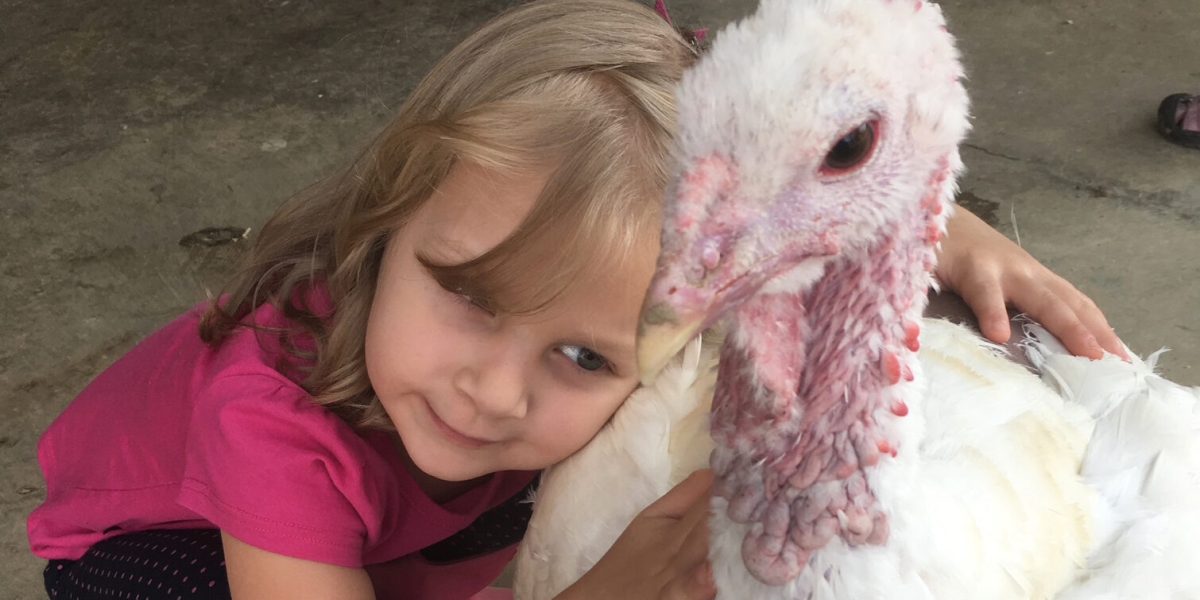
Working in the media means you get invited to all sorts of interesting things, but nothing prepared me for the email suggesting I meet up with a 25-pound turkey for a one-on-one cuddle sesh. Naturally, I had questions. So a few days later I drove to The Gentle Barn in Santa Clarita, California, while mentally preparing for some quality bonding time with a group of gobblers. Yes, Turkey Cuddle Therapy is a real thing—and despite my slight discomfort around any bird larger than a chicken, curiosity (and maybe a faint desire for some emotional recalibration) won out.
Here’s what I learned, along with some expert insight from The Gentle Barn founder Ellie Laks.
Turkeys Are Surprisingly Therapeutic
Courtesy of The Gentle Barn
Ellie Laks rescued her first female turkey 25 years ago. They developed a morning ritual: The bird would follow her around as she did chores, chirping, while Ellie talked back. One day, the turkey lingered longer than usual. Ellie put down her rake, sat on the ground, and asked if she was alright. The bird climbed into her lap and fell asleep. “We have been cuddling turkeys ever since,” Ellie says. That spontaneous moment of trust became the seed for the program visitors experience today.
Ellie realized early on that turkeys were not only affectionate but also calming. “Turkeys have had such a calming therapeutic effect on me… Their kindness, gentleness, and generosity at times when I felt stressed or overwhelmed really helped me and I knew it would help others as well,” she says. Watching guests over the years, she noticed the same effect: People often leave the barn feeling lighter and more centered.
Finding Calm with Rescued Turkeys

Kristin Guy
While I was personally nervous to sit eye to eye with a massive bird (and its beak), these gentle giants are not nearly as cranky as the wild flocks I’ve encountered in the past. Ellie wants people to rethink those negative stereotypes: “Turkeys are smart, affectionate, social animals who have a highly developed language… and are curious, kind, and so much fun,” she says. Each bird is unique: Some are affectionate right away, others take their time.
Each of these turkeys has been rescued from becoming Thanksgiving dinner, with some arriving sickly and in need of care before entering the cuddle program. The Gentle Barn is more than a home for rescued animals, it’s a sanctuary offering programs like Cow Hug Therapy® and Equine Therapy, pairing animals who have overcome trauma with people seeking healing, connection, and personal growth.
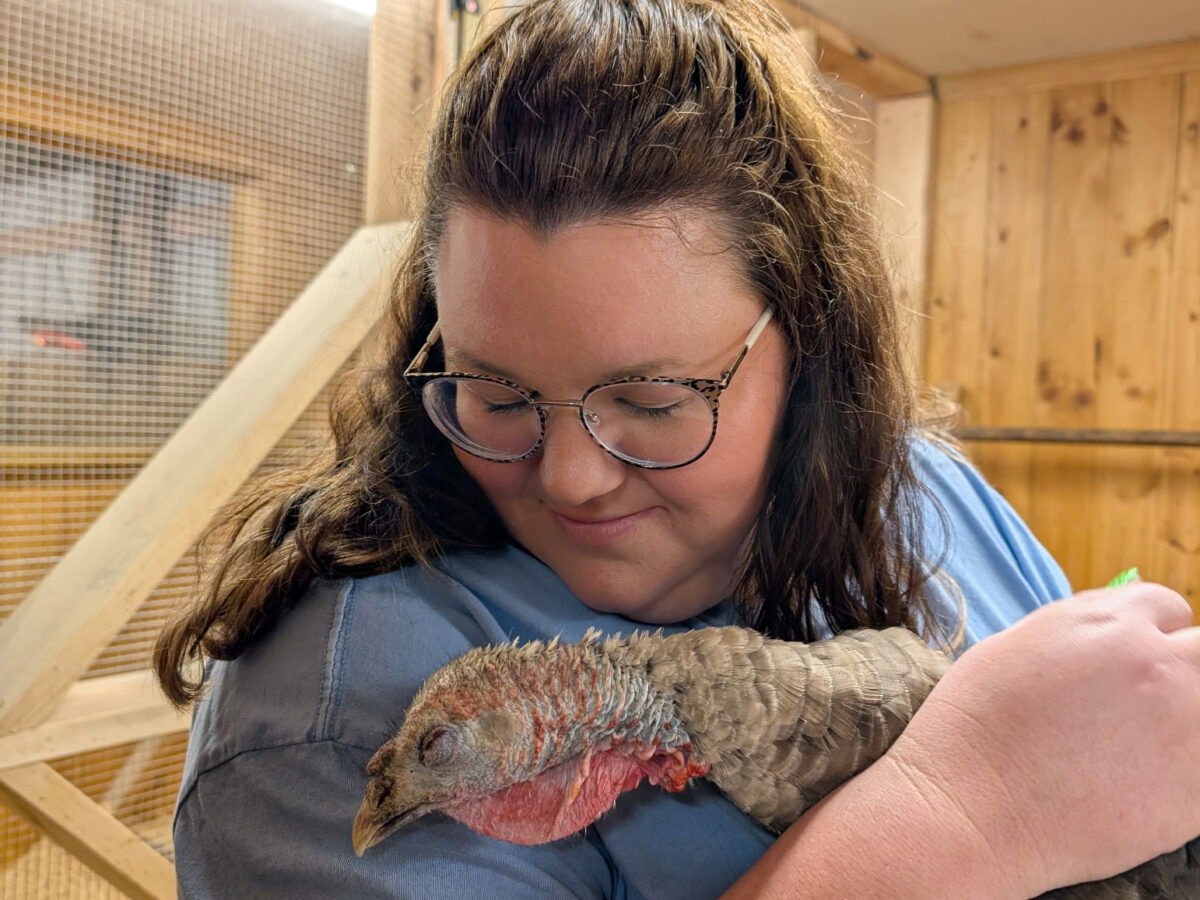
After a quick introduction to the flock, I was instructed to sit on the ground and wait, despite every instinct I had to greet, chat with, and befriend this group. But in the world of turkey cuddling, you have to play a little hard to get, or in my case, completely ignore them, which proved tricky with a herd of goats, llamas, and a very curious emu all coming by to nudge for attention. After about 15 minutes of stillness on my part and not looking her way, one of the hens, Grace, chose to snuggle close and let me give her a few hugs. Our time together was surprisingly engaging and taught me a lesson about trust, presence, and joy, not to mention some intense eye contact.
So is Turkey Cuddle Therapy a hot new wellness trend? Probably not. But what unfolded outside that barn wasn’t just novelty; it was unexpectedly calming, joyful, and dare I say, slightly transformative. Getting out of my comfort zone and saying yes to something quirky that brought plenty of laughter gave me a much-needed emotional shift and a surprising sense of calm, a reminder that connection can come in the most unexpected forms.
How to Have the Best Turkey Cuddle Experience
Courtesy of The Gentle Barn
The Gentle Barn keeps things pretty simple: Sit on the ground and let the turkeys choose you. “Put your legs on either side of the bird, kiss their fuzzy pink heads, and slide your hands under their wings to pet them, and the turkey will fall asleep in their laps,” Ellie explains. “Sometimes the turkey wants to sit quietly next to people and not be pet and that is okay too. Their energy is transformative!”
Here are a few tips for making the most of your Turkey Therapy:
- Dress for comfort (and mud): Soft, flexible clothing and boots you don’t mind getting dirty are key. You’ll be sitting on the ground for an extended period of time, and barnyard charm comes with a side of straw, feathers, and maybe a little manure—don’t let it distract you from having a good time. Layers are great if the morning is cool, and closed-toe shoes are highly recommended (turkeys are curious, but not always graceful).
- Leave expectations at the door: Turkeys are smart, intuitive, and, occasionally, diva-level selective. Patience is essential and don’t take rejection personally. Trying to coax them rarely works—they like to make the first move.
- Sit still and breathe: You don’t have to do anything but be present. Take a few slow breaths, and pay attention to the small sounds around you—the gentle cluck of a turkey, a chicken pecking nearby, the shuffle of straw underfoot. Eye contact, soft words, or gentle pets can help, but the key is calm and presence.
- Let emotions flow: Some visitors laugh, some cry, and some just sit quietly in awe. All reactions are welcome. This is about connection, release, and the unexpected joy of being chosen by an animal who has known trauma but now trusts.
- Be open to movement: Turkeys may shift, snuggle, or even nuzzle your hands or arms. Let them move as they please. Part of the experience is noticing their personalities—curious, affectionate, or playful.
- Remember other animals are watching, too: The barn is home to pigs, goats, chickens, llamas, and a particularly friendly emu named Earl. While they keep to themselves during your experience, they each have their own energy and sometimes come say “hello,” interrupting your Zen circle with a little chaos, surprise, and delight.
- Take your time. One hour may fly by, or it may feel like a quiet eternity. Either way, slow down and enjoy it. There’s no need to rush. Turkeys, and this experience, operate on their schedule, not yours.
Supporting a Bigger Mission

Courtesy of The Gentle Barn
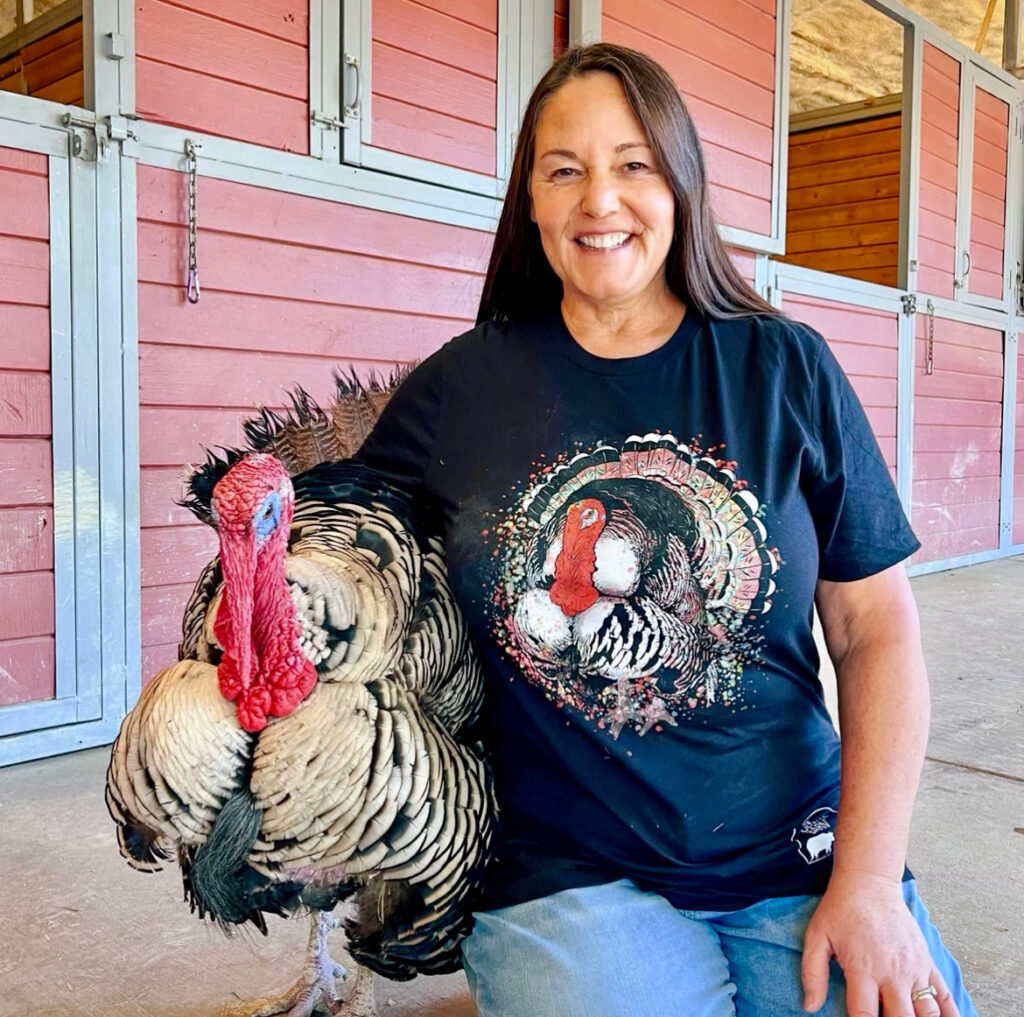
Turkey Cuddle Therapy isn’t just a publicity stunt—it’s part of The Gentle Barn’s mission to show that animals are more than meals, and that compassion can be learned from them. “Our Turkey Cuddle Therapy program supports our mission by showing our guests that turkeys are much more than a meal, with the capability to help and heal us. And underneath our skin, fur, and feathers, we are fundamentally all the same,” Ellie explains.
If you can’t make it in person, The Gentle Barn offers sponsorships and donations, and encourages plant-based Thanksgiving meals as a way to protect animals. Ellie also shares that their Thanksgiving Day event is a fun way to celebrate: Guests can cuddle turkeys, feed them treats, participate in a drum circle, enjoy hot drinks, and celebrate “love, life, and gentleness.”