The 4 Major Mistakes People Make Mixing Light and Dark Woods—and What to Do Instead
Save yourself time and money by following these expert-approved directives.

Samples of parquet boards, various colors and textures, close up shot, abstract background
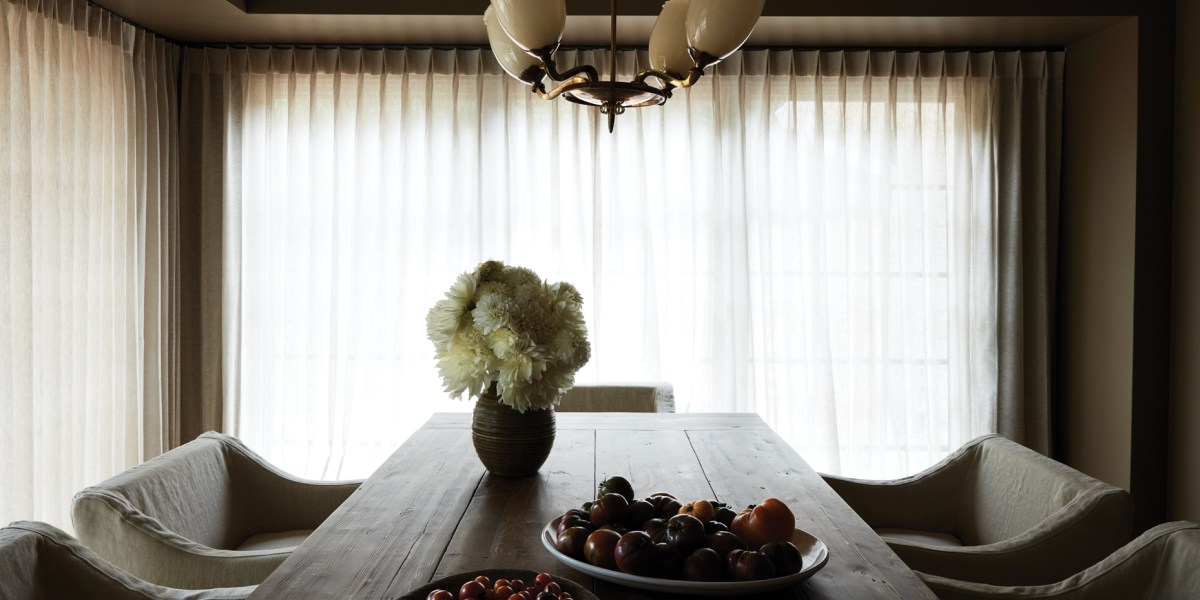
If there’s one design “rule” I’m ready to break, it’s blending woods in my home. To achieve a more layered, curated look, designers have perfected the art of mixing wood tones. I was eager to learn their best practices, and even more, I wanted to know what not to do.
From flooring to furniture to decor accents, there are near-countless opportunities to add this classic material to your home. Below, four California-based interior designers share where people go wrong—and what you can do instead.
1. Skipping the Sample Stage
If there’s one thing you need to do before committing to a wooden piece, it’s acquire some samples. “Always view the woods in the actual space,” says Sarah Akbary, principal designer of Sarah Akbary Interiors in Los Angeles. “Natural light, artificial lighting, and even where the piece sits in the room will completely change how the tone reads. If all the woods are within the same undertone family, you have a lot more flexibility and the space will feel cohesive instead of busy.”
My advice after lots of trial and error with online furniture shopping? If the company can’t provide samples, select a different product.
2. Mismatching Undertones
As Akbary mentioned, the undertone is the key to creating a cohesive wood palette. These typically fall into four main categories: warm, which leans yellow or orange; red, like cherry or mahogany; cool, bringing in more gray or blue undertones; and neutral, comprising more balanced, brown hues.
“I focus on undertones more than light or dark,” says Christine Vroom, founder and principal of Christine Vroom Interiors. “Woods can lean warm, cool, yellow, or red, and that is where clashes usually happen. I also like one wood tone to lead, with others playing a supporting role.”
One easy and effective route is through flooring or furniture. Jaime Rummerfield, founder of Jaime Rummerfield Interior Design in Los Angeles calls marquetry or parquet floors and tables “a work of art.”

Thomas J. Story
3. Selecting More Than Three Types of Wood
All four designers agree that you should stick with two to three cohesive woods in your home.
“I think there can be too much of a good thing,” says Ashley Clark of Skout Interior Design in Costa Mesa, California. “Beyond two or three in a single space, it can start to feel busy or ungrounded. The key is repetition: If you introduce a wood tone once, echo it somewhere else, so it feels purposeful rather than random.”
Akbary also emphasizes the importance of proportion, and offers up this simple formula: “I like to think in terms of 70 percent dominant wood tone and 30 percent secondary,” she says. “If your floors are light, keep most of the wood light and bring in darker tones as accents.”
4. Selecting Woods That Are Almost Identical
Clark has one big rule: Don’t try too hard to match! “When wood tones are too similar but not quite right, that’s when things feel off,” she says. “Mix woods that are clearly different: light with dark, refined with a little character, because it reads more collected and intentional. A little contrast goes a long way.”
Here’s How to Get It Right

Thomas J. Story
Choosing contrasting-yet-cohesive woods is the real magic, according to Clark. “Light and dark wood work together to create depth and contrast, especially in open-concept homes,” she says. “We love grounding a space with a darker wood like walnut or black-stained oak, and then layering in lighter pieces around it. Or painting oak black to show the natural grain.”
While adding lightness to an otherwise dark palette is possible, Akbary has found that it’s easier to do the opposite. “When working with darker wood floors or a darker overall palette, I’m more selective with lighter woods,” she explains. “I’ll often choose lighter finishes that are more neutral or slightly whitewashed so they don’t skew yellow. This is especially important with very light floors, where yellow-toned furniture woods tend to look off very quickly.”
Akbary suggests bringing darker pieces (think an antique black walnut dresser or upholstered sofa with mahogany legs) onto lighter floors, or layering with rugs featuring cohesive colors and textures to balance the space.
The Latest