The 10 Best Landscape Projects to Tackle Before Fall Planting Season
Get your backyard fall-ready with top late summer projects straight from the pros.

Caitlin Atkinson
Late summer in the West can feel like a holding pattern—too hot to plant much, too early for the rains—but for Hope Hardesty, founder of California-based landscape design studio HHALO, it’s prime time for transformation. “My goal as a landscape architect and a plants-person is to elevate the act of garden-making in a way that builds the kind of world that we all want to be in—a kinder, greener, more joyful one,” she says.
With over a decade of experience at some of California’s most respected landscape architecture firms and a background in both horticulture and the visual arts, Hardesty brings a distinctly artistic lens to her projects. From her offices in Los Angeles and Berkeley, she works on everything from coastal estates to desert hospitality spaces, weaving together ecological mindfulness, client needs, and what she calls “a kind of poetry” in the landscape.
Here, she shares her August-to-fall playbook for Western gardeners of all skill levels—projects that set you up for success once fall’s ideal planting window opens, while giving your space a creative, grounded refresh.
1. Shape the Site Before You Plant
Caitlin Atkinson
If you’ve been dreaming about new garden beds, terraces, or a seating area tucked behind a berm, August is the time to stake it out—literally. HHALO’s process often involves on-site sketches with spray paint, tape, sticks, or even cardboard to visualize changes. “We ask ourselves, ‘Does this space seem like the place to put some new hardscape and seating?’ Then we leave it marked for a few days and see how the wind, shade, and existing vegetation interact with it,” says Hardesty.
This slow, observational approach works in any size garden. Walk the space in the early morning light, coffee in hand, and let ideas marinate. You’re not just creating beauty—you’re setting up the visual hierarchy, movement, and focal points that will define your plantings later.
2. Play with the Ground Plane
Grading and sculpting the land is both an artistic and ecological act. Mounding soil can create privacy, frame views, and make small spaces feel larger. It also helps plants with varying sun and water needs coexist in the same planting scheme. “Think of it as a sculptural exercise,” says Hardesty. “You can create the illusion of more space, increase privacy, or encourage the sensory perception of water all through the push and pull of the ground plane.”
The key is balance—reuse excavated soil where you can, and ensure any basins drain well. Inspiration can come from afar; Hardesty cites Beth Chatto’s drought-tolerant gravel garden in England as a masterclass in matching plant communities to site conditions.
3. Remove the Lawn, Add a Soft Landing
Luke Schmueker
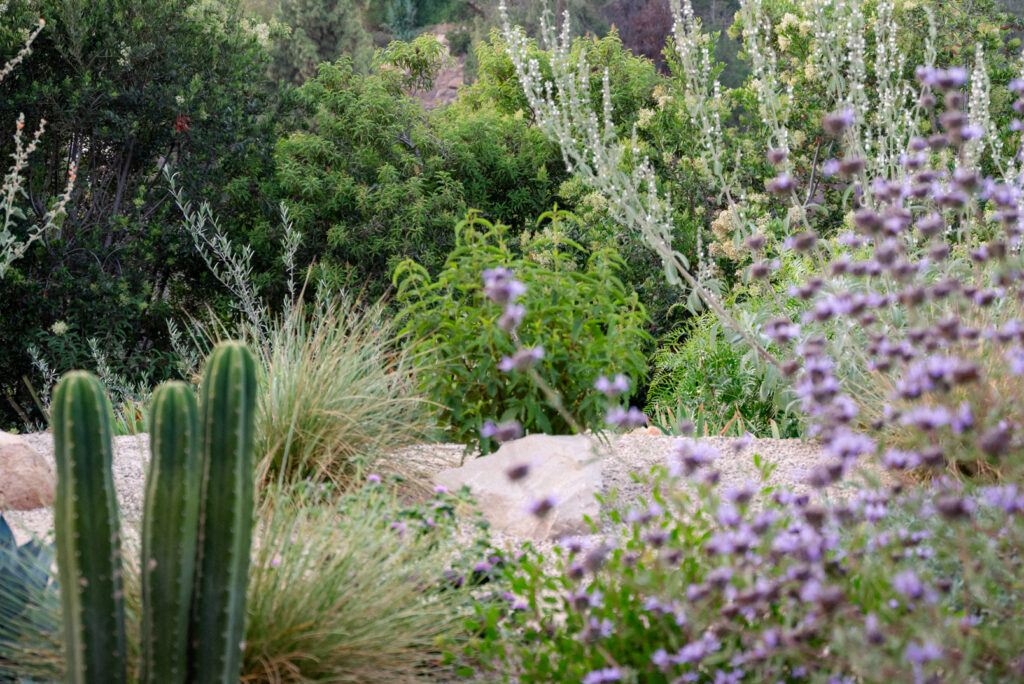
If you’ve been considering lawn removal, August is your moment. “We need to start thinking of our yards as the new wilderness on borrowed land,” Hardesty says. Replacing turf with native and climate-adapted plantings supports pollinators and creates what ecologists call “soft landings”—spaces where wildlife can safely rest and feed.
Hardesty recommends skipping herbicides in favor of sheet mulching, solarizing, or manual removal. Amend compacted soil with compost, perlite, or well-drained native mixes before planting. And don’t underestimate the joy of sensory diversity: “Get excited about all the wonderful smells and textures you are going to have in the garden.”
4. Install Personal, Locally Sourced Features
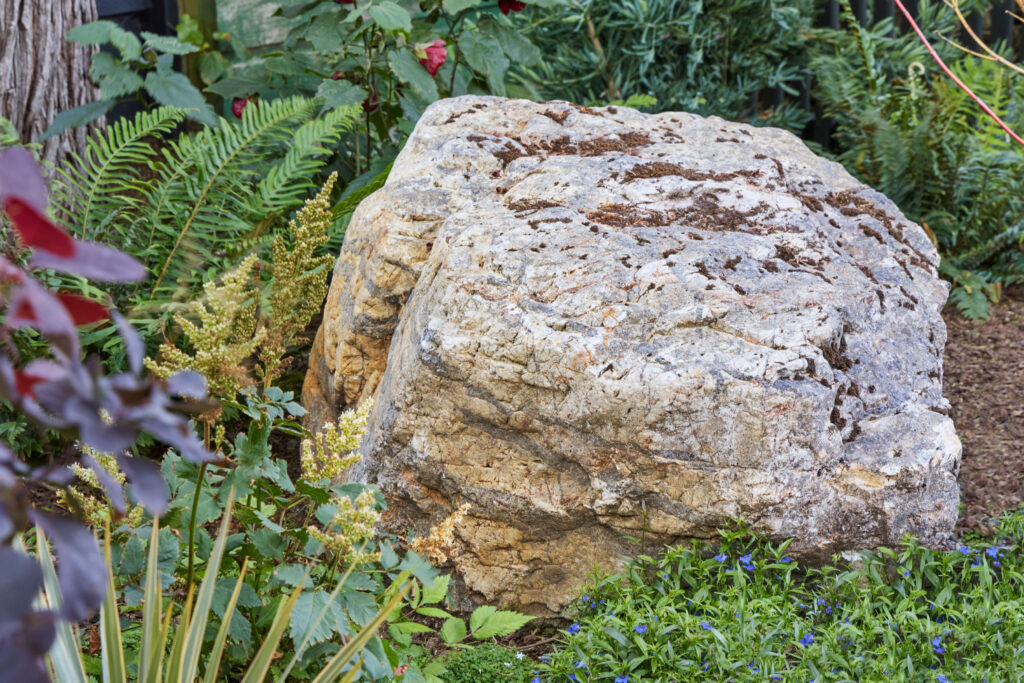
Before the planting rush, consider adding one or two unique focal points that reflect your personality. HHALO favors locally made elements—wood pieces from Angel City Lumber, furniture from Wulf Wood, even boulders shaped into seating.
Hardesty also embraces pots as movable design elements, particularly in hotter inland climates where planting in-ground too early can stress plants. “If I can’t stop the itch to plant in late August, I container-garden in pots and move them around to visualize combinations,” she says.
5. Prep for Fall Planting Like an Artist

Luke Shmuecker
Hardesty’s long-view approach starts months before a plant ever touches soil. August is a time for seed collection, plant palette research, and even analog mood-boarding. She orders native plugs and meadow seed now for fall delivery, then maps potential combinations on paper. “It’s all just one giant experiment,” she says. “Once you’ve seen the plant do its thing, it sticks in your brain as part of your plant memory bank.”
6. Build Soil Health Now
Healthy soil is the foundation of any resilient garden, and August is ideal for testing and amending. Compost improves structure and water retention, but Hardesty cautions against over-engineering your soil to fit a rigid vision. “Work with what you’ve got. Listen to the landscape around you and try to glean from it its best qualities,” she advises.
7. Don’t Wait Until Fall for the Heavy Lifting
Caitlin Atkinson
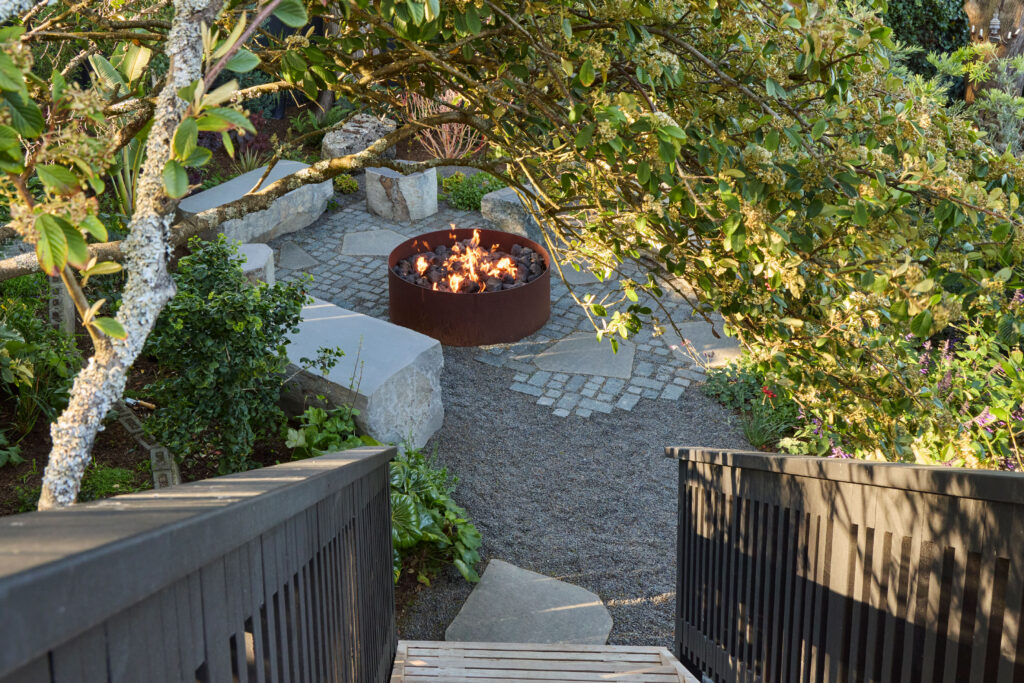
Putting in paving, stairs, and other fixed features take more time than most gardeners anticipate—and they can easily eat into prime planting windows if left too late. “Plants are going to be a lot more temperamental about the weather than a brick is going to be,” says Hardesty. Get the structure in place now so your fall planting can enhance it.
8. Weed for Clarity—Sculptural and Mental
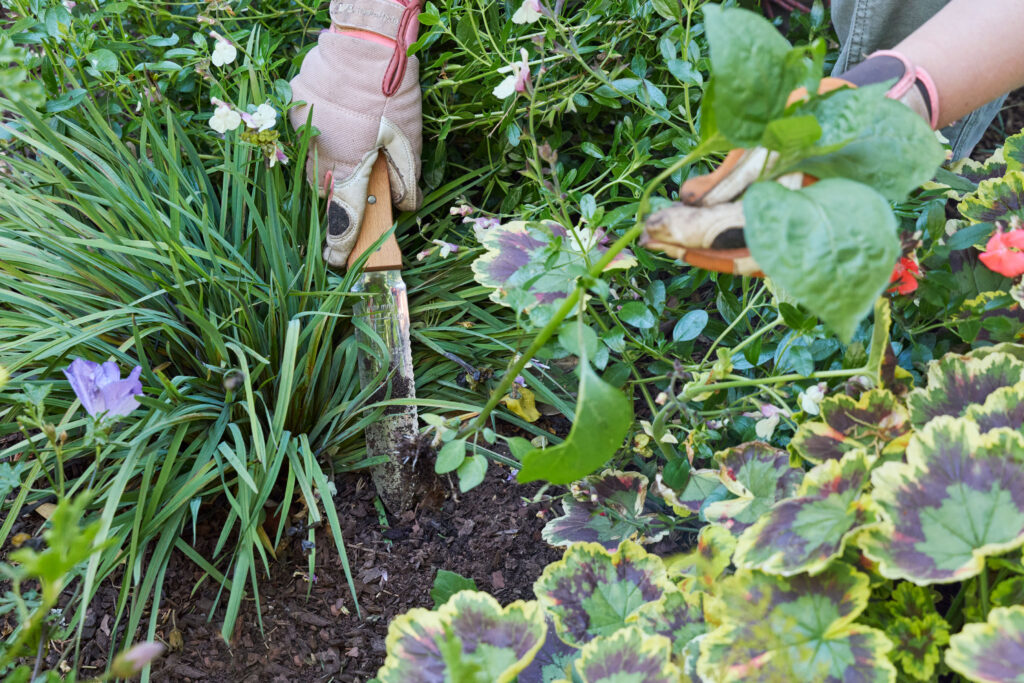
If you do nothing else now, Hardesty recommends clearing unwanted growth. “Weed the heck out of your garden—it will bring sculptural clarity to your garden, mental clarity to your brain, and reduce competition for water,” she says. Her go-to tool: a sturdy hori-hori knife, used nearly every day.
9. Habitat-Health Additions
Caitlin Atkinson
Hope and the team at HHALO see fall as the West’s real planting season, especially for landscapes that balance artful form with ecological function. Their go-to palette leans heavily on natives and drought-tolerant standouts that thrive in California’s varied climates.
“Order any native plants or meadow seed now for fall delivery (September in the Bay, October/November in L.A.),” Hope advises. For structural impact, she points to Muhlenbergia rigens (deergrass) and Bouteloua gracilis (blue grama grass) for the way they bring movement and texture to meadow-style plantings. In mixed borders, Salvia apiana (white sage) offers sculptural foliage and supports pollinators, while Eriogonum fasciculatum (California buckwheat) delivers long-lasting blooms and year-round habitat value.
Hope also recommends thinking beyond just beauty. “We need to start thinking of our yards as the new wilderness on borrowed land… this is our chance to piece together a network of soft landings for the world’s creatures and pollinators.” For late-season color and habitat, Encelia californica (California brittlebush) is a low-water workhorse that softens hardscape edges, and Arctostaphylos varieties (manzanitas) provide evergreen structure with twisting branches that double as living sculpture.
10. Approach Late Summer as a Creative Pause
For Hardesty, late summer is as much about reflection as action. She uses the time to review the successes and challenges of the past year, listening to other gardeners and thinking about how her projects fit into a larger cultural and environmental context. “Each piece of land has a story,” she says. “A garden is an opportunity to tell that story in a way that leaves a lasting impression.”
The Latest