Claremont: A City of Architecture, Culture, and Cliff May’s Enduring Vision
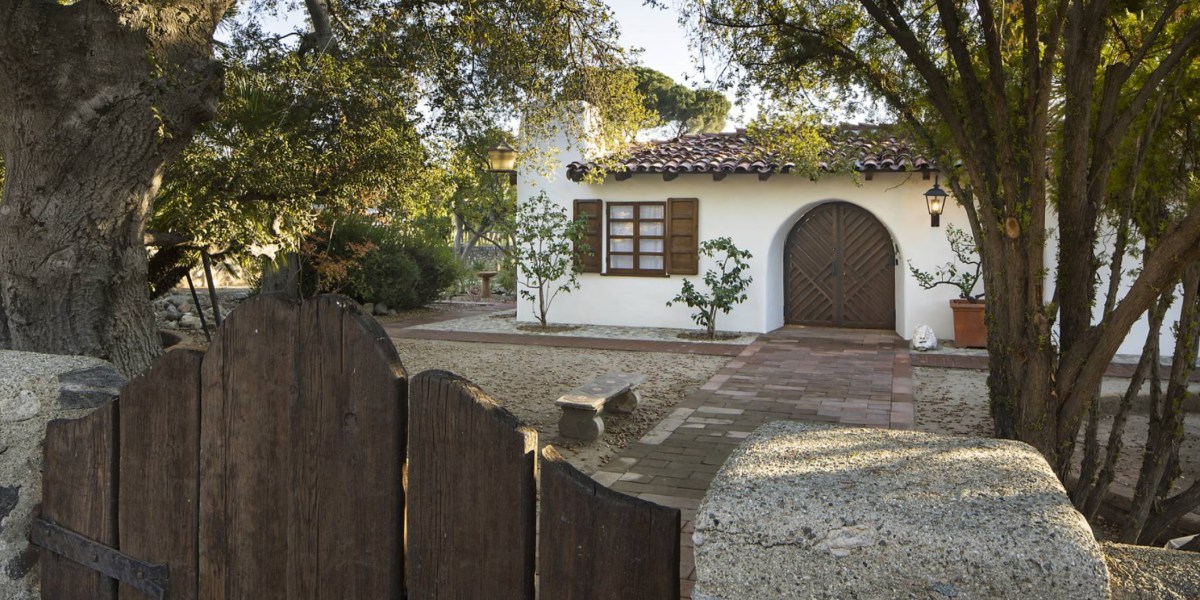
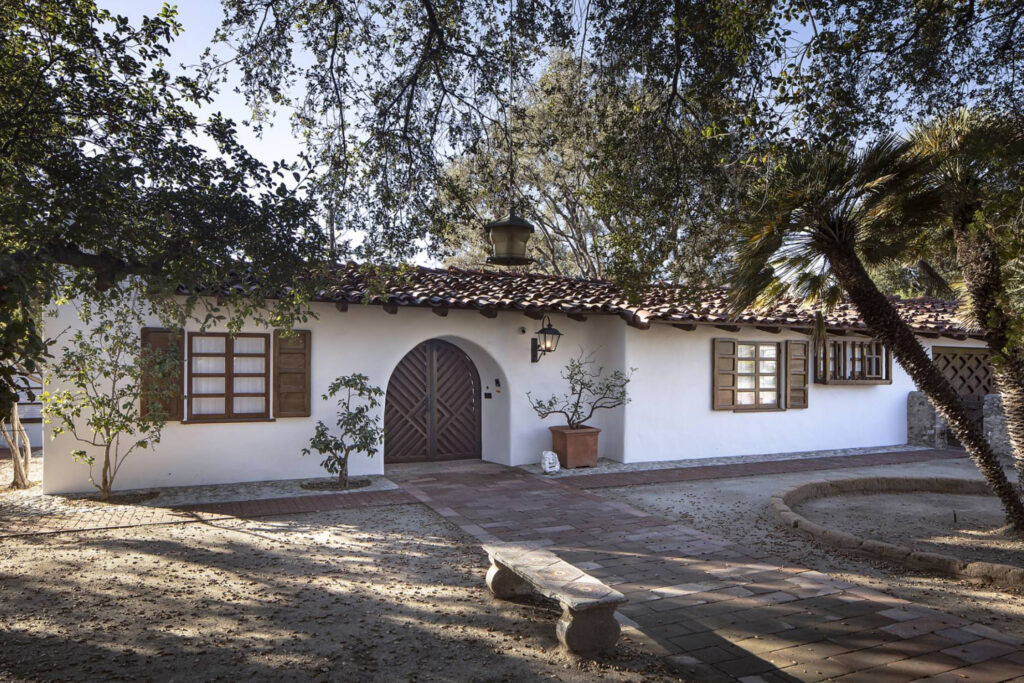
Cliff May’s restored Cowen House is a shining example of the city’s commitment to architectural preservation.
Courtesy of Claremont Heritage
Nestled against the San Gabriel foothills, Claremont, California is a city that feels at once timeless and contemporary. Known as the “City of Trees and Ph.D.s,” Claremont combines leafy neighborhoods and small-town charm with world-class academic and cultural offerings. Its historic downtown bustles with galleries, music venues, and locally owned shops. Its five undergraduate and two graduate universities, modeled on the Oxford-Cambridge system, make it an internationally recognized center of learning. And its vibrant arts scene—shaped by visionaries like Millard Sheets—continues to draw creative talent from around the globe.
Yet for all these layers, Claremont is perhaps most striking for its built environment. With more than 1,100 registered historic properties and a landscape dotted with works by some of the 20th century’s most significant architects, the city is now celebrated as a premier cultural heritage tourism destination. From Richard Neutra and Buff & Hensman to A. Quincy Jones and John Lautner, the names read like an architecture textbook—but the story here is deeply lived. Homes, schools, theaters, and civic buildings all tell the tale of a community shaped by design.
Among these treasures, one name stands out: Cliff May, the Father of the Ranch House. His presence in Claremont, and the recent restoration of one of his early masterpieces, reveals just how intertwined this city’s identity is with the story of California architecture.
The Father of the Ranch House
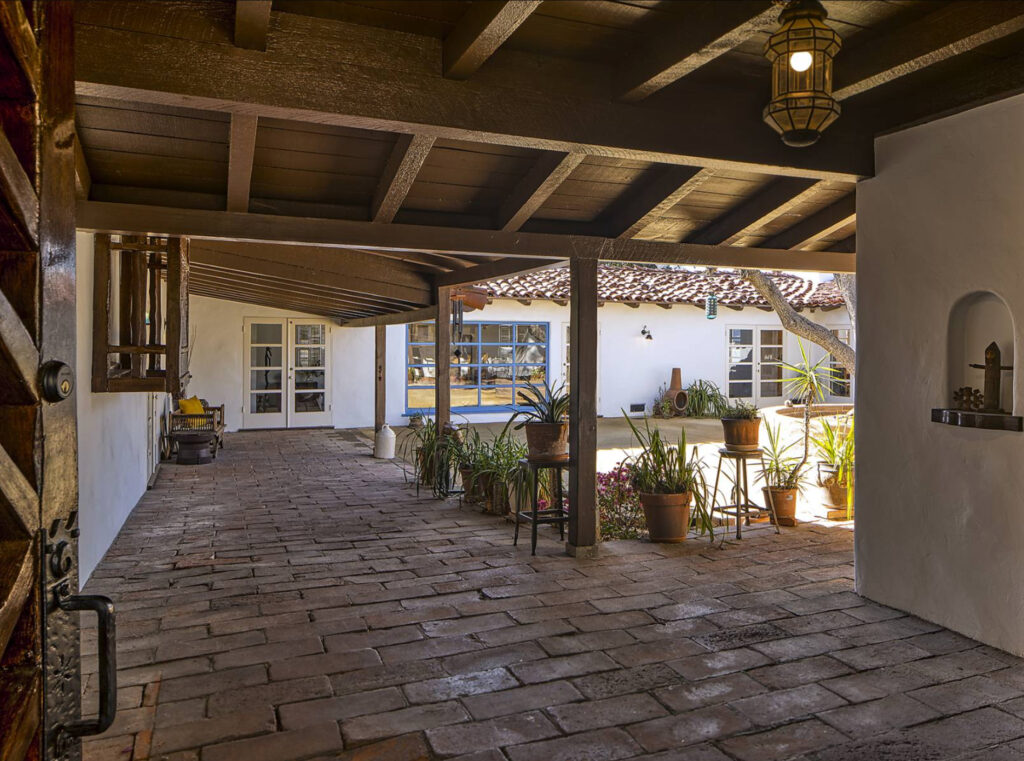
To understand May’s significance in Claremont, it’s important to understand his vision. In the 1930s, Cliff May reimagined what a home could be for Californians. He took inspiration from the adobe haciendas and ranchos of early California, designing U- and L-shaped homes that wrapped around courtyards, blurred the line between indoors and out, and embodied a relaxed, family-centered lifestyle.
May believed that houses should be comfortable, affordable, and reflective of the landscape. His designs felt both modern and rooted in history—a new way of living that captured the imagination of Californians and, soon, the entire nation.
It was a vision Sunset magazine championed from the beginning. As the West’s leading voice in home and garden design, Sunset published May’s plans, profiled his houses, and helped popularize the ranch house as an emblem of California living. Together, May and Sunset shaped the way generations of Westerners imagined home: informal, sunlit, open to the outdoors, and designed for everyday joy.
Cliff May in Claremont
Claremont provided the perfect canvas for May’s vision. Here, he designed both prefabricated ranch houses with Chris Choate and one of his earliest custom homes: the 1939 M.H. Cowen House, a hacienda-style residence that remains one of the most important architectural landmarks in the city.
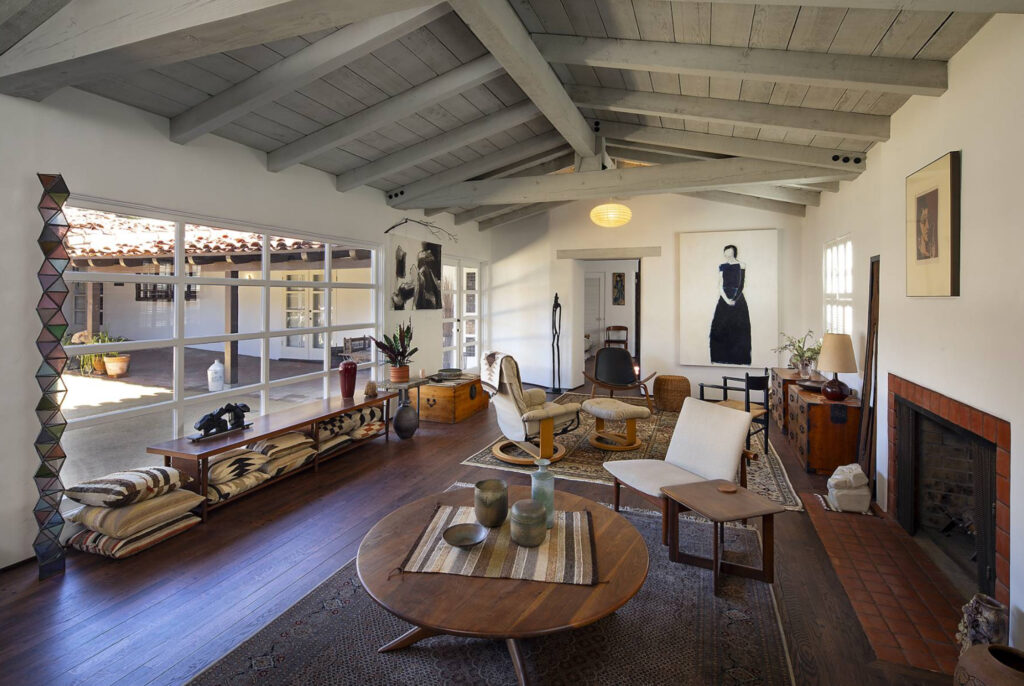
This house in particular showcases May’s early style: rustic woodwork, adobe-inspired plaster, and courtyards designed as natural extensions of the living room. At the Cowen House, architecture isn’t just structure—it’s lifestyle. Families move easily between shaded patios and airy interiors. Garden and house are conceived as one.
Over the decades, the Cowen House fell into disrepair. But its story, and Claremont’s commitment to preservation, would ensure its survival.
Courtesy of Claremont Heritage
The Preservation of the Cowen House
Thanks to the dedication of the owners and with the encouragement of Claremont Heritage, the city’s nonprofit preservation organization, and the City of Claremont, the Cowen House was saved and restored. Working with architect Kelly Sutherlin McLeod, the project meticulously brought back May’s original details: hand-finished wood gates, rustic roof tiles laid in May’s signature uneven pattern, and salvaged brick and stone paving carefully reinstalled.
Landscaping was redesigned with drought-tolerant plants, while historic trees and adobe curbs were preserved. The result was a house that once again embodies May’s vision of California living in harmony with nature, while updated to meet contemporary needs.
In 2025, the Cowen House restoration received the California Preservation Foundation’s Design Award, the highest honor for preservation in the state. For Claremont, it was more than an accolade—it was proof of the city’s dedication to honoring its past while investing in its future.
Courtesy of Claremont Heritage
Claremont Heritage: Guardians of Identity
The Cowen House is just one of many victories for Claremont Heritage, founded in 1976 after the loss of several important landmarks galvanized the community. Since then, the organization has saved and restored sites ranging from the Santa Fe Train Depot and Old School House to citrus packing houses and the historic Padua Hills Theatre. For a small college town, Claremont boasts an impressive distinction: eight properties listed on the National Register of Historic Places.
Operating out of the 1926 Garner House, Claremont Heritage also maintains a vast archive of photos, maps, and artifacts documenting the city’s evolution. It offers tours, lectures, films, and even a third-grade history program that introduces young students to the city’s architectural story. Its mission is clear: to preserve, celebrate, and share Claremont’s unique sense of place.
The Cowen House restoration exemplifies this mission, not only safeguarding an architectural treasure but opening it to the community through tours and events.
A City of Architectural Riches
While the Cowen House is a star, Claremont’s architectural richness stretches across decades and styles. Modernist homes by Neutra and McDowell, civic buildings by Edward Durell Stone, and the artistry of Millard Sheets’s studio all contribute to what historians call a Modern Mecca.
Sheets in particular left an indelible mark. His work at Scripps College in the 1930s fostered a creative community of artists, potters, sculptors, and architects who built and lived in Claremont. The result was not just a collection of homes and studios, but a culture of innovation that still defines the city.
Walking Claremont’s streets today, one encounters Spanish Revival bungalows, midcentury glass pavilions, and ranch houses that open onto shady courtyards. It’s a city where architecture tells the story of California itself.
The Home Tour: Living History
For over 43 years, every fall (second weekend in October), Claremont Heritage invites visitors to experience this story firsthand at the Claremont Heritage Home Tour Weekend. The event showcases private homes of historic and architectural significance, allowing guests to step inside and connect with the city’s past and present.
This year, the Cowen House will be a highlight of the opening reception, offering a rare opportunity to experience Cliff May’s early hacienda style. But the tour also features other gems, from midcentury masterpieces to lovingly restored cottages, each with docents who share the stories behind the walls.
For architecture enthusiasts, it’s a chance to see up close why Claremont is considered one of California’s cultural heritage tourism jewels. For the city, it’s a celebration of the community’s ongoing commitment to preservation.
Claremont matters because it shows what happens when a community takes pride in its history. Here, preservation is not about freezing time—it’s about keeping identity alive. It’s about ensuring that future generations can see and feel what makes a community unique.
Cliff May’s vision resonates because it was always about more than buildings. It was about a way of living—casual, connected, rooted in place. In Claremont, that way of living is visible in every courtyard, every historic tree-lined street, every home that opens itself to the light.
And it’s no coincidence that Sunset magazine has been telling this story for decades. Just as May redefined what a home could be, Sunset has chronicled and celebrated the evolving idea of the Western lifestyle. Both are testaments to the West’s spirit of openness, creativity, and resilience.
Courtesy of Claremont Heritage
Experience It Yourself
This year, Sunset invites readers to experience Claremont for themselves. Walk through its historic neighborhoods, tour the Cowen House, and discover why this small city has become a big name in preservation and design. Support the efforts of Claremont Heritage, and see firsthand how a community can balance progress with pride in its past.
Keep Reading:
The Latest