How to Keep Your Garden From Looking Ugly in the Winter
Try these seven easy updates to revive your outdoor space during the colder months.
Alan_Lagadu/Getty Images
Winter doesn’t have to be the “off-season” for your garden. Even when flowers have gone dormant, leaves have fallen, and frost dusts your paths, your outdoor space can still feel intentional, polished, and surprisingly lively. You can add some hardy plants to the landscape, or freshen up your patio container styling…there are even ways to get those raised beds feeling refreshed.
Think of this slower season as a chance to highlight structure, texture, and intentional design. Read on for some easy-to-tackle tips that will bring your winter garden canvas to life, proving your garden’s charm doesn’t need to hibernate.
Lean on Winter-Interest Plants—Especially Native Bloomers

Kelly Vandellen/Getty images
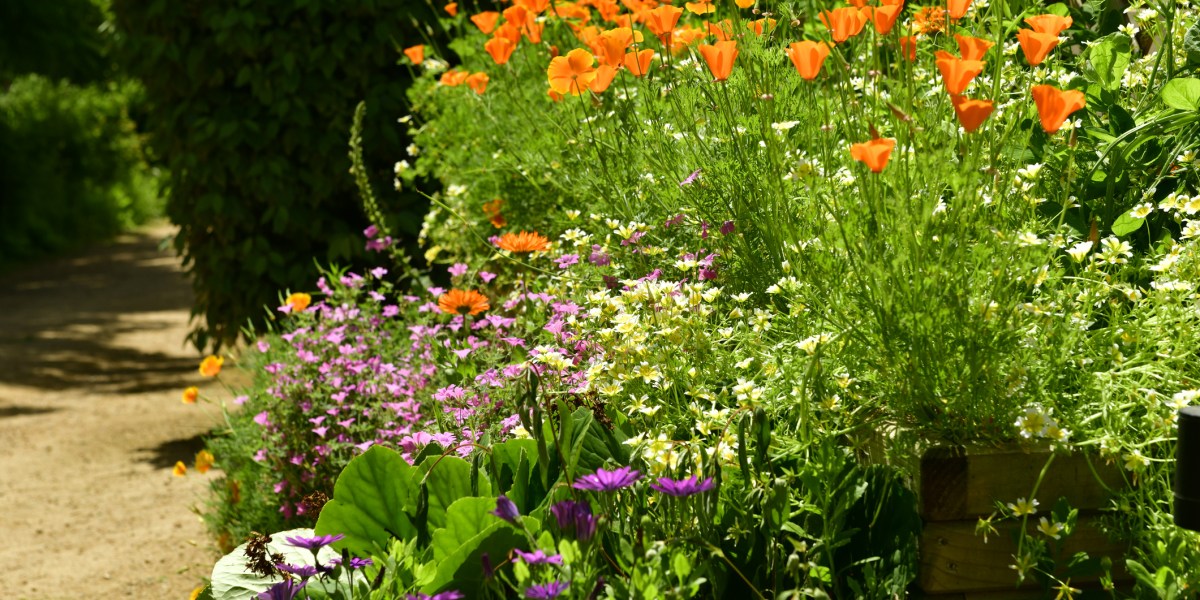
Not all plants clock out for winter, and some of the hardest-working ones are Western natives that quietly bloom when pollinators need them most. Structural perennials, evergreen shrubs, and winter-flowering natives provide a backbone and visual interest long after summer color fades. In milder Western regions, look to manzanita, which blooms in late winter with soft pink or white bells that hummingbirds and early bees adore. Ceanothus offers glossy evergreen foliage and early blooms that light up the landscape just as pollinators reemerge. Toyon’s red winter berries pulls double duty, adding color while feeding birds.
Upgrade Containers for Seasonal Impact
Thomas J. Story
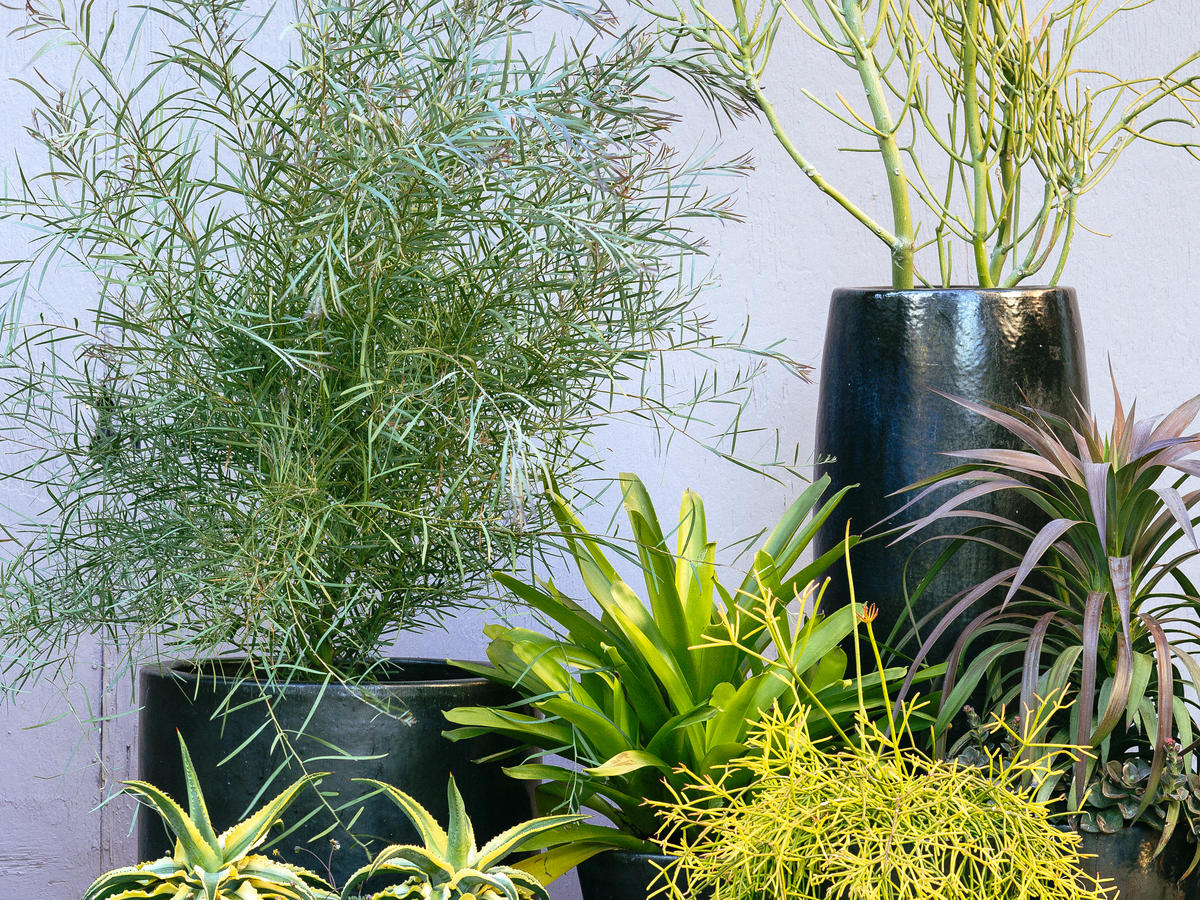
Containers are your secret winter superpower. Swap out summer annuals for hardy winter options like pansies, kale, cyclamen, or small evergreen topiaries. Add layers with moss, decorative stones, or even bare branches for depth and a bit of whimsy. Group pots of varying heights and textures near patios, entrances, or windows to create instant visual interest. Rotating containers closer to where you spend time, like near a front porch or outdoor seating area, makes your garden feel alive. A few carefully placed pots can make the difference between “forgotten yard” and “winter wow.”
Focus on Hardscaping & Structure
Thomas J. Story
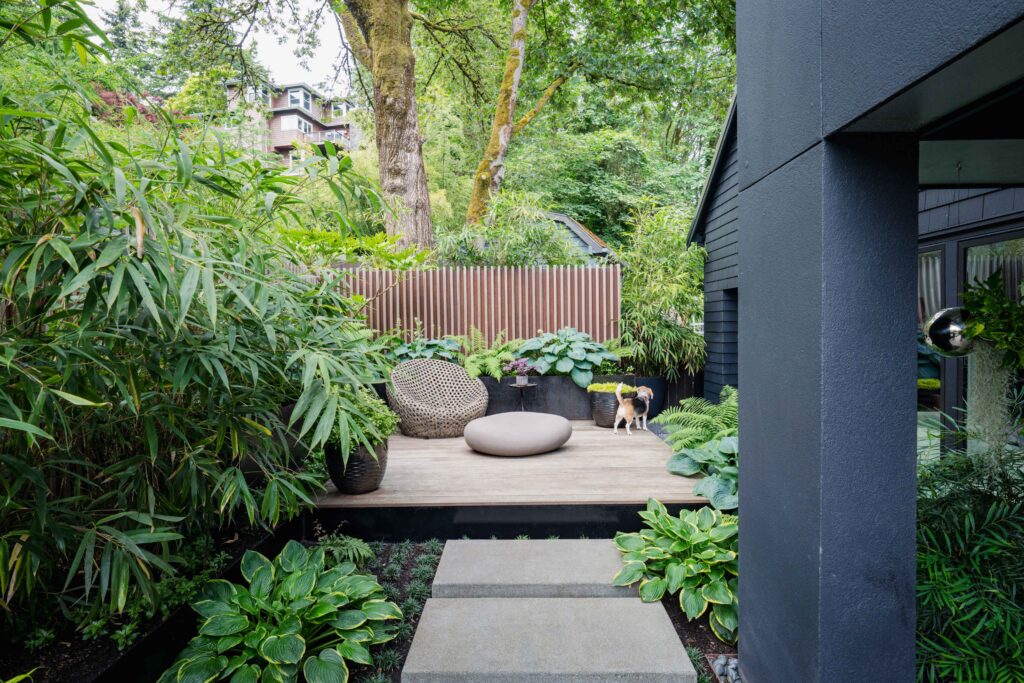
Your garden’s bones carry it through the off-season. Patios, pathways, walls, and fences aren’t just functional; they’re opportunities for style. Clean or reseal stone, edge garden beds with fresh mulch, or install decorative screens to give your exterior a more structured design. Even low-lift additions like benches, trellises, or lanterns can add personality and draw the eye. Highlight one sculptural element or a standout planter in each bed for a curated feel, and your winter garden will look like it was designed (and not abandoned).
Mulch & Soil Styling for a Clean Look
Thomas J. Story
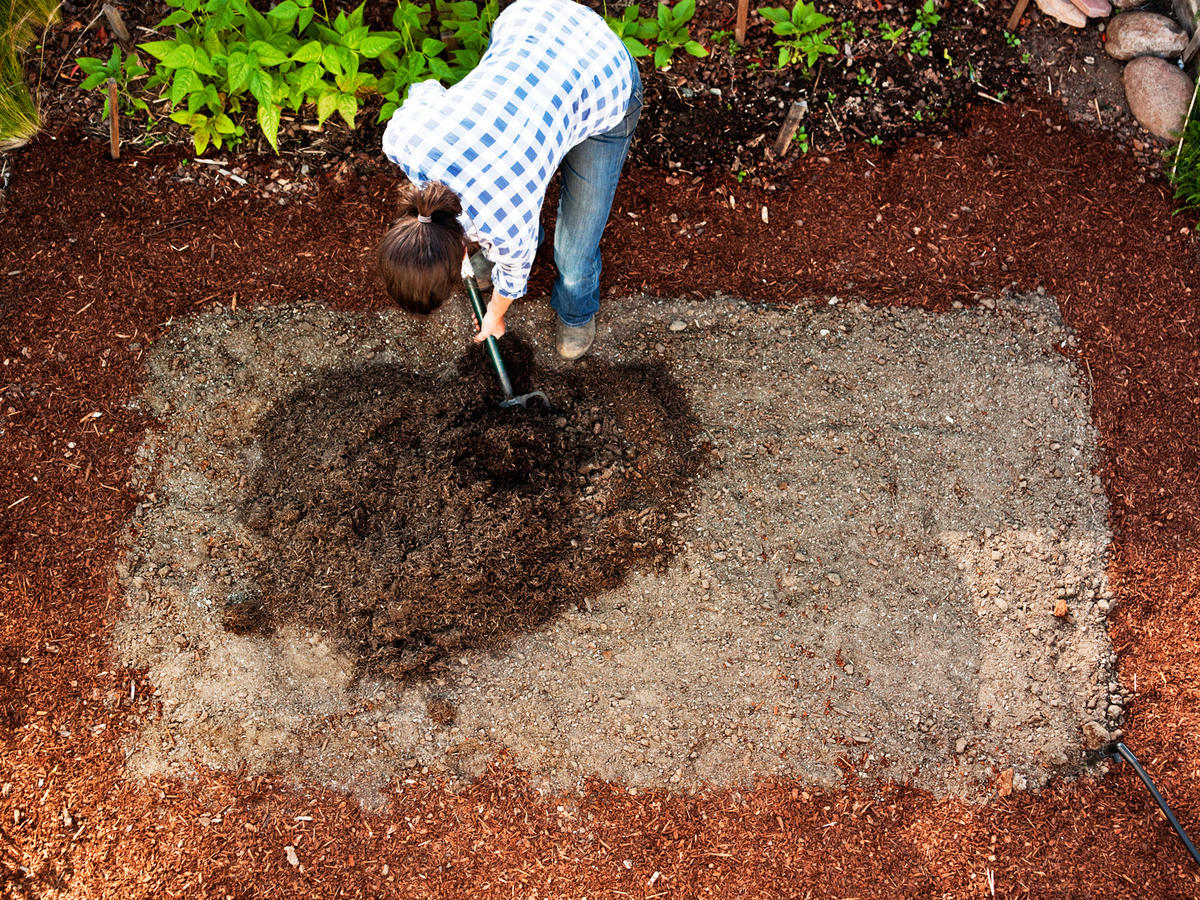
Mulch isn’t just for spring and summer; it’s your winter armor against visual chaos. A fresh layer keeps garden beds tidy, protects soil, and unifies different areas with a clean, cohesive look. Edge borders crisply for instant polish, and consider decorative bark or stones to add texture without extra effort. A simple compost top-dress not only nourishes soil but also signals that this space is cared for, even under frost. A winter garden should feel intentional at every glance, and a few inches of mulch go a long way.
Highlight Natural Texture & Winter Color
Thomas J. Story
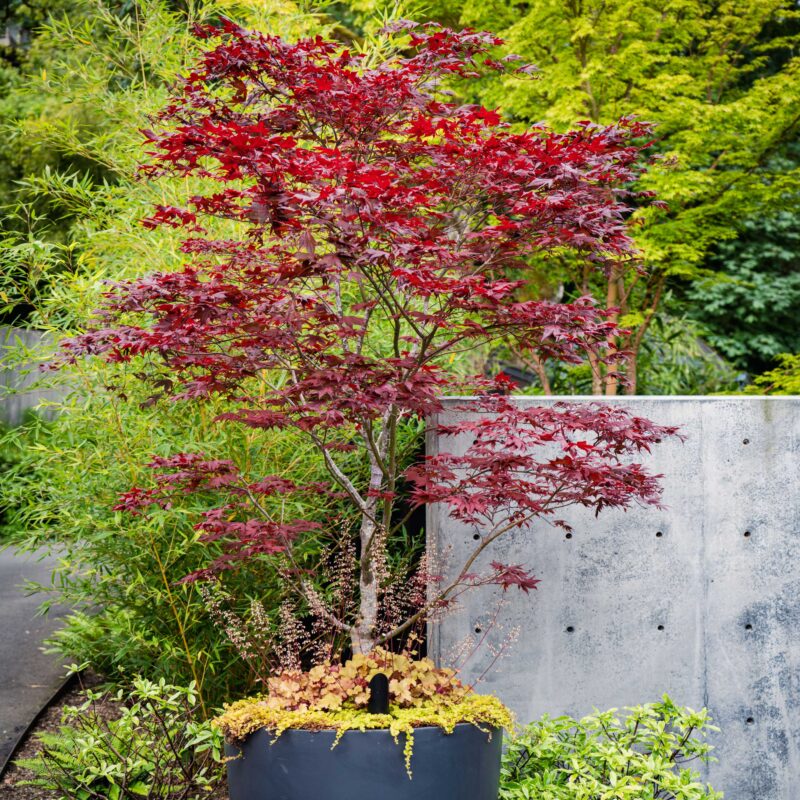
Winter is a season of subtle beauty. Seed heads, grasses, evergreen shrubs, and colorful stems create texture and movement that catches the eye. Berries, red-twig dogwoods, and conifers can act as unexpected pops of color against muted tones. Layer plants by height, texture, and color to make the garden feel vibrant even without blooms. Prune thoughtfully to frame views, emphasize structure, and allow natural patterns to shine. The key? Work with what the season offers rather than against it. Even a seemingly bare garden has layers of beauty waiting to be revealed.
Freshen up Raised Beds & Vegetable Gardens
Thomas J. Story
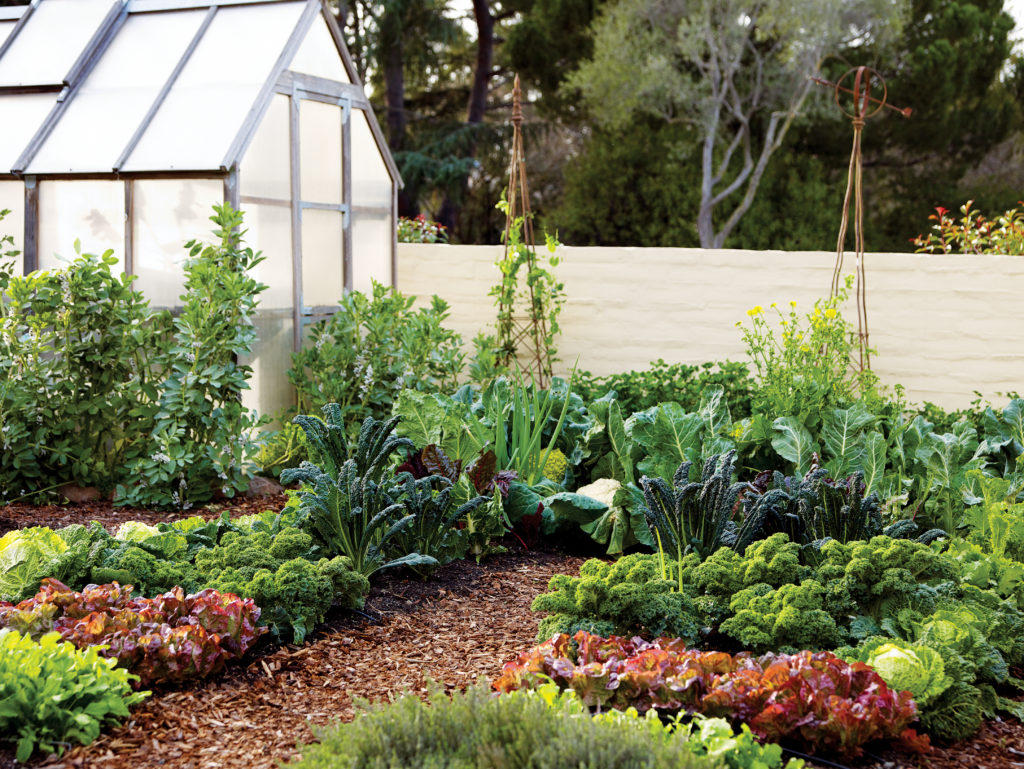
Winter is the perfect time to tidy up your edible spaces. Remove spent crops and debris to prevent a messy, abandoned look. Add a layer of compost or mulch to protect soil and give beds a polished finish. Consider planting winter-hardy greens like kale, chard, or spinach for color and texture, or a restorative cover crop like favas that will flower and bear edible gifts come spring. Small herbs or ornamental plants along edges can make beds feel curated. Highlight structural elements like trellises or raised-bed borders, and add subtle decor touches like painted bed edges or labeled stakes. Even in the cold months, your vegetable garden can feel orderly, lush, and full of life.
Add Seasonal Decor & Lighting

Thomas J. Story
A few thoughtful accents go a long way in winter. Placing string lights along trellises, solar path lights along walkways, or lanterns in seating areas can make the space feel cozy and intentional. Decorative elements like rustic planters, weatherproof sculptures, or bird feeders add charm without clutter. The trick is to keep it minimal as each piece should complement your garden’s natural rhythm rather than competing with it. And don’t forget scent: A rosemary pot or evergreen clippings can bring a sensory layer to chilly afternoons.
Keep Reading:
The Latest