Here’s Why You Might Find Your Next Great Garden Project on a Hike
Authors Kevin Philip Williams and Michael Guidi encourage taking native landscapes to the next level with naturalistic plantings inspired by Western shrublands.
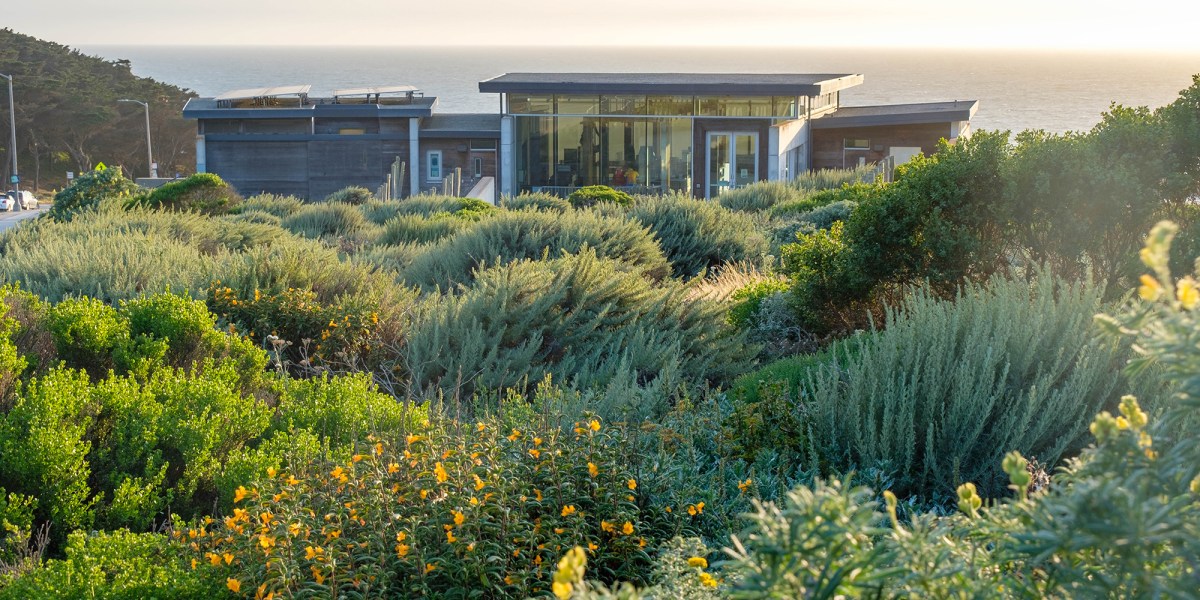
From Shrouded in Light: Naturalistic Planting Inspired by Wild Shrublands © 2024 by Kevin Philip Williams and Michael Guidi. Photograph by Michael Guidi. Published by Filbert Press in collaboration with Denver Botanic Gardens.
It’s time to update our vegetation vernacular to include shrubs. In Kevin Philip Williams and Michael Guidi’s latest book, Shrouded in Light: Naturalistic Planting Inspired by Wild Shrublands, we are challenged to rethink rewilding through inspiration, not instruction, drawing ideas from nature, personal life, and style. Here, they walk us through a few naturalistic planting tips for implementing stunning shrub-forward designs into our own backyards.
Shrub-Planting Tips
Localized Lens

From ‘Shrouded in Light: Naturalistic Planting Inspired by Wild Shrublands’ © 2024 by Kevin Philip Williams and Michael Guidi. Photograph by Bryant Baker. Published by Filbert Press in collaboration with Denver Botanic Gardens.
First things first, it’s time to get outdoors! Williams and Guidi suggest going on a hike or nature walk and “letting your mind get lost in the thick undulations or intense patterning of the scrub.” They encourage you to look at the whole landscape in a microcosm, taking note of spontaneous plant combinations, forms, and colors that strike you as interesting, attractive, or exhilarating. It’s also important to pay attention to the dominant vegetation elements within the landscape, as widespread shrubs in your area also have the advantage of being adaptable to a wide range of conditions, making for a tough and versatile choice. Be sure to use a plant identification app to catalog your discoveries before visiting your local native plant nursery.
Coupled Considerations

From ‘Shrouded in Light: Naturalistic Planting Inspired by Wild Shrublands’ © 2024 by Kevin Philip Williams and Michael Guidi. Photograph by Sean Hogan. Published by Filbert Press in collaboration with Denver Botanic Gardens.
When building a shrubland-inspired garden, companion planting for ecodiversity still applies. Shrubs are excellent nurse plants, creating microclimates that help facilitate the successful growth of forbs, grasses, vines, and succulents. Williams and Guidi also recommend direct-seeding companion plants for shrubs to achieve a rich, layered aesthetic that also builds garden resiliency. The microclimates around shrubs will determine which plants germinate and thrive from your seed mix. This process of self-selection will achieve both a naturalistic aesthetic and ensure more resilient plants in the long term.
Intentional Integration

From ‘Shrouded in Light: Naturalistic Planting Inspired by Wild Shrublands’ © 2024 by Kevin Philip Williams and Michael Guidi. Photograph by Kevin Philip Williams. Published by Filbert Press in collaboration with Denver Botanic Gardens.
Designing with shrubby plant material means embracing constant form and structure. Read the cues in your landscape that call for masses and voids, and let the shrubs exaggerate, shroud, and play with the existing space. Get to know the pace and patterns by which an herbaceous system becomes shrubby, and look for unexpected inspiration from powerline cuts, mowed roadsides, and abandoned city lots, which can all be places of unexpected wildness and beauty. Remember, the goal isn’t to perfectly recreate an existing natural system but to create something novel and generative.
Set up for Success

From ‘Shrouded in Light: Naturalistic Planting Inspired by Wild Shrublands’ © 2024 by Kevin Philip Williams and Michael Guidi. Photograph by Michael Guidi. Published by Filbert Press in collaboration with Denver Botanic Gardens.
When it comes to site selection, any garden or condition can be matched to a naturally occurring shrubland. Observe the spontaneous plant communities in your localized region that are growing in habitats similar to your garden, and use those specimens as the basis for your plantings. To saturate your garden with potential, use a combination of seeding and planting to create a dense, vibrant garden. Most importantly, know your limits when it comes to ongoing maintenance. Shrubscapes can be designed to be cut back yearly like many herbaceous gardens, or they can be designed to grow together for several years without needing an intricate intervention.
Wildly Wonderful Plant Pairings

From ‘Shrouded in Light: Naturalistic Planting Inspired by Wild Shrublands’ © 2024 by Kevin Philip Williams and Michael Guidi. Photograph by Kevin Philip Williams. Published by Filbert Press in collaboration with Denver Botanic Gardens.
Shrublands in the West are packed with inspiration throughout its diverse topography, geology, hydrology, and microclimates. While it feels inadequate to point out just a few plants important to each region, authors Kevin Philip Williams and Michael Guidi are huge proponents of getting to know the basic players that might otherwise be overlooked. Here, they share a shrub starting point localized for four Western territories to take into your own localized landscape.
West Coast/California
California’s coastal sage scrub and mixed chaparral were a huge source of inspiration for us and can be found in different combinations from Southern to Northern California. Some major players are California sagebrush (Artemisia californica), black sage (Salvia mellifera), white sage (Salvia apiana), and California buckwheat (Eriogonum fasciculatum).
Pacific Northwest
The edible brambles and thickets of the Pacific Northwest are the envy of anyone who wishes to graze on the fruit of the shrub: salmonberry (Rubus spectabilis), thimbleberry (Rubus parviflorus), tall Oregon grape (Mahonia aquifolium), and salal (Gaultheria shallon).
Intermountain West
The Great Sagebrush Sea is one of North America’s most expansive shrublands. Its harshness holds extreme forms and vivid colors. Big sagebrush (Artemisia tridentata), rubber rabbitbrush (Ericameria nauseosa), antelope bitterbrush (Purshia tridentata), and curl leaf mountain mahogany (Cercocarpus ledifolius).
Southwest
The succulent scrub and desert scrublands of the Southwest offer pacing, pain, and fragrance. Ponil (Fallugia paradoxa), creosote bush (Larrea tridentata), honey mesquite (Prosopis glandulosa), and brittlebush (Encelia farinosa).
Get the Book

‘Shrouded in Light: Naturalistic Planting Inspired by Wild Shrublands’ © 2024 by Kevin Philip Williams and Michael Guidi. Cover photograph by Bryant Baker. Published by Filbert Press in collaboration with Denver Botanic Gardens.
We only recommend things we love. If you buy something through our site, we might earn a commission.