
Stop Doing These 6 Things in Your Garden This Year
Garden trends experts say are officially over in 2026.
Thomas J. Story
Every garden year begins with good intentions… and sometimes a few habits we’ve simply outgrown. As Western gardeners look ahead to a new season shaped by climate realities, evolving design tastes, and a desire for deeper connection, it’s clear that some once-popular practices no longer serve us (or our landscapes).
To help separate what’s worth keeping from what’s ready to be composted, we turned to three voices shaping the future of how we garden—each sharing their expertise at the upcoming Northwest Flower & Garden Festival, where fresh ideas, thoughtful design, and climate-forward gardening take center stage. They include Felicia Feaster, HGTV contributor and author of The Goth Garden: The Mystery, Beauty, and Lore of Dark Gardening; Rhonda Kaiser, founder of Southern Home and Farm and author of The Vintage Farmhouse Garden; and Krystal Duran, founder of Plants With Krystal and a plant educator known for bringing honesty and heart to modern plant care.
With a thoughtful reset in mind, our experts are calling out the habits, design fads, and mindsets everyone should officially leave behind in 2026—and what they recommend embracing instead. Consider this your permission slip to garden differently this year, with more personality, resilience, and joy.
1. Generic, Cookie-Cutter Gardens
Thomas J. Story
Stop: Playing it safe with the same shrubs, roses, and lawns as everyone else.
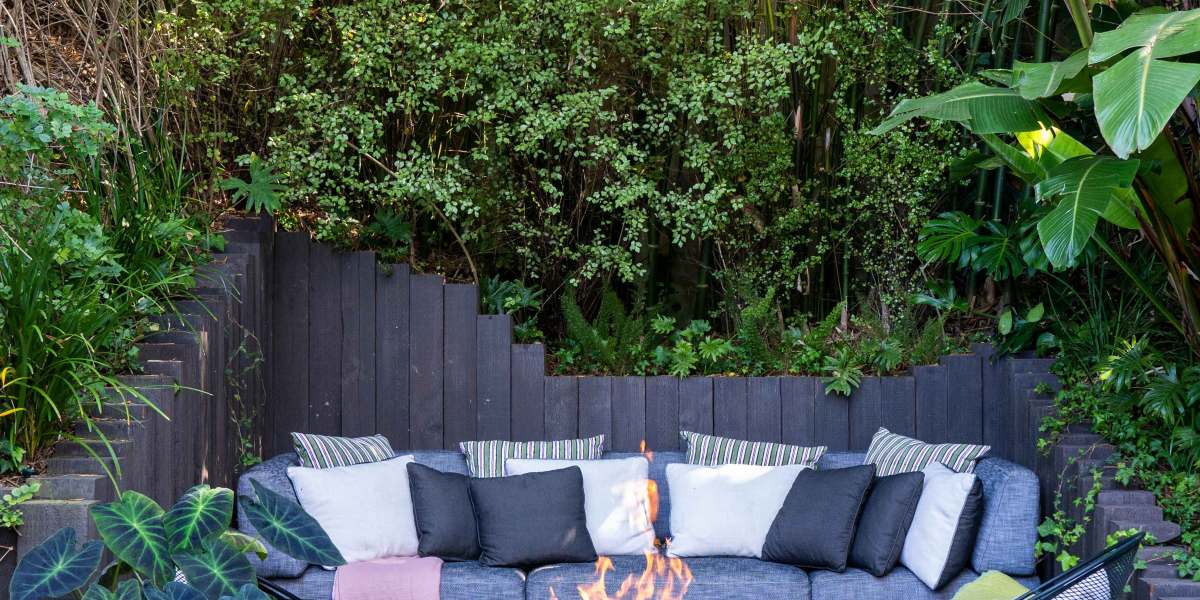
As design-savvy home and apartment dwellers embrace more maximalist, collected interiors, Felicia Feaster says the same shift is happening outdoors. Younger gardeners, in particular, are moving away from “the ubiquitous Knock Out roses, boxwoods, and perfect green lawns that emphasize symmetry and tidiness, epic maintenance, and water use.”
Start: Designing a garden that reflects who you are. Feaster notes that today’s gardens should “speak to the interests of the gardener,” drawing inspiration from goth gardens and romantic cottage-style plantings layered with history and mood. Expect a lush blend of peonies, hydrangeas, and lilies—plants introduced to England and America in the 19th century—arranged in a way that feels personal, expressive, and intentionally imperfect.
2. Gardening for Aesthetics Alone
Thomas J. Story
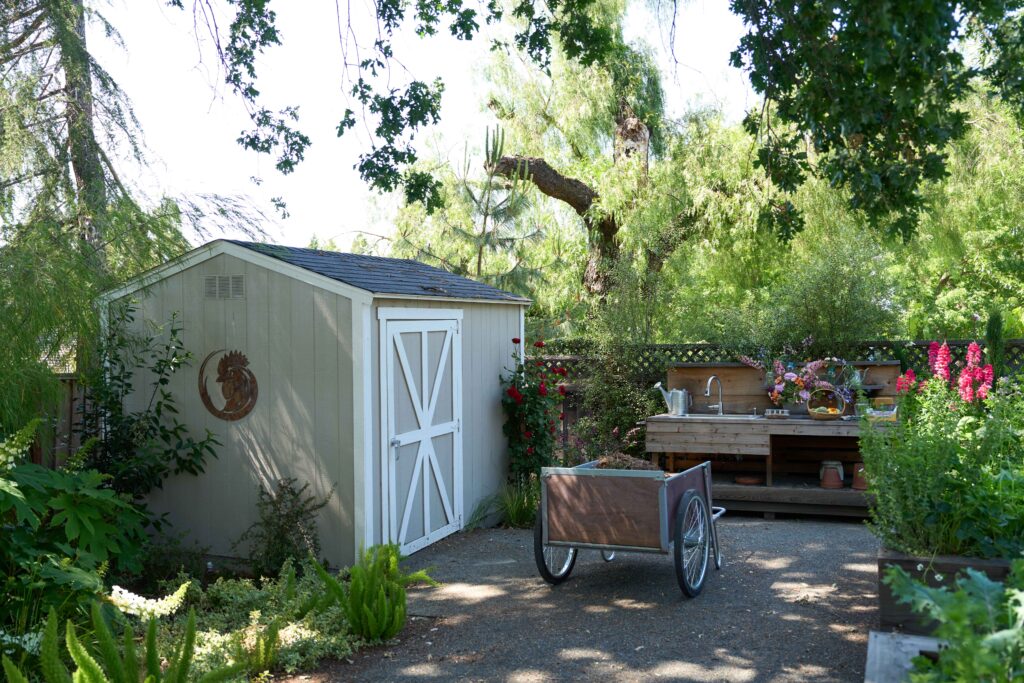
Stop: Treating the garden as decor only. “Gardens have always brought beauty to the world,” Feaster says, “but they are far more than that in a chaotic, climate-change threatened planet.” In other words, looks alone no longer cut it.
Start: Letting your garden do some good. Whether it’s planting pollinator-friendly flowers, replacing grass with native plants, composting to reduce waste, or switching to battery-powered lawn tools, Feaster points out that “small changes carried out by many can lead to a huge environmental impact.” The modern Western garden is equal parts beautiful and beneficial.
3. High-Maintenance, Water-Loving Plants
Thomas J. Story
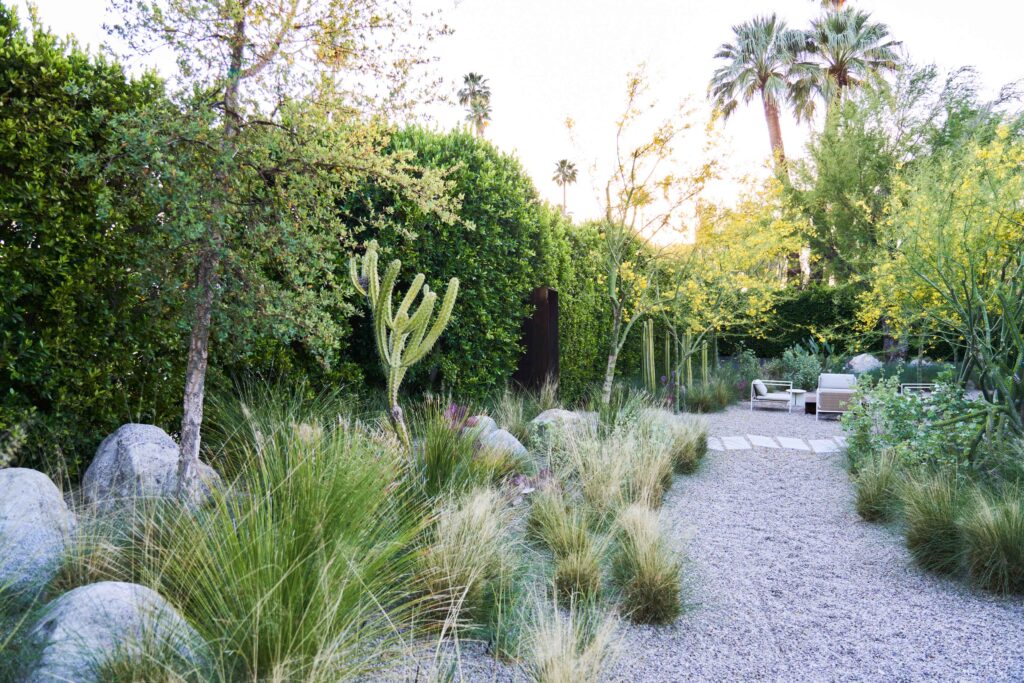
Stop: Creating large garden areas filled with thirsty annuals and ornamental plantings that require constant watering, fertilization, and replacement. This approach, says Rhonda Kaiser, is increasingly out of step with the realities of Western climates and water use.
Start: Choosing plants that work with your environment. Kaiser emphasizes the need to shift toward “climate-resistant perennials, evergreen bushes, and native plants that grow well with less maintenance once planted.” These gardens feel more natural and are easier to care for, and, as she puts it, “a garden that works with its environment—not against it—will always age more gracefully.”
4. Designing for a Single Season
Thomas J. Story
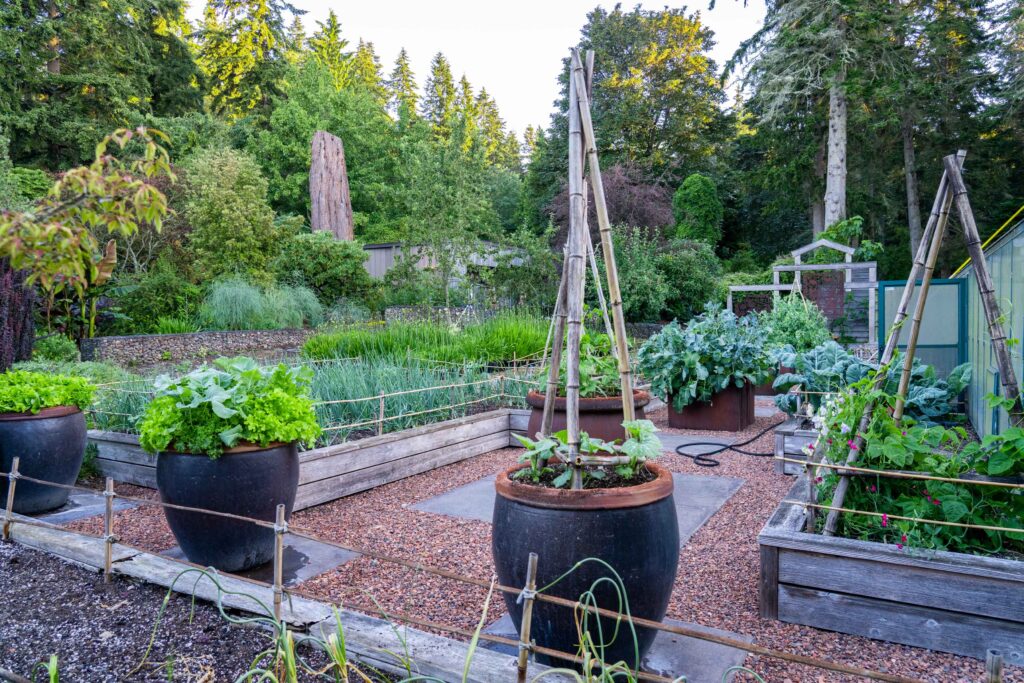
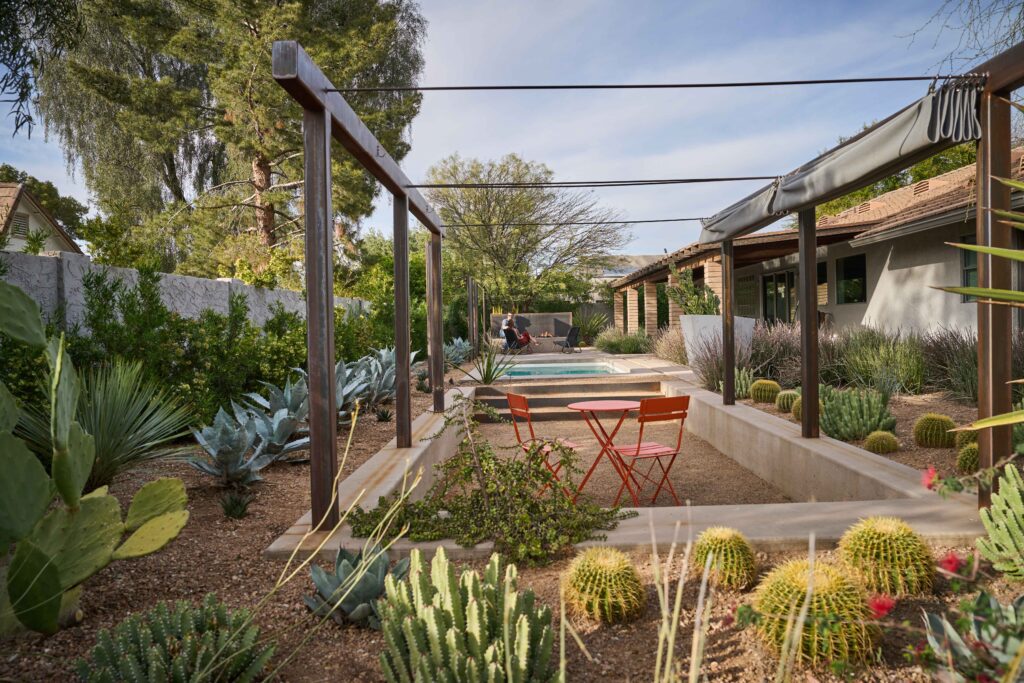
Stop: Creating a garden around one showy display—often spring—only to tear it out and start over once the blooms fade. While that moment of peak color can be thrilling, it leaves the rest of the year looking flat.
Start: Designing for four seasons of interest. Kaiser encourages gardeners to think long-term by incorporating “evergreen shrubs, interesting bark, seed heads, winter containers, and architectural features.” Even in dormancy, a well-designed garden offers texture, structure, and quiet beauty that rewards year-round observation.
5. “More Plants Is Better” (Especially Indoors)
Thomas J. Story
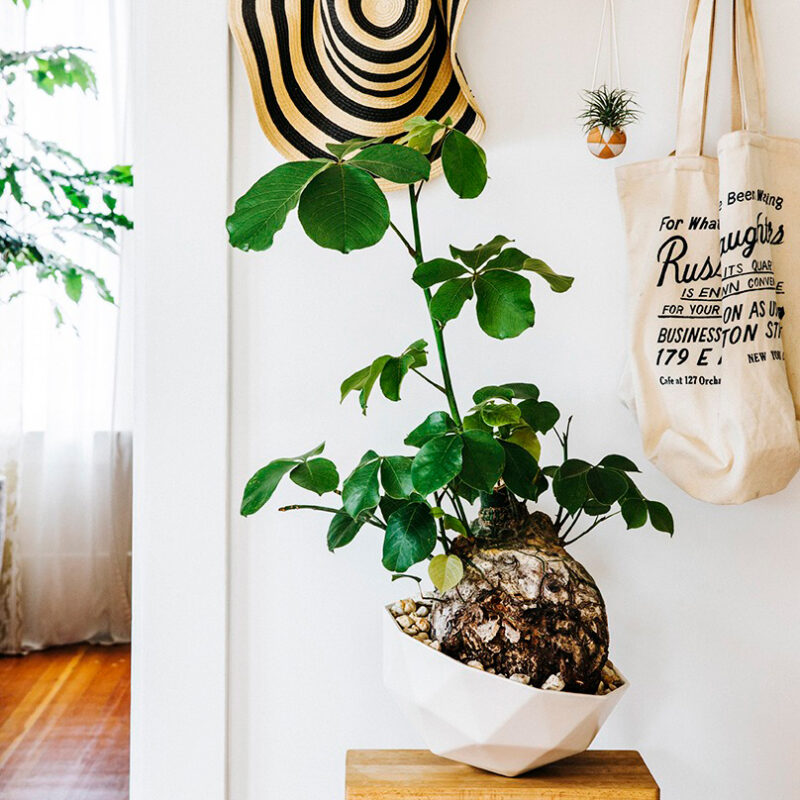
Stop: Filling every available surface with plants in the name of creating an indoor jungle.
Krystal Duran admits this was a mindset she once embraced herself. But as routines shift and schedules fill, overcrowding can quickly backfire, leading to neglected care, pests spreading rapidly, and increased water needs.
Start: Curating instead of accumulating. Duran encourages plant lovers to slow down and be intentional: Choose plants that fit your light, schedule, and space, and give them room to thrive. Designate a specific plant zone, keep the plants that tell a story, and remember that “fewer well-placed plants often create more impact and are easier to care for sustainably.”
6. Expecting “Perfect” Plants
Thomas J. Story
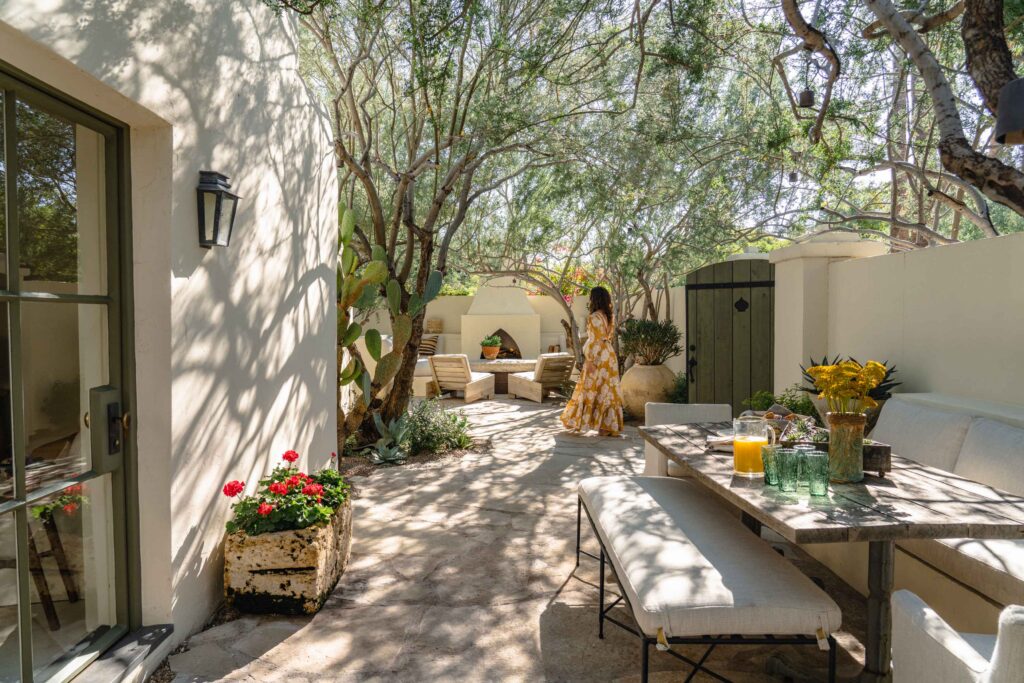
Stop: Expecting houseplants to look flawless at all times.
As Duran notes, we’re growing plants that come from outdoor environments while trying to mimic their conditions indoors. Add social media’s highlight reel of pristine foliage, and it’s easy to mistake normal growth cycles for failure.
Start: Embracing plants as living systems with seasons. Duran encourages allowing for rest periods, uneven growth, chopping and propagating, and leaf imperfections. This mindset shift, she says, “builds confidence, eliminates stress, and helps people develop a deeper, more realistic relationship with their plants.”
You’ll see these ideas and more in full bloom at the Northwest Flower & Garden Festival, where spring arrives early in Seattle. Returning to the Seattle Convention Center February 18–22, 2026, the beloved event—presented by the Puyallup Tribe of Indians—celebrates the theme of “Spring Parade,” blending horticulture, cultural storytelling, and sustainability through lush displays, expert seminars, and immersive experiences.
Early-bird tickets are available now at www.gardenshow.com.
We only recommend things we love. If you buy something through our site, we might earn a commission.