5 Fall Bulb Planting Mistakes That Will Sabotage Your Spring Garden
Try these pro autumn planting tips for bountiful blooms during the season ahead.
Courtesy of Elizabeth Lanier Photography
Spring gardens aren’t made in spring—they’re dreamed up, plotted, and tucked into the soil when the air turns crisp and the days shorten. Autumn planting is an act of faith, and if you’ve ever walked outside in March to see the first daffodil poke through the snow, you know the magic. But as with any garden project, a little planning (and a few insider tricks) can make the difference between a sparse scattering of flowers and a show-stopping display that keeps blooming for months.
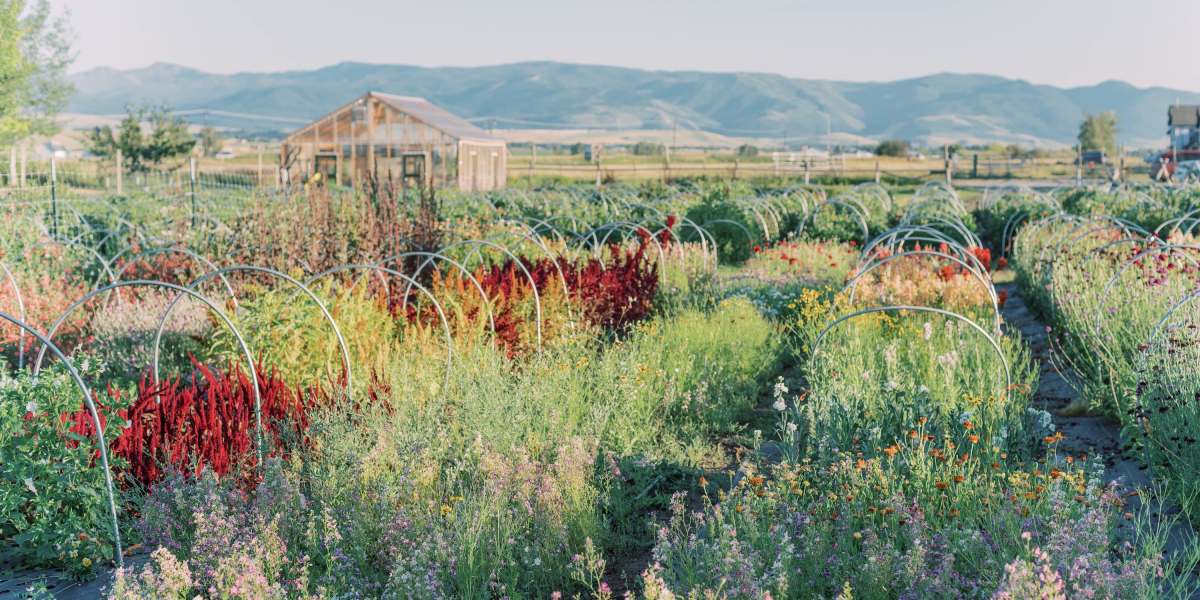
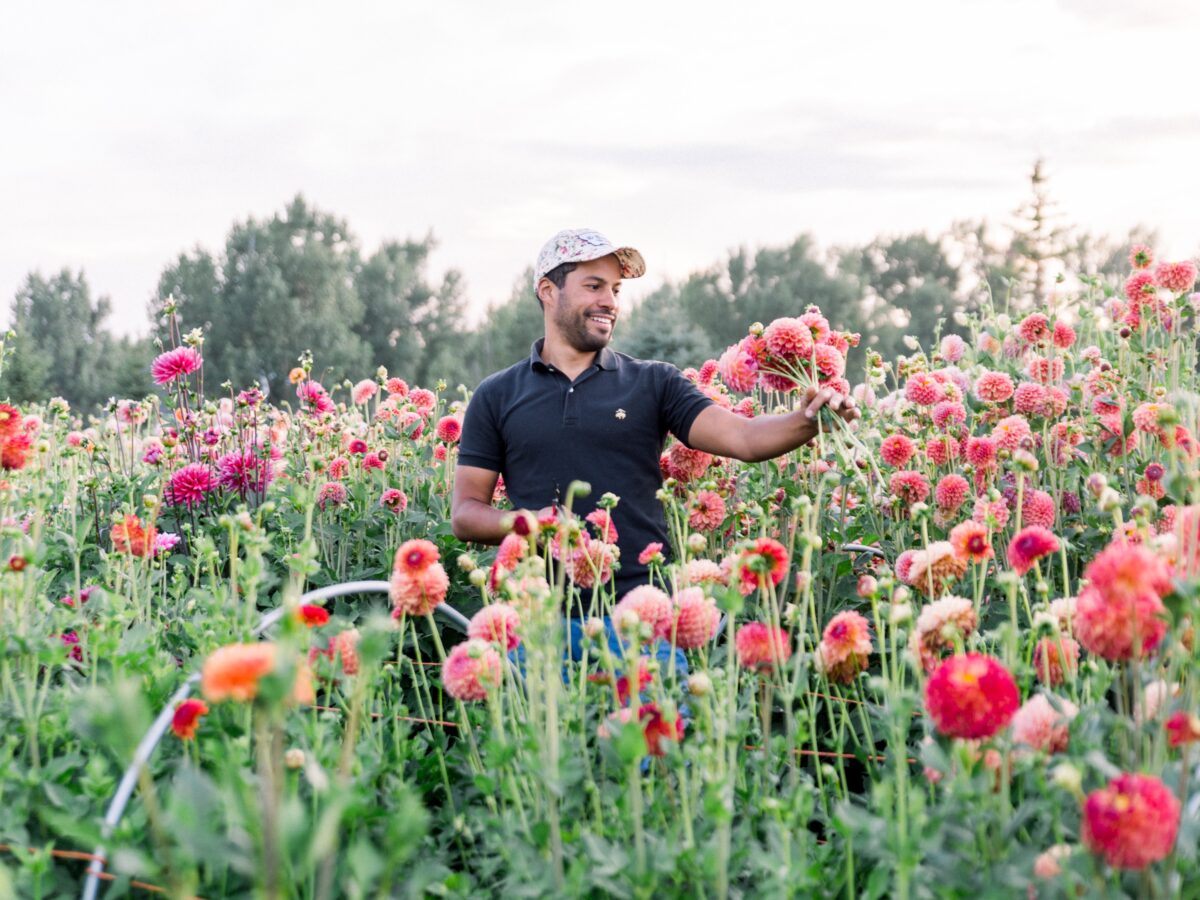
We turned to Julio Freitas, owner of Bozeman’s beloved floral design studio and farm The Flower Hat. On less than an acre, Julio grows thousands of blooms every season—proof that a short growing season and limited space don’t mean you have to skimp on beauty. Read on to find out how he preps and plans to make bulbs the secret to his early-spring floral abundance.
Why Bulbs Deserve a Second Look
Troy Meikle
“When I started growing flowers, I learned that waiting for annual seeds to bloom was not an efficient way to have a consistent influx of flowers,” Julio explains. “I had to find a way to extend the season, not only in the fall with late-blooming flowers, but most importantly in the spring with an early flush to hit Mother’s Day and spring weddings. And that’s where bulbs came in.”
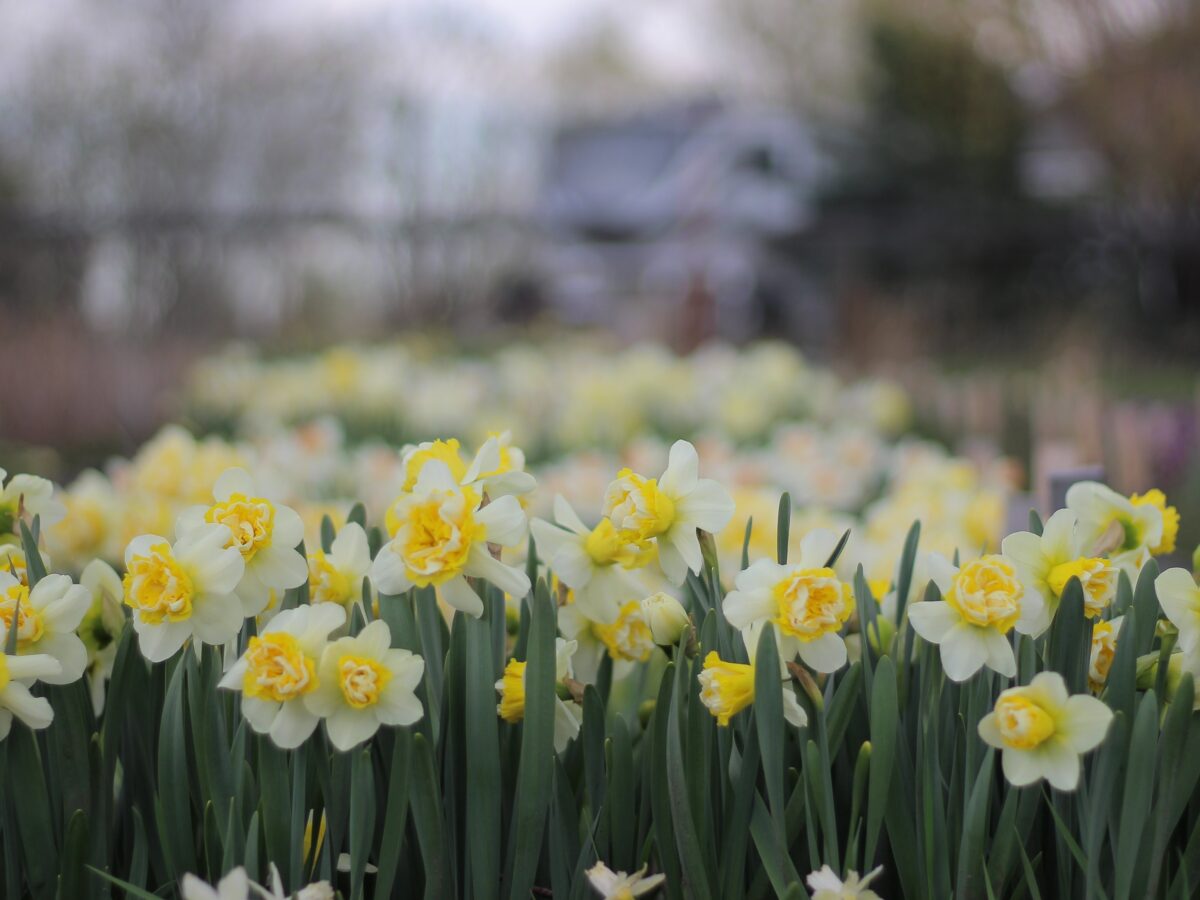
Bulbs are often treated as an afterthought in home gardens. Toss in some tulips, call it a day. But Julio insists that when thoughtfully chosen and planted, they’re the ultimate low-effort, high-reward investment. “I think narcissus (a genus of spring-flowering perennial plants of the amaryllis family, including daffodils) are one of the most overlooked and undervalued flowers you can grow,” he says. “They’re the first to bloom in the garden and they perennialize quite easily. Plus, they’re deer resistant, unlike most other bulbs.”
For Julio, bulbs also carry deep personal meaning. “I grew up in Brazil, and one of my absolute favorite subjects to paint was parrot tulips,” he recalls. “When I moved to Montana, my very first garden was small, but packed full of tulips. That following spring was magical.”
How to Choose the Right Bulbs for Your Climate
Courtesy of The Flower Hat/Julio Freitas
If you’re new to bulbs, the first step is knowing your USDA Hardiness Zone. Why? Because bulbs rely on chilling time: weeks of cold temps that trigger flower development.
“Tulips and daffodils need at least 12 weeks of temperatures between 35°F and 45°F,” Julio explains. “If you live in northern climates, you can plant hardy bulbs like crocus, hyacinths, tulips, and daffodils in the fall and nature will take its course. But in warmer climates, it’s better to buy pre-chilled bulbs, or take advantage of your mild winters and plant ranunculus and anemones in the fall for an early spring flush.”
Pro Tip: Gardeners in SoCal shouldn’t lose hope. You can still grow classic bulbs—you just need to cheat the chill by buying pre-chilled varieties, or pivot to bulbs that love mild winters.
When to Plant: The Frost Trick
Courtesy of The Flower Hat/Julio Freitas
Timing your planting is critical, especially in colder climates. Julio’s simple rule: “Plant after the first fall frost.” In Bozeman, that usually means mid-October through early November, but in warmer zones, aim for late October or early November, before your soil freezes. Plant too early, and your bulbs may sprout before winter; too late, and the ground could be too hard to dig.
Set Your Soil up for Success
Courtesy of The Flower Hat/Julio Freitas
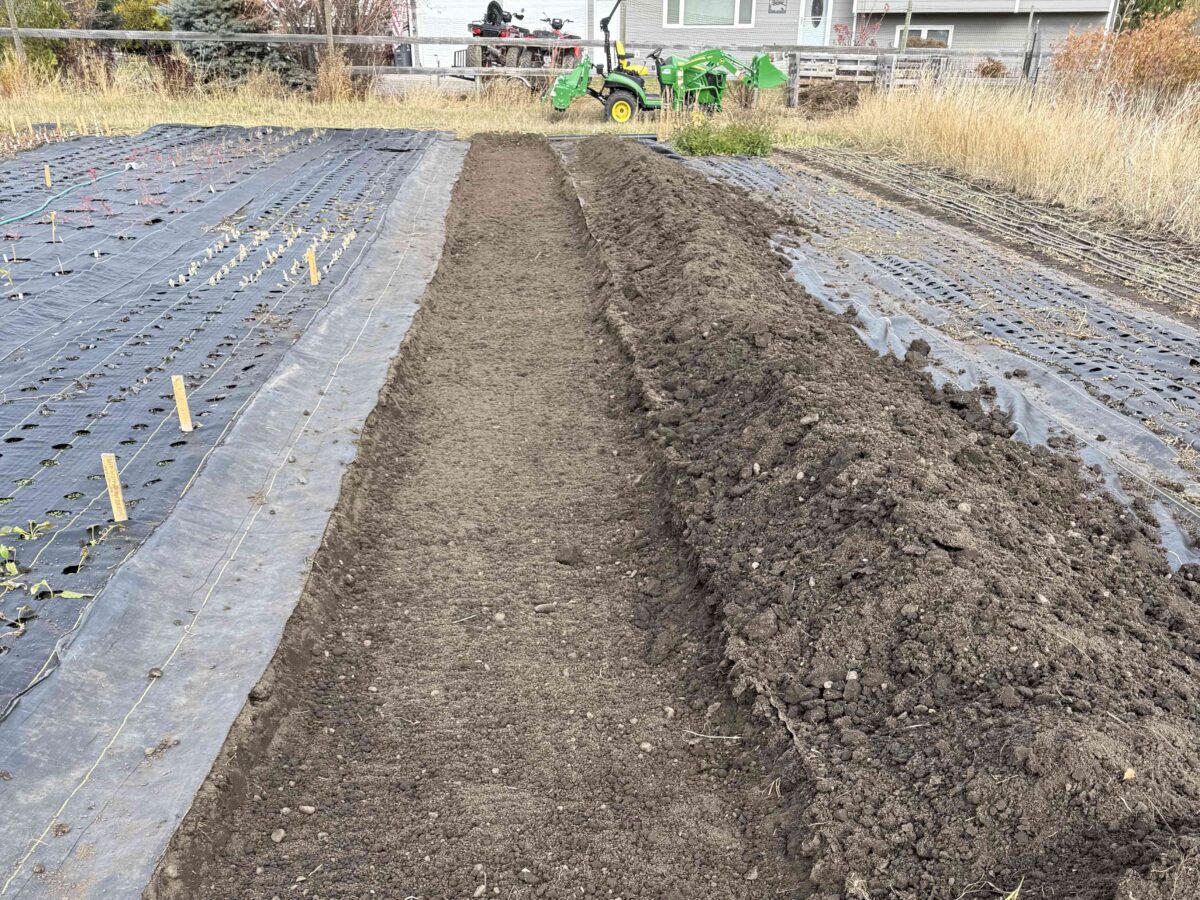
If you’ve ever wondered why bulbs didn’t bloom, your soil could be the culprit. “Bulbs don’t like sitting in water, but they also can’t dry out completely,” Julio explains. “Finding that middle spot is key.” He recalls visiting tulip fields in Holland where the soil was nearly pure sand—perfect drainage for bulbs.
If your soil tends toward clay, Julio suggests adding grit: “Choose amendments that add drainage, like sand, pumice, or perlite.” If you’re battling rocky ground? “Raised beds are the way to go. We tried picking the rocks once, but many were so small it was impossible. Building beds on top worked beautifully.”
Small Space, Big Impact
Courtesy of The Flower Hat/Julio Freitas
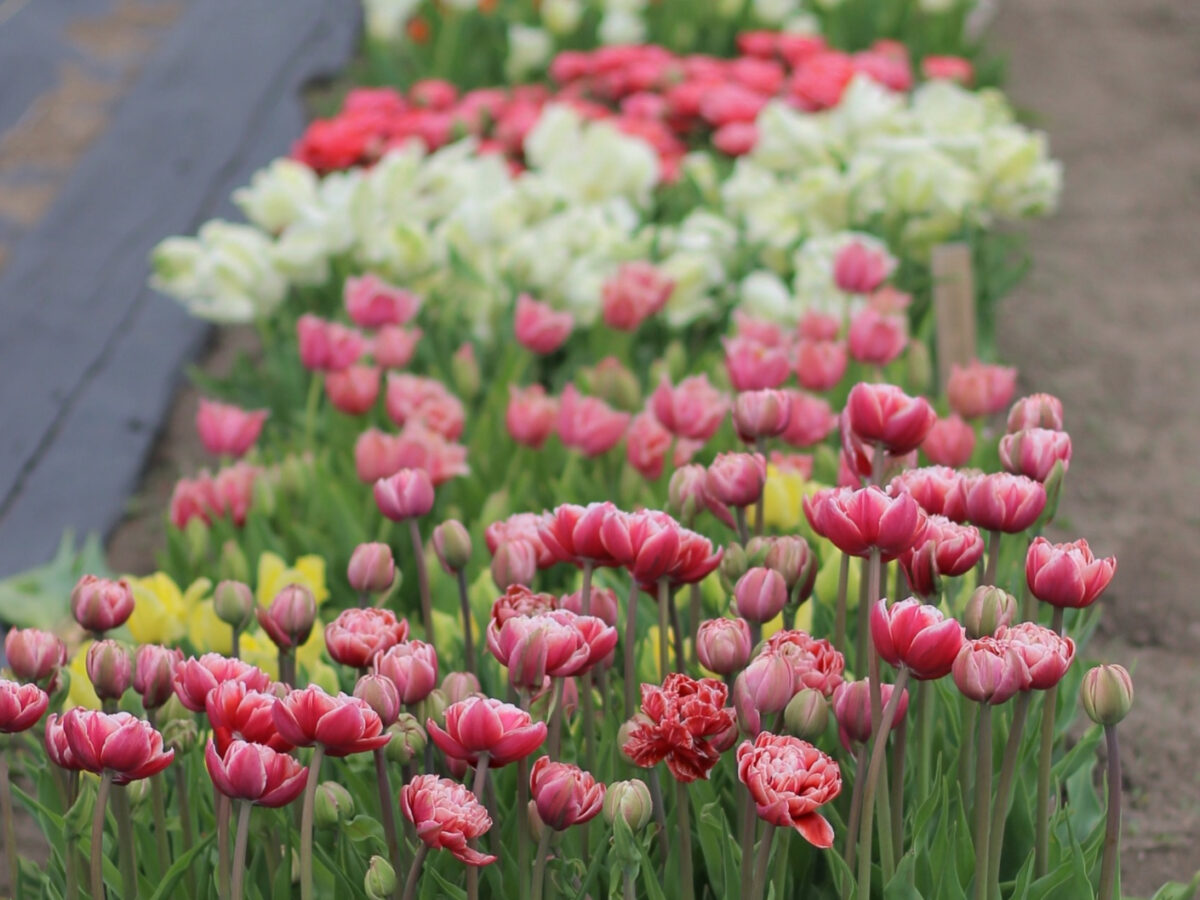
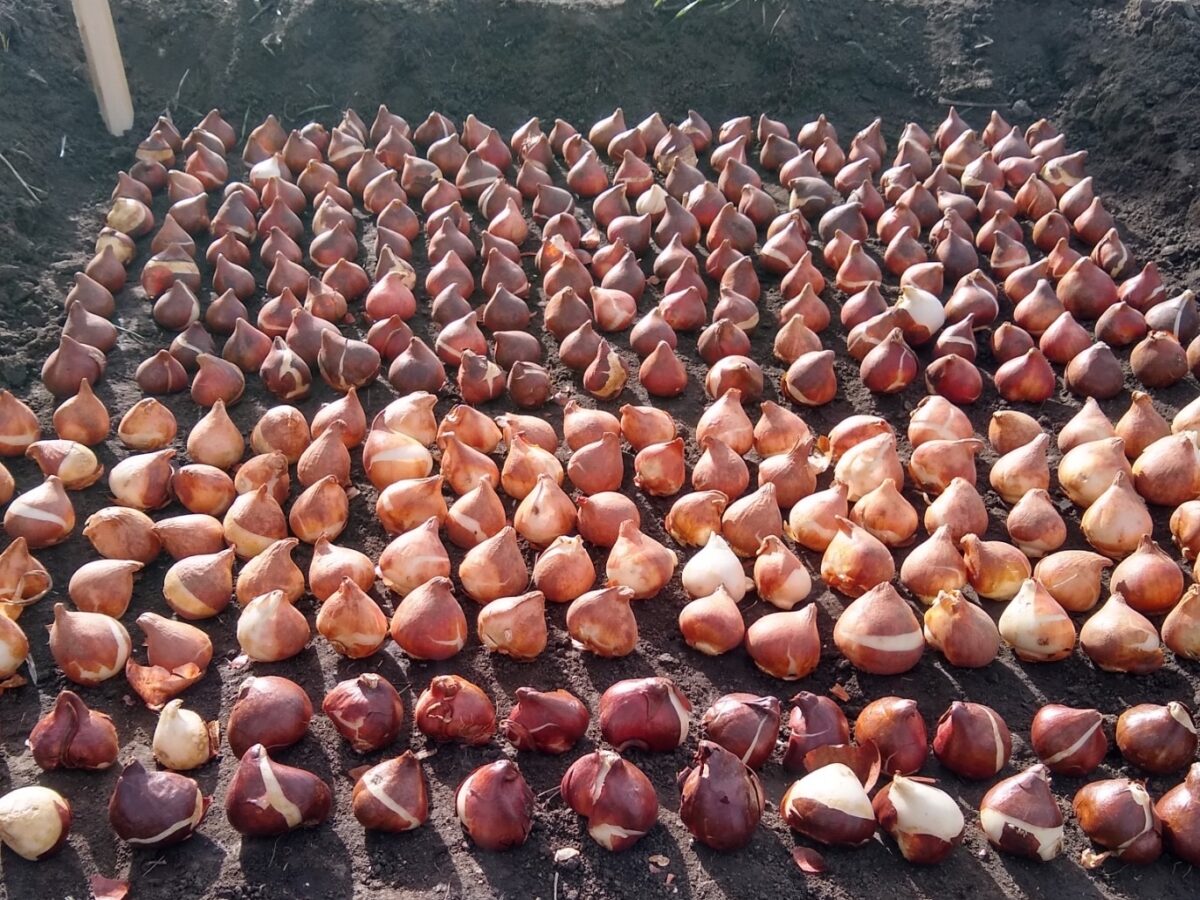
No yard? No problem. Bulbs are the ultimate compact powerhouse. “You can fit so many bulbs in one small space,” says Julio. “I use very tight spacing—tulip bulbs almost side by side. If you’re perennializing daffodils, leave 2-3 inches between them, since they’ll multiply.”
For maximum drama, skip the scattershot approach. “Instead of polka-dotting your plot, color block. Having a mass of one flower really adds a big impact, and if you repeat the same pattern, it will look like a beautiful tapestry.”
A Gardener’s Top 5 Bulb Mistakes (and How to Avoid Them)
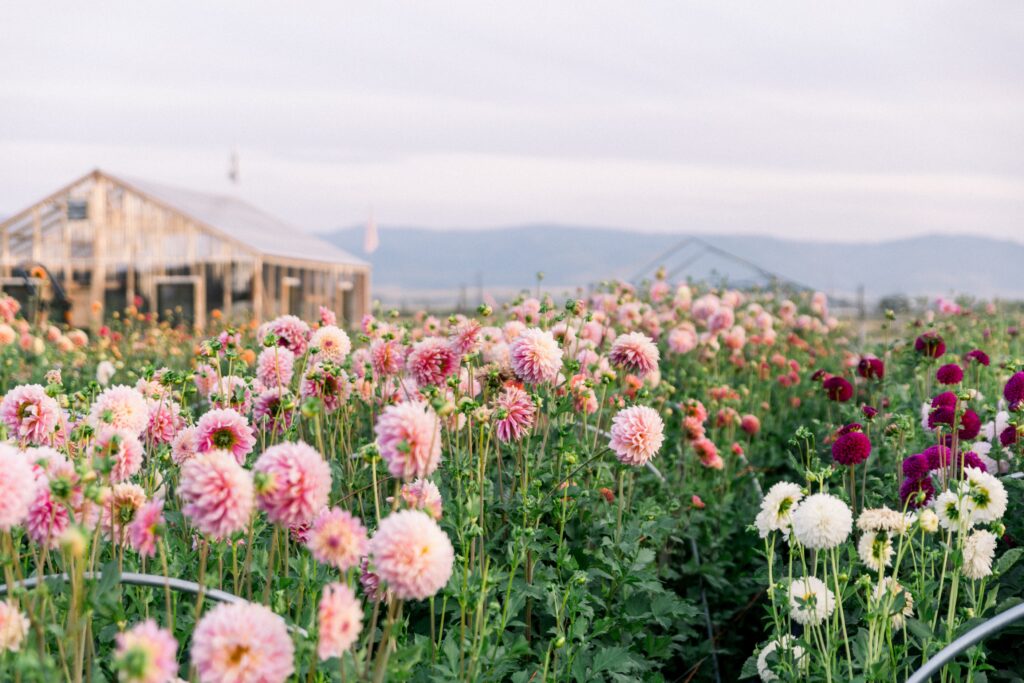
Troy Meikle
Julio has seen it all. Here are his no-nonsense warnings:
- Don’t underestimate deer pressure. If you’re in deer country, invest in deterrents—or better yet, an 8-foot fence.
- Don’t skip watering after planting. Bulbs need a good drink to carry them through winter. If snow is sparse, water a few times mid-season.
- Don’t expect tulip bulbs to return every year. Many of the fancy varieties are one-and-done. Treat them like annuals.
- Don’t store bulbs near fruit. Ethylene gas from ripening fruit can ruin them.
- Don’t forget to stagger bloom times. Buy a mix of early, mid, and late bloomers to extend your season.
Dreamy Design with Bulbs
Courtesy of The Flower Hat/Julio Freitas
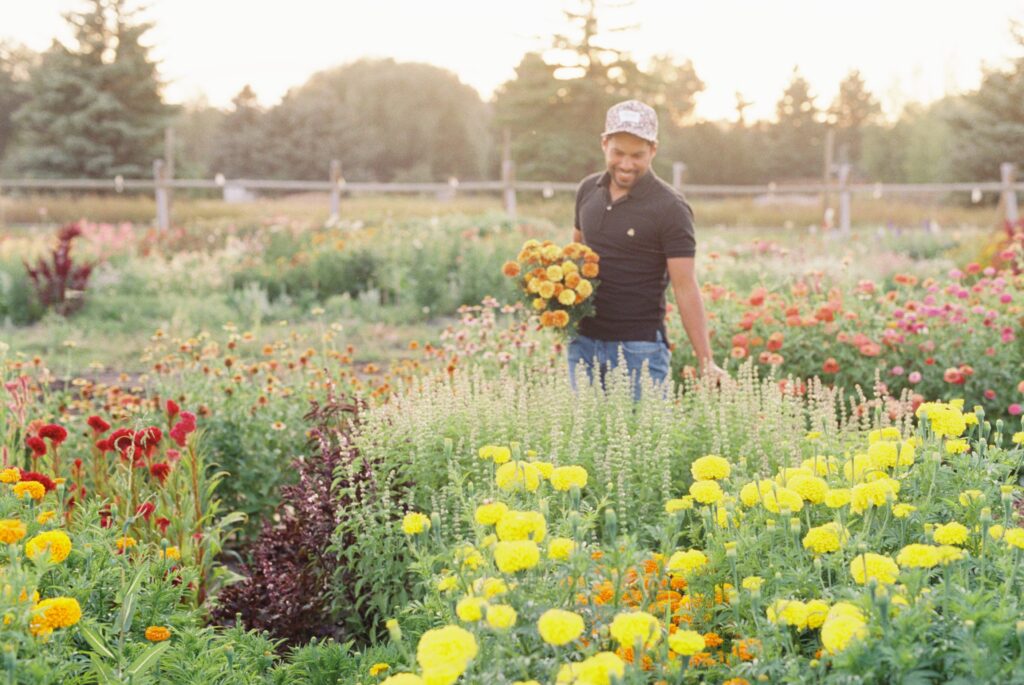
Planting bulbs isn’t just about filling beds, it’s about creating a garden that feels intentional. Julio recommends borrowing from floral design: Let every flower shine. “No flower deserves to be tucked in so far in an arrangement that no one will see it,” he says. “In the garden, I recommend the same theory—combined with color theory. When your eyes don’t have to do the work to understand the color combinations because it flows so easily, it’s a much more enjoyable experience.”
His go-to palettes? Think lavenders, deep purples, golds, and pale yellows planted in blocks, layered front to back by height. It’s garden theater: Every flower gets a role, every bloom a spotlight. If you’d like a little piece of Flower Hat farm in your own garden, Julio also has a bulb sale starting October 17th featuring an exclusive collection of breathtaking ranunculus, anemones, narcissus, and tulips.
Plant Deep, Dream Big
Troy Meikle
Julio admits he made plenty of mistakes early on, like planting too shallow. “The trick to getting extra stem length is planting the bulbs extra deep. Now I dig trenches at least 6 inches. Those extra inches make a world of difference.”
And while he’s a fan of tulips and daffodils, Julio wishes more Western gardeners would embrace anemones: “They’re so easy to grow, more heat- and drought-tolerant than ranunculus, and come in an incredible range of colors. We grow them by the thousands, but most people don’t even know they exist outside of the classic white-and-black variety.”
Planting bulbs in fall is part strategy, part dreamwork. It’s about investing in joy you won’t see for months—but when those first shoots emerge, you’ll thank your autumn self for the effort. As Julio proves, whether you’re gardening on an acre in Montana or a balcony in Los Angeles, bulbs are one of the simplest ways to guarantee a spring full of color, life, and a little bit of magic. If you’re looking for a few more insider tips, check out Julio’s resource guides, a 30 page illustrated book filled with tips to get you growing gloriously.