Insider Tricks from Plant Rental Experts for Gorgeous, Long-Lasting Houseplants
From smarter styling to thriving greenery, The Plant Library shares sustainable tips that make caring for indoor plants simple and stress-free.
Rhiannon Smith
Written byKristin Guy
December 9, 2025
Share this story
There’s something undeniably transportive about walking into a space lush with greenery—fronds framing a doorway, sculptural leaves catching the light, the air feeling just a little more alive. For most of us, achieving that kind of effortless, editorial-level plant styling at home feels… elusive. But for The Plant Library—a full-service greenery rental studio founded in San Francisco and now rooted in Los Angeles, Austin, New York, and Florida—it’s simply the rhythm of their work. What began as an event design team “turning to plants to decorate rather than static fixtures like draping or scenic props,” as co-owners Myka Haddad and Danielle Rowe recall, quickly evolved into building their own collection when local sourcing fell short. “There was really nothing to draw from in our home town of San Francisco that was up to the quality and aesthetic we were looking for,” she says. “So we made our own library of plants on our little back deck of our Potrero Hill studio. That’s how The Plant Library was born.”
Today, that small backyard collection has grown into a sustainability-driven operation creating living installations for weddings, film sets, and corporate events—while treating every plant as a long-term investment rather than a single-use prop. Their philosophy is simple and circular: “Our plants are considered a library, meaning we rent them to our clients, they enjoy them for their event, then return back to us, where we care for them and give them some rest,” Myka explains. It’s a model that drastically reduces waste and champions a slower, more thoughtful approach to indoor greenery.
Read on as Myka shares how to achieve long-term goals inspired by short-term rentals, with expert tips and tricks for a lush, thriving indoor oasis.
Think Like a Collector, Not a Shopper
Rhiannon Smith
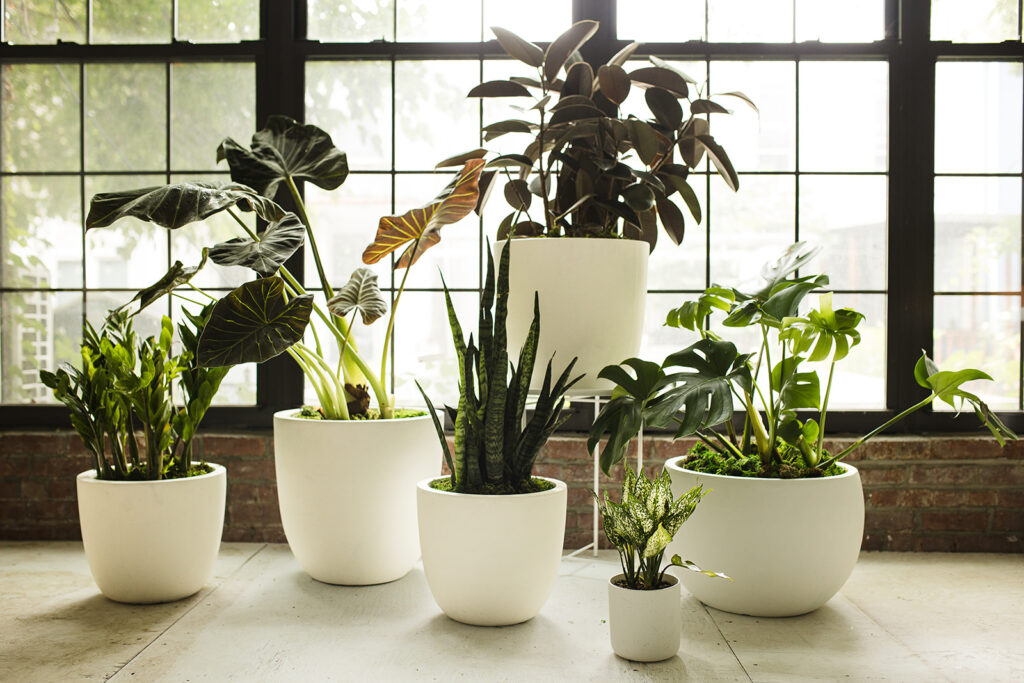
For Myka, the rental world’s biggest lesson is one she wishes every houseplant owner would embrace: intentionality. “Really look at your plants as a collection—not just a one off purchase,” she says. Instead of impulse buys, think of how each plant interacts visually and culturally with the rest of your home’s greenery.
“Think of the texture and scale… and consider how it will interact with the plants you already have. Plants look good with other plants,” she adds. For at-home styling, she recommends mixing sizes, shapes, and leaf architecture, and choosing cohesive pots. “The pots matter! Pick a color story so there is some cohesion overall.”
This collector mindset also supports sustainability: When you choose slower, long-lasting plants (versus “fast-fashion flora”) you create an indoor ecosystem that ages gracefully over time.
Start Simple, Grow Confidently
Rhiannon Smith
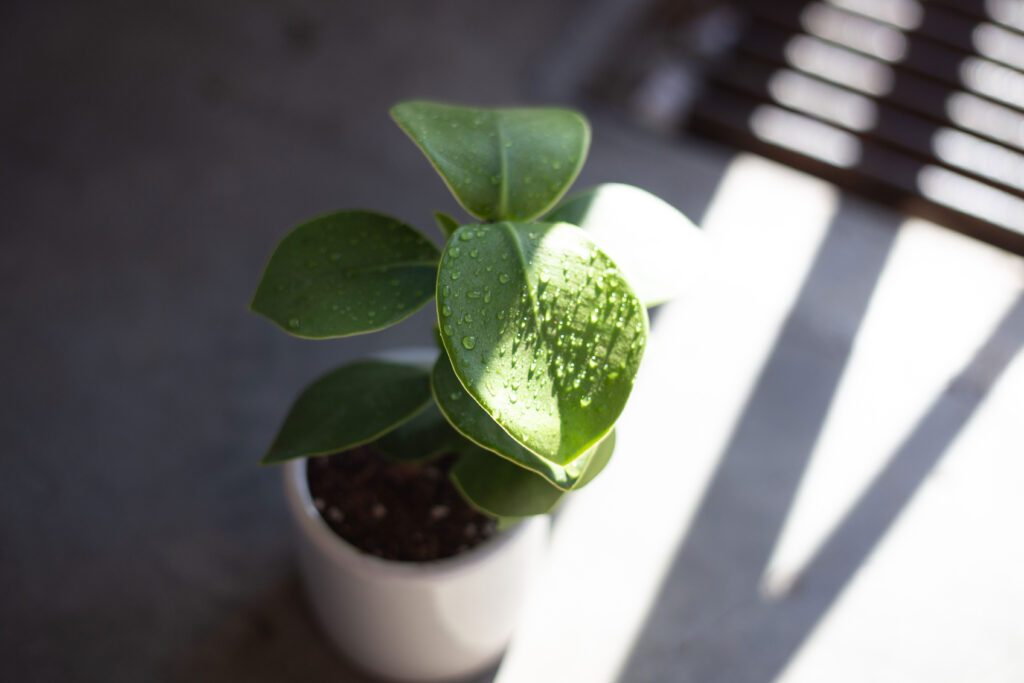
When asked which plant beginners should reach for, Myka doesn’t hesitate: “People always want a fiddle head fig… Go Audry fig! They are so much easier to care for and have a beautiful soft green leaf.” Audrey figs, she notes, “get really leggy and cool as they grow and can withstand quite a bit.” She suggests giving them a quarter-turn every now and then to encourage balanced branching.
And for general plant health? The Plant Library’s rental secrets are refreshingly down-to-earth: Give plants air circulation, don’t suffocate roots with soggy soil, and make sure containers drain properly. “We often will take a longer stick and create little aeration pockets in plants that look soggy,” Myka says. “This might just be fun for me, but we do think it helps. Don’t let your soil get exhausted or too packed down.”
Just as important is dialing in that elusive sunlight/water ratio. Myka says, “Plants have a sweet spot. You are either overdoing it or not paying attention. It’s one or the other! Yellow: too much water, not enough sun. Brown: too much sun, not enough water.”
A Design Approach That Works at Home
Rhiannon Smith
If you’ve ever marveled at a perfectly styled cluster of plants at an event, know that it’s not accidental. “Lots of looking at height and depth,” Myka explains. “Typically our plants are clustered together rather than just set up as a one-off tree or plant.” A thoughtful arrangement includes contrast and balance: “Having something low, full, and spilling next to things that have more height and structure.”
This technique works beautifully in living rooms, entryways, and even outdoor patios. It also encourages longevity, creating micro-environments where plants benefit from shared humidity and moderated light.
And refreshing a space seasonally doesn’t have to mean buying more plants. Try “re-potting—breaking things up and creating new plants or cuttings of old ones,” Myka suggests. Even topping soil with rocks or natural foraged finds can shift the energy of a room. “Our kids are always doing this sort of thing. Making little collections of nature within the plantings.”
Let Sustainability Guide the Way
Chad Wadsworth
The Plant Library’s circular model allows them to select plants that thrive in-season and source from growers who share their values. “We also partner with local growers and nurseries whenever possible,” Myka says, pointing to Austin’s Tillery Street Nursery as a newly tapped resource.
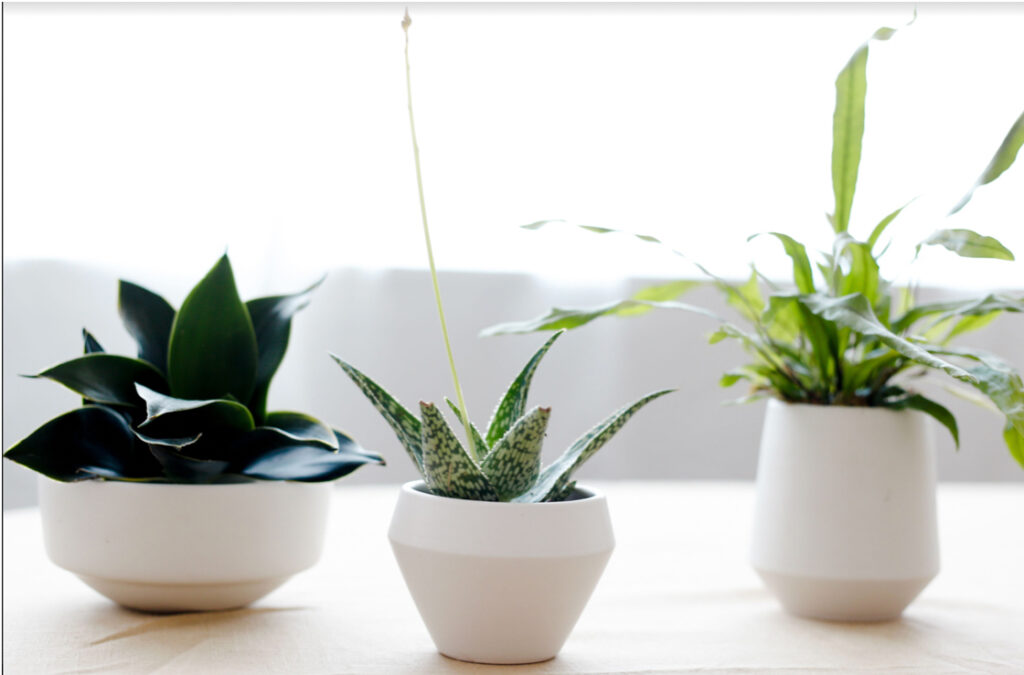
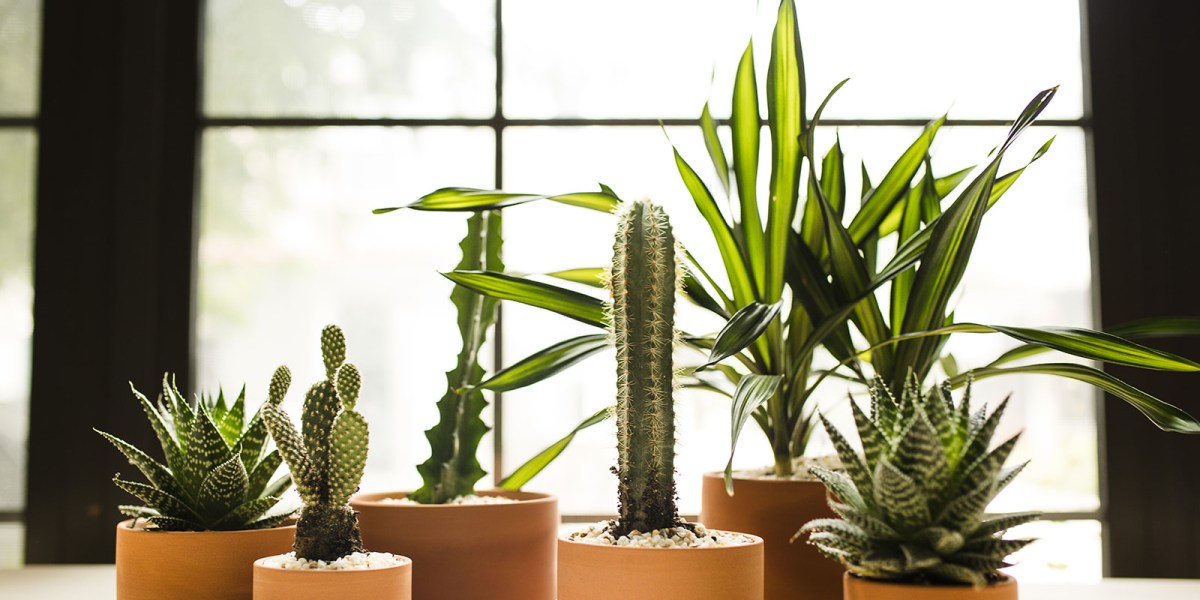
At home, sustainability can start small. “Keep them alive,” she says with a smile you can practically hear. “Only buy what you really want to have around for a long time.” She leans toward lifelong plants: “We mostly go towards things that are going to live longer than us—staghorn ferns, snake plants, pilea, and cacti.”
And if you fall out of love with a plant? Don’t trash it. “Make a point to find another home with a friend or family member rather than just tossing them in a bin.”
Her favorite sustainable habit is one she hopes everyone adopts: “Share cuttings with friends. Make your own little propagation station… There is something so beautiful about watching something take root and thrive.”
A Golden Rule
Rhiannon Smith
If Myka could leave readers with one enduring piece of advice, it’s this: “Find that place in your neighborhood that’s been there for a million years and buy your plants there… The variety and quality… will be so vastly different than any big box store.” For her, these long-established local nurseries are a treasure trove of resilient, well-cared-for plants that are more likely to thrive and offer a depth of variety you simply won’t find at larger retailers.
She encourages readers to slow down, explore, and connect with the growers behind the plants. “These things are not new. Very interesting people have been cultivating houseplants for a very long time. There’s quite a lot of depth and beauty in seeking out these things.” By prioritizing quality, supporting local growers, and choosing plants with longevity in mind, you’re not just building a beautiful home garden, you’re adopting the same thoughtful, sustainable approach that guides The Plant Library’s rentals: careful selection, mindful care, and a respect for the life of every plant.
We only recommend things we love. If you buy something through our site, we might earn a commission.