5 Desert Trees to Plant Now for a More Resilient Landscape
Take advantage of late fall conditions to plant structure and sustainability that will make for a thriving garden come spring.
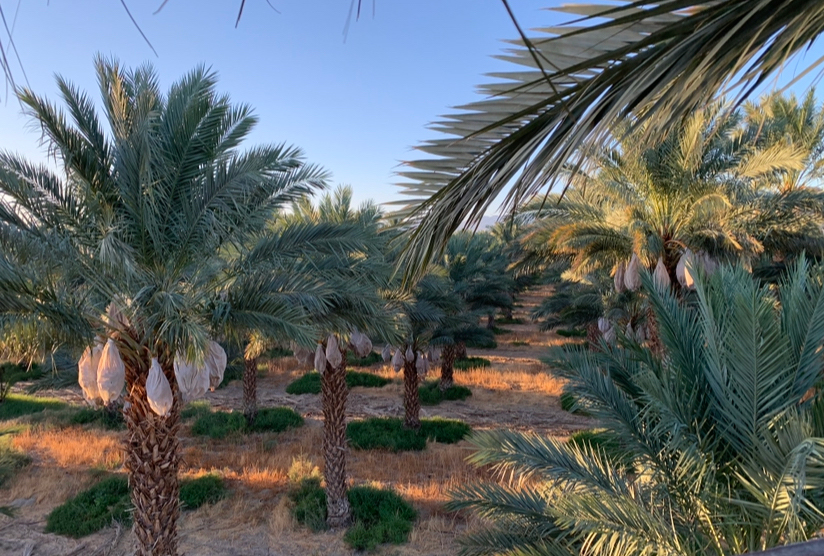
Courtesy of Roadrunner Tree Farm + CDZ Nursery
With summer’s harsh glare finally behind us, late fall quietly becomes the region’s most generous planting season. Warm soil, cool air, and lower environmental stress make this the ideal moment to get long-term performers in the ground—especially trees. And when it comes to building gardens that can stand up to hotter, drier, more unpredictable seasons ahead, tree selection matters just as much as timing.

Courtesy of Ashley Bilyk
To understand which trees are truly built for the future of Western gardening, we turned to Ashley Bilyk of Roadrunner Tree Farm + CDZ Nursery, a Borrego Springs grower known for cultivating “desert-grown, project-ready” material. Their trees are raised in the extremes: blistering triple-digit heat, chilly desert nights, and sandy alluvial soils. These conditions give them the kind of resilience gardeners across the West are looking for. Ashley is sharing her tips to help give you a stress-free start, plus five desert-ready trees that offer shade, structure, and a blueprint for building a garden that can outlast the heat.
Why Fall Is the Desert’s Best Tree-Planting Season

Courtesy of Roadrunner Tree Farm + CDZ Nursery
Late fall is when the underground magic happens. Bilyk calls it “a delicious, sweet spot: warm soils and cool air… This marriage is a rooted dream!” Soil temperatures between 55°F–75°F activate root development while cooler air slows transpiration, allowing trees to focus their energy downward.
This is also when the “mycorrhizal handshake” occurs—the fungal partnership that expands a tree’s ability to absorb water and nutrients. The more time roots have to establish now, the more prepared the tree will be when heat returns. As Bilyk says: “Growing before the showing!”
Common Fall Planting Mistakes (and How to Avoid Them)

Courtesy of Roadrunner Tree Farm + CDZ Nursery
Planting Too Deep
A frequent blunder? “Entombing the root crown-like a forgotten relic,” says Bilyk. Dig a hole 2.5 times the width of the container or box but slightly shallower than the tree’s root depth to account for settling. The trunk flare, where the trunk widens to meet the roots, should sit 1–2 inches above grade. Over-planting can suffocate roots and hinder establishment.
Superficial Watering
Drought-tolerant trees still need a solid start. Bilyk warns: “Newly planted trees crave deep, slow, saturating water—not a shallow sprinkle barely wetting their whistle.” Water deeply, 2–3 times per week, allowing 15 gallons (or more for larger specimens) to soak into the root zone. Want an easy way to get enough hydration? Try watering bags for precise measuring while you work out a seasonal watering schedule.
Staking Snafus
Many gardeners either leave nursery stakes on or stake too rigidly. Bilyk notes, “Trees strengthen through movement.” Remove nursery stakes and install two or three flexible support stakes outside the root ball. Use soft ties that allow the trunk to sway gently, which encourages stronger, self-supporting growth while preventing damage to the trunk.
Ignoring Soil and Site Conditions
Even the hardiest desert tree won’t thrive if soil and drainage aren’t considered. Bilyk emphasizes that well-draining, sandy, or amended soil is essential. Avoid heavy clay pockets or low spots where water collects, as “desert-grown” plants are adapted to rapid drainage and can develop root rot in soggy conditions.
Overlooking the Root-to-Canopy Balance
Planting a tree with disproportionate canopy versus root development can stress it. Check for healthy, spread-out roots and avoid circling or girdled roots that may resist establishment. Bilyk reminds gardeners to “look for balance in form, structure, and branch integrity.” A balanced tree will anchor more quickly and thrive longer.
Rushing the Process
Patience is part of success. Trees planted in fall may grow slowly above ground at first, but beneath the soil, roots are establishing a deep foundation. “Slow growth during fall-winter just means they are growing below ground. Trust the process, Nature knows,” Bilyk says. Resisting the urge to over-prune or overwater and giving the tree time to settle pays off exponentially in the summer heat.
Five Desert-Tested Trees to Plant Now
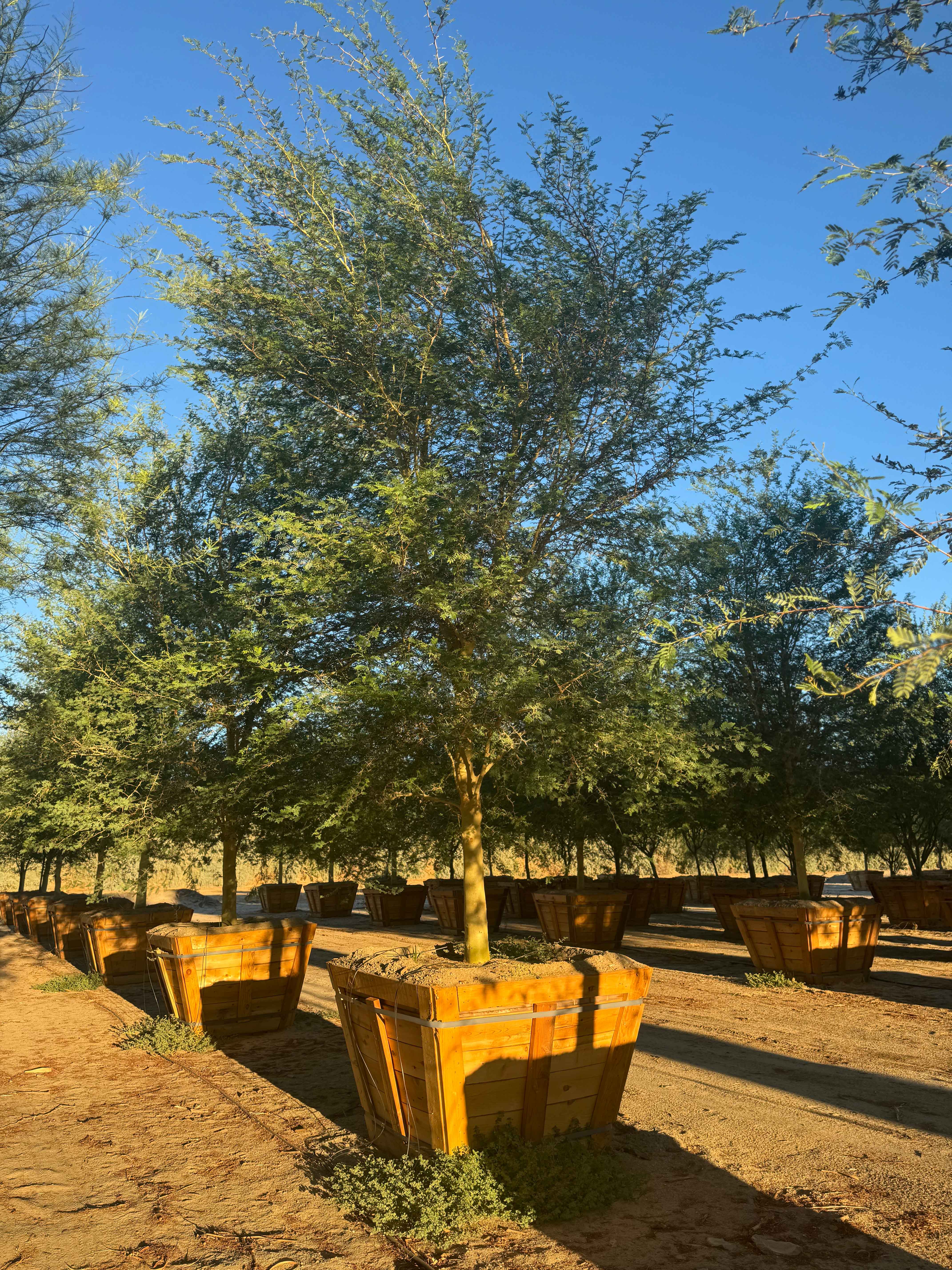
Courtesy of Roadrunner Tree Farm + CDZ Nursery
Each of these trees offers shade, structure, habitat, and heat-hardiness. Not to mention the sculptural character that makes desert landscapes so compelling. Even better? They work beautifully in both contemporary and naturalistic designs.
Desert Willow ‘Burgundy’ (Chilopsis linearis ‘Burgundy’)
A petite performer with airy, willowy foliage and trumpet-shaped flowers in a deep wine-toned blush.
Why We Love It: Bilyk calls it “poetry amongst petals,” and she’s right! This tree brings softness to the sharp desert palette. The narrow leaves cast a dappled, shimmering shade, perfect for seating areas or patios. Blooms appear spring through fall and attract hummingbirds with their “Pinot deep-throated Burgundy” color.
Design Tip: Use it where you’d normally place a small ornamental tree. It’s a wonderful alternative to water-hungry favorites like crape myrtle.
Best for: Small yards, pollinator gardens, narrow side yards, wildlife-friendly designs.
Fruitless ‘Wilson’ Olive (Olea europaea ‘Wilsonii’)

Courtesy of Roadrunner Tree Farm + CDZ Nursery
Mediterranean-meets-modern desert in this iconic silvery-green tree.
Why We Love It: “An olive that’s nearly fruitless—what an anomaly of accomplishment!” Bilyk jokes. For gardeners who love the look but not the mess, this cultivar delivers clean hardscapes and evergreen structure. Bonus: low allergy profile thanks to reduced pollen production.
Design Tip: Olives thrive in reflected heat, so place them near stucco walls, gravel, or driveways for that timeless California look.
Best for: Courtyards, poolside settings, Mediterranean-inspired gardens, low-maintenance designs.
Palo Brea / Sonoran Palo Verde (Cercidium/Parkinsonia praecox)
A sculptural standout with sinewy green limbs and a light, airy canopy.
Why We Love It: Its smooth, photosynthetic bark glows chartreuse, making it a four-season focal point. “Graceful canopy, golden bloom, desert backbone,” Bilyk says. The shade is light but cooling, perfect for plants that like filtered sun.
Design Tip: Pair it with boulders, desert grasses, or agaves to highlight its branching architecture.
Best for: Architectural gardens, gravel-mulched plantings, front yards seeking curb appeal with restraint.
Blue Palo Verde (Cercidium/Parkinsonia floridum)
A true desert native and one of the most reliable low-water shade trees available.
Why We Love It: “Structure, reliability, desert DNA,” says Bilyk. Blue Palo Verde offers a deeper-toned bark than Palo Brea, with a wide canopy and a spectacular spring bloom. As a wildlife tree, it’s unmatched: pollinators flock to its flowers, and birds nest in its branching structure.
Design Tip: Use it to create a “living shade sail” over driveways, patios, or vegetable beds prone to overheating.
Best for: Native gardens, habitat gardens, naturalistic desert landscapes.
‘Desert Museum’ Palo Verde (Cercidium x ‘Desert Museum’)
A horticultural all-star blending the best traits of three Palo Verde species and none of the thorns.
Why We Love It: With an airy vase-shaped form, rapid growth, and huge yellow blooms, this tree is both sculptural and showstopping. Its bright green trunk brings instant drama. “A profusion of large, electric yellow blooms stand out against a bright grass-green trunk,” says Bilyk.
Design Tip: Let it be your garden’s anchor tree, the one you design the rest of the space around.
Best for: Statement plantings, large yards, creating high-canopy shade with minimal water.
Planting with Purpose: How to Use These Trees Across the West

Courtesy of Roadrunner Tree Farm + CDZ Nursery
Even if your garden isn’t technically desert, these lessons apply across the entire West. As Bilyk reminds us, “Desert-grown doesn’t limit where they will grow!” Trees raised in Borrego Springs, where nights dip into the 40s and days soar past 120°, develop a built-in toughness that benefits gardens far beyond the Sonoran. The key is thoughtful pairing: Match trees to well-draining soil, water deeply during establishment, and if a species isn’t right for your zone, look for what Bilyk calls its “congruous counterpart,” a regional stand-in that offers similar structure, shade, or seasonal drama.
Across climates, the guiding principle stays the same: Plant with purpose. Whether you’re softening an overheated patio in Phoenix or searching for filtered sun in the Central Coast, trees remain one of the most powerful climate tools a home gardener has. They cool microclimates, anchor soil, shape light, and build habitat, which gives your landscape the structure it needs to feel grounded. Or as Bilyk puts it, “Trees cool the breath of the land.”
So take the desert’s wisdom with you: Widen your landscape aperture, borrow the best ideas, and don’t be afraid to “be shady.” Plant for resilience now, and you’re designing a garden that can thrive, not just this season, but into the hotter future ahead.
We only recommend things we love. If you buy something through our site, we might earn a commission.
Keep Reading:
The Latest