The Design Trends That Will Be Huge in 2026, According to Designers
You can expect personalization, maximalism, and layered everything.
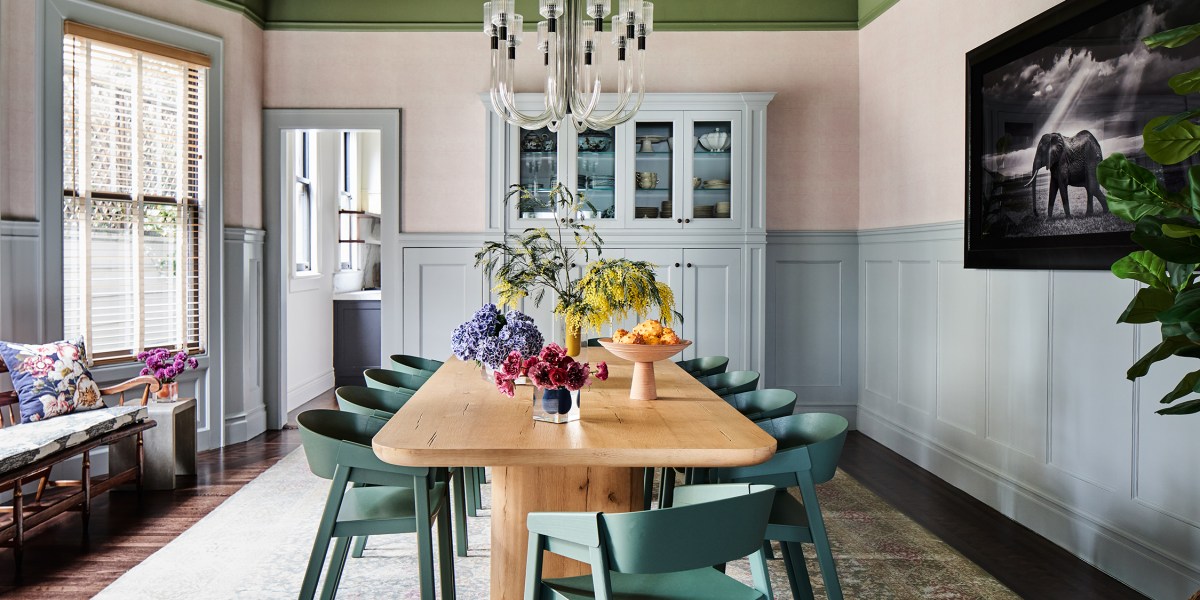
Kuoh Photography
A new year equals new trend predictions. So what will 2026 bring in terms of interior design? On that front we’ve already gotten some clues thanks to early predictions from paint companies and Pantone: relaxing, grounding, and elegant seem to be the throughline when it comes to the colors of the year.
We wondered if interior designers felt the same way, so we asked nine West Coast designers for their predictions. See below on how they think design will evolve in the coming year. Which ones will you try?


Personal, Warm Spaces
There will be an emphasis on personal design, according to two designers.
“As a response to the growth of AI, there is a renewed appreciation for authenticity and personalization in our interiors,” says Reanna Channer of Design to Elevate. “We’re embracing imperfections and moving towards a more collected vibe rather than a predictable, matchy-matchy aesthetic. We are prioritizing unique, handmade items, incorporating objects that have history and meaning (vintage rugs, antique furniture, artisan pottery, metalwork, stained glass and handmade tiles) over mass-produced solutions.”
Designer Yvonne Harty of Harty Interiors agrees. “After years of stark white kitchens, the biggest shift in 2026 is one towards soft, warm, and deeply personal spaces. Homeowners are less interested in following a trend or a design that’s based on resale value and rather want their homes to reflect their family’s story and personality.”


Quality Over Quantity
Interior designer Amy Sklar says much like how there is shift away from fast fashion, there will also be a shift away from “fast” and “cheap” in home design.
“In interiors, this means handmade over mass market and quality over quantity,” Sklar says. “We are also embracing custom furniture that is built to last and designed to add meaning to the home. For example, in this Pasadena dining room, the walls are upholstered in a Raoul Textiles linen. Because of the room’s large size, the upholstered walls both soften the acoustics and add serenity to this important space. Additionally, the custom dining table is handmade, heirloom quality solid walnut that is meant to be not only a part of this room, but also a part of the family. You want to invest in pieces that are meant to be used and loved and show a lifetime of family and community.”
The emphasis on quality is sustainable too, which is always an important focus. “Increasing environmental concerns mean sustainable design solutions are more important than ever,” Channer says. “We are emphasizing quality-made furniture in classic styles that will stand the test of time. Reupholstering or repurposing furniture, vintage decor, reclaimed woods, and sustainable fabrics are also on the rise.”


Maximalism
Maximal design is in, according to Harper Halprin and Aaron Leshtz of AAHA Studio. Think capped rooms and painted accent ceilings, accent trim paint colors, textured and patina walls, stone in bold colors, and more.


Layered Everything
It’s all about layering, layering, and layering in 2026. Harty predicts a focus on layered textures that feel calm, welcoming, and comforting the moment you enter the home. “Think stained woods, warm greiges or mushroom tones, creamy and soft whites, textured tile, living finishes, such as unlacquered or antique brass, and natural stones with subtle movement that feel quiet rather than dramatic.”
The AAHA Studio team says the layered look will also be popular when decorating with patterns—in wall coverings, rugs, throws, and embellished with tassels and fringe.
And we’ll also see layering in lighting as well, thanks to advances in lighting technology. “It’s now more practical and economical to install LED lighting under shelves, at cabinet toe kicks, and anywhere else you can imagine,” Channer says. “By combining accent lighting with decorative fixtures, lamps, and overhead lighting on dimmers, we’re able to achieve a more controlled and layered lighting effect. This blending of light sources is less harsh, more relaxed, and aims to mimic natural light.”


Moody, Enveloping Color
“Dark, saturated paint choices are having a major moment, and I think 2026 is the year they officially take center stage,” says interior designer Peggy Haddad. “In one of our recent dining rooms, we drenched the entire space in a rich, charcoal-gray. It turned the room into this jewel-box cocoon: intimate, dramatic, and full of presence. The champagne-tinted crystal chandelier glows against the walls in the most gorgeous way. People are craving atmosphere, not just light-and-bright everything.”


Functional Design
Function will be top of mind in 2026. Harty says we’ll see more spaces that really embrace intentional zoning and spaces designed around how families actually live. From beverage centers and homework stations to secondary prep areas and hidden storage, such as sculleries or butler pantries, clients want their homes to support both daily life and entertaining family and friends, she says.


Tile Variations
“A trend that we will see in 2026 is the use of the same tile color utilized in the same space in varying sizes,” predicts Clara Jung of Banner Day Interiors. “It’s an interesting way to bring in something special without necessarily committing to a strong statement.”


Fearless Design
“Clients continue to navigate away from classical palettes, instead embracing a mantra of boldly authentic style throughout their homes,” says Emilie Munroe of Studio Munroe. “This new age of design fearlessness embraces wallpapers in unique patterns, entire walls clad in functional texture like natural cork, and saturated paint colors on ceilings and casework.”


Mixing Woods
Gone are the days of having all your wood tones match, according to the AAHA Studio team. They say mixing variations of grain, wood species, and textures in both millwork, flooring, and furniture will be “in,” much like mixing metals has become stylistically acceptable.


Biophilic Design
“The impact nature has on our well-being is undeniable, and as we prioritize wellness, we’re yearning for a stronger connection to nature,” Channer says. “This desire to be closer to nature is showing up in our interiors with a return to natural materials (quartzite, alabaster, soapstone, oak, walnut, plaster, and clay), increased demand for outdoor living spaces, natural light, tactile textures, and color palettes filled with rich, earthy tones that bring a sense of groundedness to our homes.”


Professional-Looking Kitchens
“2026 is the year to cook—and look—like a chef,” says interior designer Jeff Andrews. “While stainless steel was once a purely utilitarian choice, it is reemerging as a statement of confidence and craftsmanship. As we embrace the classic industrial chic aesthetic of a true chef’s kitchen—we look to incorporate appliances like Sub-Zero’s Professional Series Refrigeration, which offer as much performance as presence—because today’s home chefs expect their kitchens to work as beautifully as they look. We have been working to hide appliances for so long, but we’re ready to embrace this classic look in the home kitchen.”


Colorful, Botanical Wallpaper
There will be a renewed appreciation for colorful, botanical wallpapers, Julie Beuerlein of JKB Home Design. “They feel timeless because they bring warmth, artistry, and a sense of collected history into a home—the kind of visual interest that doesn’t depend on trends to feel relevant,” she explains.


Sculptural Forms
The AAHA Studio team predicts we’ll see more sculptural forms in furniture and millwork, along with a touch of whimsy. They see people having a little bit of fun with contrasting styles and shapes.


The Wet-Bar Room
“Entertaining spaces are evolving. Instead of unused formal living rooms collecting dust, homeowners are carving out wet-bar lounges that feel like little escapes within the home,” Haddad says. “We recently transformed a blank white box into a seductive, cocktail-ready lounge that’s equal parts glamorous and practical. 2026 is all about homes that actually function for how people gather.”


Cool-Balanced Color Palettes
“We’ve all waved goodbye to the ‘millennial gray’ era, but I’m seeing a thoughtful return of warm grays and soft cool tones that help balance the warmth in the resurgence of golden oaks, richer woods, and saturated upholstery,” Haddad says. “When a home is full of warm materials (and many will be in 2026), a subtle cool undertone becomes the yin-yang moment that keeps everything in harmony.”