Set it up just right
Most houseplants are perfectly happy at normal indoor temperatures. Air near a window may be many degrees hotter or cooler than in the room’s interior. During extreme weather (hot or cold—either can be devastating) check the temperatures near windows where plants are kept and move them if necessary. Also keep plants away from heat sources, including radiators and fireplaces.
See the light
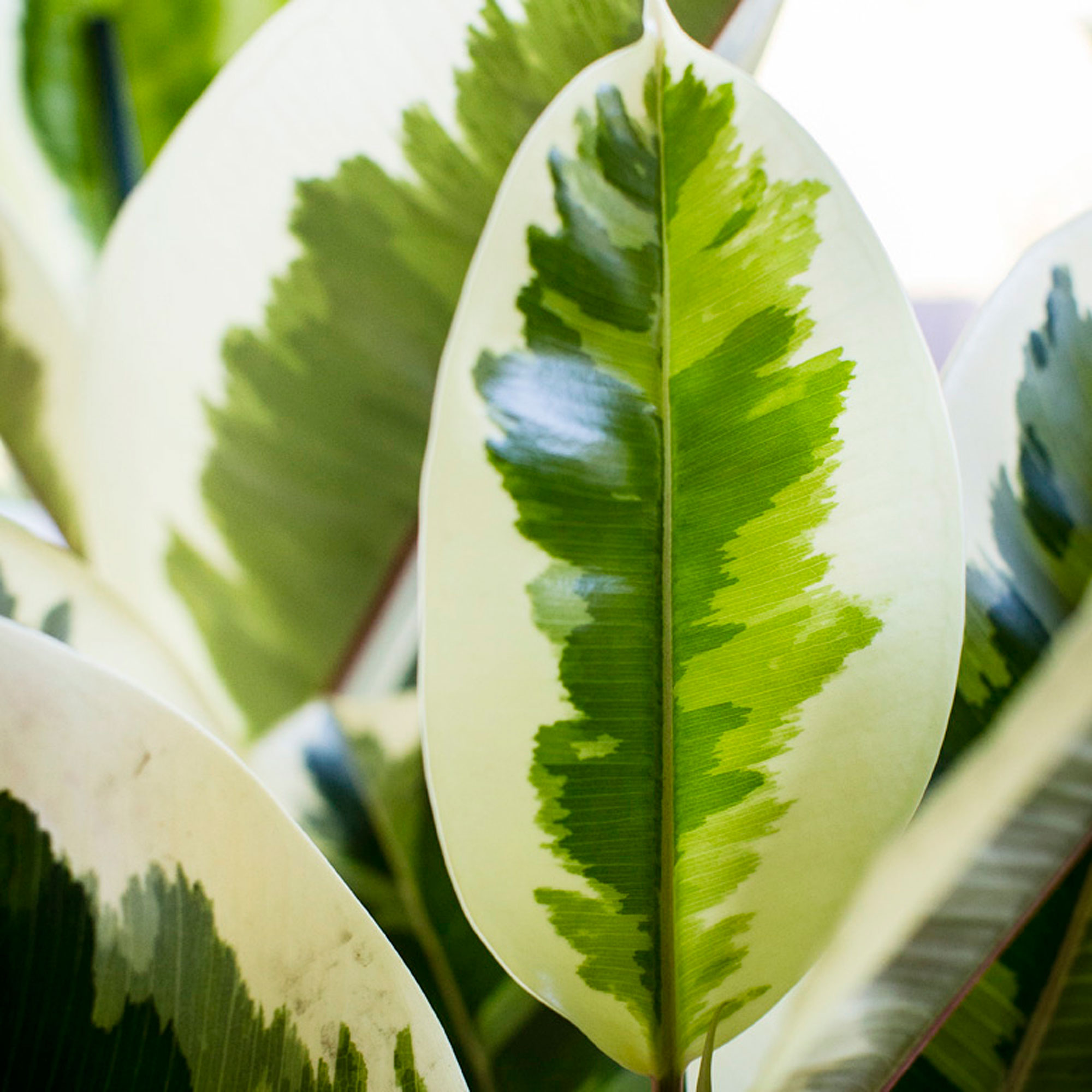
For proper growth, all plants need light—but the amount varies from one kind to another. In general, blooming and fruiting plants, and those with variegated leaves, require more light than do plants with solid or dark green foliage.
There are four types of indoor light:
- Direct sun refers to direct rays of sunlight coming through a window. An east-facing window allows morning sun and generally coolish afternoon temp. A south-facing window offers sun and warm temps most of the day (this is the brightest exposure). One caution: sunlight may be magnified by window glass to a temp hot enough to burn foliage, so it’s best to set plants at leas 6 inches back from the windowpane.
- Reflected light is indirect light, cooler than direct sun, that’s reflected off walls or ceiling. This kind of light may also be quite bright, similar in quality to the light illuminating the innermost space of a sunny room. Most flowering plants need this kind of light.
- Filtered light is essentially bright light, but it’s softened somewhat as it shines through a sheer curtain or through trees or shrubs growing outside the windows.
- Low light usually refers to relatively dark parts of interiors, shadowy corners, or areas unlit by windows. Only a few plants can tolerate such situations.
Be wise with water
No two plants use water at exactly the same rate, but you can keep a few tips in mind: Fast-growing plants and those that bloom or bear fruit heavily need more water than slower growers. Those with a large total leaf surface, such as ferns, are thirstier than sparsely foliaged plants; those with soft, lush foliage usually require more water than plants with waxy, leathery, or succulent leaves. Skip the fancy gadgets—the best way to tell when your plant needs water is to feel the soil surface. If it’s dry to 1 inch, add water. If it’s moist, don’t.
Assuming your plant has a properly draining container, here’s how to water:
- Feel the soil to a depth of 1 inch below the surface; if it’s dry to the touch, add tepid water to the soil surface.
- Continue until you see water seeping from the drainage hole.
- Allow the plant to drain (either into a sink or drainage saucer).
- Discard any water standing in the saucer (a potted plant should never sit in water).
Add humidity
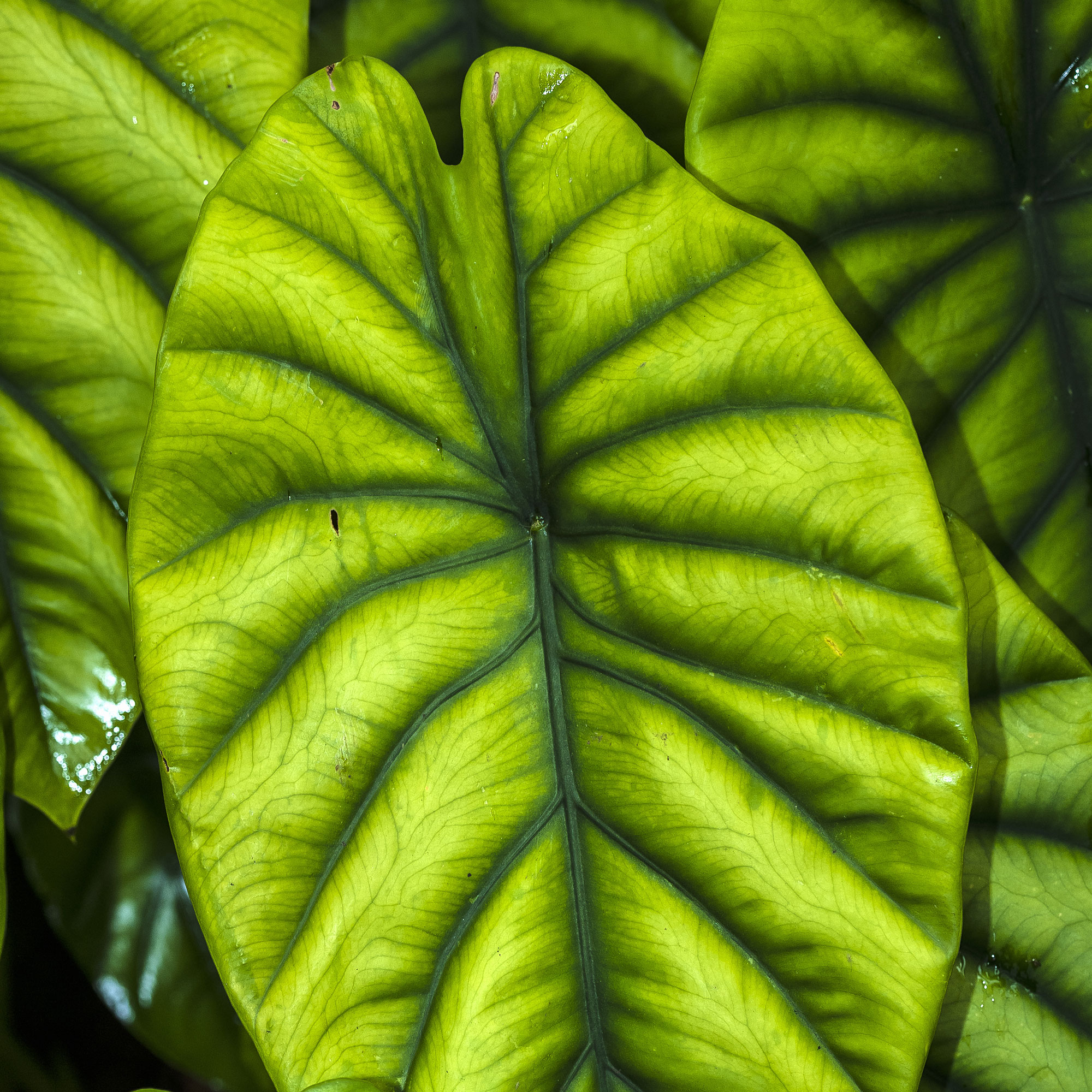
For a few groups, such as cactuses and succulents, dry air is perfect. But the majority of plants we grow indoors originate from tropical jungles—where the air is humid. There are a few ways to boost humidity around your plants. Spritzing plants with a mister surrounds plants with a fine spray that covers both sides of its leaves. As long as the rooms are light enough, kitchens and bathrooms often have noticeably higher humidity levels from washing dishes, boiling water, and taking showers. Finally, when you group plants together (still leaving enough room for air circulation) the joint transpiration provides them with more humidity.
Feed the right food
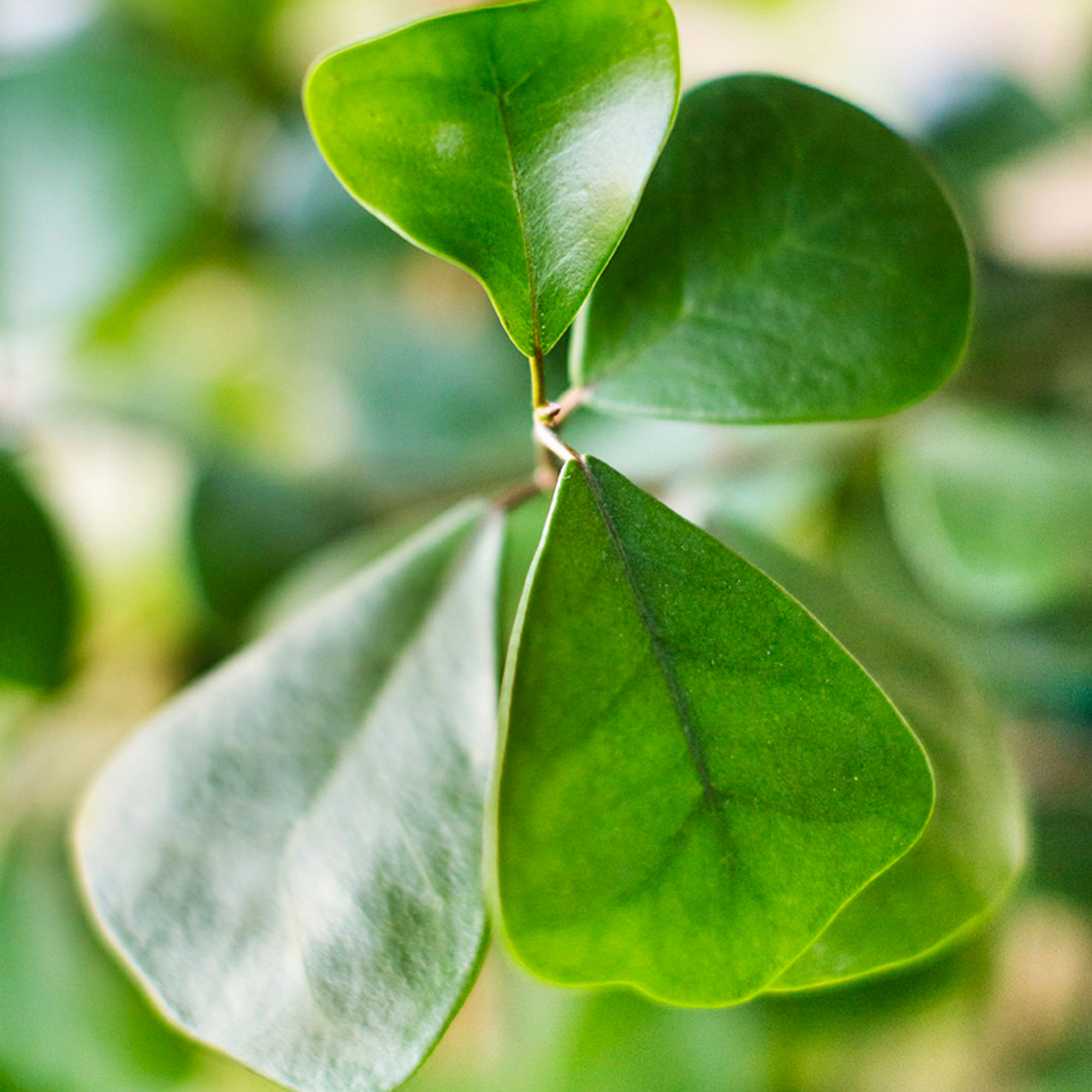
Container-bound houseplants need fertilizer to thrive. We’re not purists about organic care when it comes to indoor plants because we’re working with such a miniature ecosystem that it’s less crucial to build healthy soil over time. Reach for a complete houseplant fertilizer—liquid form is the easiest to apply—and follow label instructions. Feeding “regularly” usually means about once a month. Never fertilize into dry soil. Most plants take a rest from growing during the winter months and don’t need fertilizer at that time. Wait for signs of new growth before coaxing them with nutrients. Remember that too much fertilizer can damage or even kill a plant, so easy does it.
Plant in the proper potting mix
Choose a standard potting mix. Make sure you remoisten the mix before using it. Squeeze a handful of soil into your fist: it should be damp enough to stay in a compact ball when you release it, yet it shouldn’t be dripping wet. Never use soil from the ground outside, and always make sure the bag you buy says, “potting” somewhere on the label.
Choose the right container
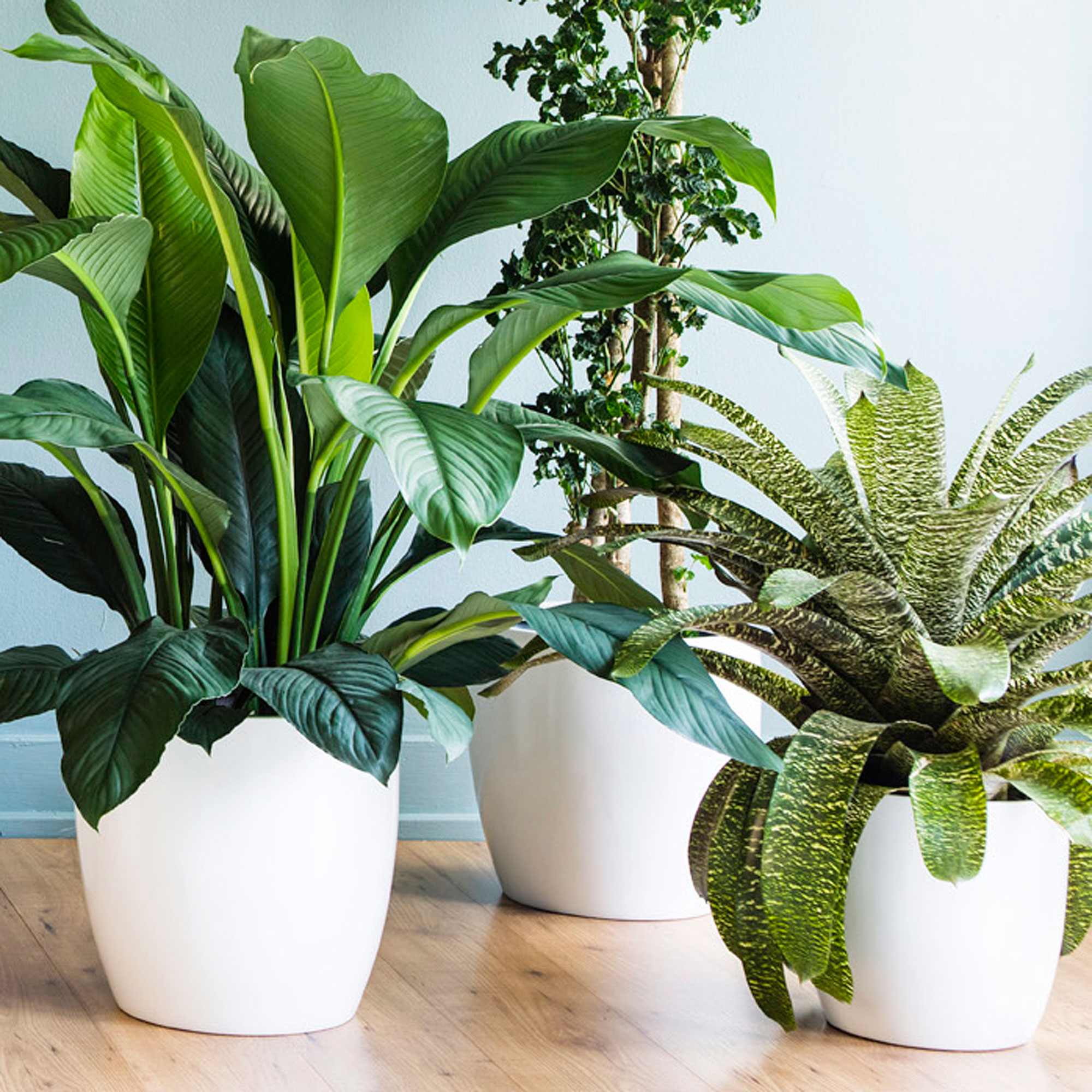
When you pick a pot, keep these pointers in mind:
- Containers with drainage are generally a wiser choice. You can plant in a drainless container, but plant care is much more difficult.
- Choose the container that best suits your plant’s present size. Fully-grown but naturally small plants do not need large containers; plants that will eventually become large may need a consecutively larger container each year.
- Purchase a drip saucer at the same time you buy the container.
- Select a container that vibes with your interior décor.
Rotate for even growth
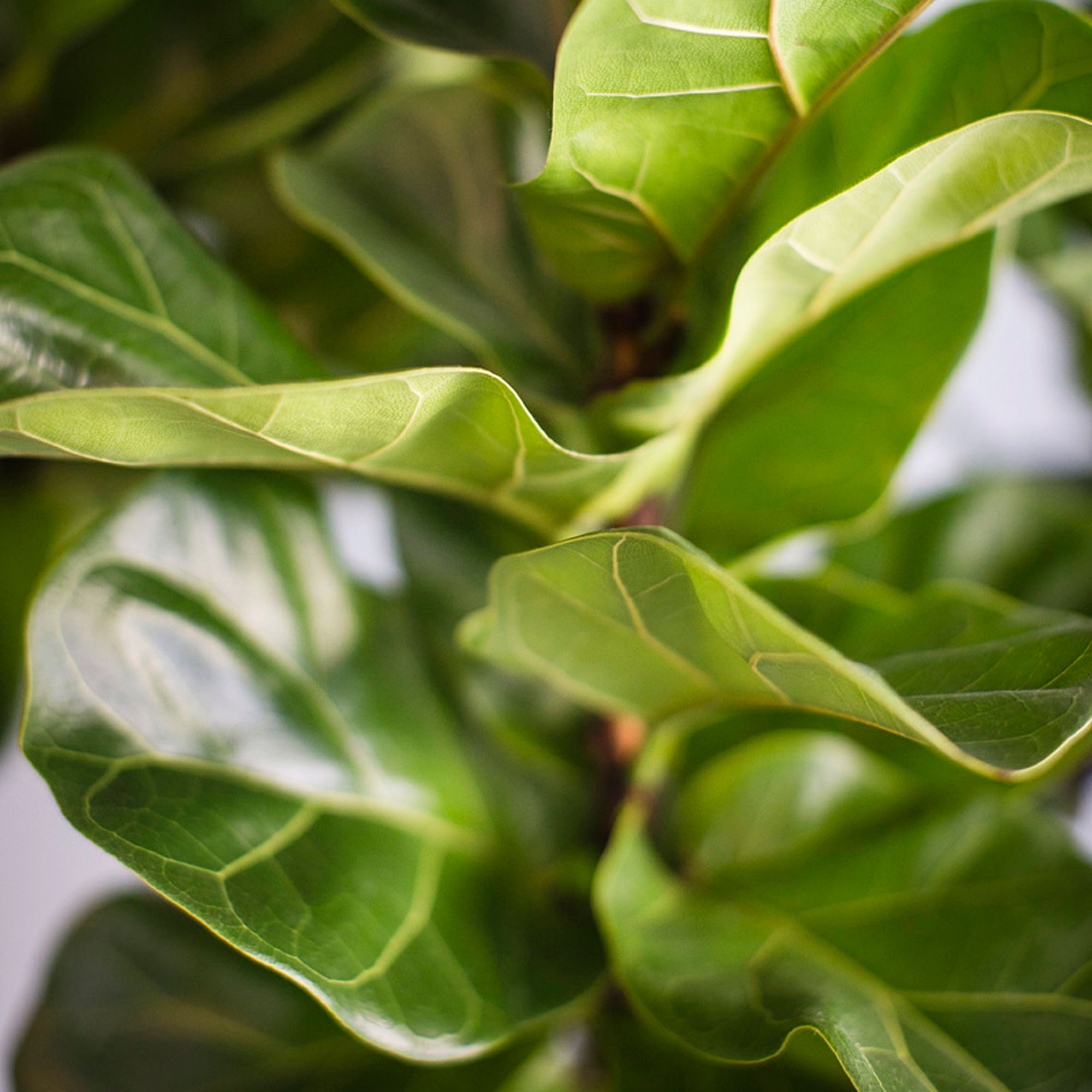
A houseplant will always crane itself toward the light. To keep plants growing straight, include rotating them a quarter of a turn as part of your watering routine.
Repot when needed
Symptoms of a potbound plant include roots growing out of the drainage hole, foliage that looks top-heavy in proportion to the container, sluggish growth, and water that runs quickly through the potting soil with little retention.
To knock the plant out of its pot, hold the stem and soil surface steady with one hand and invert the pot with the other. Strike the pot rim carefully against a solid surface; this should loosen the root ball enough for it to emerge in one clump. If you’re still struggling, run a sharp knife between the pot and root ball and invert the pot.
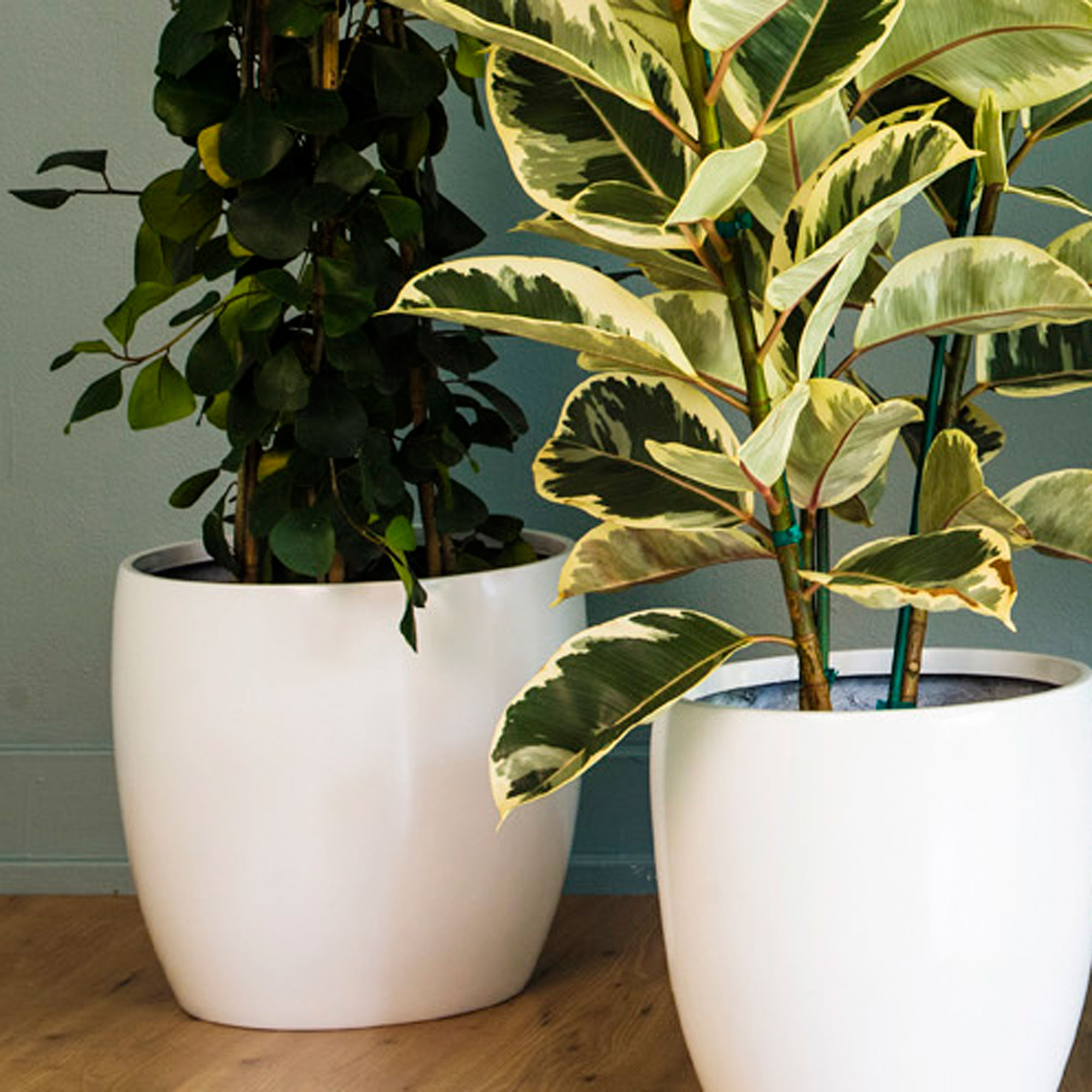
To repot your houseplant, have a fresh bag of potting mix on hand before you start, and a new container that measures ½ to 1 inch wider than the present pot. Be sure to keep the old root ball near the top of the new pot, filling in around the sides with new soil. Most plant adjust poorly to having the root balls entirely buried; barely cover it with soil, and don’t cover the stem at all.
Keep good grooming habits
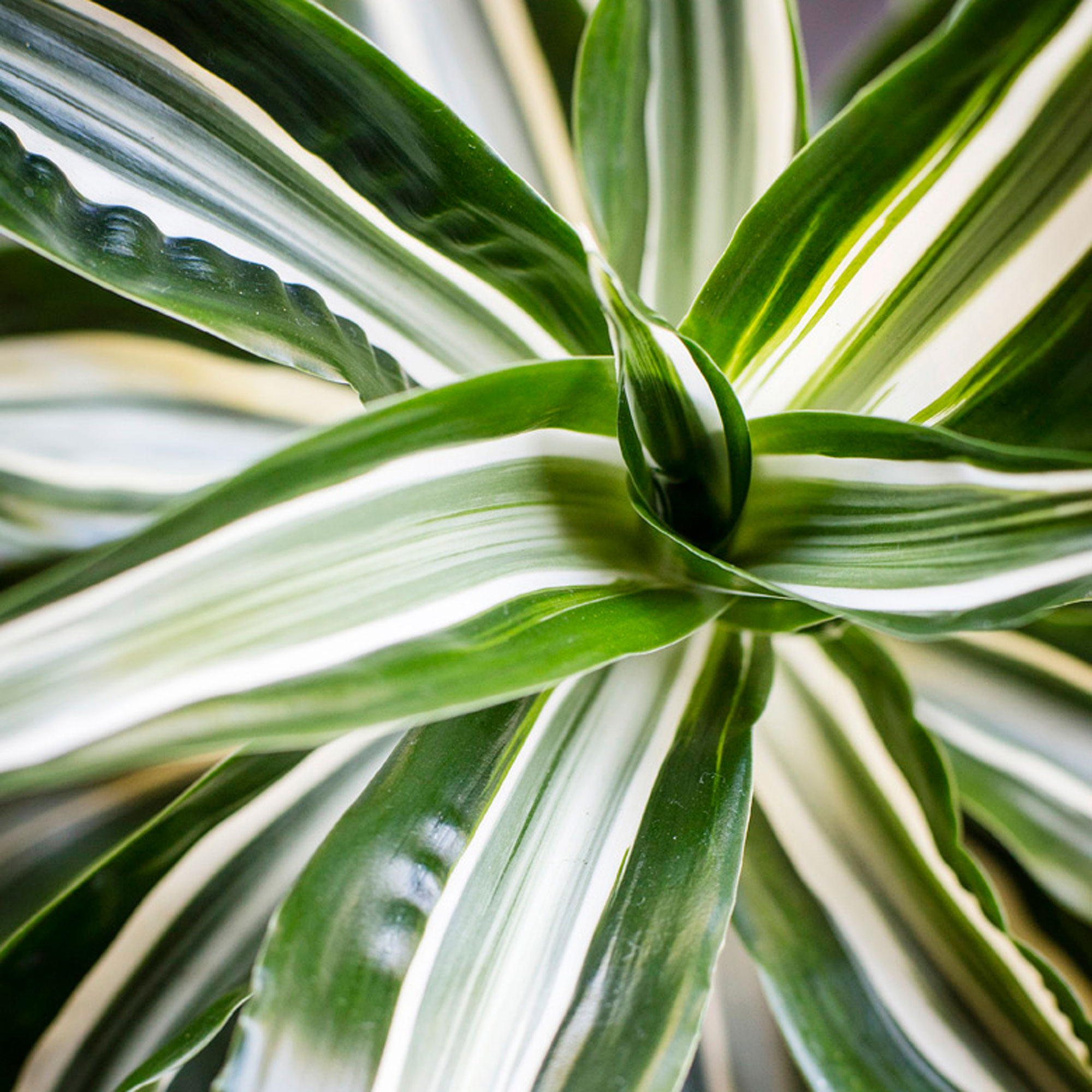
Routine grooming goes a long way in keeping plants in good health. Take time to wipe leaves gently with a soft cloth, keeping them free of dust. If light enough to move, bring plants (not those with fuzzy leaves) in to the shower and give them a good rinse once a month. Always remove dead leaves and branches. You can trim off brown leaf tips with scissors—try to follow the leaf’s natural shape.
Prevent pests and diseases
Indoor pests are so small—sometimes microscopic—that you may not even notice the little marauders until your plant takes a turn south. A routine inspection will help you catch pests before it’s to late.
- Aphids: Green, reddish, or black, aphids usually have soft, round, or pear-shaped bodies. They tend to cluster on new plant growth, where they suck juices; the result is poor or stunted growth, or curled, distorted leaves or flowers. Control: Wash aphids off with water from a hose. Make sure to blast all parts of the plant.
- Mealybugs: Though large enough to be spotted easily, mealybugs like to hide themselves out of the light. So small tufts of cotton are your clue that mealybugs might be sheltering in areas of stems or on the underside of leaves. Control: Apply rubbing alcohol to each white tuft with a cotton swab.
- Mites: A common houseplant pest, the spider mite is so small that you can detect it only in groups or by the characteristic webbing it leaves behind on plant foliage. Infected plants become stunted and may die. Dry, warm conditions can encourage spider mite infestations. Control: Isolate infested plant at once; spider mites spread like wildfire. Wash plants off with water, or a mixture of insecticidal soap (available from most nurseries) and water. Regular misting can raise humidity and serve as an effective preventative measure.
- Scales: These hard-shelled, sucking insects are brown or gray, with round or oval bodies. Because they closely resemble spores, scale insects may be especially difficult to detect on fern fronds. Control: Carefully scrape off insects with your fingernail or small knife, or wash plant with a mixture of insecticidal soap and water.
- Whiteflies: Very small, with white bodies and wings, whiteflies flutter about in a white cloud over an infested plant when they are disturbed. Infested leaves turn a pale color; their surface is covered with a shiny, sticky later of honeydew. Control: Wash minor infestations off with water from a hose, or wash plant with a mixture of insecticidal soap and water.