The ‘3-4-5’ Rule Is the Easiest Way to Transform Any Room
Consider these the blueprints for your next project.
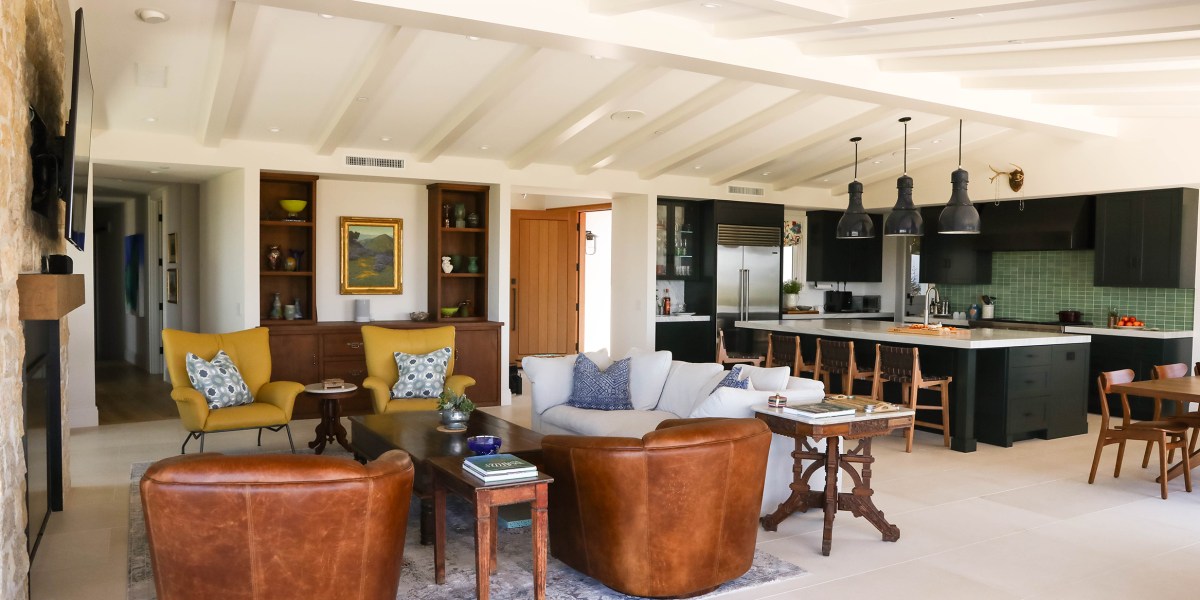
Courtesy of Stephanie Hunt/The Flairhunter
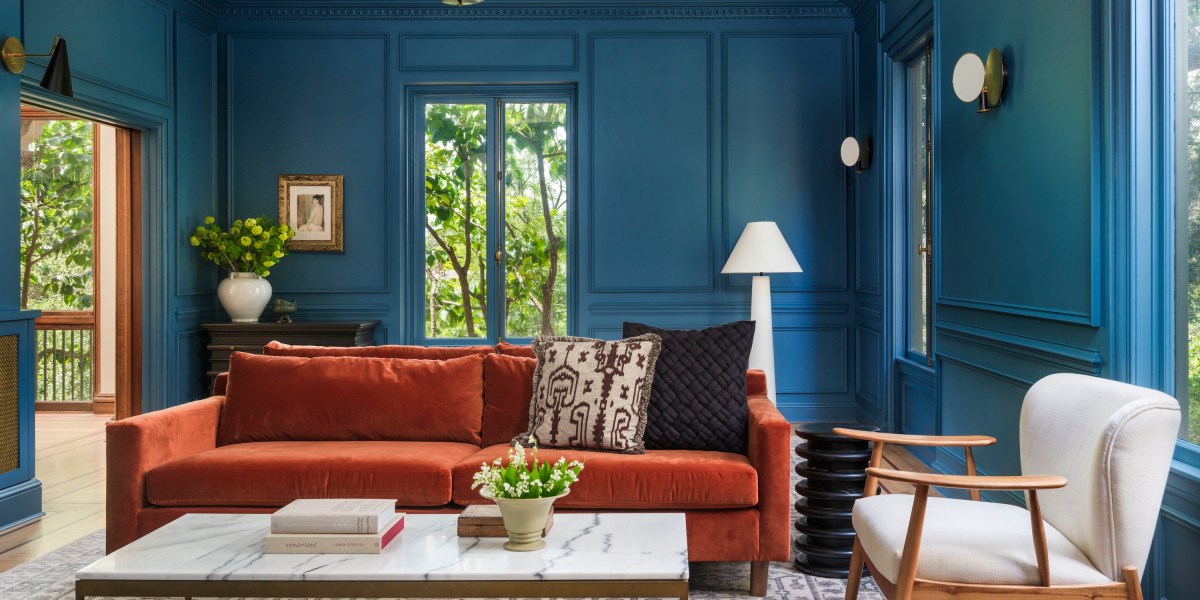
There’s an interior design technique that keeps popping up in my news feed: The 3-4-5 Method. Coined by New York City designer Nancy Cavaliere, the process involves using three patterns, four period styles, and five colors or textures in each room.
Though this recipe seems relatively straightforward in theory, I needed to know what some of my favorite West Coast designers would dream up for their ultimate 3-4-5 combo. Below, see how they’d blend design eras, color, and texture for a truly unique and oh-so-authentic space.
Stephanie Hunt, founder and creative director for The Flairhunter
Chad Mellon
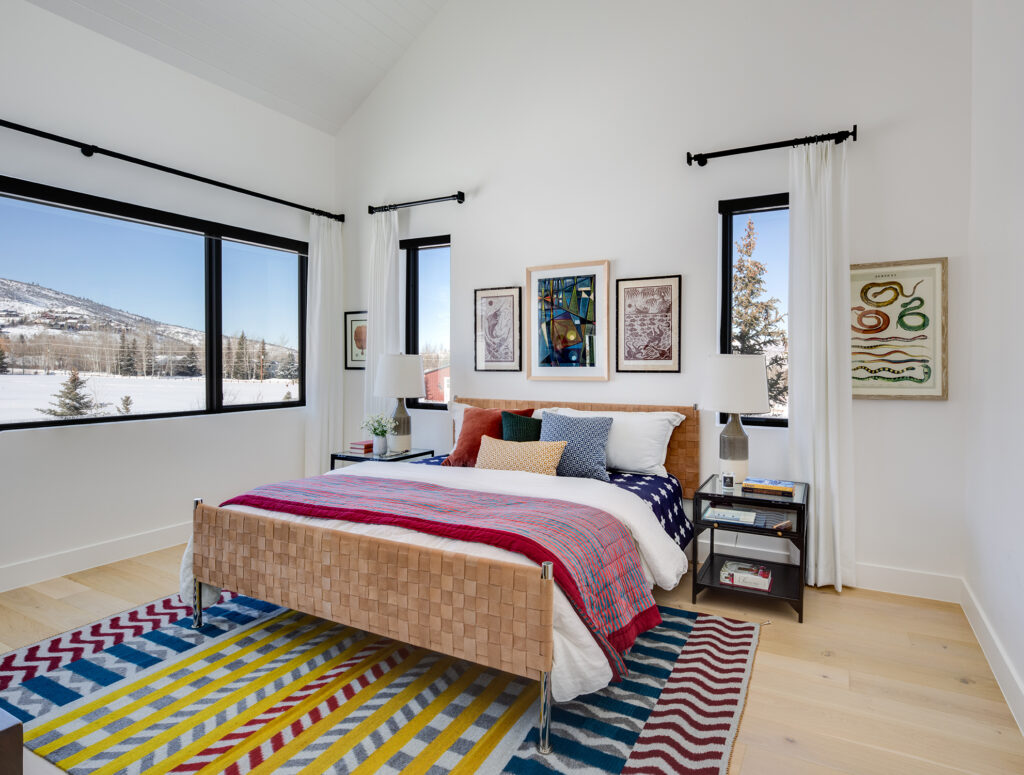
“When I’m pulling a room together, I always find myself reaching for patterns with real personality,” Hunt says. “Your space should feel inviting and exciting all at the same time. The 3-4-5 rule speaks my love language. I’m a mixer through and through.”
For her ideal blend, Hunt would combine vintage, storytelling Berber or Turkish motifs with the graphic, modern Swiss Cross, and balance those out with a striped American quilt. She’d lean on Scandinavian, midcentury modern, bohemian, and industrial minimalism—and prioritize a variety of textures. “Mix a tan woven leather bed with a soft cotton striped quilt, a multicolored flatweave rug for texture underfoot, tactile pillows like velvet, and black metal nightstands that speak to the modern window frames,” she advises.
Rachel Brown, founder and principal of RB Interiors
Kevin Brost
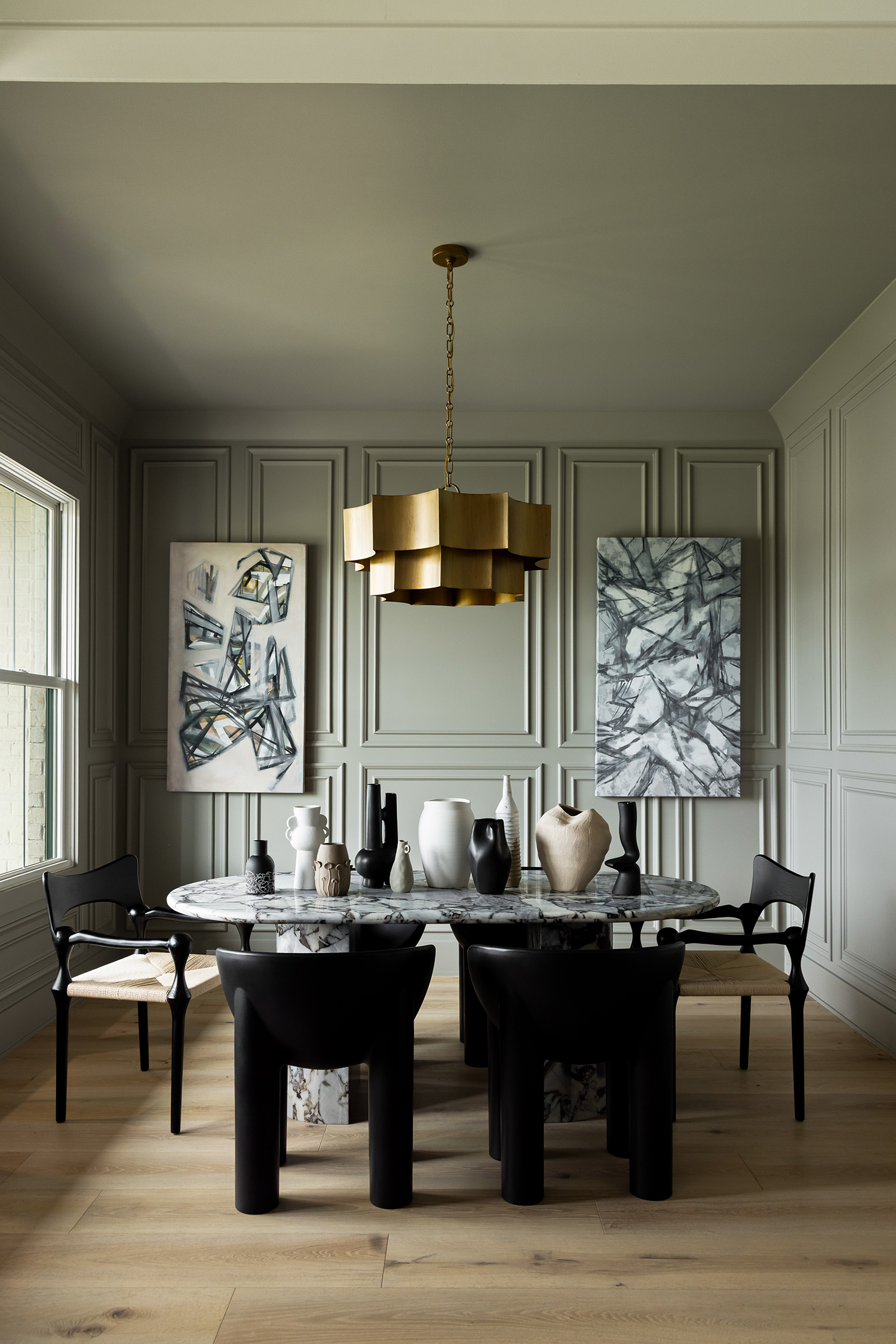
“My dream room would feel like a well-traveled story—a little Art Deco, a little traditional Southern, a little Scandi,” Brown explains. “Think brutalist chairs, Art Deco lighting, traditional millwork, and a touch of modern art.”
One example of her own 3-4-5 was this dining room, which incorporated patterns from two pieces of art and the dining room table, four periods (mid-century modern, Art Deco, Colonial, and now), and five colors and textures (gray, brass, cream, salmon, and white).
Anita Yokota, a therapist-turned-designer and author of Home Therapy
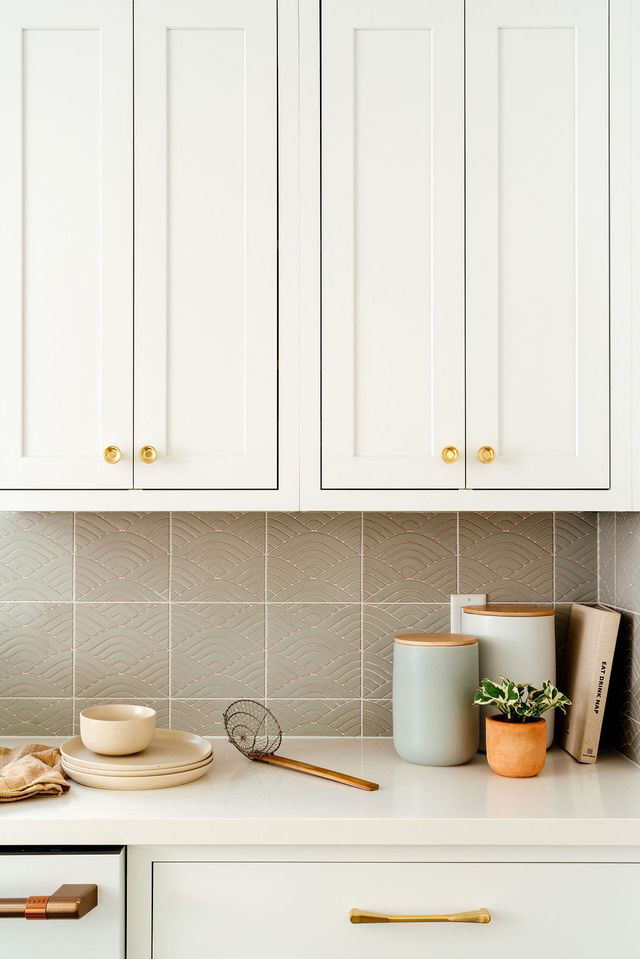
Ali Harper
“In my Home Therapy approach, every element must support both the senses and the soul,” Yokota shares. “The result is a biophilic blend of authenticity and quiet luxury, where materials breathe, textures comfort, and light restores.”
To achieve such a balance, Yokota says she would pull three patterns from nature: stone, linen, and hand-thrown ceramics. Her four cohesive period styles include “midcentury warmth, Japanese restraint, California casual ease, and Scandinavian lightness.” Rounding out the method are the colors and textures, with her palette featuring soft clay, warm oak, muted sage, creamy white, and brushed brass.
We only recommend things we love. If you buy something through our site, we might earn a commission.
The Latest