
Your Guide to Asters
For a perennial with a multitude of gorgeous varieties, plant asters in spring, summer, or fall
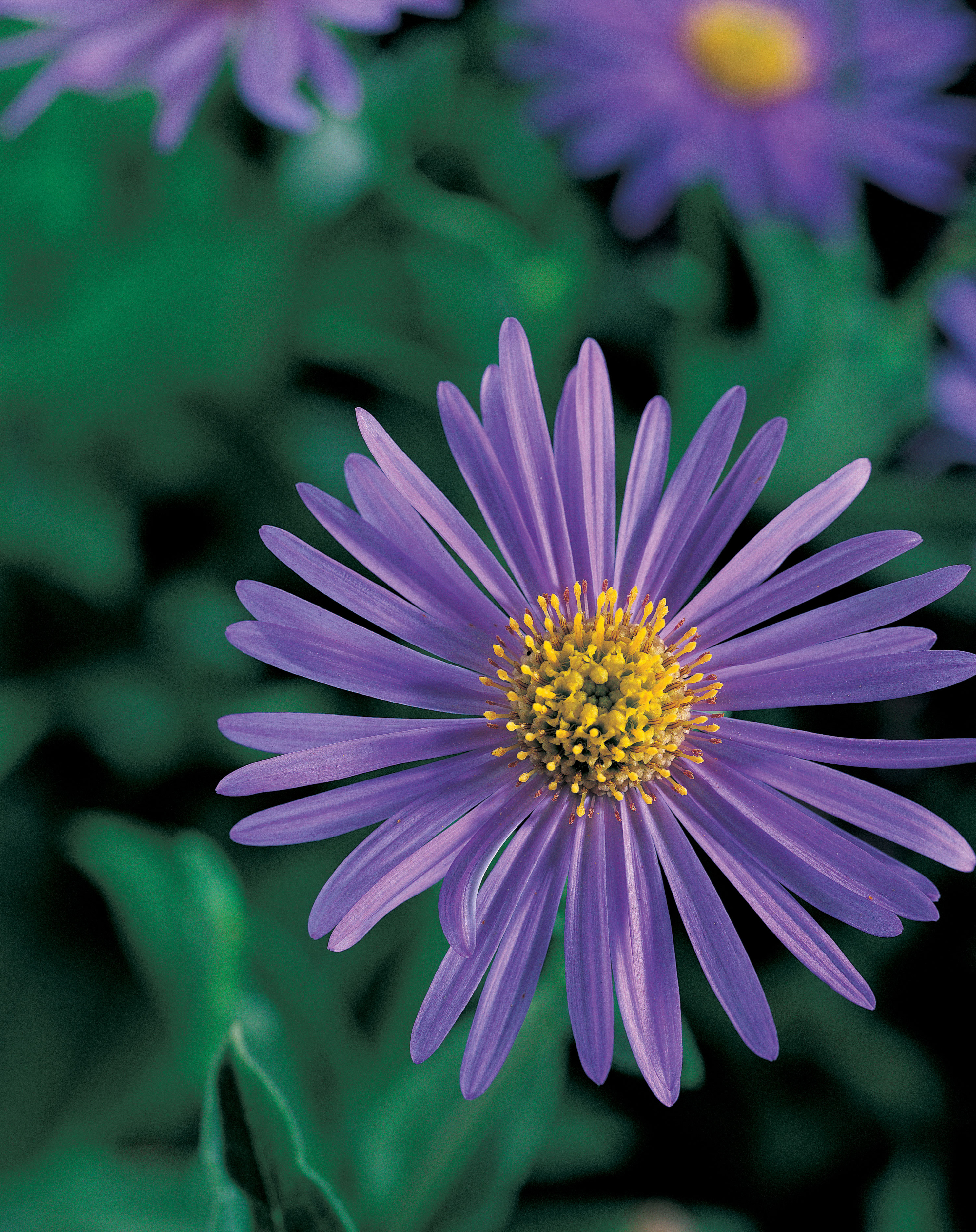
Aster x frikartii
There are more than 600 species of true aster plants, ranging from 6-inch-high alpine kinds forming compact mounds to open-branching 6-foot tall plants. These perennials are stars of a fall garden, coming into bloom just as almost everything else gets ready to go to sleep. Aster flowers also provide an important late-season food source for pollinators, including bees and butterflies. For an even bigger bonus, asters make an excellent cut flower, lasting for a full week in a vase.
How to Plant Asters
Tuck asters into your garden anytime from spring to fall.
Growing Conditions
Most asters appreciate full sun. While true aster plants are adapted to most soils, growth is best in well-amended beds. Asters are prone to few problems except for mildew on leaves in the late follow. Strong-growing hybrids have invasive roots; they can regrow from small fragments left in soil and spread to become nuisances.
Maintenance Tips
Each spring, add several handfuls of compost around aster plants to get them off to a great season.
For best growth, divide your asters yearly in late fall or early spring. Replant the most vigorous-looking young divisions from outside of the clump, and discard the older center.