
Your escape hatch
Pick your paradise: woodsy, tropical, wine country, or Pacific Rim. Here are the 20 best places that prove a big move is doable, along with expat advice on how to make the switch to your perfect plan B. Affordable, beautiful, and friendly––welcome to Dreamville(s)
Nelson, B.C.
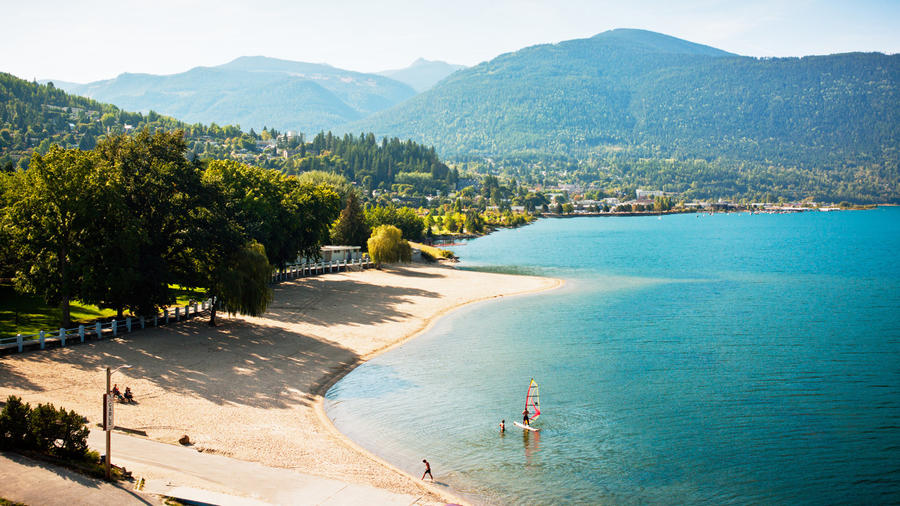
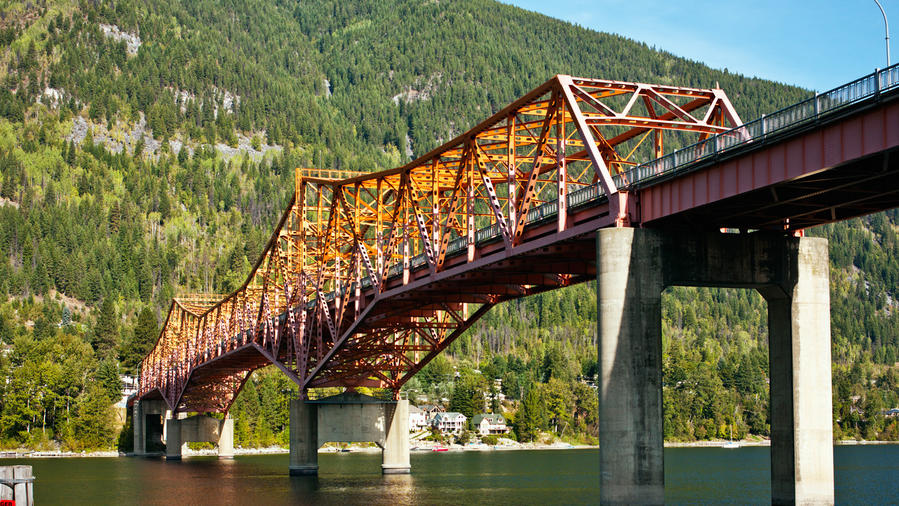
Four hundred miles and hoooours from Vancouver, British Columbia—Spokane, Washington is the closest “big city,” 150 miles south—this quirky-quaint town in B.C.’s Selkirk Mountains is truly in the middle of nowhere. In a good way, say the outdoorsy types, off-the-grid pot growers, and entrepreneurs who call Nelson home. Up here, it’s all about community: Networking takes place on the sidelines of the kids’ soccer field, folks tend to boycott big chain stores, and if you choose work over family here, you stick out. There’s killer powder skiing (at two resorts, Whitewater and Red Mountain), snowcat skiing (with five outfitters, including acclaimed Baldface), hiking, and expert-level mountain biking. Plus, western Canada wants more immigrants, so newcomers with business ideas are welcome.
Population: 10,230
Median single-family home: USD $375,506
discovernelson.com

Expat Cheat Sheet
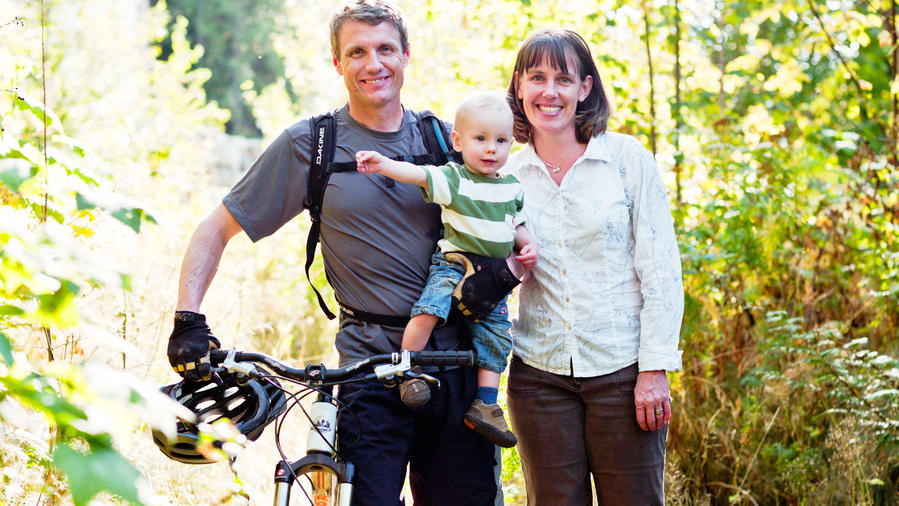
Steven Kaup, 42
Moved: From Vail, Colorado, to Nelson, B.C., in 2007
Old life: Corporate architect in the fast-paced Aspen-Vail-Denver scene
New life: Owner of a small, green architecture firm (studio9architecture.com)
The aha moment: I was working 60 hours a week, but we were still living in a small condo among the mega-wealthy. My wife, Christy, knew Nelson and talked me into a ski trip. The powder was better than anything I’d ever skied. We went back that summer to sea kayak, and when we returned to our hectic lives, I thought, it can be better. It just takes courage. We put our condo on the market, it sold, and we rolled out of town.
What I gave up: Job security. I started my new architecture firm here from scratch. Also, shopping. When you need, say, a couch, there are just a few stores. And traveling in winter. Flights are canceled; snowplows just can’t keep up. So we hunker down, ski our brains out, and have potlucks with friends. We’re big on potlucks in Nelson.
What I gained: Epic skiing, mountain biking, canoeing, plus my dream house—which I designed and built. In Vail or Aspen, it would’ve cost millions—here we spent $686,200.
Take my advice: The immigration process is fairly straightforward: Have a solid background and a reliable prospect for employment, and it should take only about 12 months.
I knew I was a local when: I started curling. Curling is to Canada what golf is to the States. We get dressed up, drink cocktails, and curl.
4 more woodsy dream towns
Boulder Creek, CA
Just over the hill from shmancy Woodside, absurdly rural Boulder Creek (and neighbor La Honda) has the open space to keep cyclists, hikers, and horses happy.
Population: 4,923; median single-family home: $577,900
boulder-creek.com
Cowichan Bay, B.C.
A salty seaside village with a burgeoning artisanal food scene, it nabbed a "slow city" designation from Italy's Cittaslow. And with, okay, a somewhat rainy-dismal winter, it's still affordable.
Population: 2,394; median single-family home: USD $359,405
cowichanbay.com
Vashon Island, WA
Just a 20-minute ferry ride from Seattle, this forested, farm-y land is studded with honor-bar fruit stands, and hosts professionals who are artist-hippies at heart.
Population: 11,000; median single-family home: $606,100
vashonchamber.com
Victor, ID
Only 25 miles separate this mountain hamlet from ritzy Jackson Hole, but the crowds (and prices) have stayed low-key. Outdoorsy newcomers mix with ranchers in a town with four organic farms, two microbreweries, and a bike shop run by the former mayor.
Population: 2,055; median single-family home: $449,000
victorcityidaho.com
McMinnville, OR
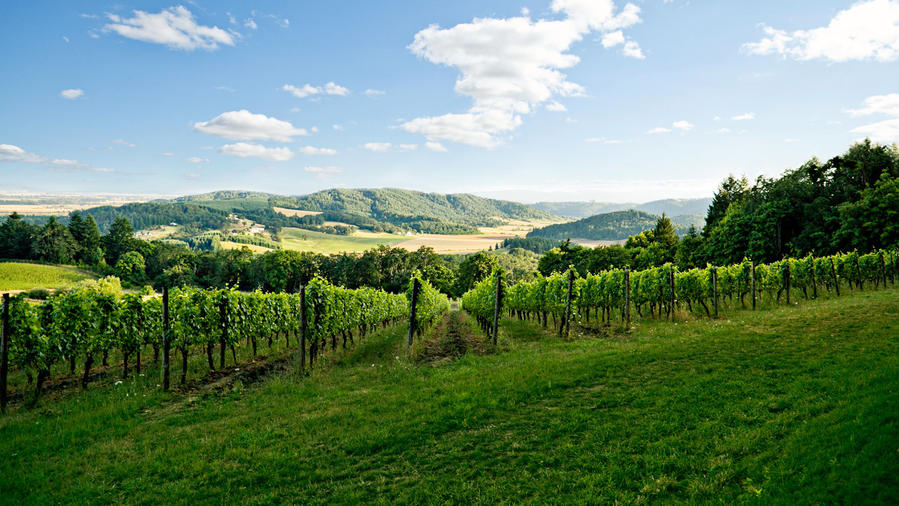
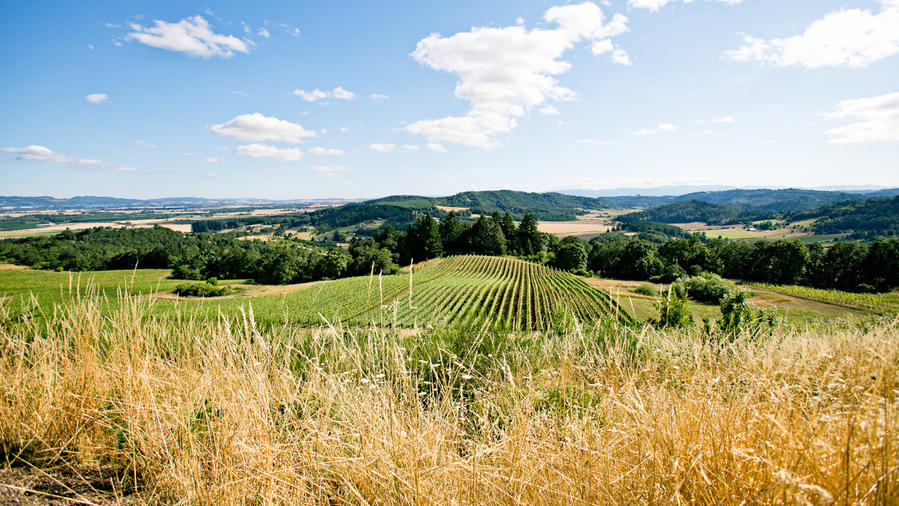
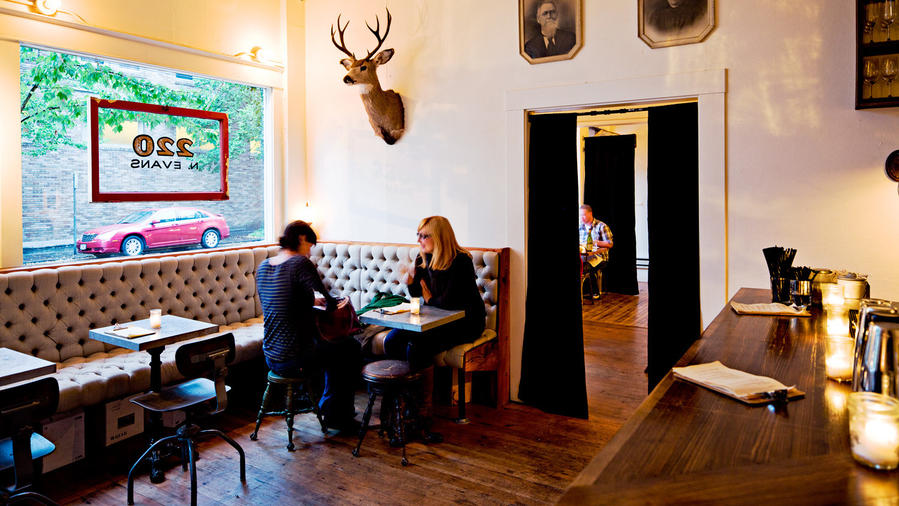
The Willamette Valley has fantastic Pinot, of course, but the towns along the highway are, well, less than picturesque. McMinnville, 35 miles from Portland, is the exception. It's got that historic brick-lined main drag. Acres of farmland that feed a burgeoning farm-to-fork restaurant scene (largely spurred by Eric Bechard of Thistle and the town's first non-dive bar, Oak & Ivy). And it's the kind of progressive small town attracting 20-, 30-, and 40-somethings from Portland to Napa; where full-on houses are affordable; people post online pleas like, "Who wants to split 25 pounds of CSA carrots?"; and Saturday nights are spent swing dancing in the local ballroom. Plus, the feel is refreshingly middle class. As one local puts it, "The rich people must be hiding in their wineries."
visitmcminnville.com
Population: 34,690
Median single-family home: $324,900


"Expat" Cheat Sheet
Dominique Bjorlin, 33
Moved: From Vancouver, Washington, to McMinnville, Oregon, in 2006
Old life: Preschool teacher in the burbs
New life: Bakery-owner-turned-fashion-retailer
The aha moment: My husband and I had never been to McMinnville before and went for lunch on the roof deck at McMenamins, the place every nonlocal knows. It was a cold winter day, but cozy, romantic. He was considering a job with a blueberry company here. One visit and, we thought, Yes, let's live here!
What I gave up: Having my family nearby.
What I gained: The ability to walk down the street and say hello to people by name. A house—with character and crown molding—that was cheaper than our new-construction subdivision in Vancouver. A weekly farmers' market that allowed me to try out my gluten-free cupcake and meet my business partner, Amy Israel. She came every week, and one day asked if I'd be interested in opening a storefront. I don't think that kind of repeat interaction would take place in a big city.
Take my advice: If you want to start a business here, finding a niche is important. I don't know if I would've succeeded with a regular bakery; it helped to be vegan and gluten-free. The Saturday market is a great place for people who have an idea and want to try it out before opening a full-fledged business.
I knew I was a local when: I started getting my weekly duck eggs from my neighbor.
4 more wine country dream towns
Geyserville, CA
Just 75 miles north of San Francisco, with a two-block-long, Wild West--esque main drag, this low-key Alexander Valley town shows no signs of Napafication.
Population: 2,100; median single-family home: $749,500
geyservillecc.com
Ojai, CA
A handful of small wineries like Boccali Vineyards grow their own grapes here, and lately hobbyists have been buying up half-acres to give it a go too.
Population: 7,585; median single-family home: $939,000
ojaivisitors.com
Paonia, CO
Vineyards? At 6,400 feet? This pastoral town, 228 miles west of Denver and surrounded by peach orchards and huge peaks, cranks out quality Rieslings and Gewürztraminers.
Population: 1,425; median single-family home: $218,350
townofpaonia.com
Waitsburg, WA
Twenty minutes north of Walla Walla, it has a tiny Main Street backed by golden hills. There's also a growing handful of new businesses, like the Jimgermanbar, a magnet for classic cocktails.
Population: 1,187; median single-family home: $345,000
cityofwaitsburg.com

Big Island, HI
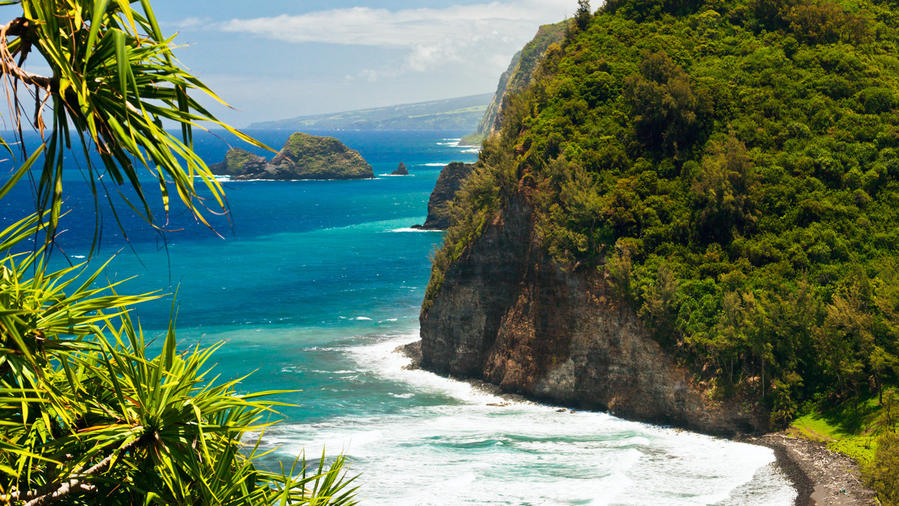
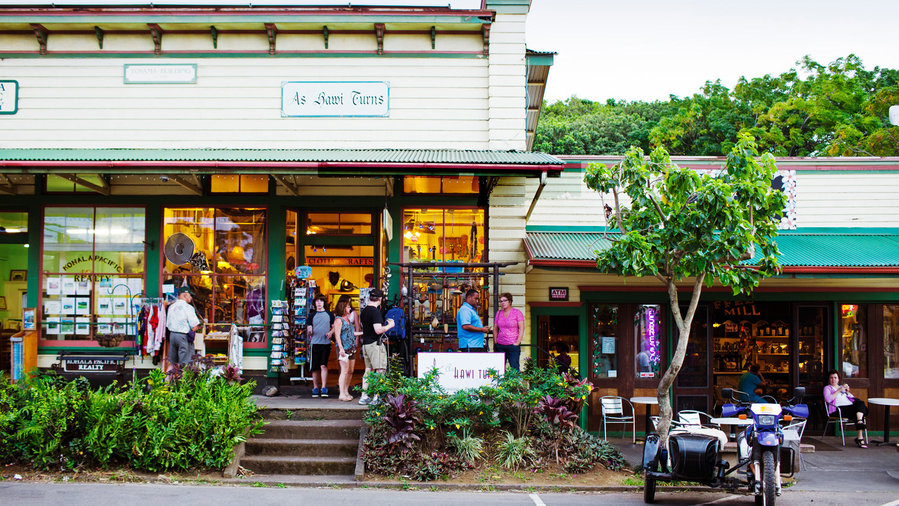
Anywhere on this lush, easygoing island would suffice for the average overworked Mainlander, but hot spots to consider include Puna (the fastest-growing district in eastern Hawaii), with its black-sand beaches and macadamia nut farms; and timeless towns like Waimea and Hawi, where artists, surfers, and disenchanted daily grinders are filling up the cafes. But daydreamers, prepare for sticker shock the first time you buy a carton of OJ or fill your gas tank.
gohawaii.com/big-island
Population: 198,449
Median single-family home: $569,000
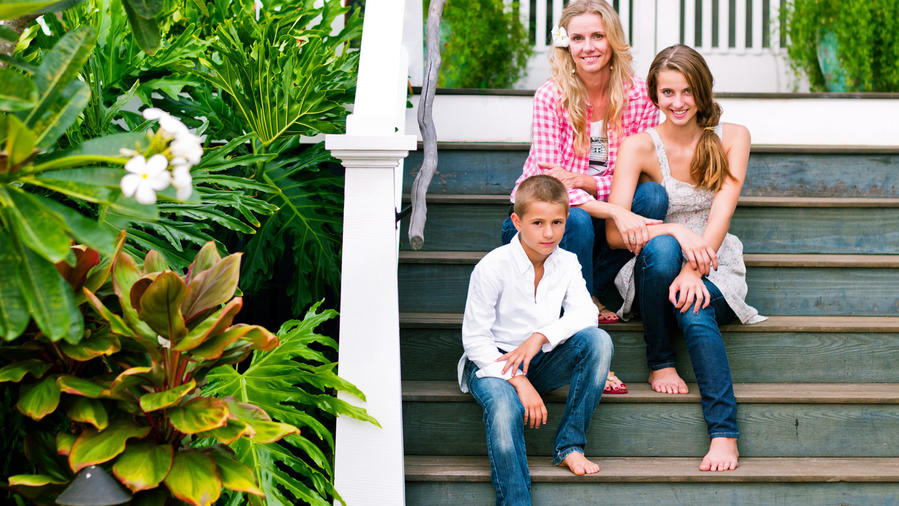

"Expat" Cheat Sheet
Christie Cash, 42
Moved: From Los Angeles to the Big Island in 2007
Old life: Executive producer for a film post-production company
New life: Owner of Puakea guest ranch (puakearanch.com) in North Kohala; lives in Waimea
The aha moment: I was running a post-production company in L.A. and after months of negotiating a complex merger, I realized, Wait, do I really want to be doing this in five years? If not, what do I want ownership in? And then I thought: Hawaii. I've always loved Hawaii. We chose the Big Island because it's the most diverse and feels the least touristy to us. When we found the ranch—a 33-acre former sugarcane plantation with jacaranda and plum trees—we fell in love with it and wanted to share it. There is still magic here.
What I gave up: Friends I'd had since my 20s, amazing restaurants, museums, theaters. There aren't many occasions to get dressed up here, and there is still a part of me that wants to wear my fancy high heels.
What I gained: Motherhood. A 9 p.m. bedtime. An oceanside "commute. " And if you'd told me 10 years ago I'd be a horseback rider, I would've laughed.
Take my advice: You will always be an outsider to folks who have been here for generations, and you may need to work a bit to make friends. I volunteer at my kids' schools, and most of my close friends are other parents or business owners. Respect the fact that you're a newcomer in a place with deep roots, and you'll be fine. Don't speak pidgin!
I knew I was a local when: We picked up our daughter one day after school with surfboards strapped on the car.
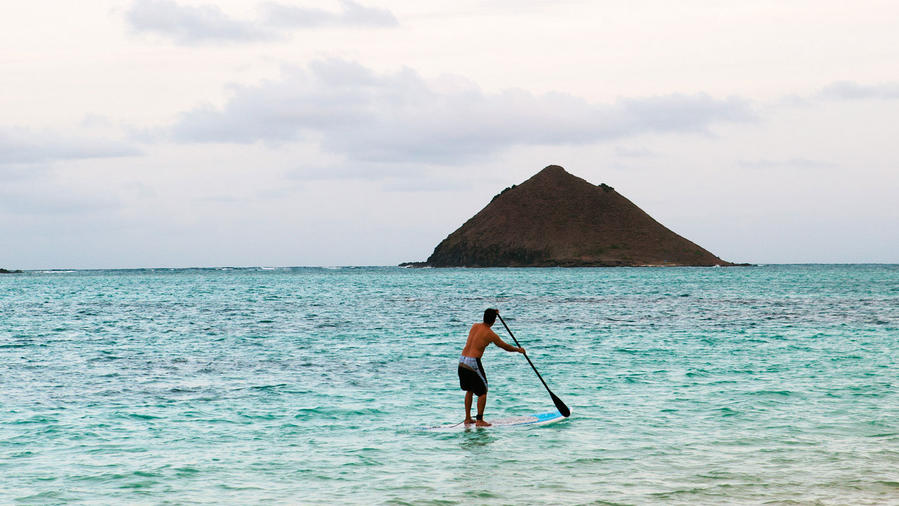

4 more tropical dream towns
Kailua, HI
The Oahu town is where the Obamas vacation, but for the other 50 weeks, it goes back to being itself: a low-key cross between small town and suburb, with two of the best beaches on the planet.
Population: 50,000; median single-family home: $1,250,000
kailuachamber.com
Summerland, CA
With picket fences, cedar-shake buildings, and a cute-as-a-button main drag, Summer-land is like a dose of New England charm ... albeit with palm trees, better surf, and the Bikini Factory.
Population: 1,448; median single-family home: $2,780,000
santabarbaraca.com
Todos Santos, Mexico
Just 50 miles north of Cabo, but worlds away from its sprawling resorts, is this blissful beachy village known for great surf, just-caught seafood, and postcard-perfect sunsets.
Population: 5,148; median single-family home: USD $561,000
todossantos.cc
Troncones, Mexico
Less than an hour north of Zihuatanejo is Troncones, a one-road fishing village with vacation-esque comforts (yoga, surf camps, even wood-fired pizza at Hacienda Eden). Expats meet at Café Sol.
Population: 700; median single-family home: $265,000
troncones.net
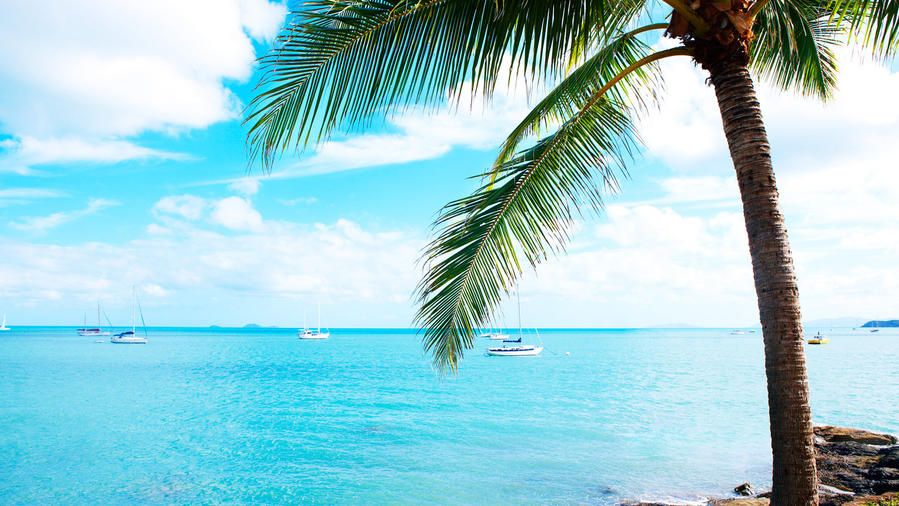

Whitsunday Islands, Australia
Imagine: snorkeling the Great Barrier Reef every weekend; sailing, nightly if you like, into a killer sunset; a house with a water view (it's hard to find a place in the Whitsundays without one); all the mango, passion fruit, and barramundi you can eat. Not as a trip-of-a-lifetime, but as your life. Oh, sure, people who actually occupy the Whitsundays' 8 inhabited islands (there are 74 total) and gateway town of Airlie still have to work—living in a "holiday" destination doesn't come cheap. But there's a serious laid-back vibe to this subtropic, turquoise-tinted region. You want in? Yeah, so does everybody else. The younger you are, the better educated, and the more moola you can bring in, the better. In a nutshell: Have a sought-after skill set (high-tech, medicine, engineering); get sponsored; or find yourself a charming Aussie and get hitched.
immi.gov.au
Population: 1,570
Median single-family home price: $1,400,386
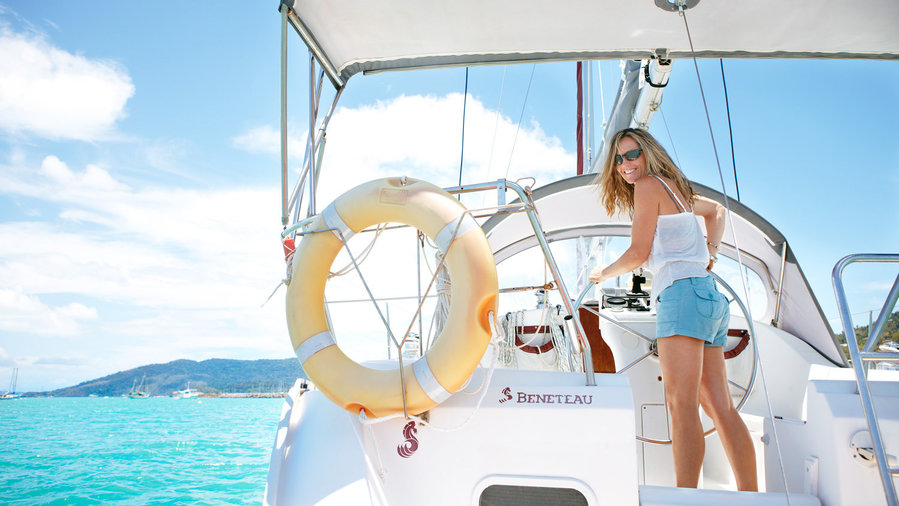

Expat Cheat Sheet
Suzanne Haddon, 46
Moved: From Seattle to the Whitsunday Islands, Australia, in 2009
Old life: Senior design director for Starbucks
New life: Self-employed graphic designer, artist, and painter
The aha moment: When Bush was voted back in office, I said, I'm outta here. My husband and I were both surfers—all we wanted was warm water and waves. So we started plotting to move to Australia. What inspired me about Airlie Beach was the colors of the tropical plants and beautiful clear water. It lets me be more creative as an artist and a designer. There's no surf here, so we took up sailing and travel for waves.
What I gave up: Horrible rainy weather, but also Seattle's supportive design scene. Not to mention city culture in general. Museums. Graffiti!
What I gained: The ability to wear a bikini surfing instead of a wetsuit. Sunny weather. Snorkeling off of my backyard, fresh-caught crab and lobster for dinner, ocean views from my living room.
Take my advice: Have a financial plan. I'd run my own business before and was able to keep a lot of clients in the States while I found new locals to work with. Don't wing it.
I knew I was a local when: I competed in my first regatta. Suddenly I'm a sailor. But I'm not sure I'll ever really feel like a local—Aussies have their own language.


4 more Pacific Rim dream towns
Fremantle, Australia
Just 7½ miles southwest of Perth in Western Australia, "Freo" is a bohotrendy, multicultural university port town where you can get fish 'n' chips fresh off the boat or an espresso from the cafes lining the "cappuccino strip," or just lie on the beach.
Population: 26,582; median single-family home: USD $591,907
westernaustralia.com
Napier, NZ
The quiet star of the North Island is Hawke's Bay, a world-class wine country five hours from Auckland. Napier is its seaside center, rebuilt in art deco style after an earthquake in the '30s.
Population: 62,100; median single-family home: USD $330,198
hawkesbaynz.com
Nelson, NZ
In this coastal community at the top of the South Island, hikers, climbers, and kayakers have three national parks in their backyard, including the famed Abel Tasman.
Population: 64 800; median single-family home: USD $364,207
nelsonnz.com
Wanaka, NZ
Word is finally getting out about the gorgeous little mountain town on the South Island's Lake Wanaka. Outdoorsy, progressive-type folks are moving here for the lake scenery and village vibe.
Population: 6,471; median single-family home: USD $766,592
lakewanaka.co.nz


Tips for moving to paradise: Setting expectations
1. Analyze the situation without the rose-tinted glasses. Maybe you first saw your paradise on vacation. But when you think of moving there, this isn’t vacation, it’s your life. Be honest about potential trade-offs: Would you be comfortable living in a town without a grocery store or hospital? If you’re moving with kids, make sure there’s space at the local school and pediatrician’s office.
2. Take your place for a trial run. Visit your place for at least two weeks, ideally split between winter and summer. '“It’s good to know the very hot and very cold of a place,” says Steven Kaup, who moved from Vail to Nelson, B.C. Before taking the plunge, Steven also checked out how many live performance venues there were (many) and fast-food chains (no McDonald’s, a plus). “This said a lot to me about the core values of the community.”
3. Craft a realistic budget based on your time there. Write down everything you spend while on a long-term stay. Dream towns can have hidden costs. While real estate might be cheap, groceries and gas that have to be flown or shipped in are not. When you visit, shop at local stores to get a sense of what staples cost.

Tips for moving to paradise: Being prepared
4. Arrive with enough cash to see you through this transition. Have a cushion of at least six months of living expenses before you move.
5. Purge your belongings. If you’re moving to, say, Hawaii, Australia, New Zealand, or coastal Mexico, chances are your belongings are arriving by sea in a giant shipping container. You don’t want to pay to send more than you need, also keeping in mind what’s right for the climate you’re moving to.
6. Research the job market. Ask locals how important it is to have a job lined up before you move. “Unless you’re starting your own business and following a passion, I wouldn’t come to Hawaii without a job,” says Christie Cash, who moved from L.A. to the Big Island to open Puakea guest ranch. “Most work here is in the tourism industry, though doctors are very welcome!” If you’re currently self-employed, feel out clients to see if they’d stick with you if you made a move.
7. If you’re starting a business, expect to have more than six months worth of savings. “Know how much money it’s going to take to pull it off,” says Christie. “On the Big Island, no VC firm is going to fund your boutique business. We put all our savings into the ranch, but my husband kept his job and commutes to L.A., which pays for our life here.” When Suzanne Haddon, an artist with her own graphic design business, moved from Seattle to the Whitsundays, Australia, she had a year’s worth of living expenses saved. “It took that long to get my design business going, and I didn’t want to have to take another job.”
Tips for moving to paradise: Getting settled
8. Know the immigration process. The Citizenship and Immigration Canada site (cic.gc.ca) is a one-stop shop for all your immigration questions. “If we were to do it over again,” says Steven, “we would have used a legal consultant specializing in immigration. It’s reported to be about $1,000.” Visit immi.gov.au to learn about the Australian visa and immigration process, immigration.govt.nz for New Zealand, and https://mexico.visahq.com for Mexico.
9. Approach making friends like it’s a job. Join a community organization, whether it’s the local soccer team or the hospital volunteers. If you have kids, help out with school events. And print up cards with your email so it’s easy for new acquaintances to get in touch with you.
10. Give yourself time to settle. If you’re moving within the United States, it can take a year to really feel settled, and longer if you go outside the U.S. Expect to navigate fairly big cultural differences if you move to Hawaii, Australia, or New Zealand.