CONTESTS &
EVENTS
Visit our Marketplace
Sunset Wine Club
Special Events
Tour Our Idea Houses
Travel Getaways
and Deals
    
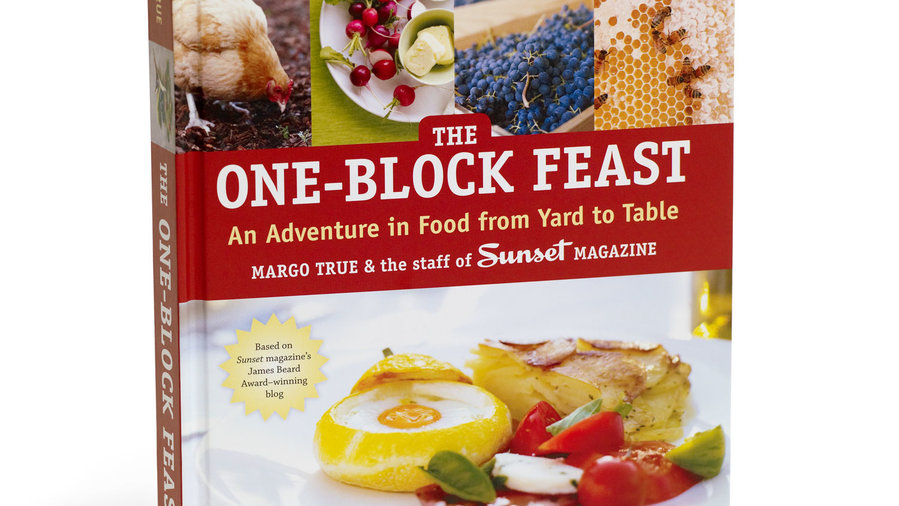
One-Block Feast
photo by Thomas J. Story
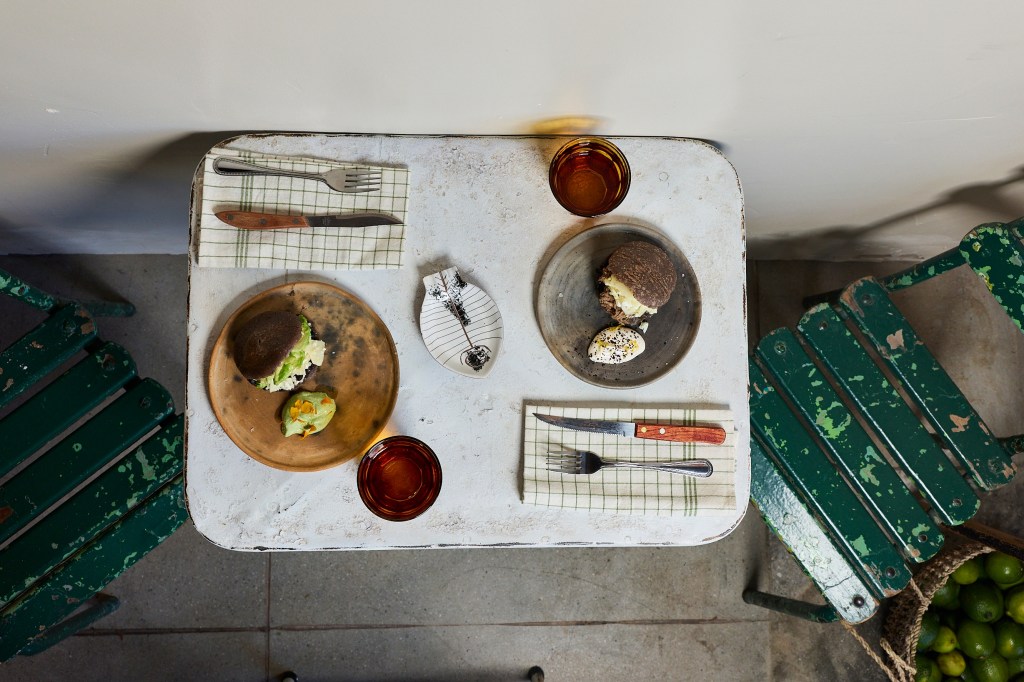
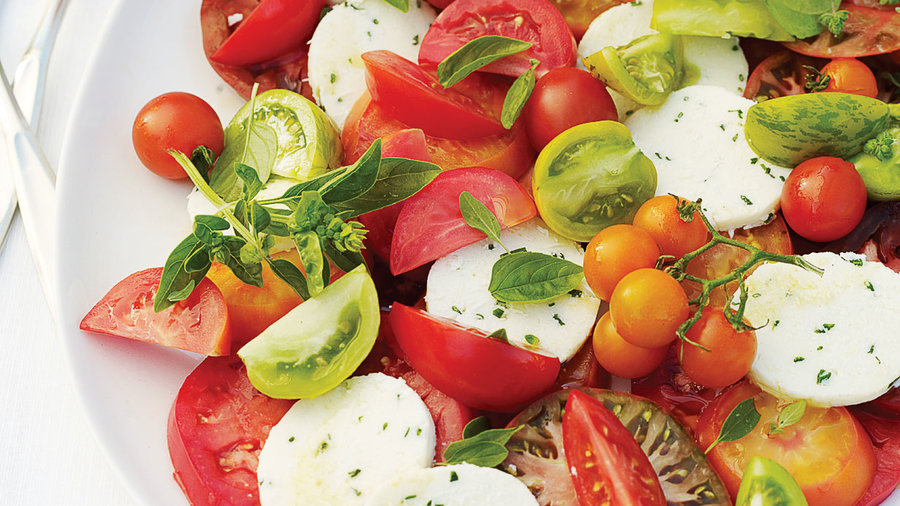
Pattypan Squash with Eggs; Rosemary Potatoes Anna; Tomato and Herb Salad with Fresh Chive Cheese
Your one-block feast
Garden-fresh recipes and lessons from the land: Here's how to grow delicious food at home

Get the recipes

Special downloads
How to make beer
How to raise chickens
How to make wine
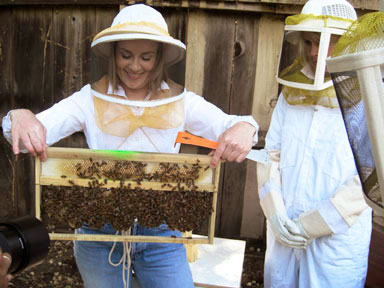
How to raise honeybees
How to make vinegar
How to make salt
How to make olive oil
Growing tips and seed sources

Know when to plant
Regional garden calendars
Planting for the cool season

Join us in the blogs
Team Chicken, Team Wine
Team Bee, Team Garden, and more

On a late-summer evening, in the middle of the garden, a group of us are having dinner. The cucumbers come from vines sprawled a few feet away. The eggs inside the little baked squashes are courtesy of the six hens clucking at the garden's far end. The tomatoes were picked an hour ago. Everything we're eating tonight, from the wine in our glasses to the honey in the sorbet, we made or grew ourselves, right here.

One-Block Feast
photo by Thomas J. Story
Garden special projects editor Lauren Swezey (in green) and head gardener Rick LaFrentz
We're longtime fans of the local eating movement, which champions getting food grown as close as possible to where you live. About a year ago, we took this to its logical conclusion: Instead of a 100-mile or 50-mile diet, how about a one-block diet? We'd raise everything at Sunset, in a backyard-size plot, for a late-summer feast (and a lot of cooking beyond).

First, we dreamed up the menu; then we planted fruits and vegetables (see list below). We needed fat for cooking, but what to use? The giant old olive trees on our property held the answer in their branches. A group of staffers, dubbed Team Olive Oil, started investigating how to press our olives for oil.

As for what to drink, a pair of grapevines in the garden gave us the idea. Team Wine drove into the nearby Santa Cruz Mountains, picked 500 pounds of Syrah grapes, and crushed them in a Sunset parking lot. Meanwhile, our head gardener, Rick LaFrentz, led Team Beer in making a summery wheat brew.

Our menu sounded good, but gossamery. We needed protein. Enter Team Cheese (using milk from a Bay Area dairy) and Team Chicken (focusing on eggs, not meat). Finally, we needed a natural sweetener for dessert: honey. Plus, its hardworking producers would pollinate our garden. Team Bee was born.

We began our project knowing how to garden and cook. But as for winemaking, beekeeping, saltmaking, and the rest of it, we were completely untrained. We tackled these time-honored crafts with beginner's gusto, and learned that we really could do it all. And so can you.

Edamame
photo by Rob D. Brodmanb
Edamame
Our Choice Crops

Tasty, vigorous, productive fruits and vegetables

Barley
('Lacey') A malting type developed for brewing

Chiles
Thick-fleshed, mild poblano; spicy serrano

Corn
('Honey Select') Great corn flavor; tender kernels

Cucumber
('Diva') Sweet, crunchy; very productive; disease-resistant

Edamame
('Sayamusume' soybeans) High yields and nutty flavor

Garlic
('Spanish Roja') Hardneck type, with large, easy-to-peel cloves; turns buttery soft when cooked

Herbs
Clean-tasting 'Genovese' basil; pine-scented 'Tuscan Blue' rosemary; tiny-leaved common thyme; spicy chives; intensely aromatic peppermint; heady Italian oregano; and anisey, pungent sweet marjoram

Hops
Citrusy, floral 'Cascade'; nicely bitter 'Centennial'; spicy, herbal 'Nugget'

Lemon

photo by Rob D. Brodman
Harvesting 'Yukon Gold' potatoes
('Eureka') Large, juicy; trees are easy to find

Lemongrass
Aromatic and citrusy; makes good herbal "tea"

Melons
Luscious, creamy, fragrant 'Sharlyn', like a honeydew-cantaloupe cross; small, crisp, almost seedless 'Sugar Baby' watermelon; honeyed 'Ambrosia' cantaloupe

Onion
White Spanish onions are large, spherical, and don't turn sweet when cooked

Pattypan squash
Disk-shaped, scalloped-edged 'Benning's Green Tint' (lime green) and 'Sunburst' (brilliant yellow); tender skins and few seeds; small, pretty, and ideal for stuffing

Potato
('Yukon Gold') The best all-purpose potato, with buttery, sweet flesh

Tomatoes
Prolific, super-sweet, deep yellow cherry tomato 'Sun Gold' and red cherry 'Sweet 1000'; dependable, rich-tasting, red 'Early Girl'; lemony, jade-striped 'Green Zebra'; tender, yellow-and-red 'Marvel Stripe'; thin-skinned, magenta-purple 'Brandywine'

Wheat
(Organic soft white) High in carbohydrates, which convert to sugars and then alcohol in beer

Zucchini
('Trombetta di Albenga') Climbing vine with big, fan-shaped leaves and pale green zucchini often curved like trombones; sweet, mild, and stays crunchy when cooked –Lauren Bonar Swezey

The Imports

We went outside our block for:

Malted Grain Extract (as backup for our beer crops)

Milk 1½ gals. organic whole milk (made about 1¾ lbs. cheese)

Olives 800 lbs. olives (made 20 gals. extra-virgin olive oil)

Seawater 3 qts. from the Pacific (made ½ cup sea salt)

Wine grapes 500 lbs. Syrah (made 180 750-ml. bottles, plus 15 l. vinegar); 20 gals. Chardonnay juice (made 100 750-ml. bottles)

IN THE GARDEN

Follow a few simple guidelines and your crops will thrive

Great food starts with good soil. For vigorous, flavorful fruits and vegetables, plant nitrogen-fixing cover crops (clover, vetch) and till them into the soil in spring. Mix in compost and fertilizer, and you'll have loose, rich soil. All you need to do is plant, add drip irrigation, and let the garden rip. Our plot measured 550 square feet, but you can grow the crops wherever you have room.

When you grow your own food, you can plant varieties that are hard to find in a grocery store or even a farmers' market. We put in peppermint, so aromatic that it makes store-bought spearmint taste like grass. We grew 'Trombetta di Albenga' zucchini, which tends to curve like a trombone. And 'Sharlyn' melon, so creamy and tender it practically melts in your mouth.

Don't expect everything to succeed. Squirrels ravaged our wheat and barley. The biggest disaster: our olives, which were horribly infested with fruit flies. We ended up picking olives at a Santa Cruz olive farm. Chances are, though, that almost everything will be fine. To go into the garden after being away and see that your corn has shot up to 7 feet, or to find dozens of dewy new cucumbers, is a real thrill.

Sunset guides: Growing your own crops
Special download: Encouraging beneficial insects

Chickens
photo by E. Spencer Toy
Sunset researcher Elizabeth Jardina
We raised chickens

Our flock of six baby chicks grew to hen-hood. Six surprising facts:

1. No Rooster Necessary Even without a male, hens will lay eggs (they just won't hatch). Plus, roosters are noisy; if you're raising chickens in a city, you want to get all hens.

2. Cute But Weird A chicken closes its eyelids from the bottom.

3. Chest Rubs Are Calming Frantic, peeping chick? Gently lay it on its back in your hand and stroke its chest. The little one will bliss out.

4. Odd Appetites The favorite food of adolescent chickens, at least our chickens: wild fennel. They destroyed a vigorous 6-foot plant within a week. Second favorite food: hot green chiles. (Birds can't taste spiciness.)

5. Easily Confused When a hen reaches egg-laying maturity, she will squat near your feet and beg to be stroked. She thinks you are a rooster — a good delusion to perpetuate.

6. An Egg A Day Adult hens usually lay one egg a day. Our flock of six produces three dozen delicious eggs a week, for only the cost of chicken scratch ... well, and one vet bill.

–Elizabeth Jardina

Pattypan Squash with Eggs
photo by Thomas J. Story
Pattypan Squash with Eggs
IN THE KITCHEN

Cook with fresh ingredients for health and pleasure

Ripe fruits and vegetables just off the vine or pulled from the ground have the best flavor and the most vitamins and minerals possible. Not only that, but you also can be reasonably sure — since you grew and picked them yourself — that they haven't been contaminated by foodborne pathogens.

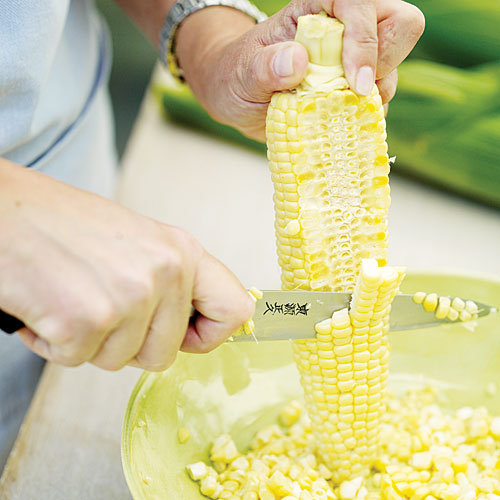
When you slice the kernels from a just-picked ear of corn, milky sweet juice runs off the knife; in older corn, the liquidy corn sugars begin turning to starch. So soup made from fresh corn is sweeter and more delicate. When you eat a ripe, warm tomato right off the vine, you can almost taste the sun in it. Growing herbs means you can often pick flowers along with the stems or leaves and scatter the spicy, pretty blossoms over a salad. And when you crack open a just-laid egg, the white is so firm it hugs the yolk — which sits up perky and high, and is as vividly yellow-orange as paint. You don't have to do much to ingredients like these. Just enjoy the sight, smell, and feel of them and let them shine in simple recipes.

Easy Homemade Cheese

Make it from scratch in an hour or two

Fundamentally, cheese is just coagulated milk. Skilled cheesemakers work with cultures and molds, brining, and aging to produce a wealth of cheeses. But if you want to make cheese the easiest possible way, here's how:

1. Cook Heat whole milk slowly in a heavy pot, stirring often. (This takes about 30 minutes, so bring a book.)

2. Add acid Just as it boils, take it off the heat and drizzle in an acid (we grew lemons, so we used their juice).

3. Ta-da! Fat white curds — the cheese — form immediately, floating in a greenish whey. (Remember Little Miss Muffet?)

4. Drain Pour the curds into a cheesecloth-lined colander, pull the cloth up around the curds, twist, and squeeze out the whey. Add salt. Crumble on soup or salad, or press curds (try a plate and cans) until they're solid.

Tip: Mix the curds with herbs or spices and try perforated molds for interesting shapes.

Wine making
photo by E. Spencer Toy
Wine editor Sara Schneider presses the young wine.
We Crushed Grapes For Wine

Winemaking is like following a very large, slow recipe. Some peak moments:

Picking How long does it take to harvest 500 pounds of Syrah? Only a couple of hours for Team Wine, who cut bunches of sweet, seedy grapes in a remote Thomas Fogarty Winery vineyard in the Santa Cruz Mountains.

Crushing In a parking lot at Sunset, we pulverized the grapes in a borrowed crusher-destemmer — like a large funnel with a rotating screw in the middle. We also used our bare feet, I Love Lucy–style. Stomping grapes is a lot harder than it looks, like huffing up a stair climber set in quicksand. Especially if you're laughing.

Punching Down We stirred our burbling, fermenting cauldrons (okay, clean trash cans) of crushed grapes, juice, and wine yeast with a big wooden paddle, submerging the thick cap of skins to keep them moist and sending color and flavor into the juice. We measured the sugar daily to make sure the yeast was gobbling it up and converting it into alcohol, putting our high school chemistry to use.

Pressing When sugar levels dropped to zero, primary fermentation was finished — we'd made wine! It was time to clean it up with a press, which looked like wood fencing wrapped around a Christmas tree stand. We dumped in our wine and inflated a rubber bladder in the middle, squishing the wine through the wood slats. We ran a bucket brigade to catch wine pouring from the spigot, then carefully splashed it into glass jugs called carboys.

Oaking The easiest and cheapest way to give a wine oak character isn't a barrel but oak chips. We tossed a small handful of toasted chips into each 5-gal. carboy.

–Erika Ehmsen

Get the recipes

One-block Diet: Keep up with our progress »

Published: August 2008