DIY small cabin retreat: $57K, including the land
Mariah Morrow and Ryan Lingard make the 6-hour drive from Portland to their mountain cabin at least four times a year.
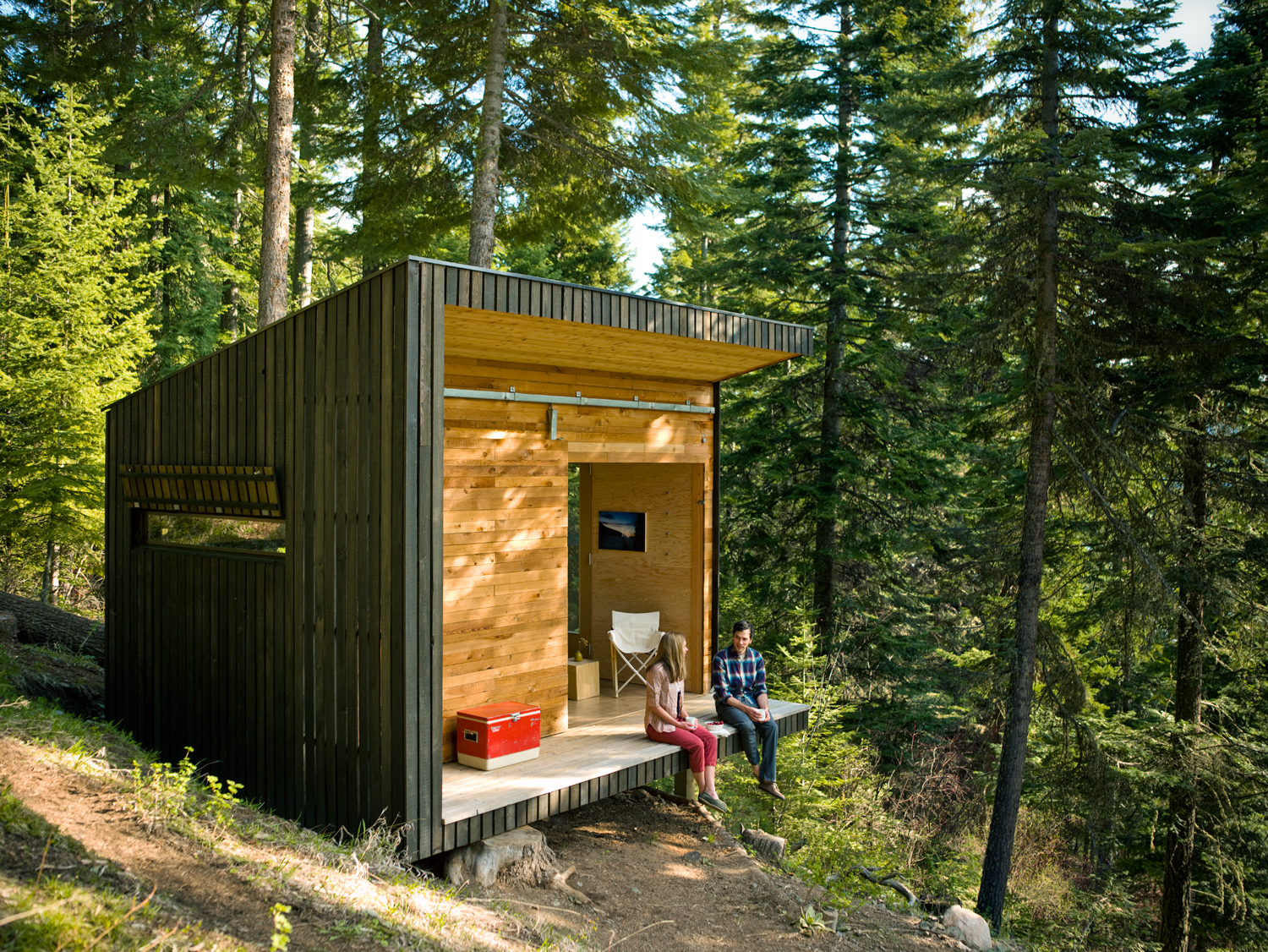
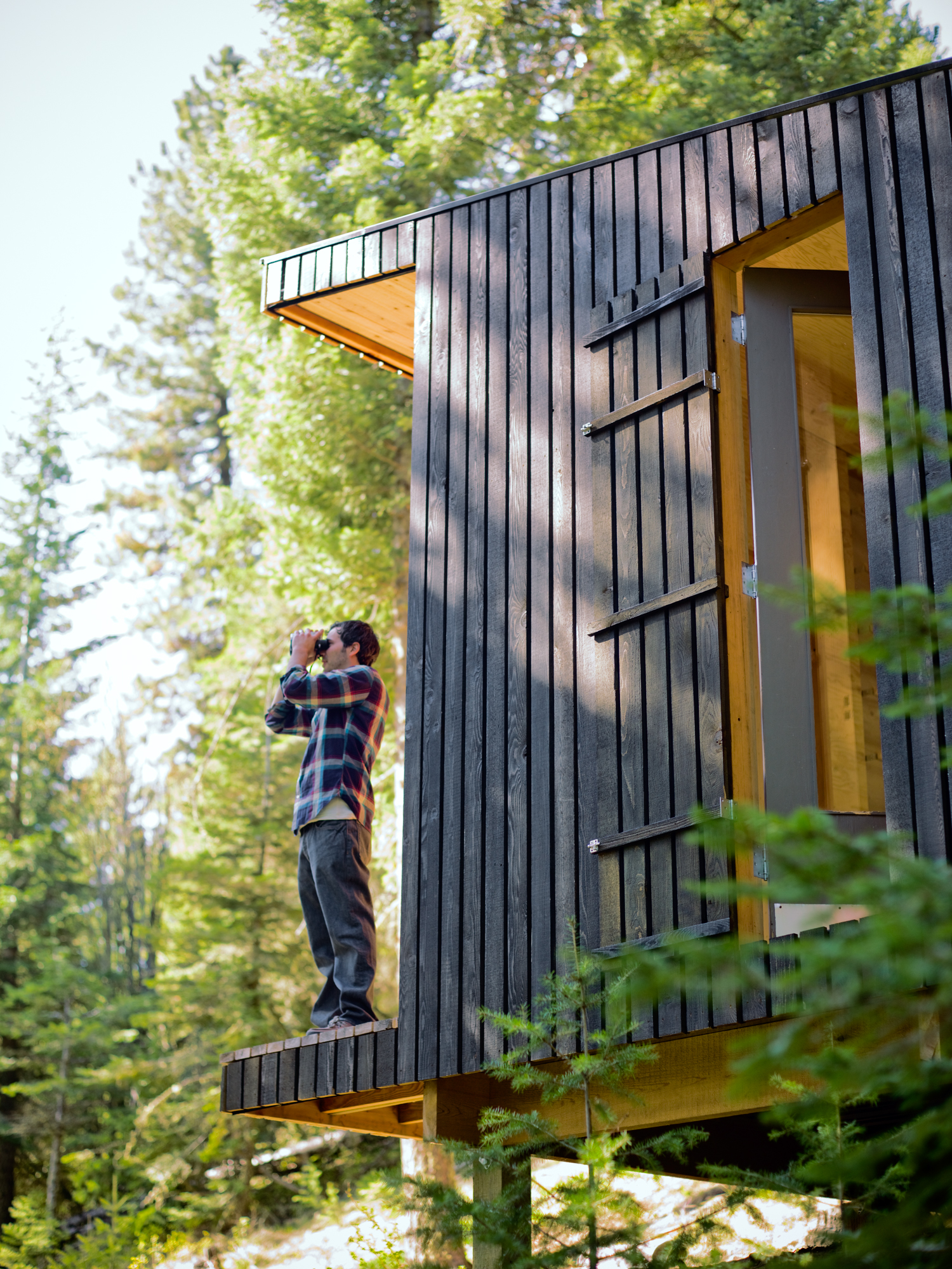
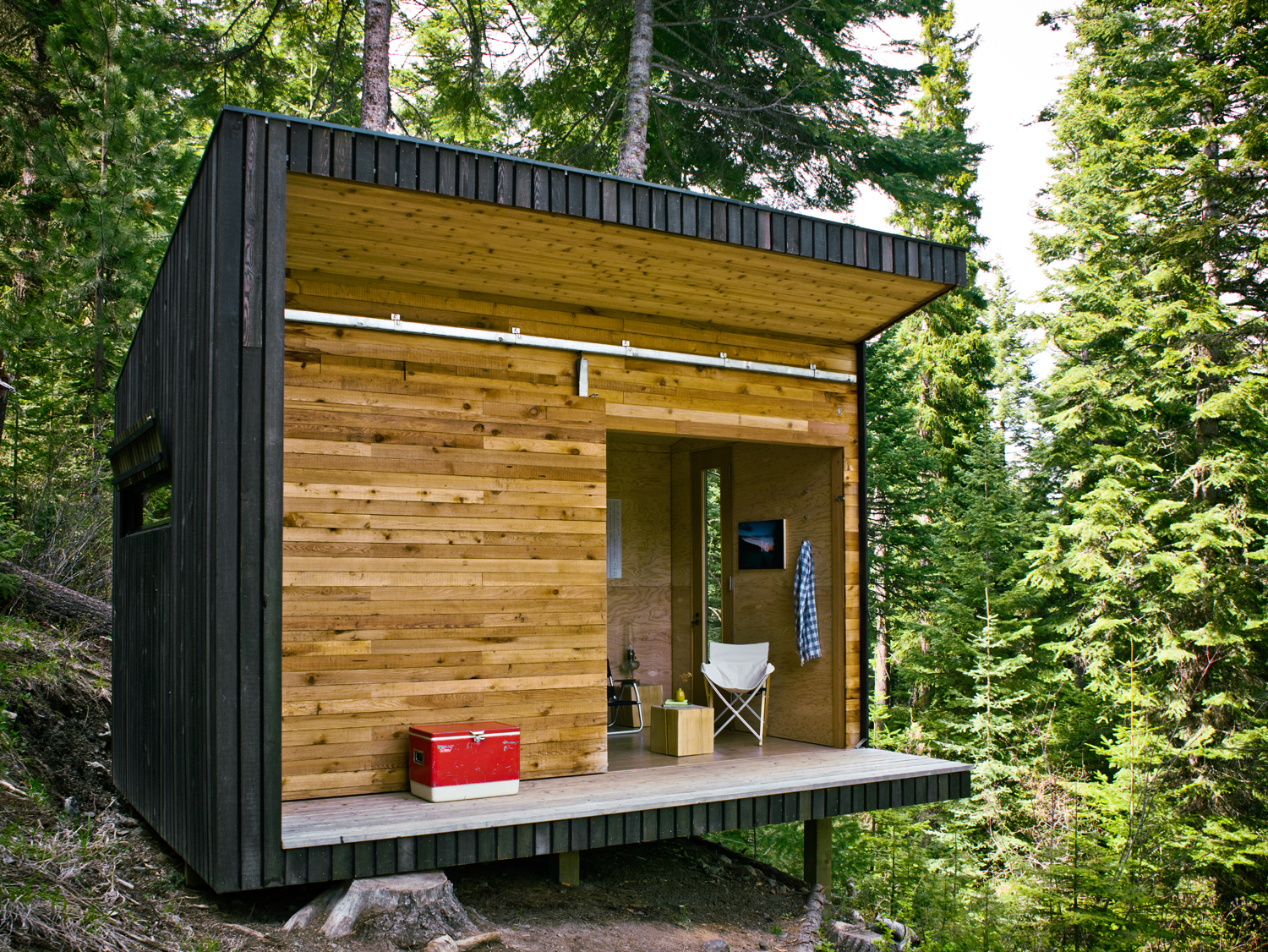
By the time they’ve lit the woodstove and rolled open the 8-foot-high barn door to reveal a view of Wallowa Lake, it’s evident why. This cozy adventure outpost—just 130 square feet plus a deck—is the perfect jumping-off point into the wilderness near Joseph, Oregon.
Ryan Lingard and Mariah Morrow built their tiny cabin for $57,000, including the land. They call it The Signal Shed.
Click ahead to see how they did it.
Off the grid
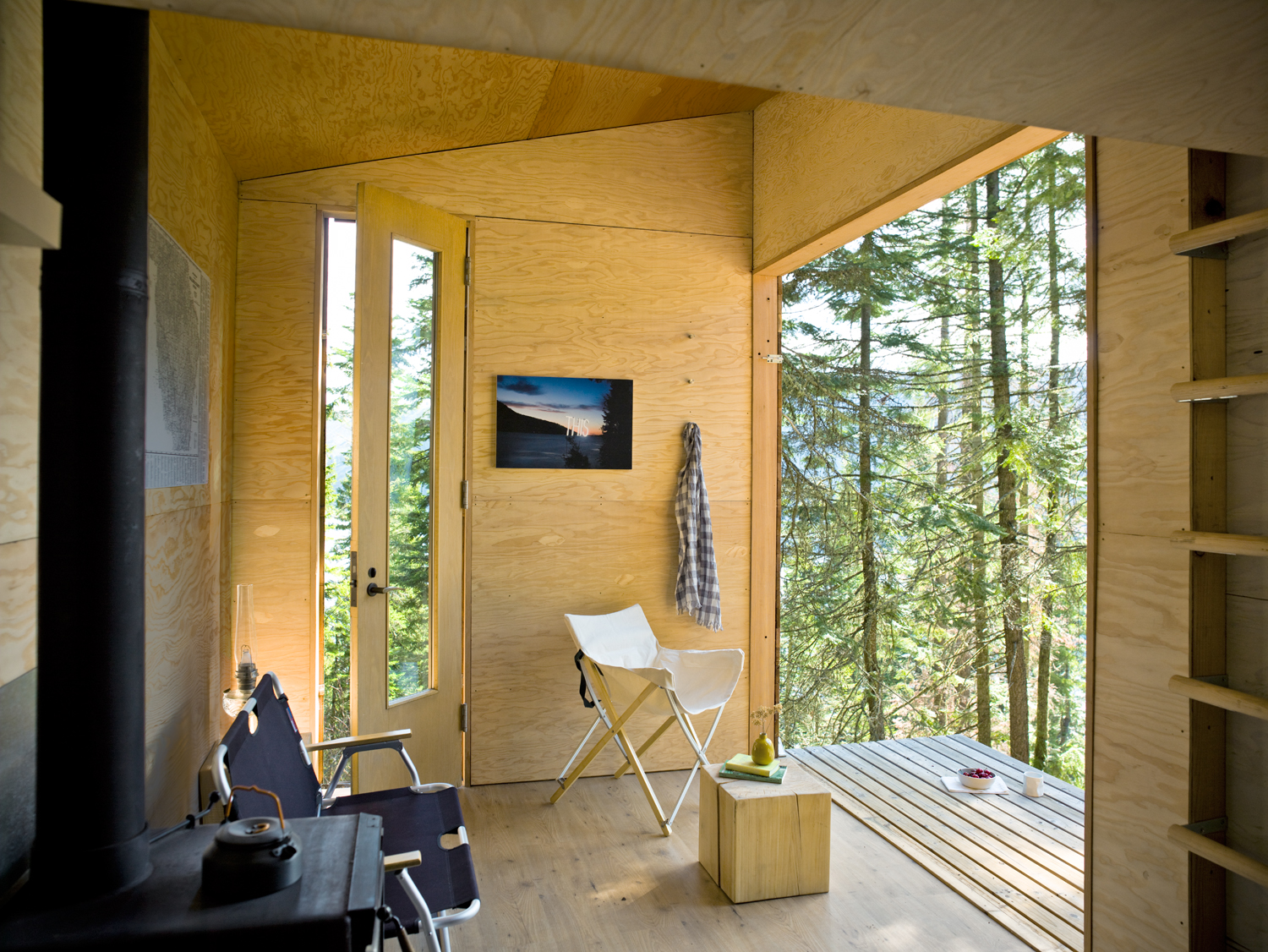
“There’s no need to drive to a trailhead,” says Mariah, noting that informal paths connect the cabin to mountain bike trails and Forest Service hiking trails.
“In winter, we ski and snowshoe,” Ryan says. “It’s peaceful here, and spending time off the grid resets your priorities.”
Living simply
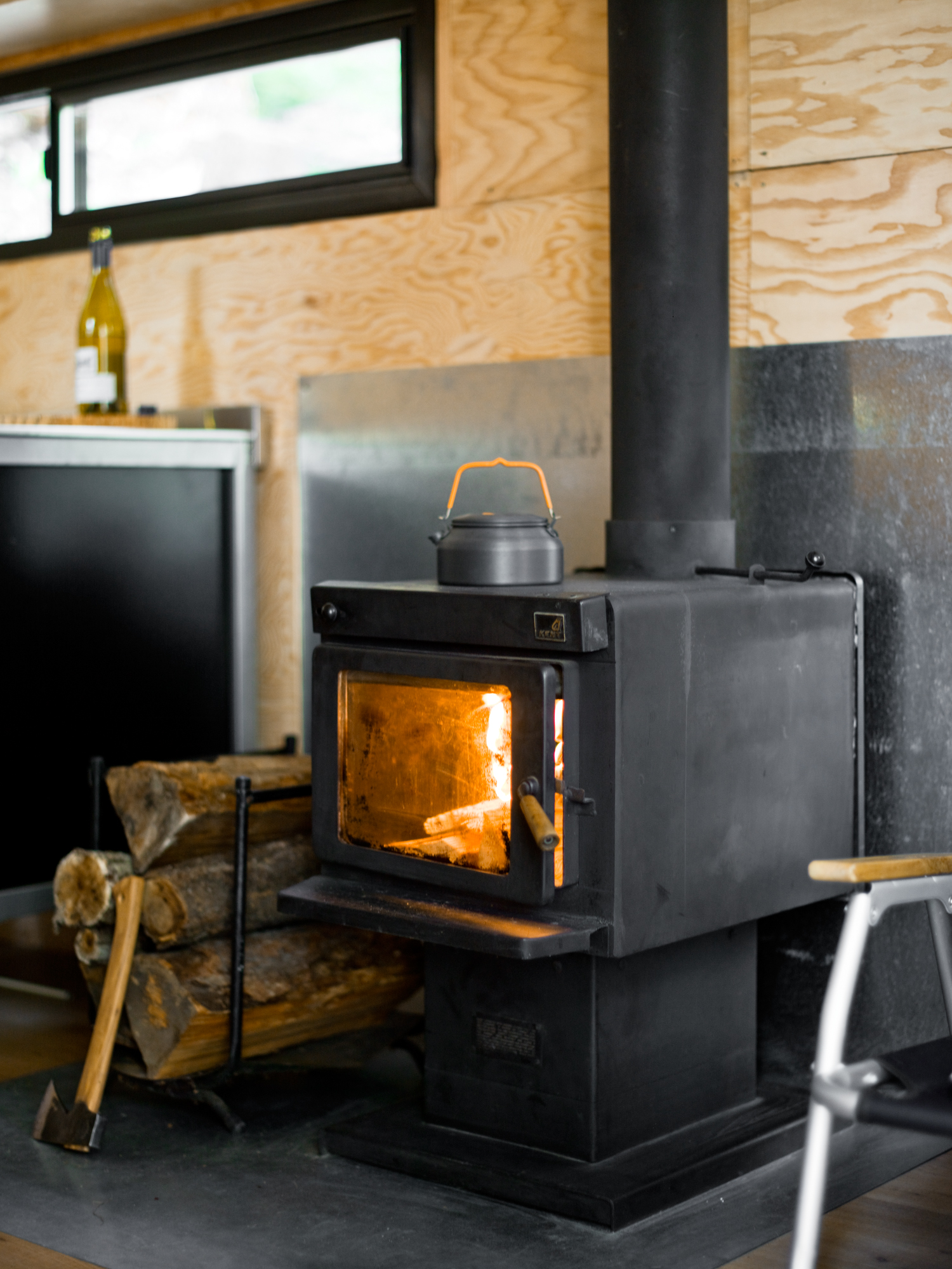
The Signal Shed is rustic, with no running water, no electricity, and a woodstove for heat.
Finding cheap land
A 2006 road trip for Mariah’s birthday led to a serendipitous discovery: a love for the wilds of northeastern Oregon. Soon after, an ad in the local paper led to the purchase of a distressed, 100- by 150-foot parcel for $47,000.
“Where most people would have seen a steep, partially burned, partially logged slope that didn’t have utilities, we just saw possibilities,” Mariah recalls.
How they did it
Much of the couple’s optimism for building came from Ryan’s experience as an architect and knowing that he could design to their specifications. The couple wanted something humble that blended into the environment. Plus the home needed to be easily secured for long absences.
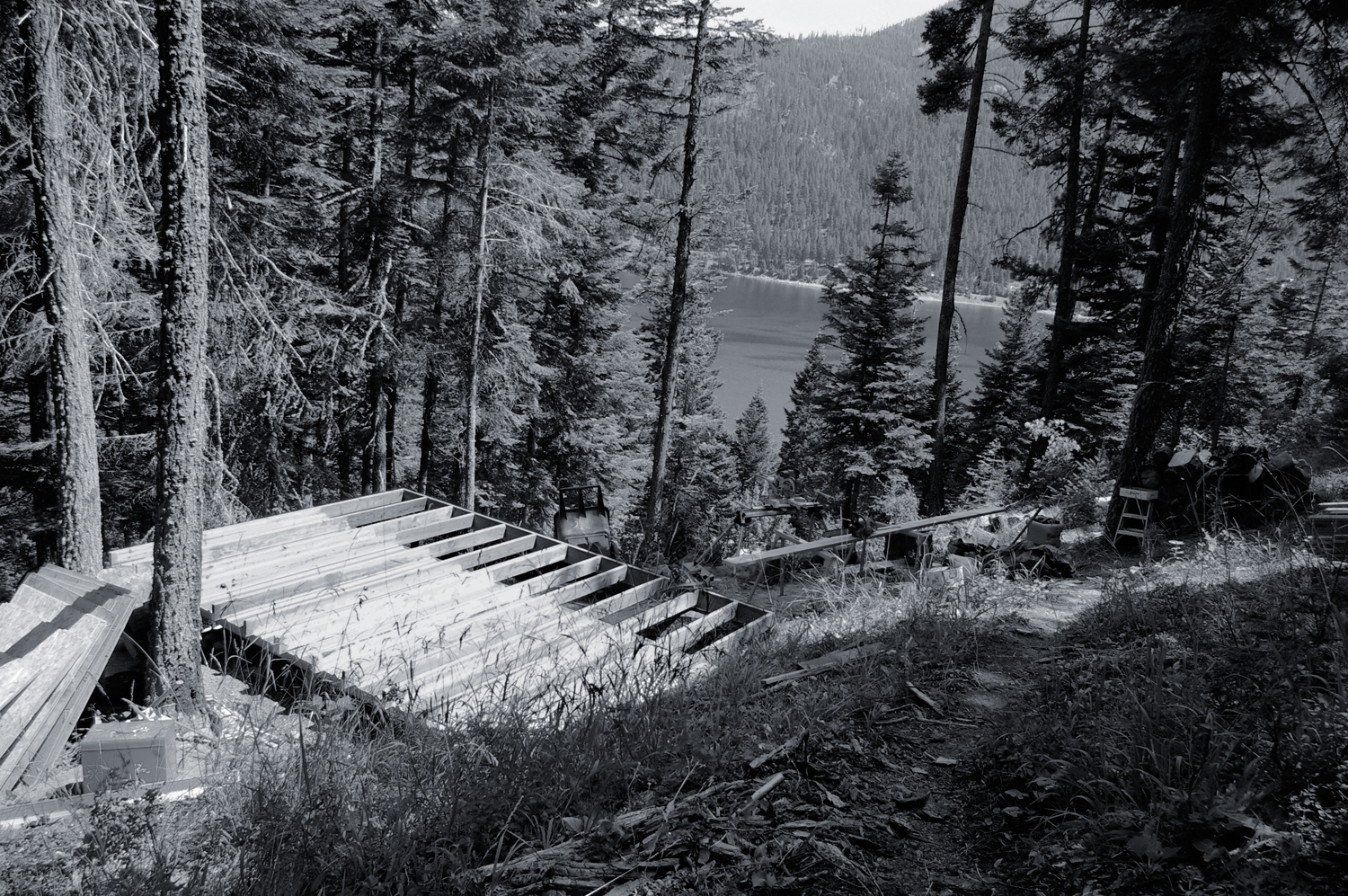
Building the platform, left: The one-room cabin floats on piers to minimize its impact on the site.
How they did it
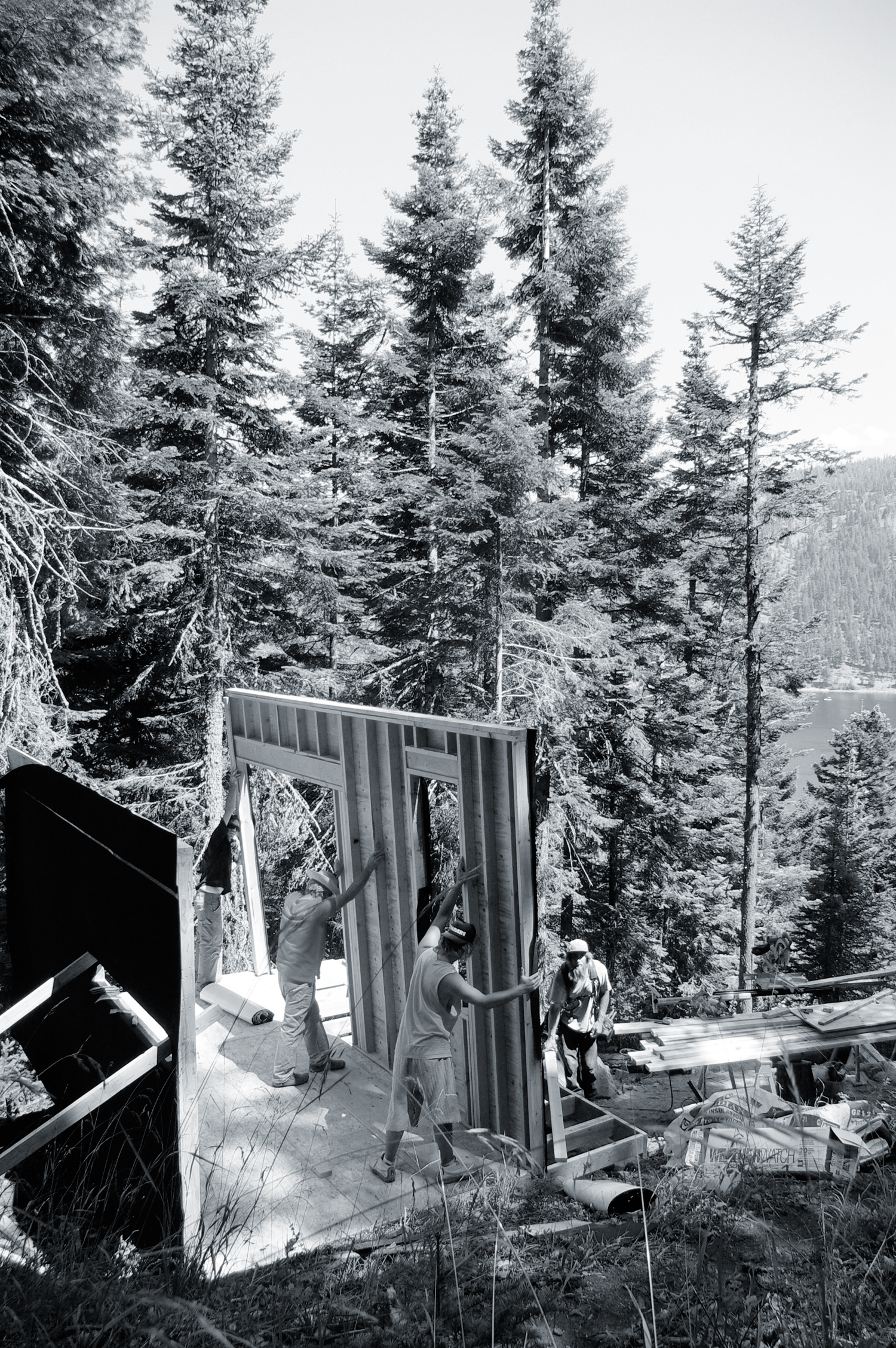
Cedar screens wrap the exterior and can be locked to protect the cabin when Ryan and Mariah are not in residence.
At left: Raising the walls with the help of friends and family.
How they did it
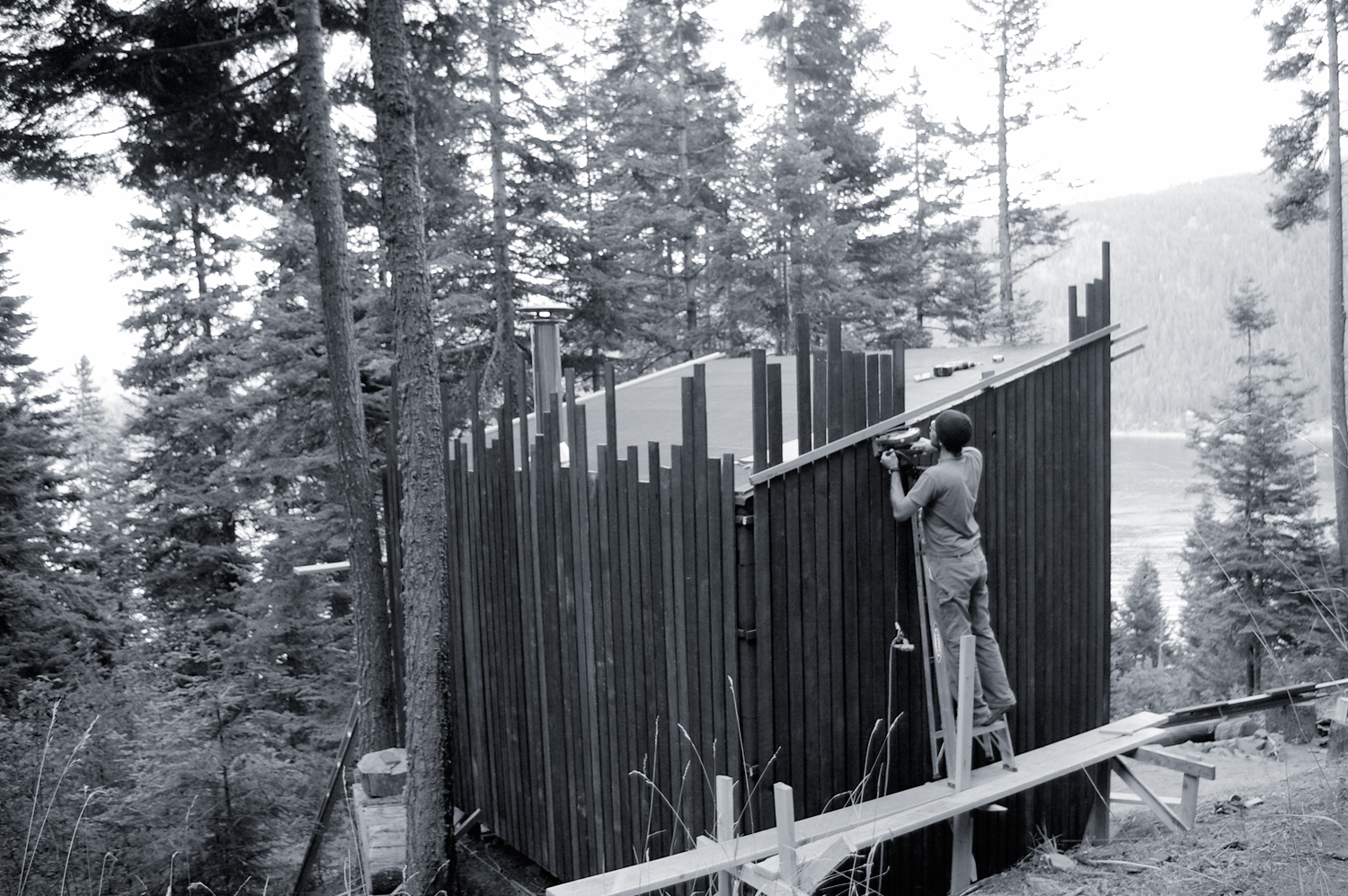
A metal roof and underside shield against the elements and varmints.
At left: Cutting the cedar siding around the cabin
Design details
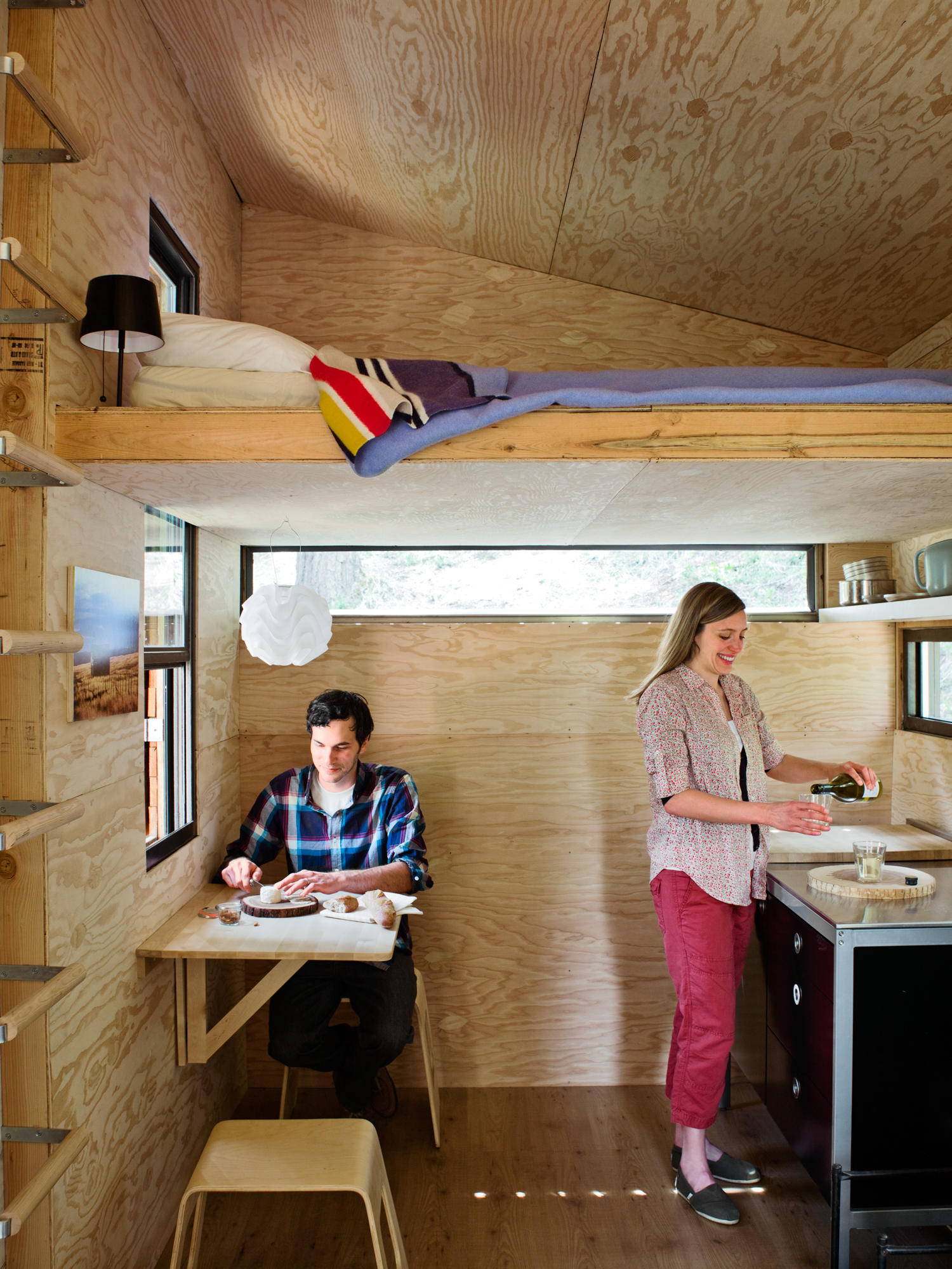
The materials cost about $10,000, with windows from a center that recycles building parts. Other thrifty choices include Ikea cabinetry and laminate flooring. They found the barn door hardware and the woodstove—the cabin’s only source of heat—on Craigslist.
After two years of planning and extended weekend camping trips to the site, the couple, together with family and friends, completed construction in two weeks.
Enjoying the space
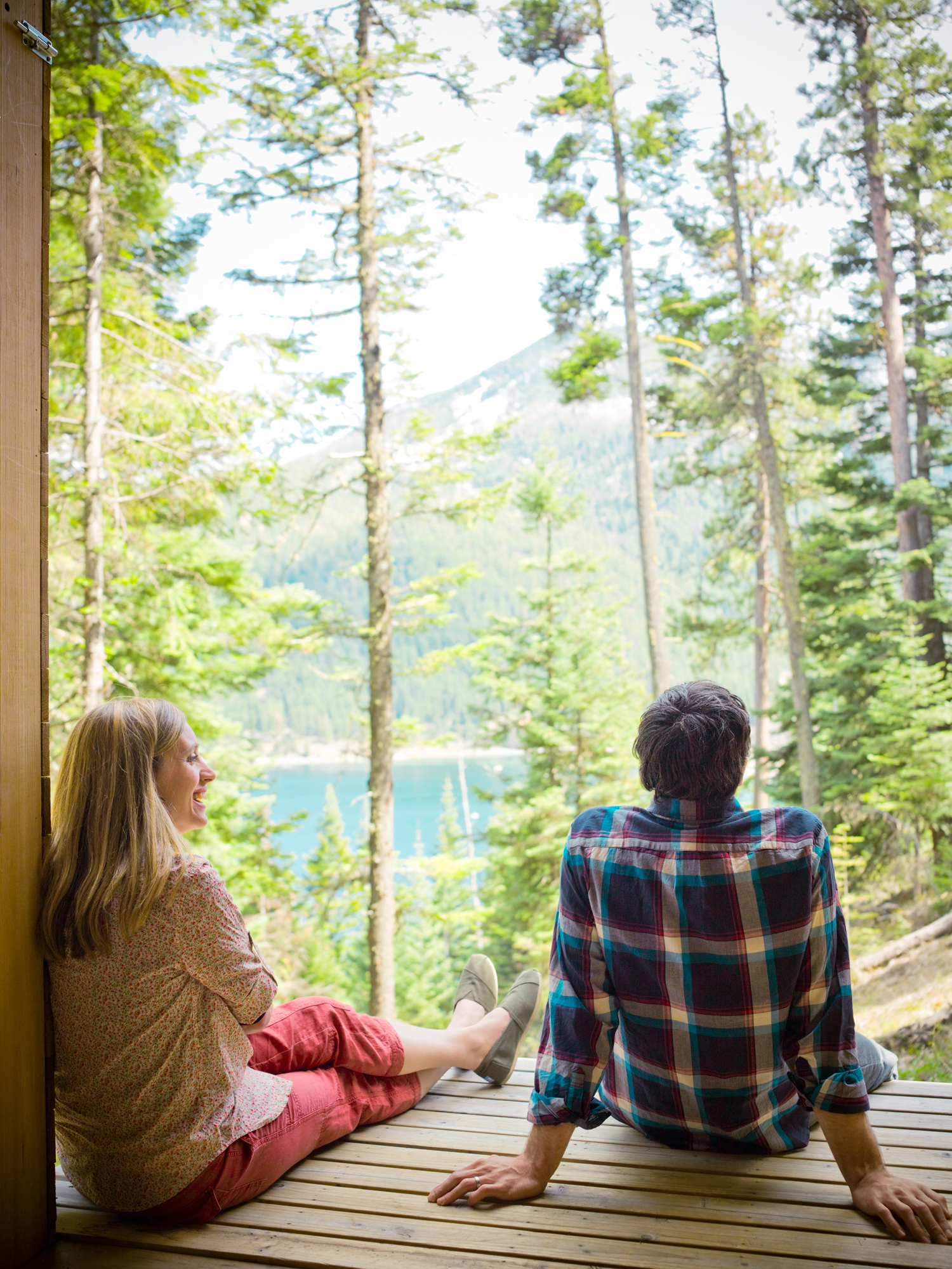
Mariah, who grew up in an off-the-grid home in rural Oregon, is undaunted by the portable toilet, reading by candlelight, and heating bath water in a homemade solar contraption. “Living without electricity makes you slow down and really appreciate the effort it takes to generate light and warmth,” she says.
It’s a bit like camping, according to Ryan. Small solar chargers power cell phones. Oil lamps brighten the interior.
“We don’t think of this as a vacation house. Wherever else we live, this will always be home,” Mariah says.
How you can do it: Find affordable land
Land that is far from modern conveniences (like airports) is typically cheaper. The Oregon Signal Shed, for example, is a six-hour drive from Portland.
Look for land that doesn’t require traditional bank financing (banks typically require you to build within a tight timetable or else incur very high interest rates). Ryan and Mariah were able to buy their land through seller financing (the seller agreed to carry the loan).
Use Signal Shed plans...
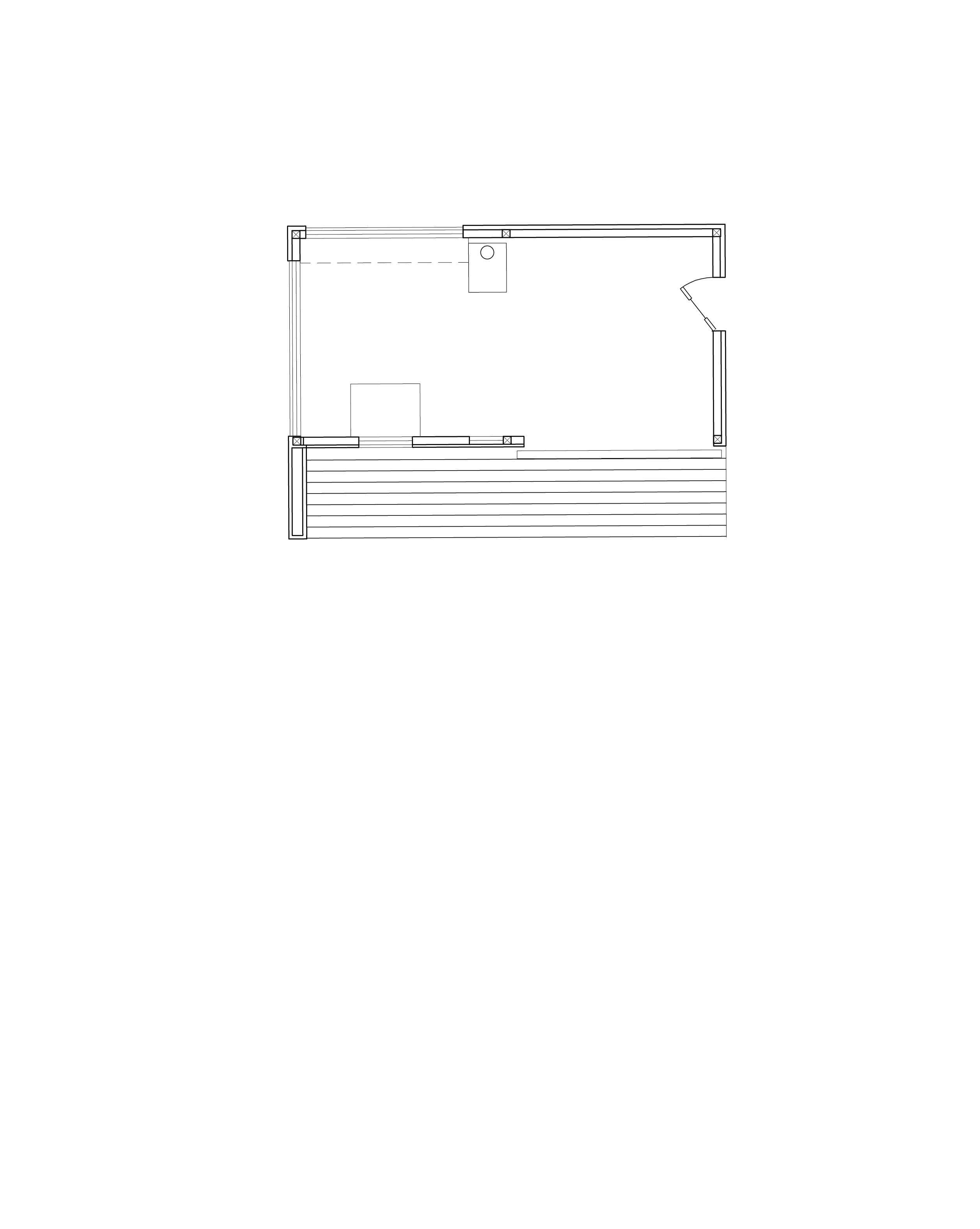
Purchase the plans from Ryan and hire a builder—or have Ryan deliver the shed complete. From $18,000 for prefab modular; detailed drawings $1,000; signal-shed.com
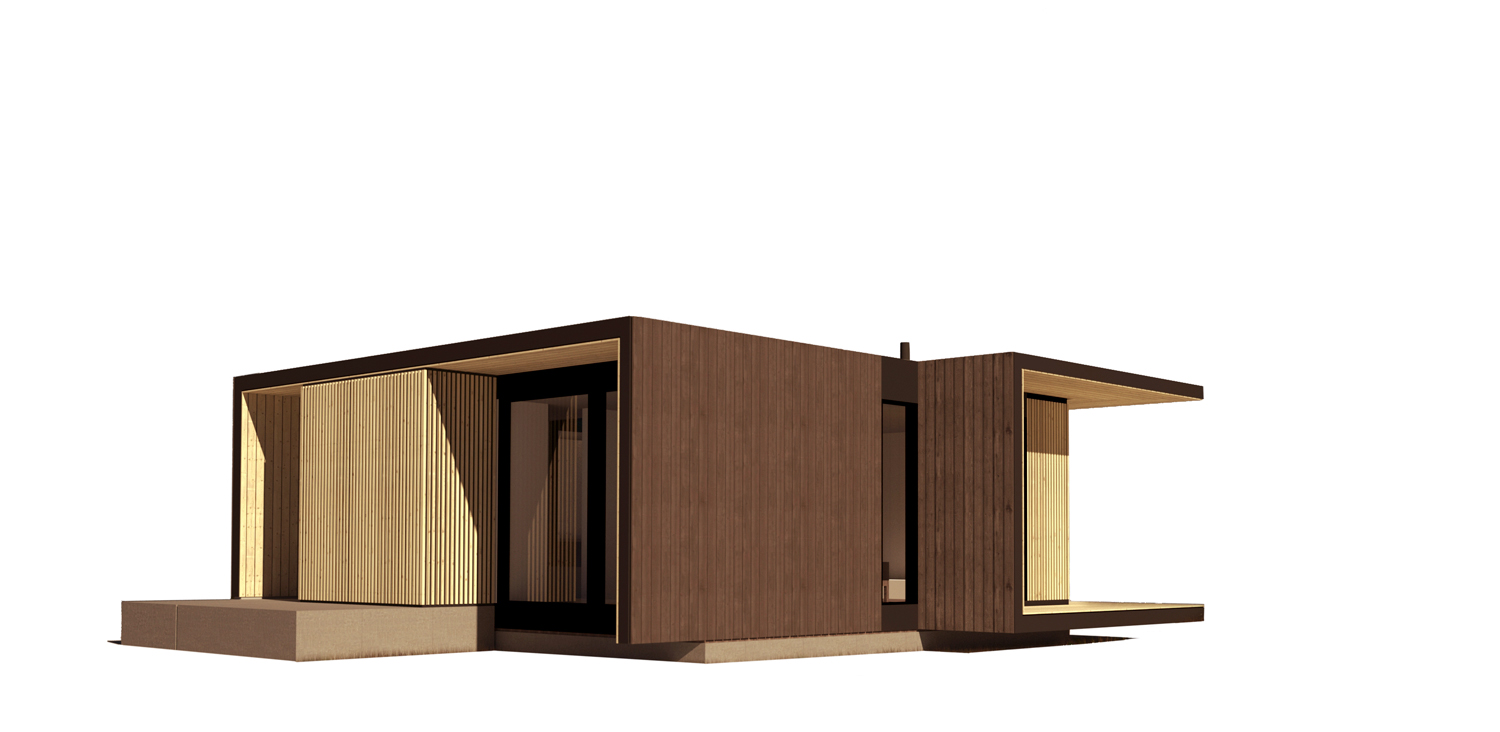
...Or choose another prefab cabin
Considerations include price, style, delivery, and who does the work. Flat-pack delivery may be cheaper initially, but you have to hire a pro to assemble. Modular units arrive in one piece.
Shown: Outdoor focused
Form & Forest’s Cowboy squeezes lots of loungy areas into its 635 square feet, which doesn’t include the expansive deck, courtyard, and covered porch. The flat-pack home even has a soaker tub at the center of its plan. From about $66,000.
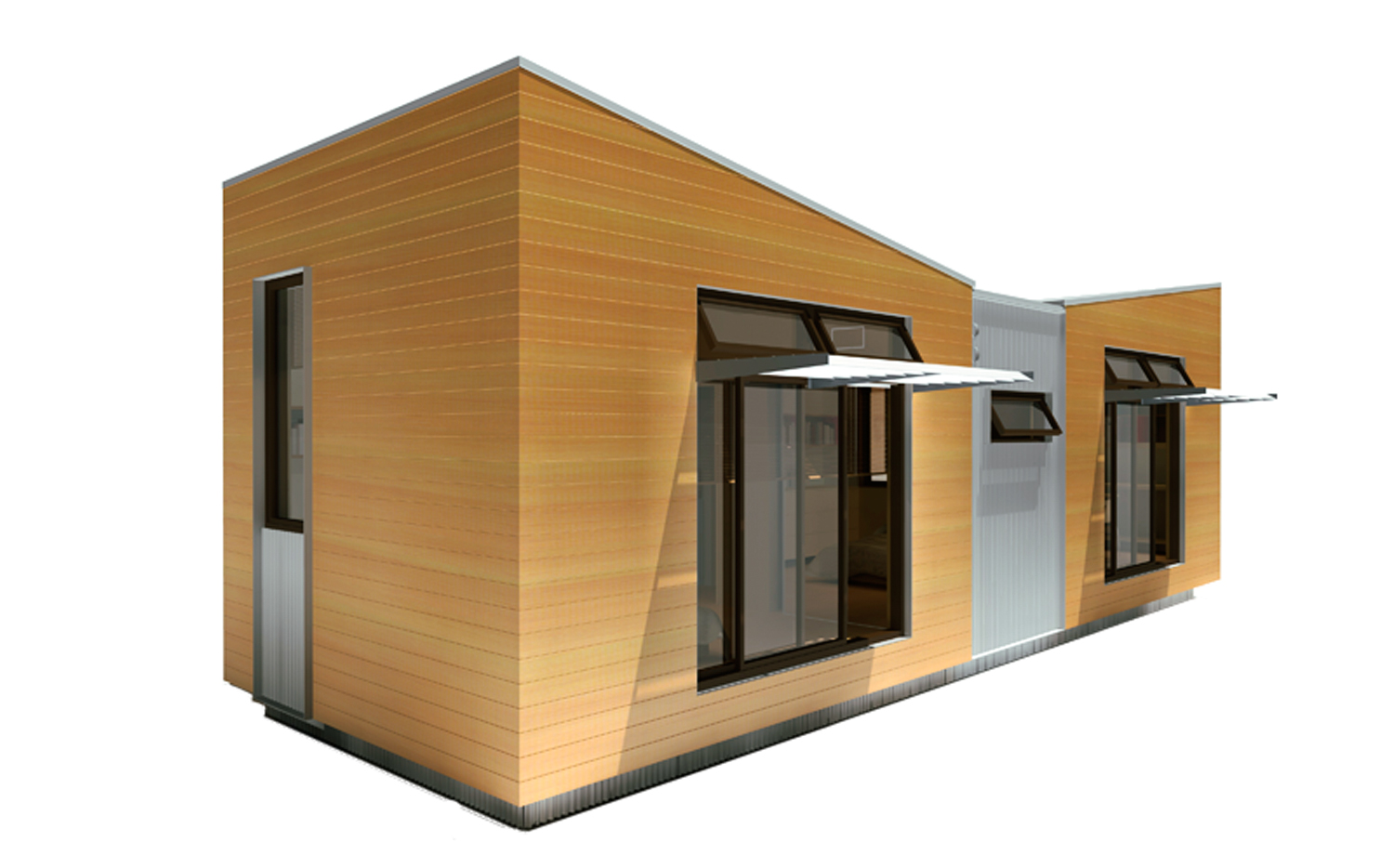
Eco-friendly prefab
Ten-foot-high ceilings aren’t the only showstopper of Sustain Design Studio’s miniHome 12xTrio. The unusually shaped modular dwelling has a small annual carbon footprint, a hookup for solar and wind power, and is built with formaldehyde-free wood. From $120,000 for a base unit of about 400 square feet.
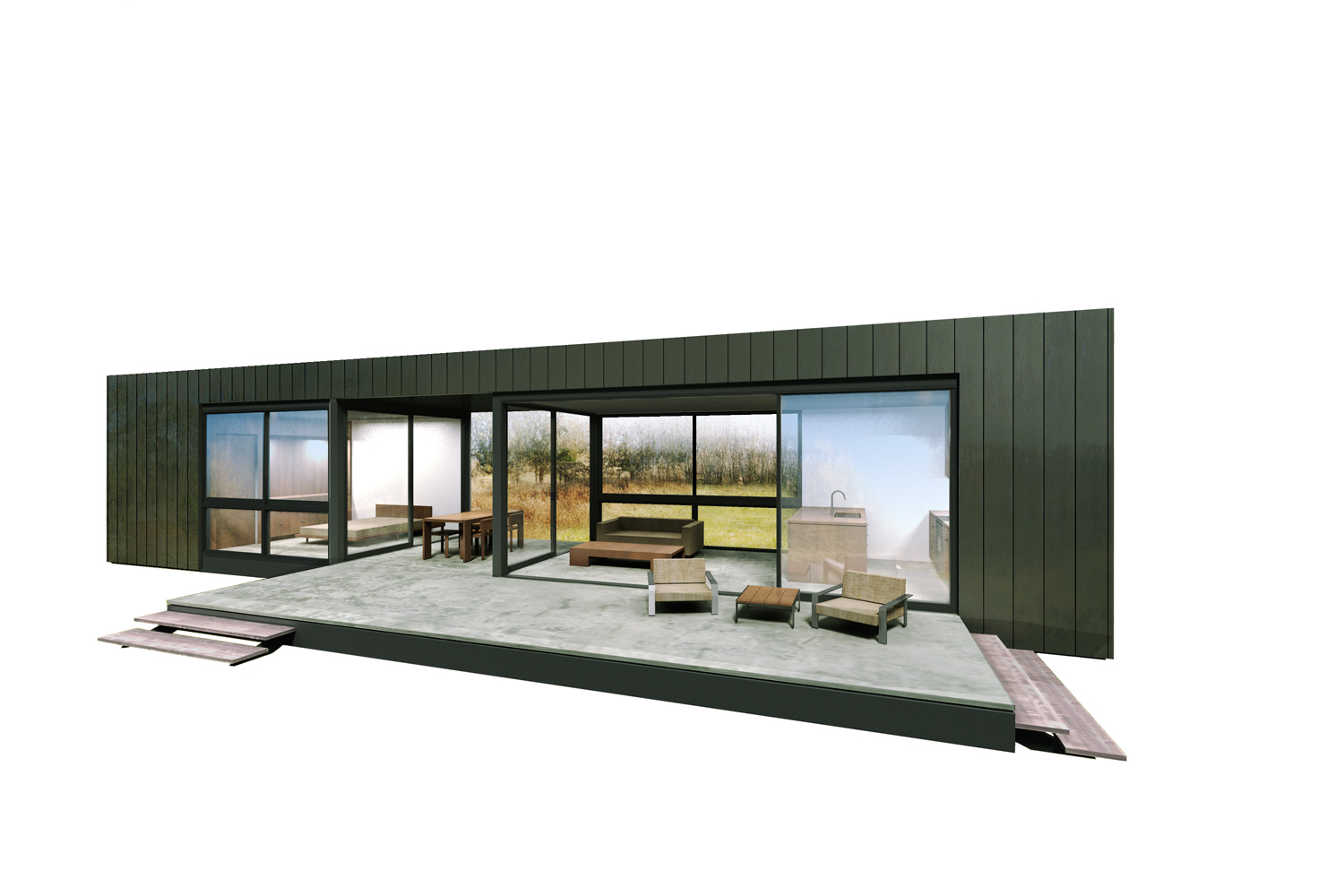
A prefab as beautiful as your first home
Cutting-edge Los Angeles architecture firm Marmol Radziner Prefab is behind the Rincon, an option-rich, 600-square-foot modular prefab with standard features such as denim insulation.
Upgrades available include Heath Ceramics tile, a kitchen island, and polished concrete flooring. When your second home starts to sound better than your first, it’s time to move. From $179,000.
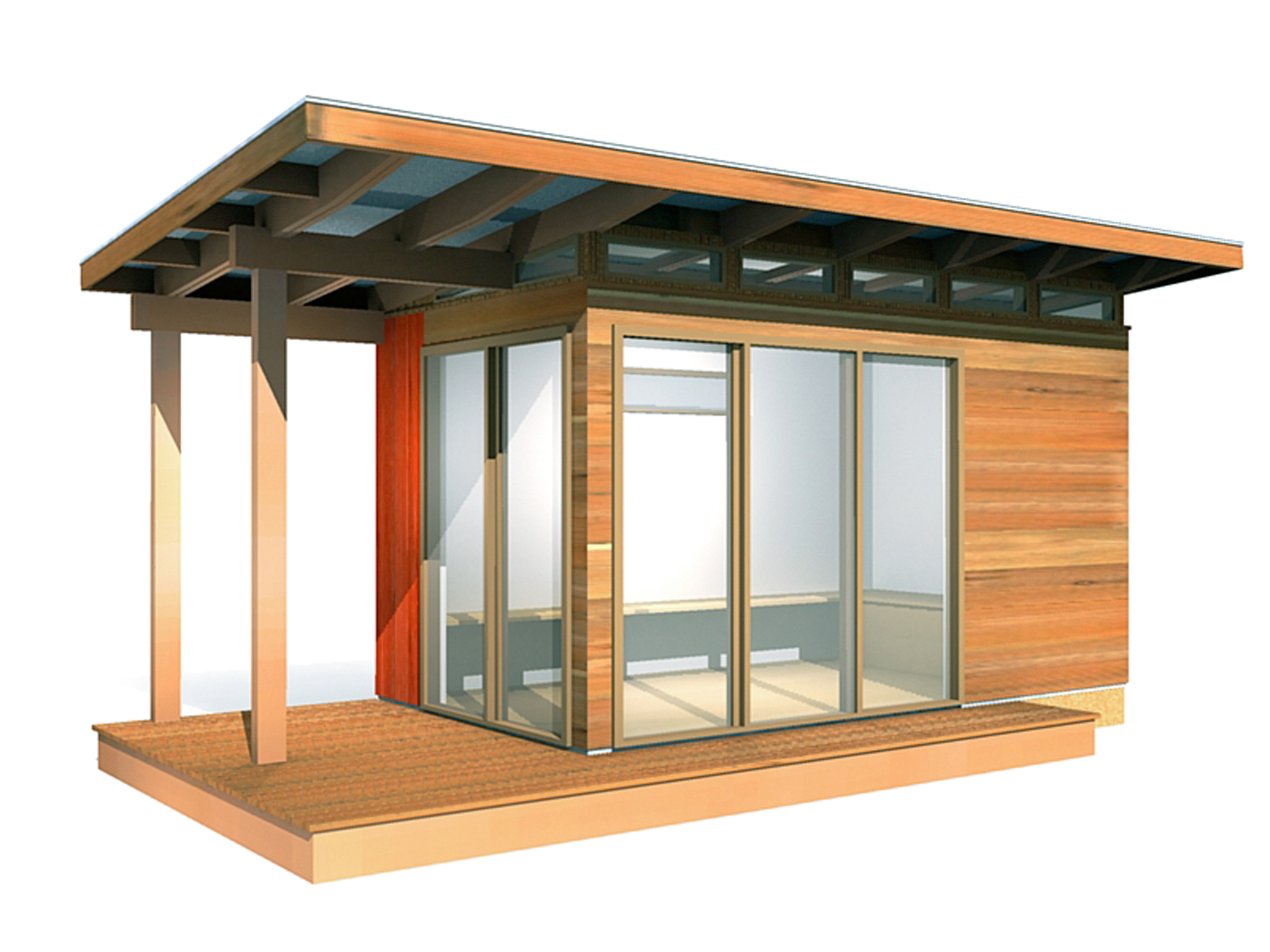
Cozy, well priced prefab
With a simple layout, enough porch for enjoying a glass of wine, and a price that’s hard to beat (except by the Signal Shed), Modern-Shed’s Northwest Shed just became a summer purchase to seriously consider. From $25,000 for a 192-square-foot modular.