
May
What to do in your Southwest garden in May
Photos by Coral Von Zumwalt
Plant
Grow Mexican oregano in Sunset climate zones 10–13. The wonderfully scented mint-family shrub (Poliomintha maderensis) has leaves that smell and taste like oregano, and can be used as a substitute. Look for the ‘Lavender Spice’ variety, a 3- by 3-foot plant with a particularly attractive and enduring display of light purple flowers from now through fall.
Plant palo blanco trees in zones 12–13. For small courtyard nooks and crannies, try this petite Sonoran Desert tree with exfoliating white bark. Native to rocky hillsides in Sonora, Mexico, the palo blanco (Acacia willardiana) is durable and well adapted to harsh growing conditions including reflected heat; site the tree in the warmest location in the garden. Look for it at nurseries that carry native plants.
Plant seed or seedlings of these tough flowers: ageratum, coreopsis, and gaillardia in zones 1a–3b; and Bright Lights cosmos, Eupatorium greggii ‘Boothill’, gaillardia, Mexican hat, portulaca, and zinnia in zones 10–13.
Try a new prairie switch grass in zones 1a–3b, 10–12. Panicum virgatum ‘Cheyenne Sky’ is a striking ornamental grass with wine red leaves and flowering spikes. This North American native is suited for use in mini masses (groups of three to five).
Maintain
Feed citrus trees. Fertilizing this month is important for good fruit development, and Memorial Day is the traditional date for doing it. Use a formula labeled for citrus and avocado, and apply according to package directions.
Harvest
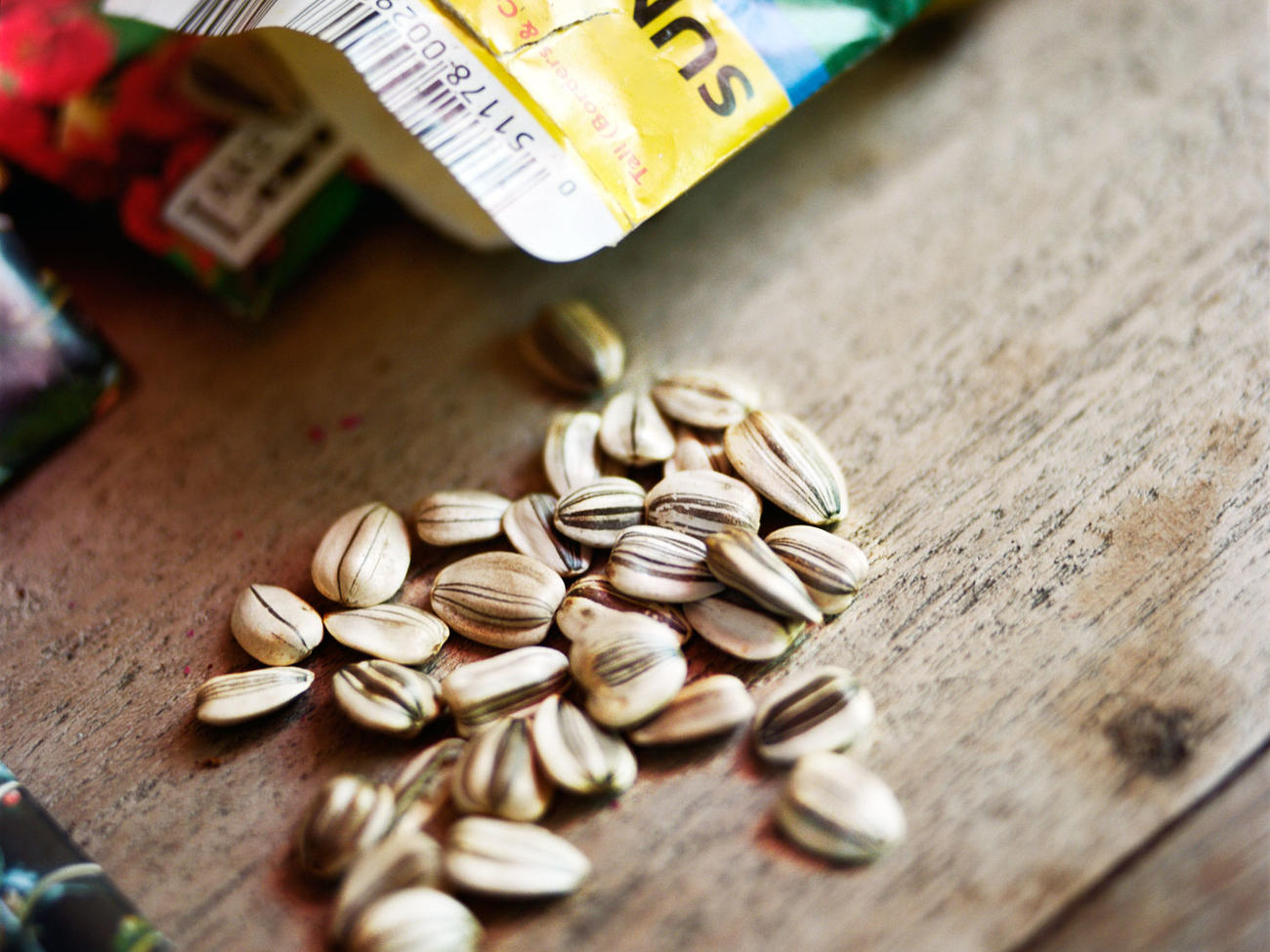
Collect flower seeds. Prune dried bloom stalks from penstemon plants, then shake them upside down inside a plastic garbage bag or over a tarp. California poppy and Mexican gold poppy seed heads have a tendency to explode at the slightest touch. Before removing the pods, carefully place plastic bags over them. After harvesting the seeds, rake up and compost the dried plants.