
May
What to do in your Northwest garden in May
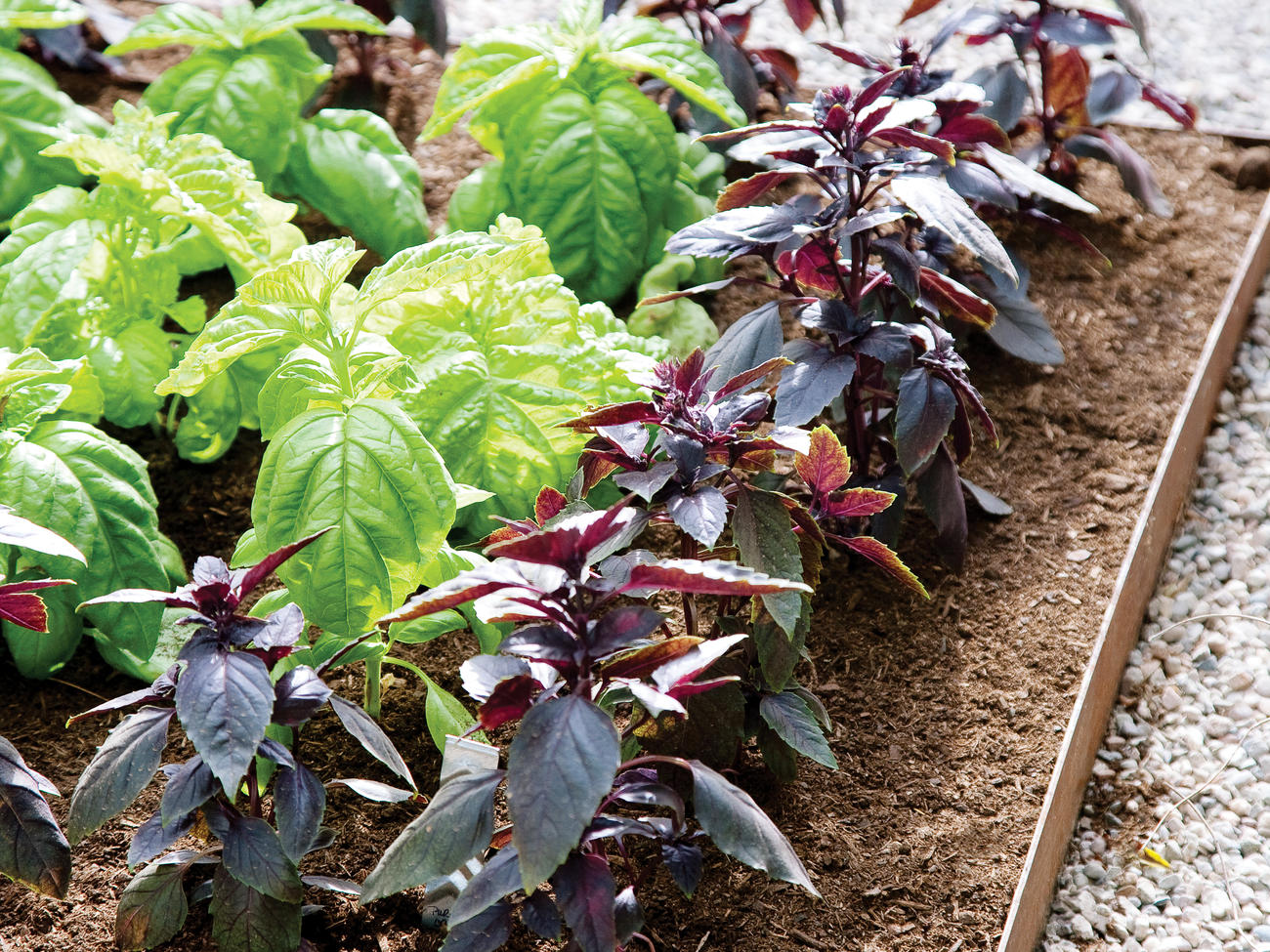
Photo by Jennifer Cheung
Plant
Buy angel’s trumpet in a 2-gallon or larger container, and transplant it into a 20-inch glazed pot. Water and fertilize generously, and pendulous, 8- to 15-inch-long, trumpet-shaped blooms will cover the plant in two to three months. Fragrant, golden yellow Brugmansia cubensis ‘Charles Grimaldi’ is among the best.
When the danger of frost is past, plant seeds or seedlings of warm-season annual flowers. This year, experiment with something offbeat: Instead of dwarf French marigolds, try foot-tall signet marigolds, which bear a profusion of gold, lemon yellow, or tangerine flowers; instead of petunias, grow smaller-flowered calibrachoas; instead of Sensation cosmos, try ‘Pied Piper Red’ or Sea Shells Mix, with rolled up petals; instead of zonal geraniums, plant baskets full of ivy geraniums.
In summer beds, plant herb seedlings of annual kinds, including basil, cilantro, and parsley. Plant perennials like chives, oregano, rosemary, and thyme in permanent beds; put mint in containers to keep it under control.
Plant fall-blooming perennials like asters, Helenium, Japanese anemones, and mums now for spectacular autumn flowers. Look for Heliopsis ‘Tuscan Sun’, whose 12- to 20-inch height makes it the most compact false sunflower ever.
Go beyond summer bulbs like callas, dahlias, gladiolus, and lily-of-the-Nile with potted summer hyacinths (Galtonia candicans) and hardy Chinese ground orchids (Bletilla striata).
The eight basic warm-season vegetables should go in now: beans, corn, cucumbers, eggplant, melons, peppers, squash, and tomatoes. You can buy seedlings, but if you start from seed, you can get one packet of each veggie listed for about $25 ― and be swimming in produce by summer’s end.
Japanese maples’ emerging leaves are fresh, full, and (depending on the variety) infused with chartreuse, gold, pink, red, or variegation ― nearly as engaging as their fall colors.
Add color to shaded spots. If you lack light, grow hybrid fuchsias in garden beds or containers; just pinch them back as they grow to make them bushy. Also try astilbes, begonias, coleus, and impatiens.
Maintain
Conserve water by spreading a 2-inch layer of mulch such as bark chips over the root zones of permanent plants like azaleas and rhododendrons. When you irrigate, water slowly and deeply in the early morning or evening when the air is cool and calm. Don’t overtrim grass ― mow at 2 to 3 inches for bluegrass, 2 1/2 to 3 inches for tall fescue ― and consider cutting back irrigation to 1 inch of water every two weeks; under this regime, lawns will turn the color of straw but will bounce back after temperatures cool in fall.
Apply a balanced lawn fertilizer according to package directions early this month. Dig controlled-release or organic fertilizer into the backfill of everything else you plant. Water well, and you’ll see results within days.
Shear hedges so that its bottom is wider than its top to keep the base from becoming light-starved and sparse.