July
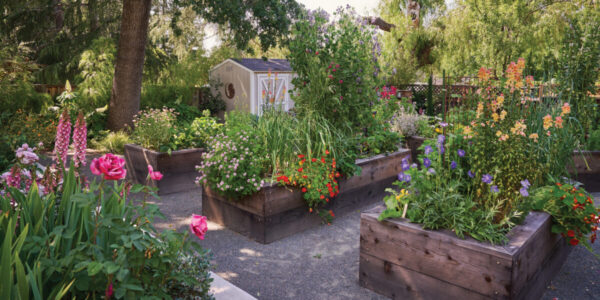
What to do in your Northwest garden in July
Plant
Grow daisylike flowers. If there were a beauty contest for summer-blooming perennials, the finalists would include aster (A. frikartii starts blooming this month), black-eyed Susan, blanket flower, purple coneflower, Shasta daisy, and sunflower. All have daisylike flowers, and nurseries are filled with them now ― just as your garden should be.
This is your last chance to do a major sowing of vegetables to harvest this year. Try beans, beets, broccoli, carrots, chard, Chinese cabbage, kohlrabi, lettuce, peas, radishes, scallions, and spinach.
Plant a showy coleus ‘Henna’, a striking new coleus, is a must-have for the summer garden. It grows 2 feet tall and 16 inches wide, and can fill a medium-size pot all on its own. But in lightly shaded beds and pots, its scalloped leaves ― splashed with copper and lime ― pair well with trailers such as chartreuse Lysimachia nummularia ‘Aurea’ or Ipomoea batatas ‘Marguerite’. Grow it beside bronze Carex flagellifera ‘Toffee Twist’ and terra-cotta-colored calibrachoa. Pinch off flower spikes as they develop, and water regularly through the warm months.
Harvest
To keep disease from taking hold, pick flowers, fruit, and vegetables as they mature. This also helps keep new fruit and flowers coming.
Pick lilies, but before you do, strip pollen-bearing anthers from the flowers so the orange pollen doesn’t rub off on clothing and you won’t get it on your nose when you sniff scented blooms.
Maintain
Lawns want the most water now, when we have the least rain. It takes an inch of water a week to keep turf green, but if water is tight where you live, cut that amount in half. The lawn will fade to a straw color ― that’s summer dormancy ― but come back when shorter days, cooler nights, and fall rains kick in at summer’s end.
Remove suckers from apple and pear trees. Because summer pruning doesn’t encourage as much regrowth as winter pruning, you can take off suckers (vertical sprouts that shoot up from horizontal limbs) now. Rub little ones out with your thumb, and nip bigger ones out with a knife, pruning shears, or saw.
Use water-saving containers to minimize the amount of time you need to spend watering. Use pots that are at least 16 inches in diameter and made from something waterproof, like glazed terra-cotta, thick-walled plastic, fiberglass, or even metal. In dry years, avoid porous terra-cotta and wood. If the containers lack drain holes in the bottom, drill them or ask the seller to do that.
Compost everything. Throw nonwoody plant parts (but no weed flowers) onto the pile as they become available, and turn and water the pile weekly.
Fuchsias blooming naturally slows down during the heat of summer, but you can extend it by faithfully deadheading, keeping plants regularly watered, and feeding monthly with complete fertilizer.
Mulch shrubs. Nearly all woody plants and perennials benefit from a 3-inch layer of mulch applied this month. It keeps down weeds, conserves moisture, and gives feeder roots more organic matter to exploit.
As bearded iris’ foliage tips start turning brown, stop watering. Trim leaves back after they wither, then dig and divide rhizomes. Let them dry in the shade for a few days so that cut surfaces will callus, then replant in beds that have been weeded and amended (weeding iris beds during the growing season is difficult).
With a sharp hoe, slice the tops off small weed seedlings on a warm, dry morning, and let them lie where they fall. The sun will kill them by evening. Water deeply before you pull mature weeds so that taproots come out more easily.
Protect
Prevent wormy apples. Codling moth larvae (apple worms) and apple maggots destroy apples by tunneling through them. You can treat them organically by applying spinosad, which is made from a soil bacterium, Saccharopolyspora spinosa. It’s sold as Success, Entrust, and Monterey Garden Insect Spray, and is widely available at nurseries.
The heat may chase slugs into hiding, but they’re there. A little bait in the cool spots will go a long way right now (as will night raids after lawn watering or summer showers; just handpick and throw them away). Put bait under stones, along the edges of walks, and near foundations. To protect pets and wild birds, place the bait in petproof slug traps or under boards held up by bricks.