Northwest Checklist February

What to do in your garden in February

  • Print
  • |
  • Email
  • |
  • Add Comment
  • |

SHOPPING AND PLANTING

Bare-root stock. Sunset climate zones 4-7, 17: Continue to shop nurseries for bare-root berries, shrubs, trees, and vines. Before you take them home, be sure to have the staff wrap the bare roots in damp sawdust and burlap or plastic; if the roots dry out, the plants will die. Zones 1a-3b: Plant as soon as bare-root stock is available, but do it on a day when air and soil temperatures are above freezing.

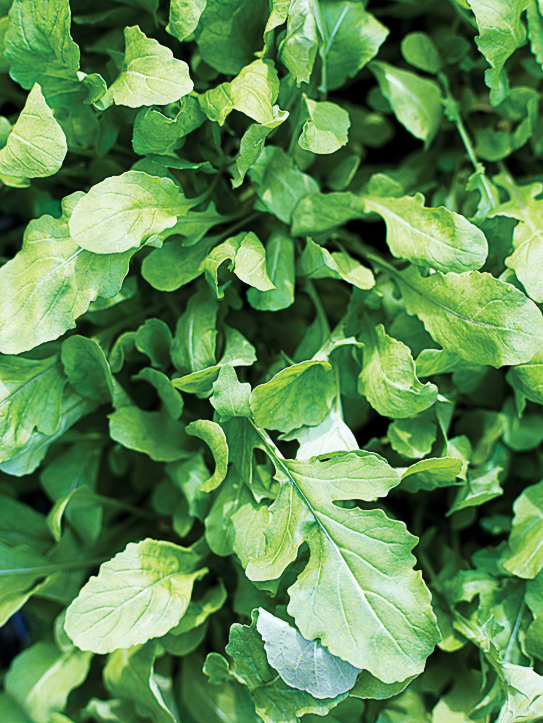
Cool-season veggies. Zones 4-7, 17: Seeds of arugula, peas, and spinach germinate quickly in cool soil, especially in raised beds. You can also set out bare-root asparagus crowns and potted rhubarb plants.

English primroses. If you're planting primroses where they'll be exposed to rain, choose polyanthus types (multiple flowers on a single stem). If you're planting in a protected spot, choose acaulis types (one bloom per stem).

Hardy annuals. Buy seedlings of calendulas, English daisies, godetia, pansies, many kinds of poppies, snapdragons, and violas this month. Or sow seeds of the above directly in the ground.

Lilacs. Hulda Klager Lilac Gardens in Woodland, Washington ( www.lilacgardens.com or 360/225-8996), offers beautiful proof of what can be done with lilacs in the Northwest. You can grow the same varieties by ordering bare-root plants from February through mid-March. Shop in Portland. Attend the Yard, Garden & Patio Show to pick up design ideas and plants (10-9 Feb 18-19, 10-?6 Feb 20; $11; at Oregon Convention Center, 777 N.E. Martin Luther King Jr. Blvd.; www.ygpshow.com or 503/235-7575).

Spring-blooming shrubs. It's a good time to buy spring-flowering evergreen shrubs like azaleas, camellias, Japanese andromedas, kalmias, and rhododendrons; all start blooming in the next two or three months.

Sweet peas. Start seeds of flowering sweet peas indoors in 4-inch pots. Transplant seedlings into the garden in March or April. Older varieties such as 'America' and 'Cupani' have powerful fragrance. Newer kinds such as Royal Family have more spectacular blooms but less fragrance. One good source is Fragrant Garden Nursery in Brookings, Oregon ( www.fragrantgarden.com or 541/412-8840).

MAINTENANCE Prune roses. Zones 4-7: Prune dead, injured, and diseased canes, plus any suckers emerging from below the graft (look for the swollen spot where the canes branch from the main stem). Retain the three to five strongest canes and cut them back by about a third. Make sure each cane has one robust, outward-facing bud. Zones 1-3: Wait until buds start to swell to prune.

Page 1


  • Loading comments...

Add your comment

The rules: Keep it clean, and stay on the subject or we might delete your comment. If you see inappropriate language, e-mail us. An asterisk * indicates a required field.

500 characters remaining

Advertisement