Written byMarcia Tatroe and Sharon Cohoon,
April 6, 2006
Share this story
Plan
Order bulbs for fall planting. Bulb catalogs start arriving this month. Order early to take advantage of discounts and to reserve your selections (bulbs are shipped at the proper planting time for your area). In the meantime, plant annuals where you’d like your bulbs to appear next spring. When frost damages the annuals this fall, pull them out and plant the bulbs.
Plant
Put in a dwarf blue spruce Popular Colorado blue spruces like Picea pungens glauca ‘Fat Albert’ and ‘Hoopsii’ can get much larger than you expect. For selections that stay small, look for ‘Globe’ (3 feet tall and wide), ‘Globosa’ (5 feet tall by 6 feet wide), and ‘Montgomery’ (5 feet tall and wide). Greg Foreman, designer of the Gardens at Kendrick Lake in Lakewood, Colorado, also recommends ‘Mesa Verde’ (11/2 feet tall by 4 feet wide), a slow-growing, spreading form that suffers no winter burn on a south-facing slope.
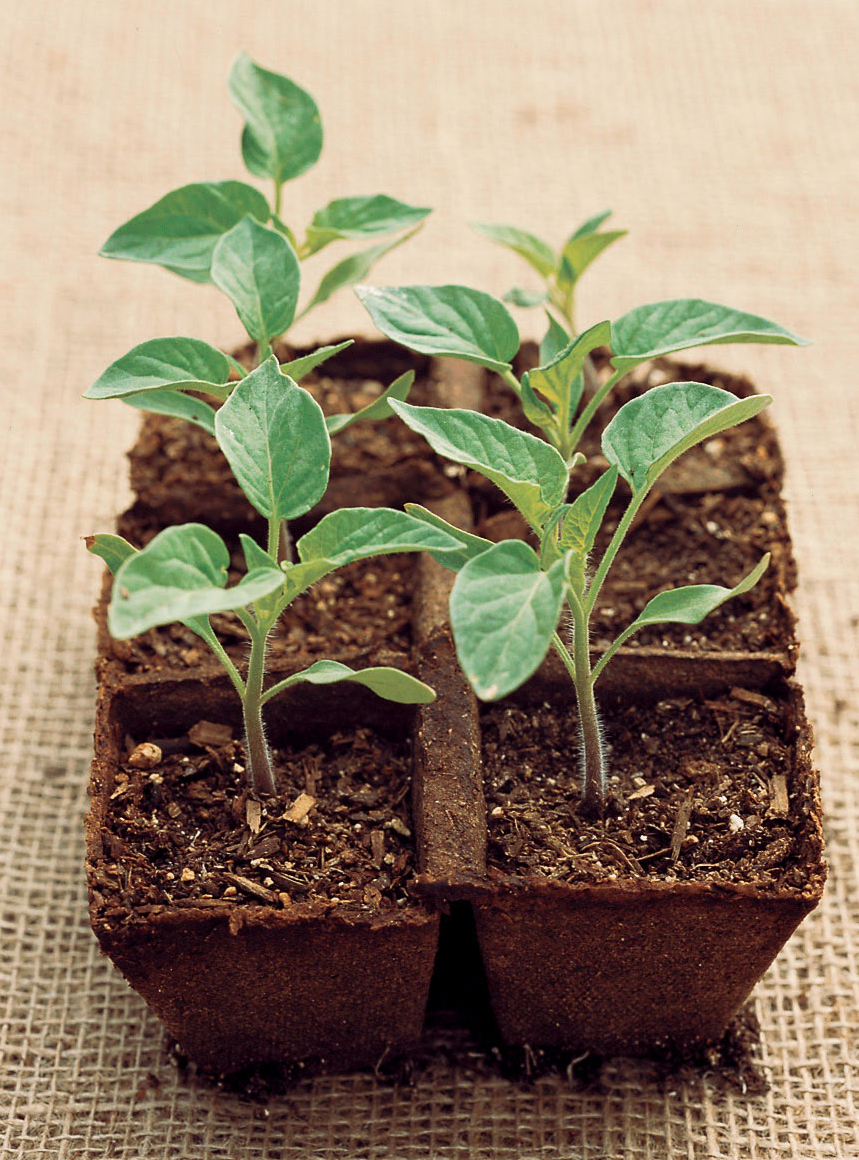
Plant tomato seedlings two weeks after the last frost. For a guideline on heirloom varieties, planting tips and fresh tomato recipes, visit our garden to table guide.
Try Wave petunias. They look good in containers or beds, grow almost anywhere, and come in lots of colors as well as stripes; some are even fragrant. At 3 to 4 feet wide, a single plant can fill a whiskey barrel.
Protect
Control brown-headed ash sawfly. These small black-wasp relatives lay their eggs along the leaf edges of all types of ash trees, sometimes causing the leaves to pucker. Signs of trouble are skeletonized leaves, robins swarming around trees, and even the sound of raspy chewing when large numbers of immature sawfly are present. To control, knock the pale green caterpillar-like larvae off the tree with a forceful stream of water from a car-washing nozzle attached to a hose.
Prepare for late frost. Sprouts of foxtail lilies, hostas, lilies, and peonies are easily killed by spring frosts. Cover them with a bucket or an old nursery pot whenever temperatures are predicted to fall below freezing, then remove covers immediately after the threat has passed to prevent the young shoots from overheating. Protect large frost-tender plants with an old sheet or a floating row cover.
Maintain
Fertilize ornamentals by raking off existing organic mulch and adding it to the compost bin. Then, following label instructions, broadcast organic fertilizer over beds of herbs, perennial flowers, roses, shrubs, and vines. Next, spread 2 to 3 inches of good-quality compost or well-rotted manure between the plants. Finally, lay 4 to 6 inches of fresh mulch over the soil. For beds mulched with rock or gravel, leave the mulch in place and top-dress with fertilizer and 1 to 2 inches of fine compost. Then add new rock mulch to bare patches.
Take a rose-pruning shortcut. When leaves first appear on hybrid tea and floribunda roses, cut out all blackened canes. Next, use a power trimmer with a 1-inch cutting gap to shear the bush. Cut the sides with upward strokes, then make one pass over the top, removing about half the previous season’s growth. Roses so treated produce more flowers than those pruned one cane at a time. After pruning, fertilize bushes and begin regular watering.