Sweet corn
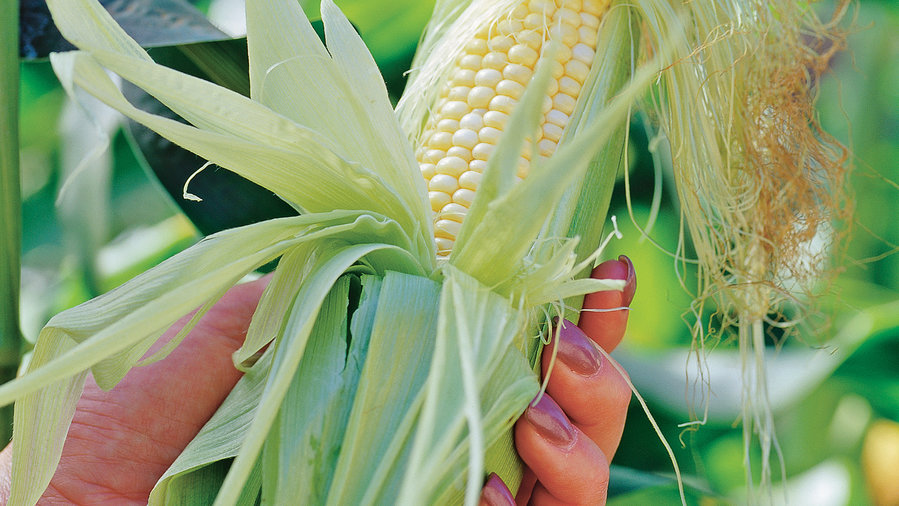
Warm-season crop Corn is the poster child for the vegetable garden. The plants may be too tall (5 to 10 feet) for some small gardens, but trying growing this vegetable if you can. But a sweet corn such as ‘Kandy Korn’, ‘Sweet Symphony’, and ‘Silver Queen’ is worth growing in a sunny plot―you’ll never find a sweeter corn in markets. We advise keeping them in pots until they've grown a few inches―birds and squirrels find the seed too irresistible to leave in the soil. Good enough to eat right off the plant when picked at peak ripeness. Once standard sweet corn is picked its sugar changes to starch quickly. By rushing ears from the garden to boiling water, you can capture their full sweetness.
Cucumbers
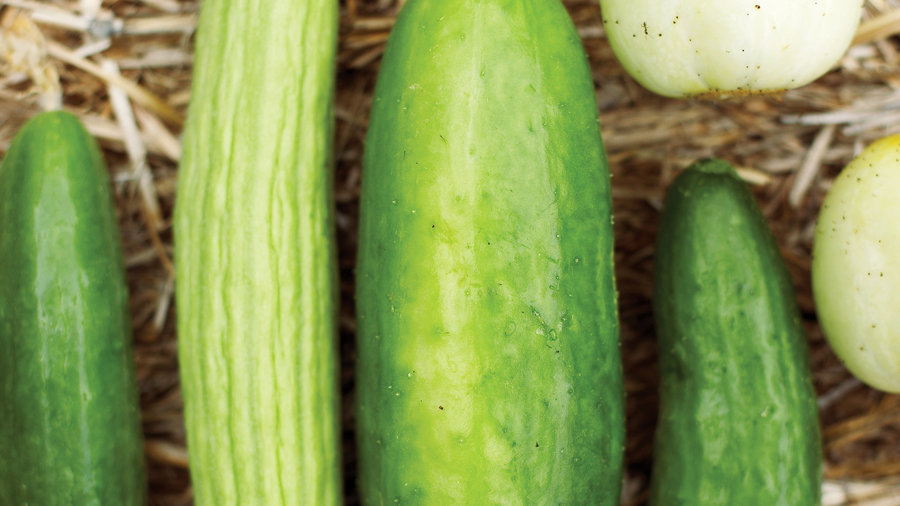
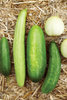
Warm-season crop Make room for at least one cuke in your summer garden and you won’t regret it; think of all those ways to serve the fruits―as appetizers (sliced and topped with deviled eggs), in salads, and cold soups. Vining types ramble to 25 feet or so (or choose a bush type). We love the round, yellow, mild- flavored Lemon cuke, and the long, pale green Armenian or Korean cukes. Plant 5-6 seeds in hills 6-8 inches high and 3-6 ft. apart. Thin to the 2 strongest plants.
Eggplants
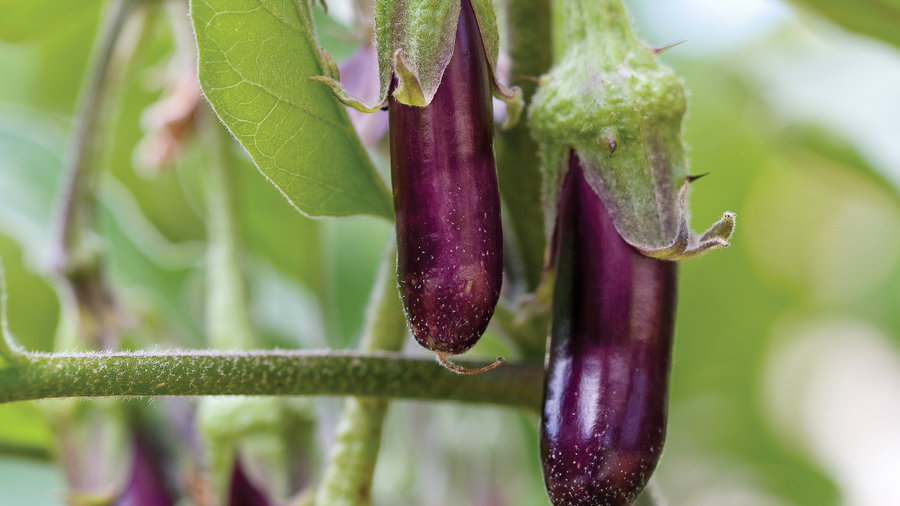
Warm-season crop The large, deep purple fruits of ‘Black Beauty’ and small, slender ‘Hansel’ are stunners. Both are delicious grilled in olive oil, or paired with ripe tomatoes in Eggplant Parmigiana. To produce a crop, plants need 2 to 3 months of warm days and nights. A well-spaced row of these eggplants makes an ornamental border. Start from nursery-grown plants; they're much easier than seeds.
Muskmelon
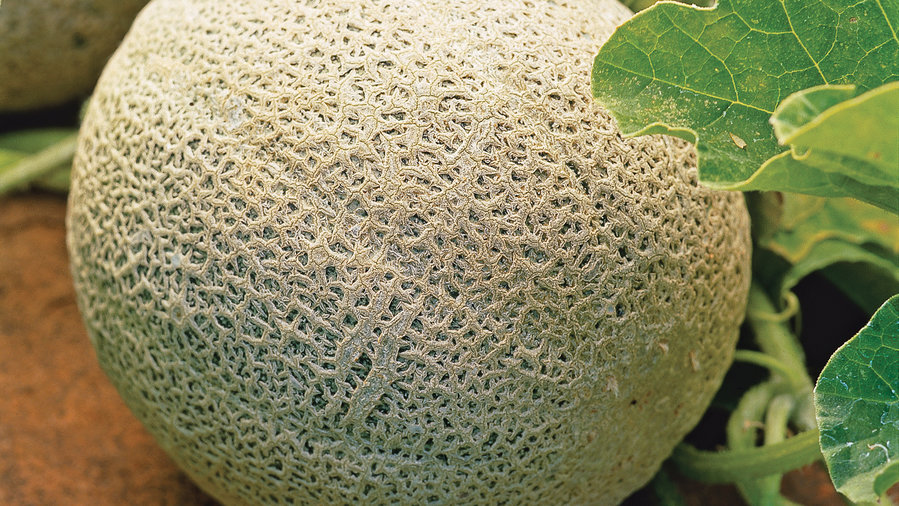
Warm-season crop Cantaloupes taste so sweet and juicy when fully ripe, they’re worth the long wait―4 months of steady heat―to harvest. We love ‘Ambrosia’ for its fragrant, extra-sweet flesh. But ‘Lil’ Loupe’ fruits are smaller beauties, each not much bigger than a baseball. Compact early cantaloupes thrive in containers at least 18 inches wide and deep; a half wine barrel works well. Let vines ramble over the edges, or trellis them.
Peppers
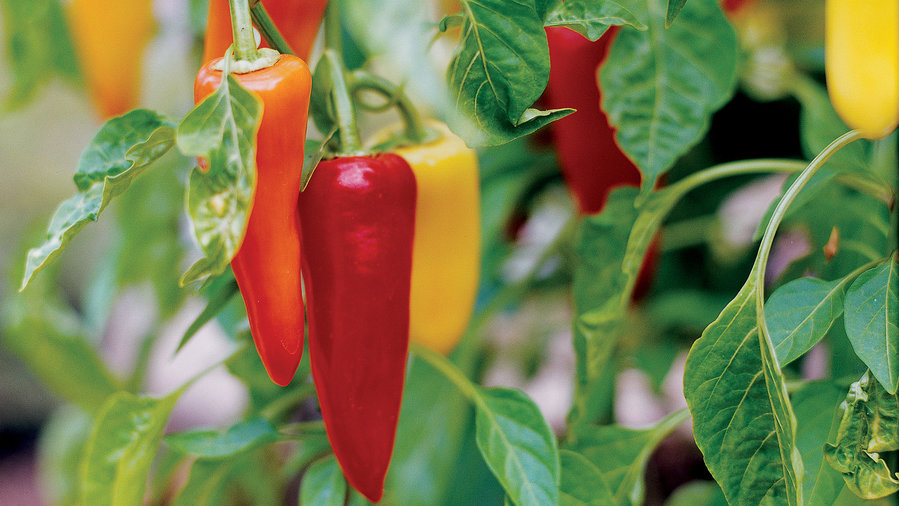
Warm-season crop We grew mildly spicy ‘Mariachi’ peppers in large pots in Sunset’s outdoor kitchen, and quickly deemed them keepers on our “grow ‘em every summer” list. Their fruits are elegant: long, and tapered, often in shades of yellow, red, and orange on the same plant. Flavor is mildly hot and spicy. In regions with cool or short seasons, extend growing time by using floating row covers and clear plastic mulches. Some Korean grocery stores have plant starts available in the spring—try growing Asian varieties sometime!
Slicing tomatoes
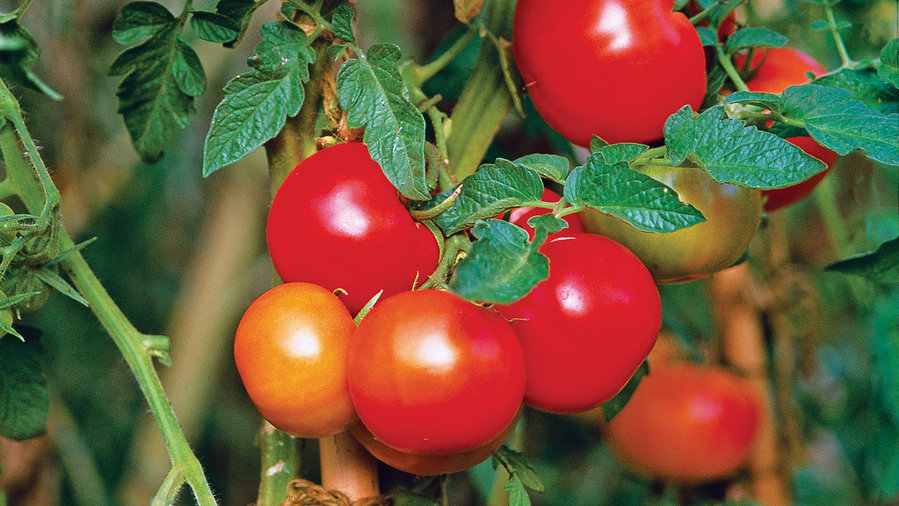
Warm-season crop Another staple of any vegetable garden. ‘Early Girl’ bears tasty red fruits on vining plants, and sets fruit at lower temperatures than other tomatoes—invaluable for northern gardens, there. It’s a great all-purpose tomato. Growing heirloom vegetables is an easy way to find unusual varieties. ‘Tigerella’, an heirloom type, has red- and-orange striped fruits with a tangy flavor. Six plants grown in open ground can supply a family of four with enough tomatoes to eat fresh and use for canning or sauce.
Cherry tomatoes
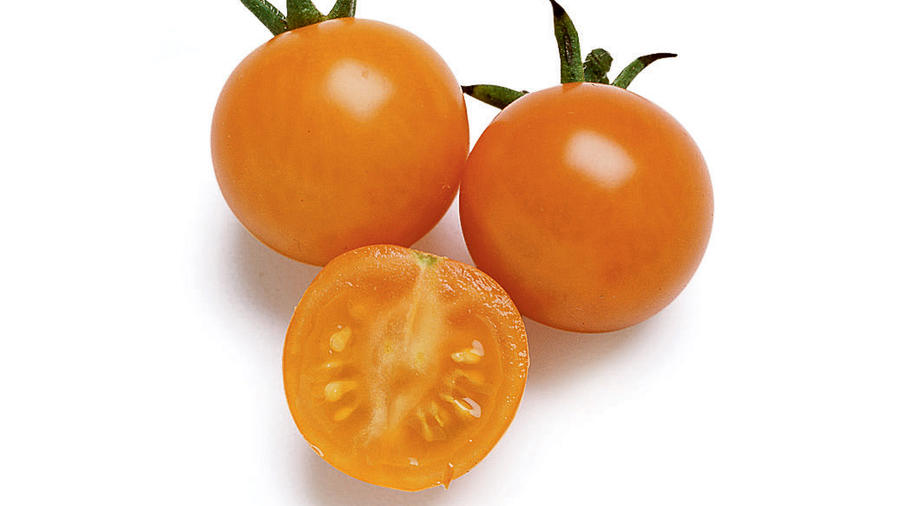
Warm-season crop Here's another favorite for growing in a child's vegetable garden. 'Sun Gold' cherry tomatoes are pure candy for tomato-lovers; their 1-inch golden-red fruits, which hang in clusters on vining plants, have unsurpassed sweetness. Pop the ripe fruits in your mouth fresh off the plant. Make planting holes extra deep, then carefully pinch of the lowest 2 sets of leaves. Set in seedlings (video: see how) so that the lowest remaining leaves are just above soil level. Roots will form on the buried stems.

Watermelon
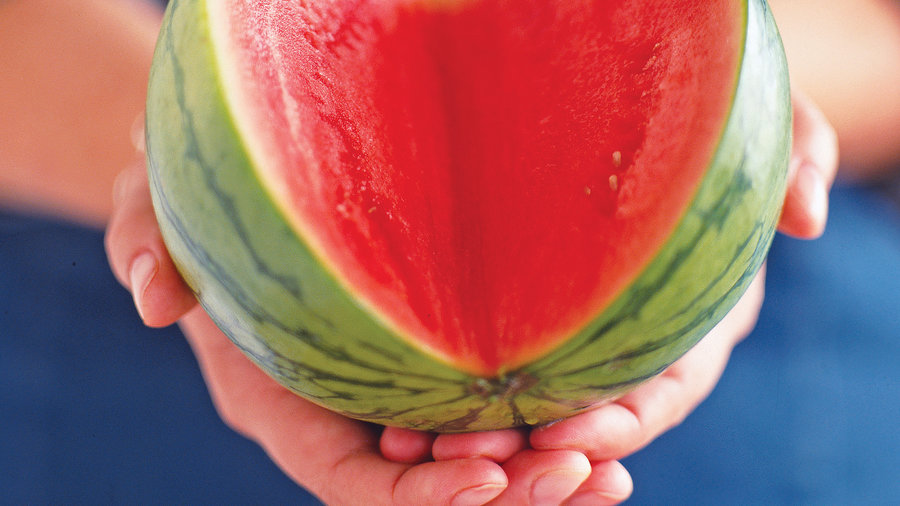
Warm-season crop What’s a summer picnic outdoors without watermelon? And we don’t mean just any watermelon, but the cute, ‘PureHeart Seedless’ variety whose round fruits are mini or personal- sized. Vining plants need room to sprawl, though. To save ground space, grow small melons on sun-bathed trellises; support the heavy fruit in individual cloth slings.
Zucchini
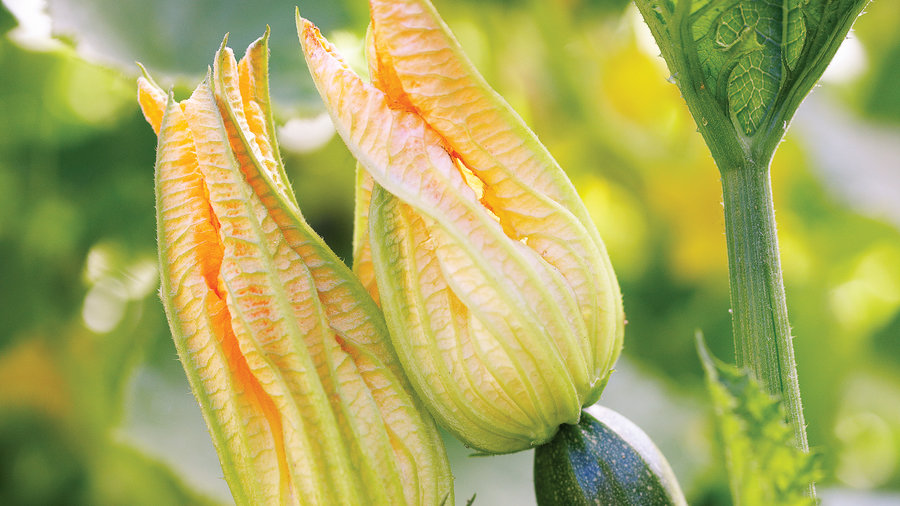
Warm-season crop When it comes to growing your own vegetable garden, there's no bigger bang for your buck than summer squash. All it takes is one or two zucchini plants to deliver a bumper crop, but, yes, they’re worth the effort. Plants are easy to grow, and you can eat both the fruits and blossoms. We’re partial to yellow types such as ‘Gold Rush’ (territorial seed.com), which bears golden yellow zukes with white flesh on compact plants. Roots need regular moisture, but leaves and stems should be kept dry to prevent diseases.
Cilantro
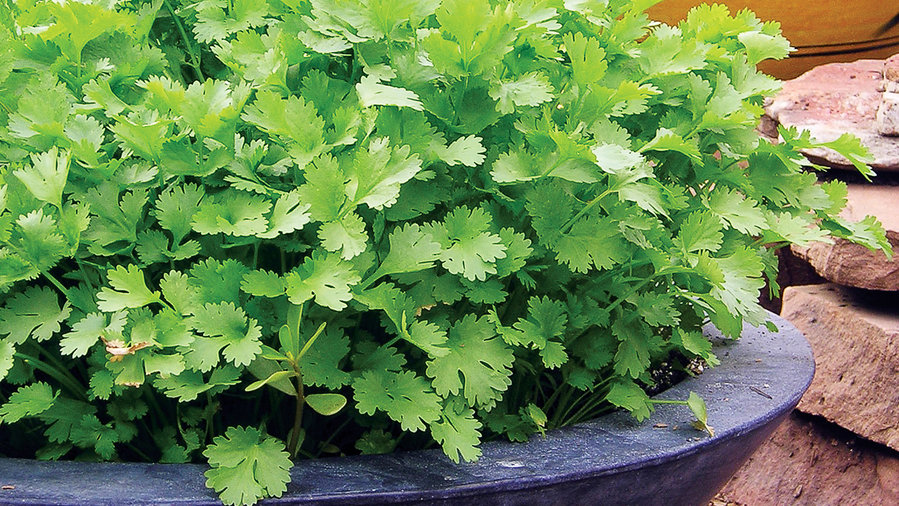
Cool-season herb Tender leaves of this tap-rooted annual are indespensible for flavoring guacamole, salsas, gazpacho, and more. Cilantro is easy to grow from seed in low, wide bowls—simply plant coriander seeds from the spice jar (they're the same species). To harvest, just snip off outer leaves when plant reach about 8 inches tall. Plants need light shade in hottest climates. All zones. Cilantro grows and flowers quickly. Keep it coming by succession planting every couple of weeks.
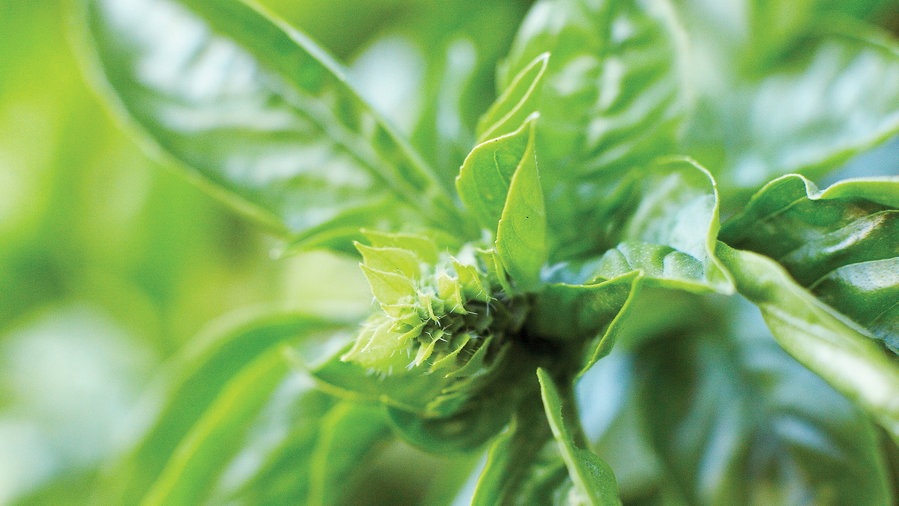

Basil
Warm-season herb If you only have room to grow one basil plant, make it ‘Genovese’; this variety is the best for making pesto and bruschetta, dropping into tomato salads and more. Video: See how to make pesto Glossy green leaves make showy garnishes, too. The plant thrives in pots, and makes a pretty edging in herb beds. Leaf production stops when flowers come into bloom, so pinch out flower spikes as they form. We also like the slightly citrusy, anise-y flavor of Thai basil. Buy seeds in the spice section of Asian grocery stores, or sprout sprigs in a glass of water.
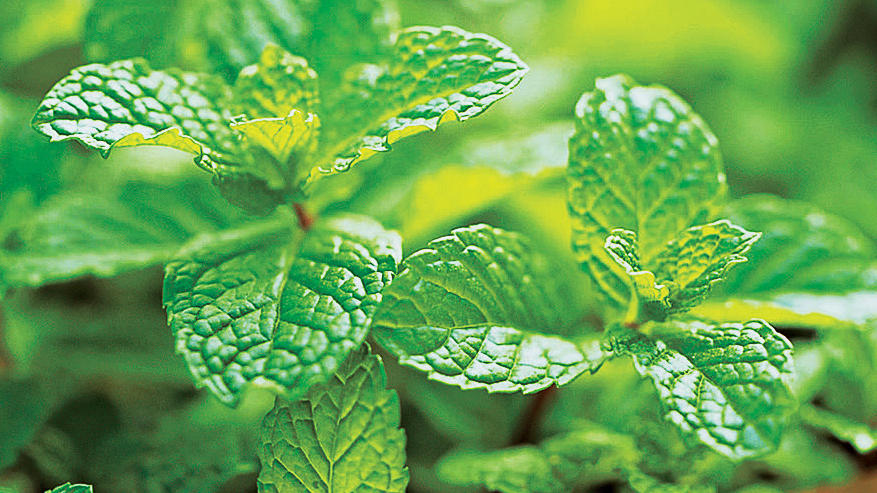
Mint
Warm-season herb Of all the mint we grow, two are hands down favorites. Chocolate mint, because its leaves recall the scent and taste of a peppermint patty. And spearmints (pictured), whose quilted, dark green leaves add freshness to cold drinks and jellys; ‘Kentucky Colonel’ is the best in mojitos. Replant about every 3 years; propagate from runners. They can get weedy if you allow them to. Grow all mints in low, wide bowls; otherwise, their roots will take over garden beds.
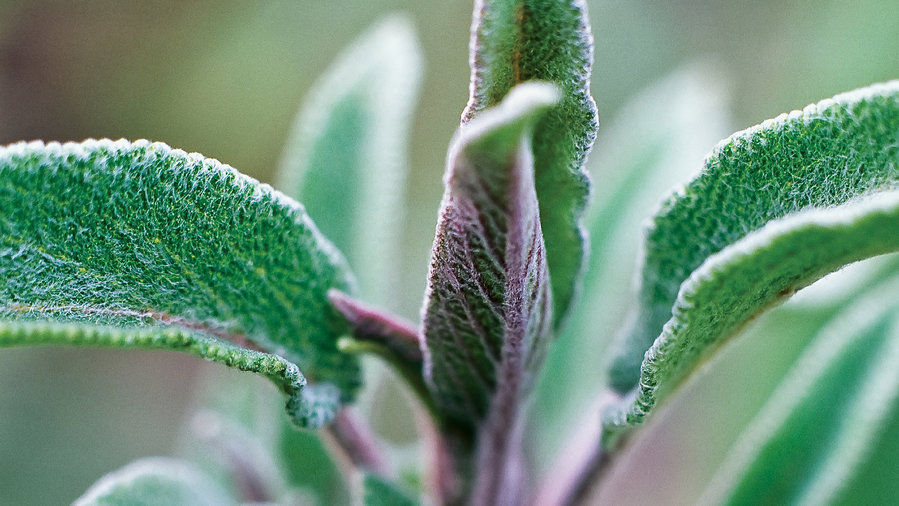
Tricolor sage
If you're growing a vegetable garden, add herbs while you're at it—not only do they make your vegetables taste better, the aromatic oils can deter some insects from eating your plants. Leaves of this shrubby perennial are flavorful and aromatic. But what we love most is their gray green leaves with creamy white borders; new foliage is flushed with purplish pink. It makes a pretty edging for eggplants. Plant from nursery containers with the base of the plant slightly above the ground's surface.
Blueberries
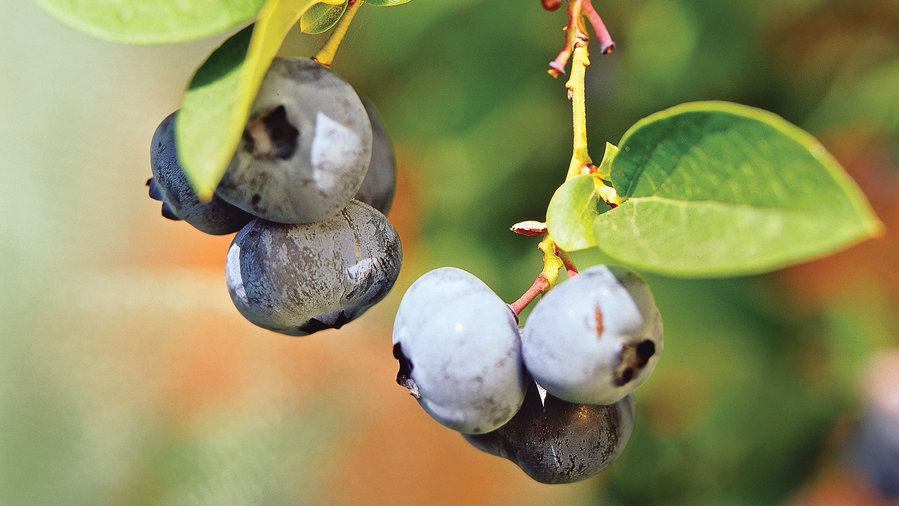
We love the Northern Highbush types such as ‘Bluecrop’; the shrubs grow to 6 feet tall and need winter chill to bear fruit. But their large blue berries have a delicious sweet-tart flavor, and they’re high in antioxidents. In mild climates, try a Southern Highbush type such as ‘Sharpblue’, or Rabbiteye blueberries. Blueberries have fine roots near the surface. Avoid cultivating the soil around them, and apply a 3- to 4-in. thick layer of mulch to conserve moisture. They can get heat-stressed quickly if the roots aren't kept cool and moist. Producing fruit requires at least two bushes so flowers can fertilize each other.
Strawberries
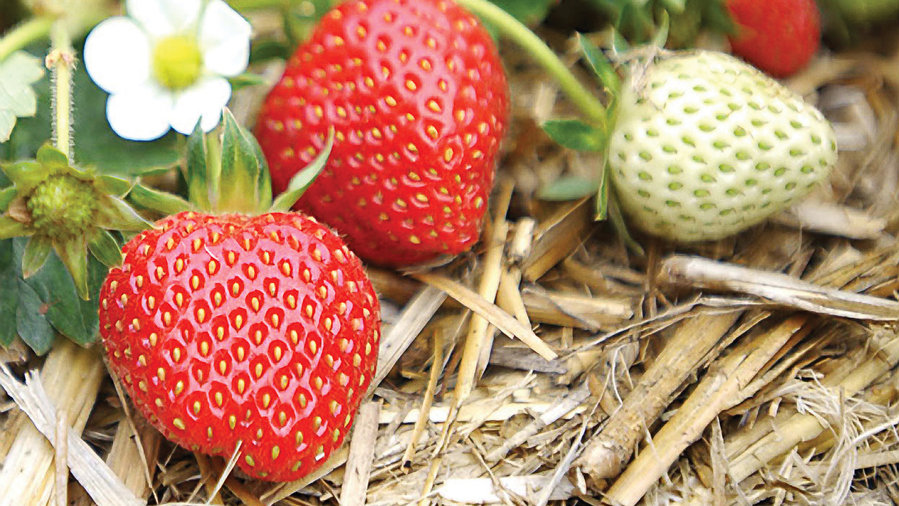
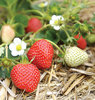
Few things taste sweeter than a plump, sun-warmed strawberry picked at peak of ripeness; it’s dessert right off the plant. If there was ever a fruit to grow yourself, this is it; most commercial varieties are subjected to too many pesticides. ‘Quinault’ is a flavorful everbearing variety, but we also love ‘Sequoia’ (a June-bearing variety, one of the tastiest around) and ‘Seascape’, tasty fresh and in jams. Standard strawberries yield 5 to 10 quarts of berries per 10 ft. of matted row.
Lemon
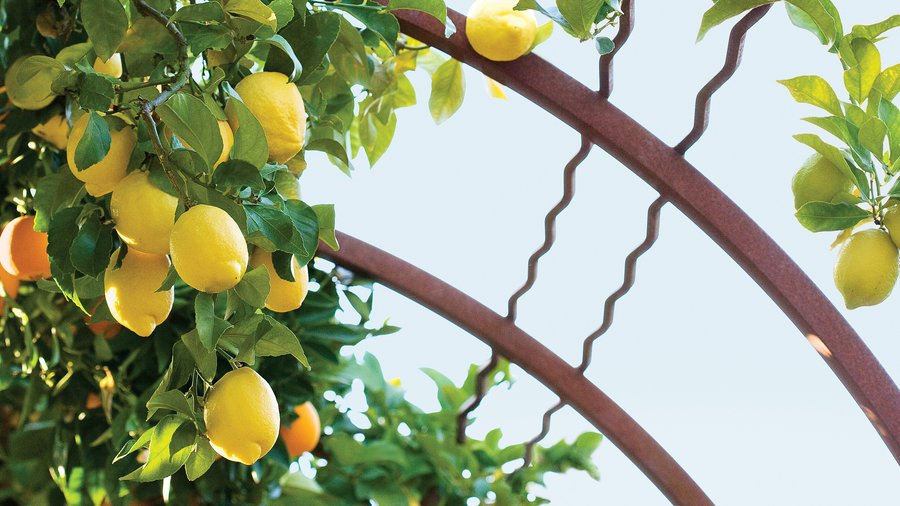
'Eureka' is aptly named; this lemon tree rarely without gorgeous yellow fruits in the right climates; it literally bears all year. The standard market variety, it grows 20 feet tall. As a dwarf, it’s a dense tree with large dark leaves. Fruits ripen only on the tree. Judge ripeness by taste, not rind color. (Many varieties may turn yellow before they are ripe.)
Tomatillos
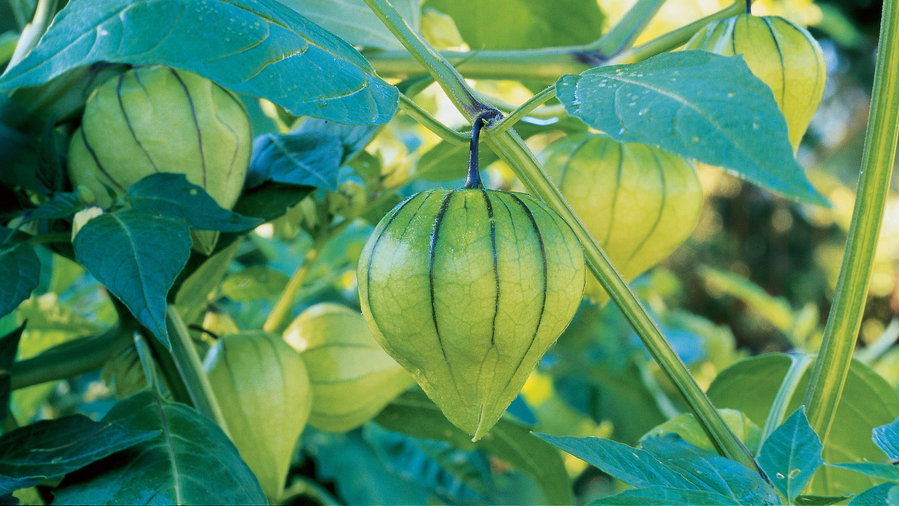
Warm Season Crop Tomatillos aren't just delicious in salsa, they're a beautiful plant and a supremely easy-growing vegetable—just make sure to plant more than one of them, or else the flowers won't be pollinated and fertilized (that means no tomatillos)! They freeze well and are a snap to sauce for canning. Tomatillos will grow in any climate. The plants set flowers earlier than tomatoes, and the fruits can be harvested sooner (they are usually picked while still green and tart). If you live in a mild climate, sow tomatillo seeds directly in the ground once all danger of frost is past. If you live in an area with a short growing season, start seeds indoors, then set out transplants at the same time you would set out tomato seedlings. We especially like heirloom variety 'Purple Coban' and the yellow 'Pineapple,' but even the regular green varieties are a valuable addition to a vegetable garden.
Leaf lettuce
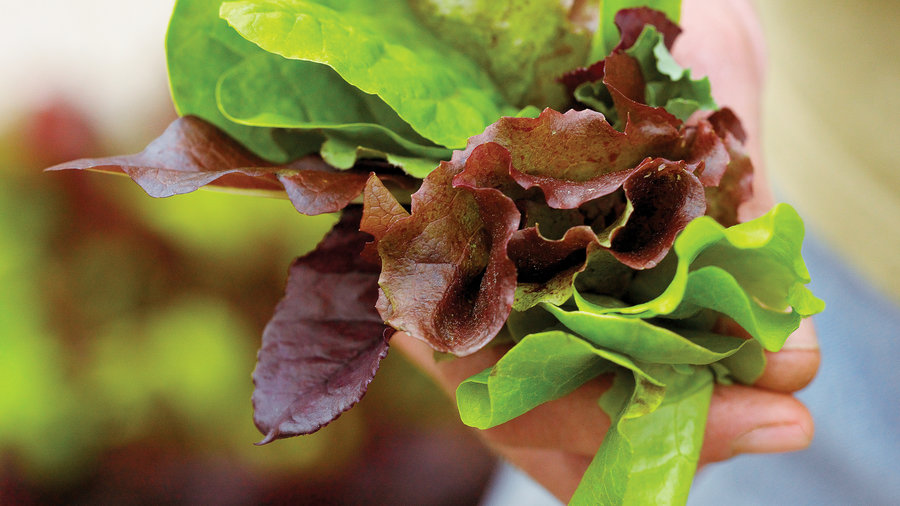
Cool-season crop All leaf lettuces (ones that grow in loose rosettes rather than heads) are great in salads, but ‘Oak Leaf’, ‘Red Deer Tongue’, and ‘Red Sails’ are especially pretty when tossed together. Fresh cut as baby greens, they’re sweet and tender. Plant in sun; part shade in hottest climates. Nursery starts often have 2 or 3 plants to a cell. Tease them apart and plant separately for a bigger crop.
Radish
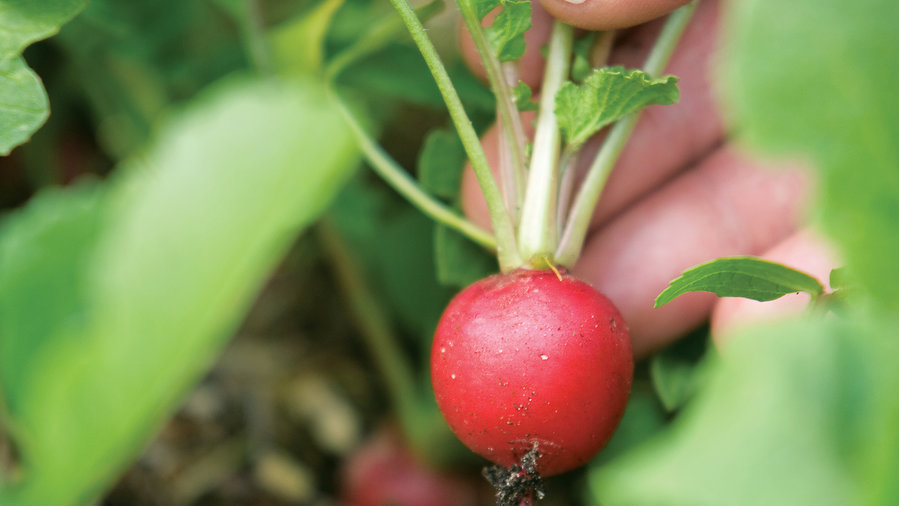
Cool-season crop This root crop is super easy to grow―and very fast! ‘Cherry Belle’ is short, round, and red, an early variety that grows best in cool weather. It thrives in pots and raised beds. Takes sun in mild climates, part shade where weather is hot. In containers, sow seeds 6 in. apart in a diamond pattern. When the tops are up, pull out every other plant; you can eat the small roots of the thinnings.
Swiss chard
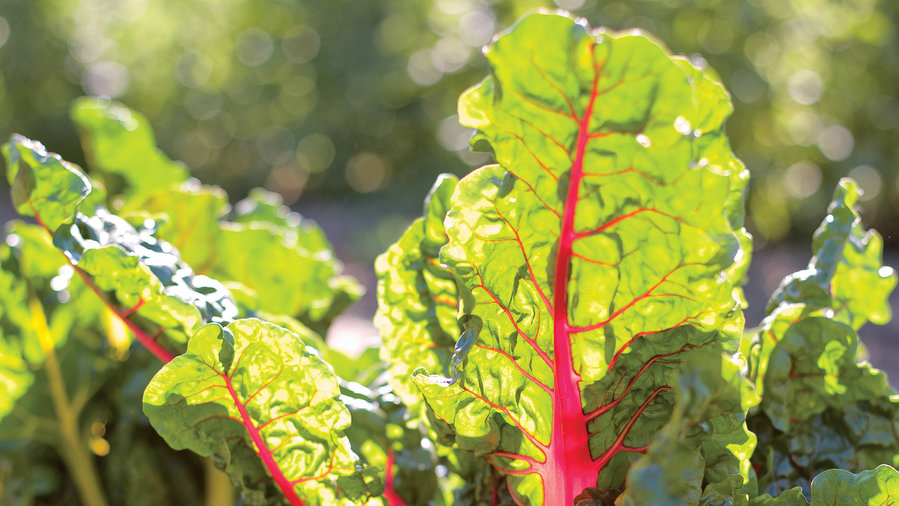
Cool-season crop What’s not to love about chard? Leaves and stems are pretty in pots and garden beds, they taste great in soups and stir fries, and the plant produces over a long season. At the top of our chard list: ‘Bright Lights’, which has leaves ranging from green to burgundy and stalks in shades of yellow, orange, burgundy, and more; and ‘Rhubarb’ with ruby red stalks. You can begin to cut outer leaves for the table when the plants have reached about 1½ ft. tall. New will leaves grow up from the center of the plant.
Snow peas
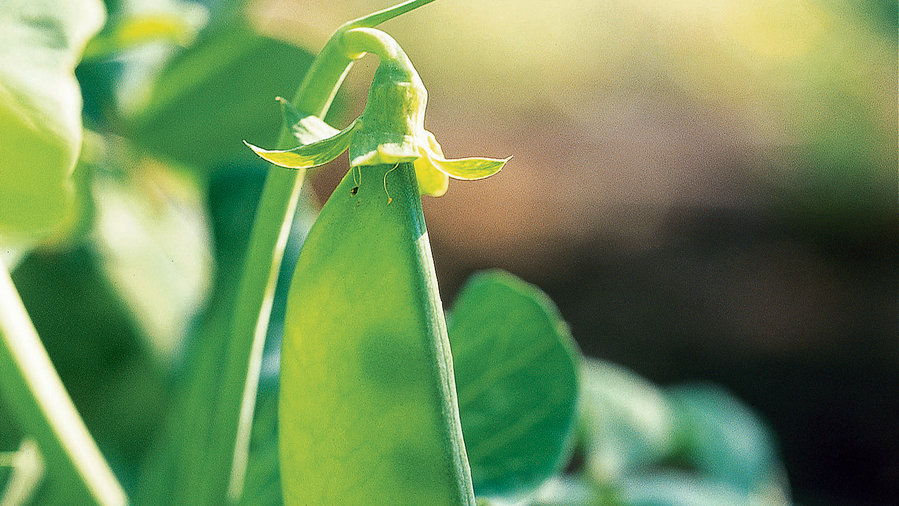
Cool-season crop Snap peas are a fast-growing vegetables, and can be grown in a tipi shape to make a wonderful addition to a child's vegetable garden. ‘Oregon Giant’, an edible podded pea, is a must-have plant for our cool-season garden. Pods are tasty in stir fries, and they add crunch to salads. We prefer them fresh off the vine (pods taste very sweet). Best of all, this variety is a bush type, not a vine, with extra large pods. When peas reach harvesting size, pick all pods that are ready. If seeds are allowed to ripen, the plant will stop producing.
Lacinato kale
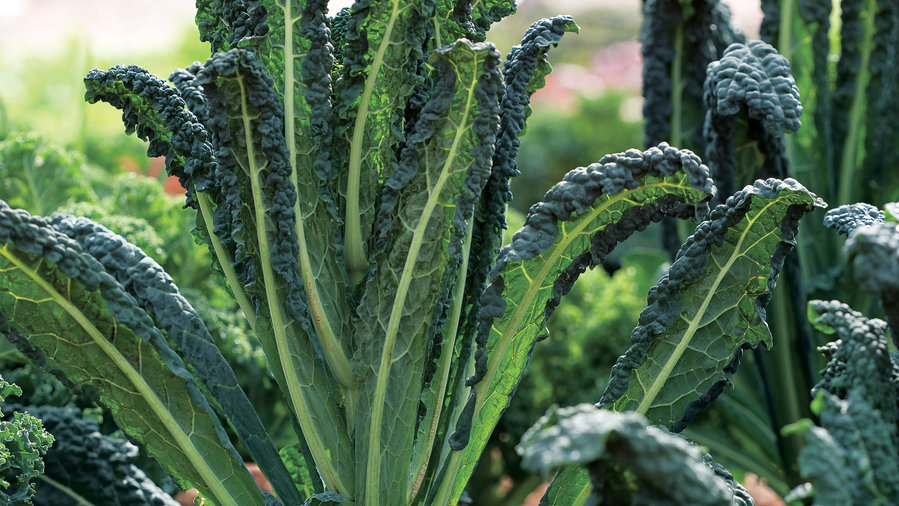
Cool-season crop ‘Nero di Toscana’ is especially versatile; its bumpy gray green leaves are ornamental, extra hardy, and tasty in a variety of dishes (try pan-frying them in extra virgin olive oil with lemon and red chile flakes). Eat thinning as plants fill in. Sun or light shade. They can stick around into early summer, but they're very attractive to cabbage moths and aphids, so stick to cooler weather for kale unless you want to add pest management to your chores.
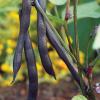
Green (and purple) beans
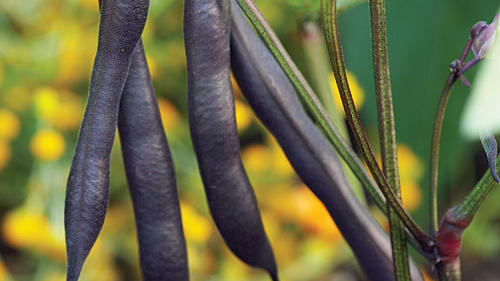
Snap bean (string bean, green bean). The most widely planted bean type. Tender, fleshy pods, not stringy; may be green, yellow (wax beans), or purple (these turn green when cooked). Plants grow as self-supporting bushes (bush beans) or as climbing vines (pole beans). Bush types bear earlier, but vines are more productive. Sow seeds as soon as soil is warm. Heavy seed leaves must push through soil, so be sure that soil is reasonably loose and open. Plant seeds of bush types 1 in. deep and 1–3 in. apart, allowing 2–3 ft. between rows. Pole beans can be managed in a number of ways. Set three or four 8-ft. poles in the ground and tie together at top in tepee fashion; or set single poles 3–4 ft. apart and sow six or eight beans around each, thinning to three or four strongest seedlings; or insert poles 1–2 ft. apart in rows and sow seeds as you would bush beans; or sow along a sunny wall, fence, or trellis and train vines on a web of light string supported by wire or heavy twine. Pods are ready in 50 to 70 days, depending on variety. Pick every 3 to 5 days; if pods mature, plants will stop bearing.
Winter squash
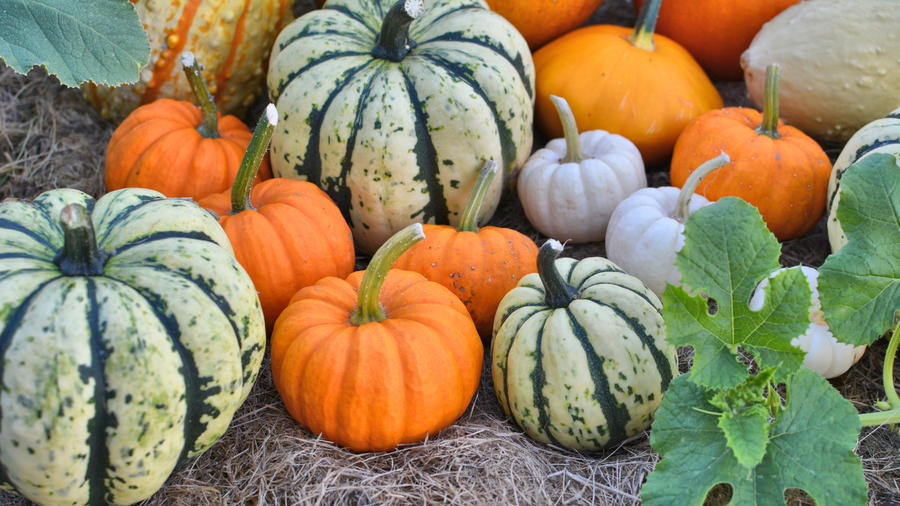
Warm Season Vegetable We love having winter squash in our garden—they're one of the most satisfying vegetables for growing at home. They can take up a lot of space, true, but they're also really good at sprouting themselves out of a compost heap and climbing a tree; they can take care of themselves just fine and will be ready in time for fall harvest. They store like a dream, if given a cool, dry place to hang out. One pumpkin variety to try is the Cinderella, an heirloom from France; also sold as 'Rouge Vif d'Etamps,' its deep orange skin inspired Cinderella's carriage, and the rich orange flesh is tasty in pies. For higher-elevation gardens, we also like the fast-growing 'Sugar Pie' pumpkin, which is excellent for baking. We also really love the kabocha-like 'Bitterroot Buttercup;' produced for the short Montana growing season, it trellises well and produces a lot of squash.