
Fermenting
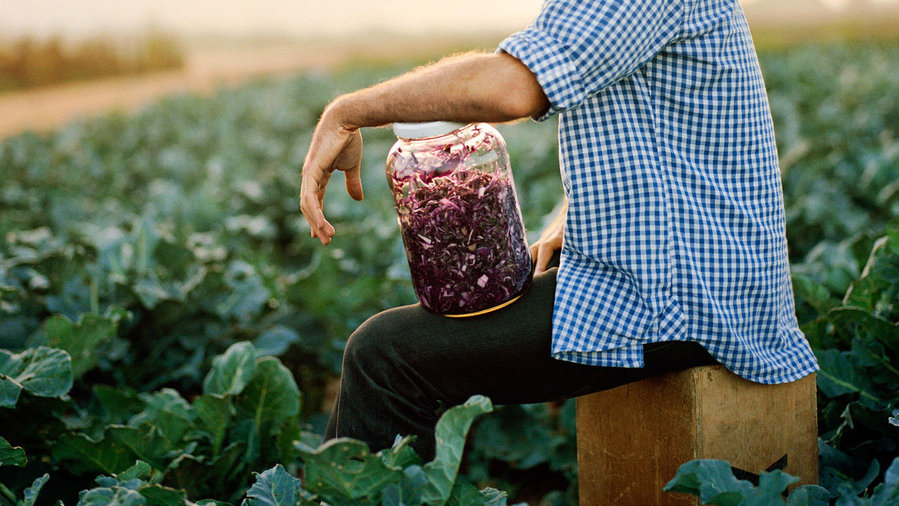
The basics: Shred a head of cabbage; mix it with salt, caraway seeds, and juniper berries; pack it in a jar and stash in a cool, dry place. Let the bacteria take over.
The home cook: At first, software project manager Austin Durant’s nonfermenting friends thought his fascination with making sauerkraut was a little odd. What started out about a year ago as an interest in its health benefits turned into a full-fledged obsession: “The biochemical changes that take place [during fermentation] are just amazing. Even climate and season can affect the flavor.”
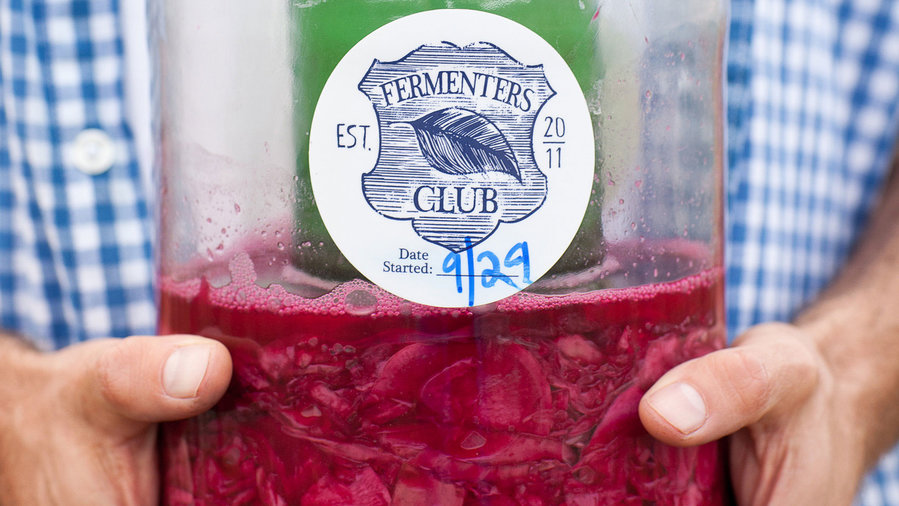
But once those friends tried Austin’s homemade sauerkraut, they were converted. Subsequently, Austin launched Fermenters Club in San Diego (fermentersclub.com), where people gather to trade “living food” and recipes for sauerkraut, pickles, kombucha, and even fermented ketchup.
About that first batch … Perfect. “I could smell and taste the sourness, and it had complexity of flavor and great crunch.”
Slow sauerkraut
Austin Durant's "gateway recipe" for home fermenting was sauerkraut—once he'd made it, he was smitten.
Recipe: Slow sauerkraut
Cider making
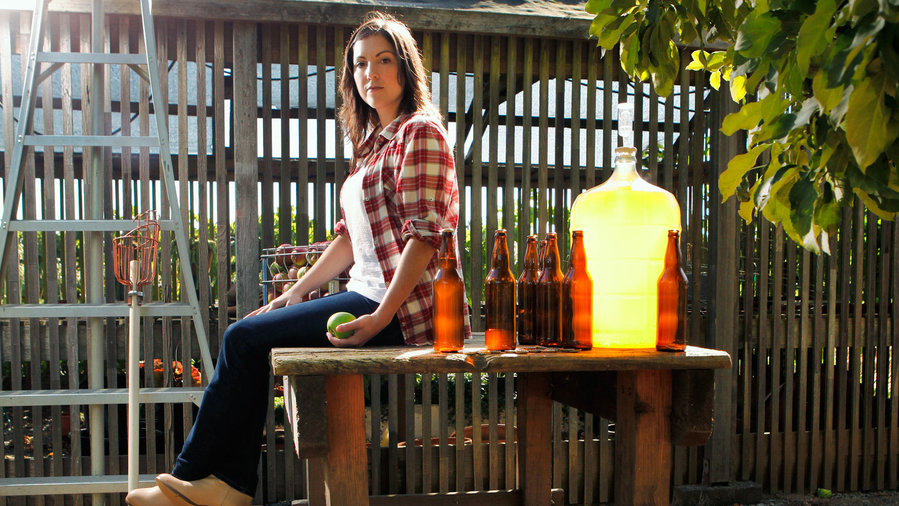
The basics: Wash and crush the apples, then press the pulp and put the juice in 5-gallon carboys, adding the yeast. Wait about seven days for the cider to ferment and another one to three months to age.
The home cook: Sometimes bounty can be a problem, like the Gravenstein apple tree in publicist Emily Collins Kell’s backyard that is laden with fruit in midsummer. You could say that Emily’s gourmet art kind of fell into her lap. “You can eat and give away only so much apple butter,” she says. So a few years ago, she took on the craft of hard cider. She rented an apple mill and press, then perfected her recipe by adding Champagne yeast to the batches. The cider is ready in time for the holidays, and it’s great with rustic, comforting meals.
About that first batch … She borrowed an old grape crusher from a nearby winery, only to have it disintegrate. “So I used a sledgehammer to finish crushing the apples,” Emily says. “The result was blisters, a sore back, and a small yield.”

Soda making
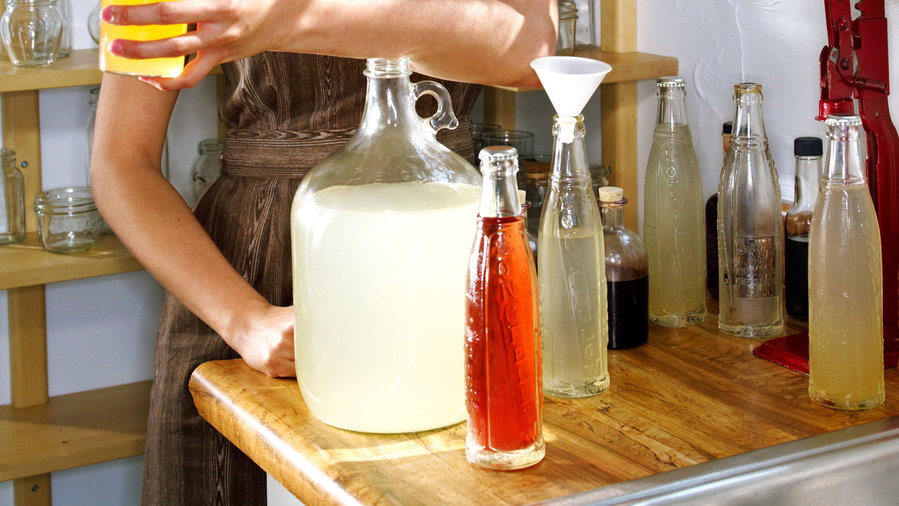
The basics: Make a simple syrup, then steep the flavorings in the syrup. Strain syrup, mix it with freshly carbonated water, and serve chilled.
The home cook: For most of her life, food writer Emily Ho didn’t like soda—it was too sweet, too artificial tasting, and held no appeal for this farmers’ market devotee. But then her boyfriend, a soda fiend, started carbonating his own water to mix with ready-made syrups. “Watching him, I had a eureka moment when I realized that I could tailor soda to my own palate using seasonal flavors,” Emily explains. She started foraging on walks through Los Angeles’ canyons and her Silver Lake neighborhood, plucking ingredients like elderflowers and oranges.
About that first batch ... Delicious. And afterward, everywhere Emily looked, she saw soda inspiration: rosemary in a friend’s garden, cherries from the farmers’ market, and tasty by-products of her own cooking, like pummelo juice left over from making candied pummelo peel.

Citrus lemongrass soda
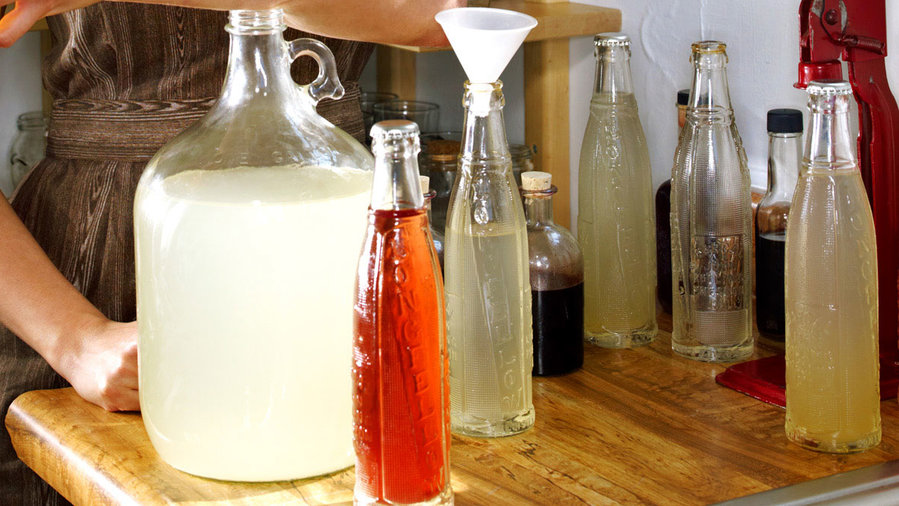
Emily Ho loves to make her own sodas using seasonal fruits, herbs, and spices. She has two methods: one fresh, combining homemade syrup with soda from her home water carbonator, and the other bottled, using yeast to carbonate the soda naturally through fermentation. The fresh version uses bottled carbonated water or make your own fizzy water with a home carbonator (available at amazon.com). The fermented version is ever so slightly (almost unnoticeably) alcoholic.
Recipes:
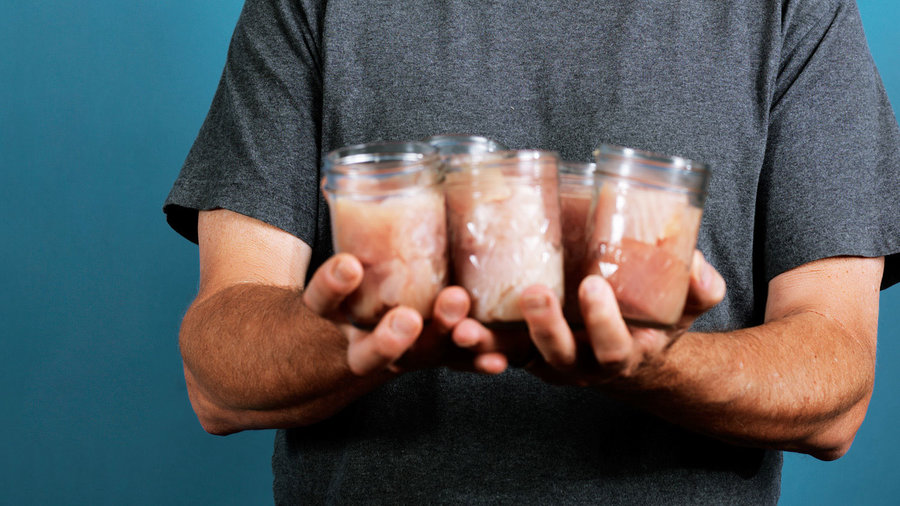

Tuna canning
The basics: Slice tuna into medallions, stuff them into jars with a little olive oil, season, and pressure-cook.
The home cook: “Albacore tuna fight like you’ve hooked a runaway torpedo,” banker Jeff Pratuch says. He loves to catch them, leaving home before daybreak during albacore season to launch his boat into the Pacific. Since the tuna pass by only from mid-July through September, canning is a way to eat tuna year-round.
About that first batch … It came from an albacore fishing trip gone wild when the tuna were too plentiful to store in his freezer. Jeff called a friend and got some canning lessons. “It was so much tastier than regular canned tuna. You almost don’t recognize it as the same fish. The chunks are bigger, and you can add your own seasonings.”


Freshly canned tuna
Since the jars are meant for long storage at room temperature (sealed jars keep up to 1 year in a cool, dark cupboard), you need to use a pressure canner (which raises food temperatures to 240° and above) to wipe out any bacteria that could cause botulism, a serious illness. You can order a pressure canner online from amazon.com. Use either a dial-gauge or a weighted-gauge pressure canner; be sure to follow the manufacturer's instructions. For detailed advice on canning with a pressure cooker, see the USDA Complete Guide to Home Canning, online at foodsaving.com/canning_guide.
Feel free to add a pinch of dried seasonings to each jar, such as red pepper flakes, dried oregano, or dried rosemary.
Recipe: Freshly Canned Tuna
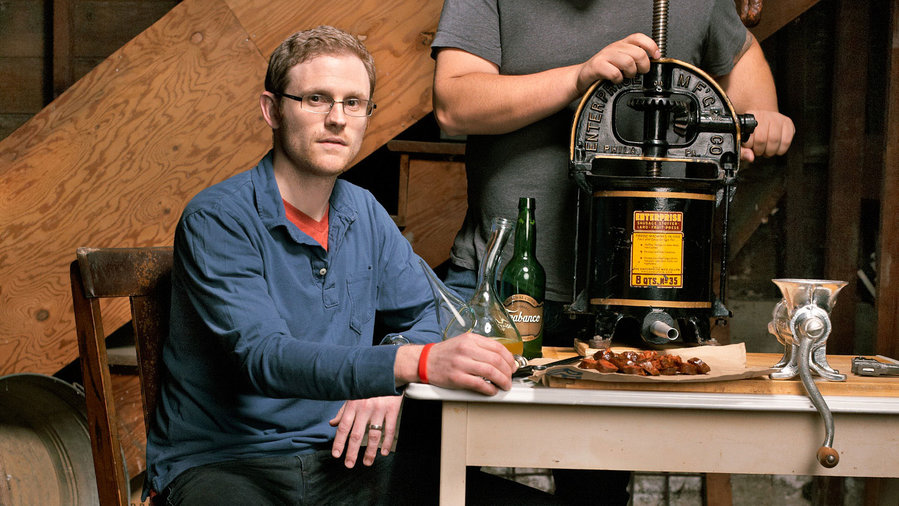

Sausage making
The basics: Cube pork shoulder, season it, grind it, and ease it into casings. Dry and cure it.
The home cooks: It all started when cousins Brett Wittman (a construction manager for Sephora, on right) and Jason Marwedel (a manage for K&L Wine Merchants) decided to compete in the Basque chorizo sausage contest held annually in the Sacramento Valley. Jason explains, “We heard our uncles bragging about their chorizo every year, so we decided to get some skin into the game.” They took over the basement of Jason’s grandmother’s San Francisco house, where their family has cured sausages for more than a century. It took time to get the chorizo-making right. Early on, in jest, an uncle stretched caution tape with skulls and crossbones across their sausage-drying area. But three years later, they beat several uncles and Jason’s mother, who had teamed up with an aunt. “Aunt Delle joked that we weren’t invited to Thanksgiving dinner that year,” says Brett.
About those first batches … The early attempts were pretty horrible. Once, they tried drying the chorizo with a fan, and ended up with what looked like Slim Jims.
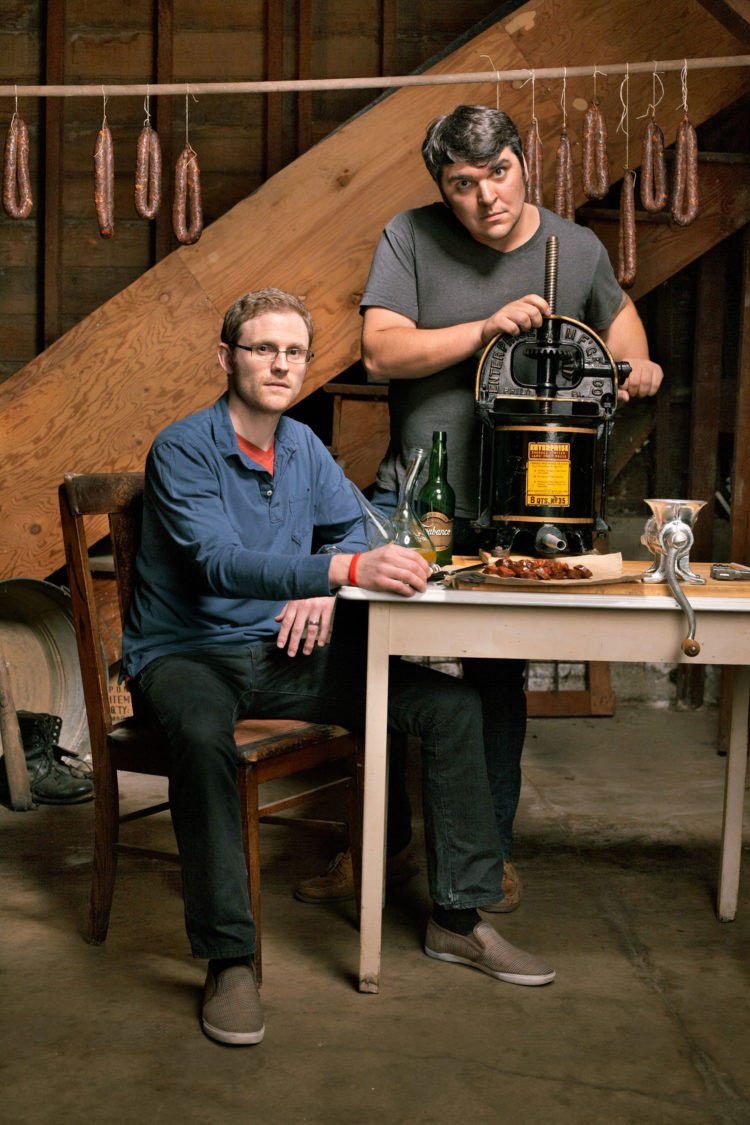

Basque chorizo
Every year, Brett Wittman and Jason Marwedel compete in a Basque sausage-making contest in California's Sacramento Valley, along with uncles, an aunt, and even Jason's mother. This is a version of their prize-winning sausage. It's a flavorful explosion of five different kinds of chiles—four of them Spanish-style and the fifth a nod to California, ancho chile powder.
To make this sausage, you'll need a stand mixer equipped with a sausage grinder attachment (available at kitchenware stores and from amazon.com). If you want to stuff your sausages, you'll need a stuffer attachment (also available at kitchenware stores and from amazon.com) and some hog casings (pre-order from a butcher shop). It's undeniably an adventure to stuff sausages, but well worth it. If you don't feel like going to the trouble of stuffing sausages, you can form the meat into patties.
This may seem like a lot of sausage, but trust us, you will be glad, because everyone you know will want some. Both the sausages and patties freeze well.
The cousins' main piece of advice: Use the best and freshest spices possible—it really matters.
Recipe: Basque chorizo
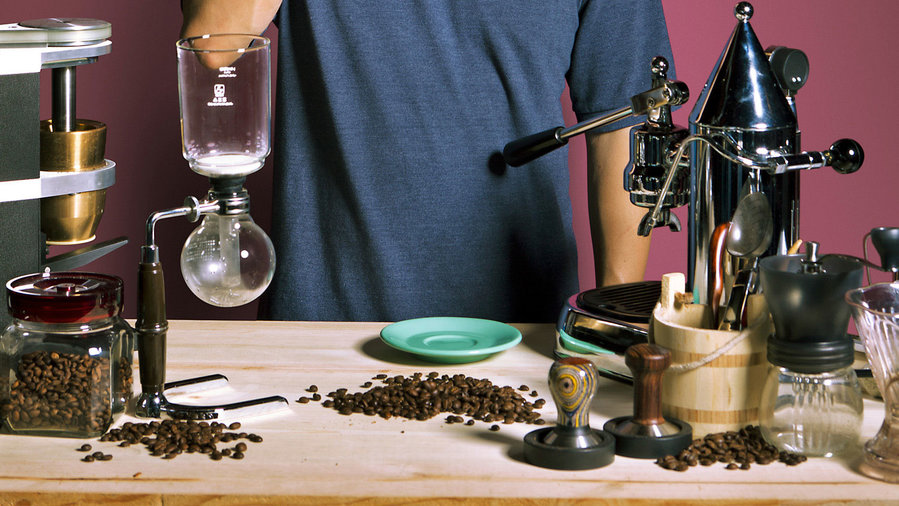

Coffee roasting
The basics: Some novices use a popcorn popper. But Henry’s recipe is far from basic.
The home cook: Ob-gyn Henry Chang made it through medical school drinking weak, thin coffee. Then, in Italy, he sipped his first good espresso—and life was never the same. He bought an espresso machine. Eventually, he began to buy fresh beans and take interest in their precise terroir. “Curiosity morphed into obsession,” he says. His first roaster, a Hottop set up in the garage, was fine but too small. Then Henry stumbled upon the Mini 500/Yang-Chia 800N. “The webpages were all in Chinese. I learned to type in Chinese and eventually flew to Taiwan and bought it. Now I am truly in coffee-roasting nirvana.”
About that first batch … Henry bought green beans and roasted them on pans in the oven. “The odor was terrible, and I set off the smoke alarm a number of times. So my wife suggested I buy a roaster.”
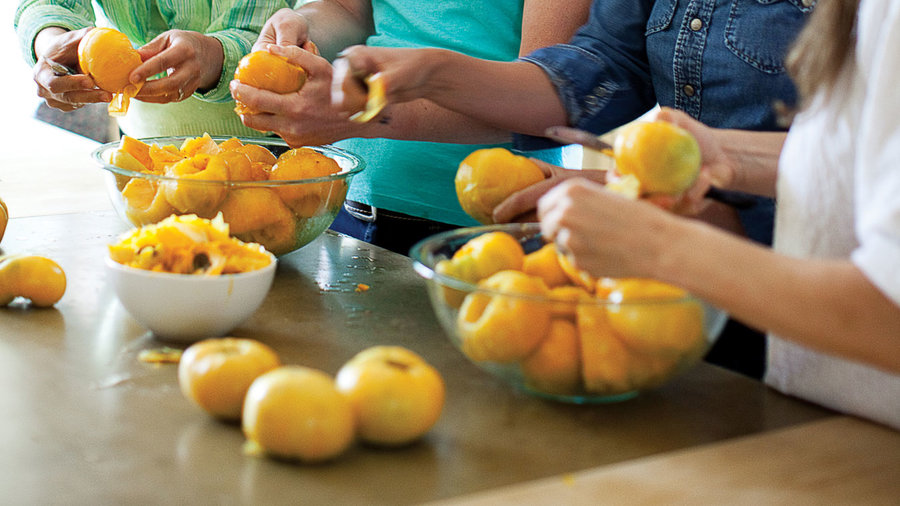

Canning
If you want to eat locally―and eat well―year-round, can your own fresh fruit and vegetables. That’s what Kelli Glazier of Palo Alto, California, and her book club decided they’d do after reading Animal, Vegetable, Miracle by Barbara Kingsolver, inspired by the author’s account of preserving the glut of tomatoes and other summer produce from her farm.
"We wanted to support our local farmers, buy as much pro-duce as we could, and can all day ― like in the old days, making food for the winter," Glazier explains.
None of the four friends had canned before, but they jumped in and learned together. "It was so much fun," says Glazier. By the end of their first day, they had transformed boxes of produce into gleaming jars, and everyone got to take some home.
More: Your canning guide